
Balkans city breaks: 9 cities compared
In short
For sea and old towns, Split, Dubrovnik and Kotor are the first choice; for big-city life and nightlife Belgrade and Bucharest; for history Sarajevo; and for a lake Ohrid. The best time is May, June and September: in September daytime highs range from 22.3 °C in Sarajevo to 26.9 °C in Tirana. Split–Dubrovnik–Kotor is just over 5 hours of pure driving.
The Balkans and South-East Europe were long overlooked for city breaks. Yet some of Europe's most striking old towns are here – some right on the Adriatic, others on great rivers or an ancient lake. Many of the cities are compact enough for two or three days, and several can be linked by bus or hire car into a longer trip. Here are nine cities, what makes each one special, when to go and how to combine them.
The short answer: which city for which trip
- Sea and old town: Split, Dubrovnik and Kotor on the Adriatic. Ideal in May, June and September; hot and crowded in midsummer.
- Big city, cafés, nightlife: Belgrade and Bucharest. Wide boulevards, large parks, long evenings.
- History in a small space: Sarajevo, where Ottoman lanes and Austro-Hungarian buildings sit side by side.
- Lake and calm: Ohrid on the lake of the same name, with churches, an old town and swimming spots.
- Capital with mountains on the doorstep: Sofia with the Vitosha range and Tirana with Mount Dajti.
The 9 cities at a glance
| City | Country | Known for | Ideal stay | Best time |
|---|---|---|---|---|
| Split | Croatia | Diocletian's Palace, islands | 2 days | May–June, September |
| Dubrovnik | Croatia | city walls, old town | 2–3 days | May–June, September |
| Kotor | Montenegro | bay, fortress | 2 days | May–June, September |
| Sarajevo | Bosnia and Herzegovina | Baščaršija, history | 2–3 days | May–September |
| Belgrade | Serbia | Kalemegdan fortress, nightlife | 2–3 days | May–June, September |
| Ohrid | North Macedonia | lake, churches | 2–3 days | June–September |
| Tirana | Albania | colourful façades, bunker museums | 2 days | April–June, September–October |
| Sofia | Bulgaria | Alexander Nevsky Cathedral, Vitosha | 2 days | May–September |
| Bucharest | Romania | Palace of the Parliament, old town | 2–3 days | May–June, September |
Best time: based on the climate data further down. From London, flights to these countries take approx. 2.5 to 3.5 hours; for Kotor you land in Tivat or Podgorica, or drive from Dubrovnik.
- Split Diocletian's Palace
- Dubrovnik city walls
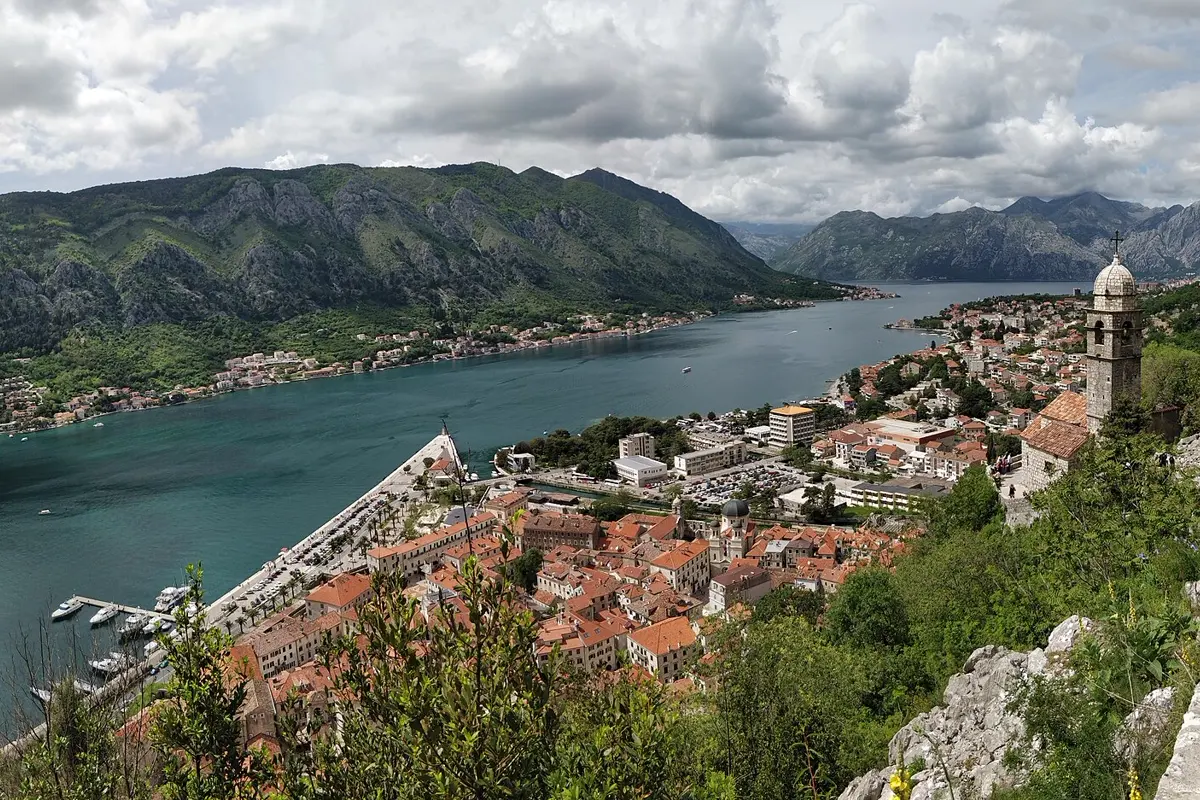
- Kotor bay
- Sarajevo Baščaršija
- Belgrade Kalemegdan
- Ohrid lake
- Tirana Skanderbeg Square
- Sofia cathedral
- Bucharest Palace of the Parliament
Base map: Natural Earth
Split, Dubrovnik, Kotor: the Adriatic coast
Split is a city that lives inside a Roman palace. Emperor Diocletian had it built around the year 300, and today its walls hold flats, cafés and shops. The palace is a UNESCO World Heritage Site. In front of the old town runs the Riva promenade, and to the west rises the wooded Marjan hill. Ferries leave Split for the islands of Brač and Hvar – a good reason to stay an extra day.
 Split trip planDay by day, with map and tips
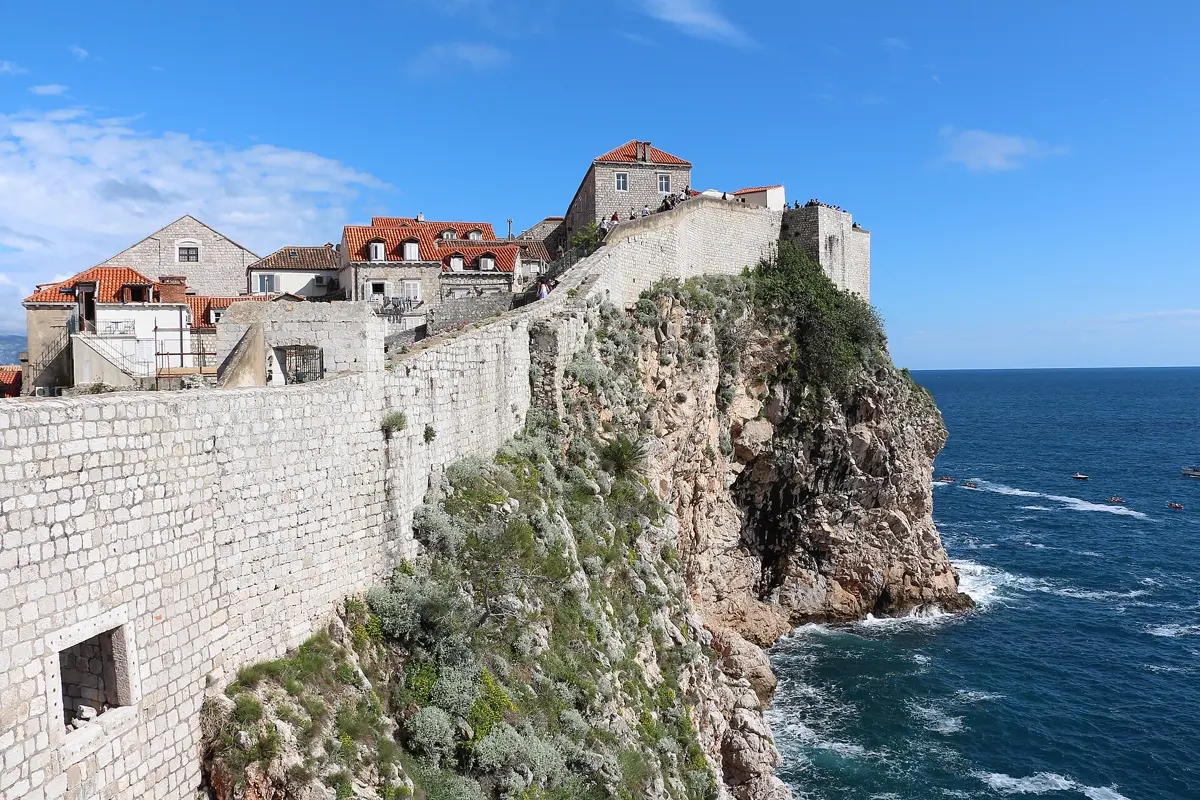
Dubrovnik is surrounded by almost completely preserved city walls, along which you can walk right around the old town. The main street, the Stradun, and the churches and palaces of pale stone are also part of the World Heritage Site. In summer the old town is very busy during the day, especially when cruise ships are in port; early morning and evening are much quieter. If you land late, the easiest option is to be picked up at the airport, for example with a transfer from Dubrovnik airport* booked through Welcome Pickups.
 Dubrovnik trip planDay by day, with map and tips
Kotor lies at the innermost end of the Bay of Kotor, framed by steep mountains. The walled old town is small and full of lanes, and above it a steep path with many steps climbs to the fortress – at the top you get the famous view over the bay. The neighbouring little town of Perast, with its two small islands, is worth half a day. You can find boat trips on the Bay of Kotor* at Tiqets, for example.
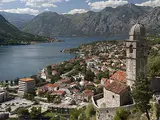 Kotor trip planDay by day, with map and tips
Sarajevo and Belgrade: cities on rivers
Sarajevo is one of Europe's most varied cities in a small space. In the old bazaar quarter of Baščaršija, workshops, coffee houses and mosques line the lanes, and just a few steps away stand buildings from the Austro-Hungarian era, churches and a synagogue. Archduke Franz Ferdinand, heir to the Austro-Hungarian throne, was shot at the Latin Bridge in 1914, and the city hosted the 1984 Winter Olympics. Several museums tell of the siege of the city in the 1990s. A cable car runs up the local mountain, Trebević.
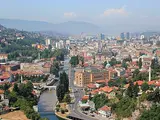 Sarajevo trip planDay by day, with map and tips
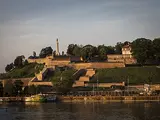
Belgrade sits where the Sava flows into the Danube. The Kalemegdan fortress and its large park rise above the confluence, and from there the pedestrian street Knez Mihailova leads into the centre. In the evening many people head to the old bohemian quarter of Skadarlija or to the river boats along the banks that serve as bars and clubs. The district of Zemun on the Danube has a character all of its own, like a small town.
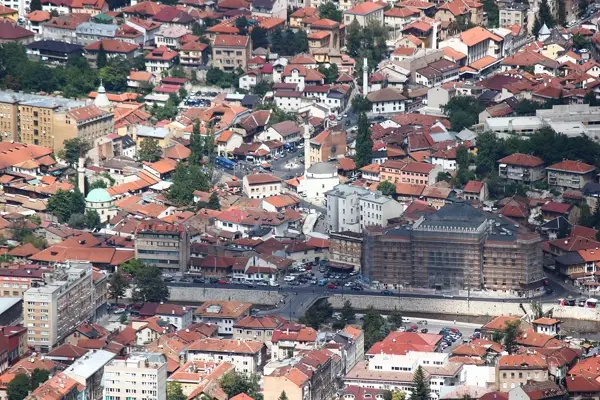
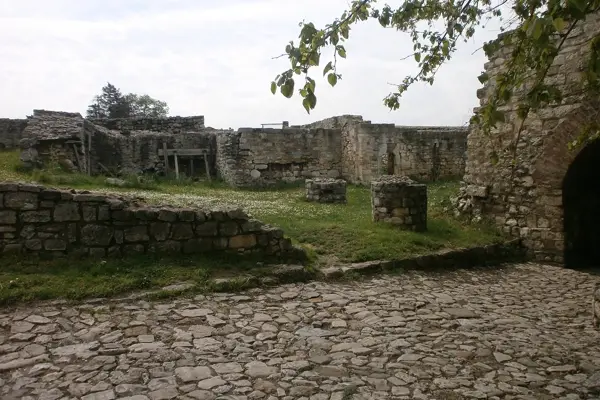
 Belgrade trip planDay by day, with map and tips
Ohrid and Tirana: lake and capital
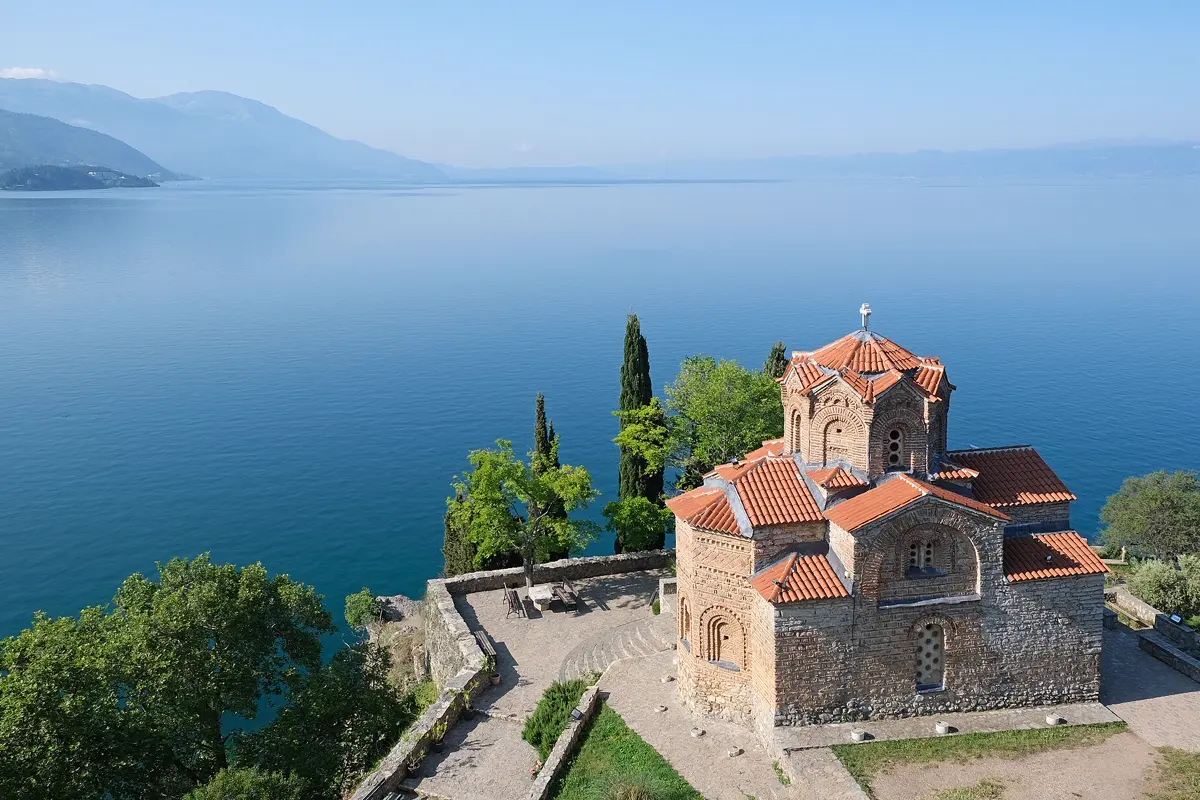
Ohrid lies on Lake Ohrid, one of the oldest lakes in Europe, shared by North Macedonia and Albania. Town and lake are listed together as a UNESCO World Heritage Site – for both nature and culture. The small church of St John at Kaneo on a rock above the water is the best-known view; above it are Tsar Samuel's fortress and an ancient theatre. In summer you can swim right by the town, and a popular excursion goes to the monastery of St Naum at the southern end of the lake.
 Ohrid trip planDay by day, with map and tips
Tirana has changed a great deal in recent decades. Around the large Skanderbeg Square stand the Et'hem Bey Mosque, the opera house and the National History Museum, and many apartment blocks are painted in bright colours. In two former bunker complexes, the Bunk'Art 1 and 2 museums tell the story of the communist dictatorship. The Blloku district, once closed to ordinary citizens, is now full of cafés. A cable car takes you up Mount Dajti on the edge of the city. If you want the sea afterwards, continue to the south of the country, for example to Saranda.
 Tirana trip planDay by day, with map and tips
Sofia and Bucharest: the big capitals in the east
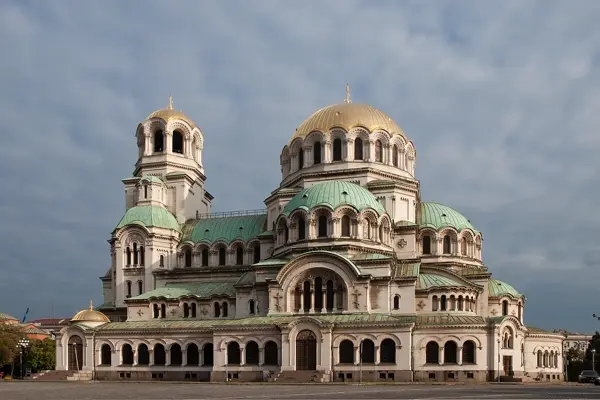
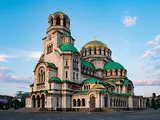
Sofia is a city of layers: beneath the centre lie remains of Roman Serdica, above them churches, mosques and the great Alexander Nevsky Cathedral with its golden domes. On the edge of the city, Boyana Church with its medieval wall paintings is a UNESCO World Heritage Site. The Vitosha range begins right behind the city – for hiking in summer and skiing in winter. A classic day trip goes to Rila Monastery, also World Heritage.
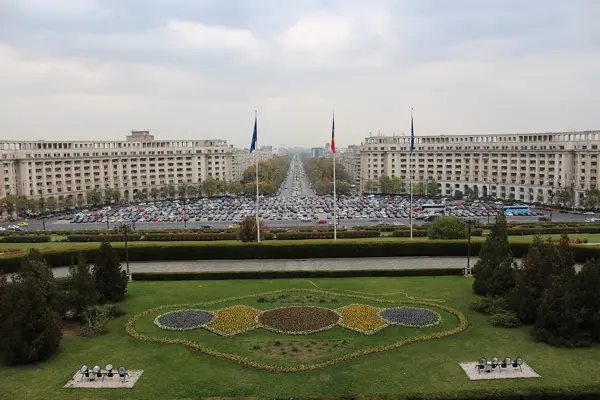
Bucharest is the largest city on the list. The Palace of the Parliament is one of the largest administrative buildings in the world and can be visited on guided tours. The old town around Lipscani Street has churches, arcades and plenty of places to eat, and along Calea Victoriei stand the Romanian Athenaeum and 19th-century palaces. At the large Village Museum by Lake Herăstrău you can see farmhouses from all parts of the country.
 Sofia trip planDay by day, with map and tips
 Bucharest trip planDay by day, with map and tips
Combining cities: by bus or hire car
Many of these cities are closer together than you might think. Between most of them the bus is the easiest option – the networks are dense, while rail links are rare or slow. You can search bus connections across several countries* at Busbud, for example. A hire car gives you more freedom, but expect waiting times at every border, especially in summer.
Route 1: along the Adriatic to Ohrid
| Leg | Distance | Pure driving time |
|---|---|---|
| Split – Dubrovnik | 234 km | 3:21 h |
| Dubrovnik – Kotor | 80 km | 1:52 h |
| Kotor – Tirana | 198 km | 4:19 h |
| Tirana – Ohrid | 130 km | 2:15 h |
The classic coastal route: about 640 km and just under 12 hours of pure driving, comfortably spread over one to two weeks. Dubrovnik and Kotor are only 80 km apart, but the border crossing makes the drive slower than the distance suggests.
Route 2: inland to the east
| Leg | Distance | Pure driving time |
|---|---|---|
| Split – Sarajevo | 240 km | 3:56 h |
| Sarajevo – Belgrade | 297 km | 4:20 h |
| Belgrade – Sofia | 396 km | 4:21 h |
| Sofia – Bucharest | 359 km | 5:47 h |
From the coast via Sarajevo and Belgrade to Sofia and Bucharest: about 1,290 km and just over 18 hours of pure driving. Allow two weeks for the whole route.
Good shorter combinations are Dubrovnik and Sarajevo (269 km, 4:38 h) or Dubrovnik and Kotor over a long weekend. Long jumps such as Belgrade – Bucharest (625 km, 8:28 h) or Ohrid – Sofia (421 km, 6:09 h) take a full day. All times are pure driving without breaks or border checks – allow about a third more. You can compare hire cars in Croatia* at Localrent, for example; before booking, ask which neighbouring countries you may drive to and whether a one-way fee applies if you return the car in another country.
Best time to go: May, June and September
The best time for a Balkans city break is May to June and September. On the coast July and August are hot – Tirana averages 31.8 °C in July, Split 31.3 °C – and the old towns of Dubrovnik and Kotor are very crowded. Inland, summers are warm but winters cold: in Sarajevo, Sofia and Bucharest January nights average around −4 °C.
| City | May: day | May: night | September: day | September: night |
|---|---|---|---|---|
| Split | 22.3 °C | 14.4 °C | 25.9 °C | 17.6 °C |
| Dubrovnik | 21.9 °C | 14.2 °C | 25.6 °C | 17.7 °C |
| Kotor | 21.9 °C | 15.0 °C | 25.6 °C | 19.0 °C |
| Sarajevo | 19.9 °C | 9.2 °C | 22.3 °C | 11.6 °C |
| Belgrade | 22.3 °C | 12.4 °C | 24.3 °C | 14.5 °C |
| Ohrid | 19.5 °C | 11.2 °C | 23.1 °C | 15.0 °C |
| Tirana | 23.1 °C | 13.0 °C | 26.9 °C | 16.7 °C |
| Sofia | 20.6 °C | 9.9 °C | 23.9 °C | 12.6 °C |
| Bucharest | 22.3 °C | 11.6 °C | 25.3 °C | 14.1 °C |
Temperature: average of 2015–2024 from the ERA5 reanalysis (via Open-Meteo), rounded. The figures apply to a grid cell about 25 km wide.
September is warmer than May everywhere, especially at night, and the sea on the coast is warm by then. A word of caution about late autumn: on the Adriatic, November is the wettest month. Kotor then averages 364 mm of rain, Dubrovnik 332 mm and Split 238 mm. Summer there is dry, by contrast – only 23 mm in Split in July. Inland the rain is spread more evenly over the year; in Sarajevo June and November are the wettest months at 117 and 123 mm.
How YesTrip helps
YesTrip has ready-made plans for all nine cities, which you can take over and adapt to your dates. For a longer trip you enter the cities and get a day-by-day plan with a map that groups the sights by neighbourhood. You also get the forecast for your travel days, a packing list that fits the weather and the plug sockets, and under "What's on?" the festivals, markets and holidays during your trip. With the offline package you download the maps to your phone in advance – handy where your data plan does not cover you. If you travel as a group, you share the trip and log shared expenses.
Before you go
- Entry: The nine cities are in eight countries with different rules. Check the current advice for each country on gov.uk.
- Mobile data: Croatia, Bulgaria and Romania are in the EU; Bosnia and Herzegovina, Montenegro, Serbia, North Macedonia and Albania are not. Check what your plan includes before you go, or use an eSIM.
- Power: 230 volts, sockets type C and F (two round pins). From the UK you need an adapter.
- Getting around: In the old towns of Dubrovnik, Kotor and Split much of the way is on foot, so comfortable shoes pay off – not least because of the many steps.
To go deeper on individual cities, see how many days in Sarajevo and how many days in Kotor.
* Ad – Partner link: if you book there, we earn a commission. Your price stays the same.
Free
Plan your trip in 30 seconds.
Tell YesTrip where and when – the app plans day by day with real places on the map, shows the weather, splits costs with your travel companions and guides you to the next stop on the go.
Frequently asked questions
Which Balkan city is best for a city break?
For sea and old towns, Split, Dubrovnik and Kotor are the first choice. If you want big-city life and nightlife, go to Belgrade or Bucharest, and for history in a small space, Sarajevo. Ohrid is ideal for a quiet city break by a lake, while Sofia and Tirana combine a capital with mountains.
When is the best time for a city break in the Balkans?
May, June and September. In September average daytime highs range from 22.3 °C in Sarajevo to 26.9 °C in Tirana. In July and August the coast is hot and crowded, and in winter nights inland are frosty.
Can you combine Dubrovnik and Kotor?
Yes, the two cities are only 80 km apart, with a pure driving time of 1 hour 52 minutes. Because of the border check you should allow more time, much more in summer. There are buses and organised day trips, and a hire car gives you more flexibility.
How do you travel between cities in the Balkans?
The bus is the easiest option, because the bus network between the cities is dense and rail links are rare or slow. A hire car gives you more freedom, but check with the rental company beforehand which countries you are allowed to drive to.
How many days do you need for a Balkans trip?
For the coastal route from Split via Dubrovnik, Kotor and Tirana to Ohrid, 10 to 14 days is comfortable, with just under 12 hours of pure driving. For the inland route from Split via Sarajevo and Belgrade to Sofia and Bucharest, allow two weeks.
Sources
- Open-Meteo Historical Weather API (ERA5), average 2015–2024 – open-meteo.com
- Driving times: OSRM routing on OpenStreetMap data – project-osrm.org
- UNESCO World Heritage: Diocletian's Palace in Split – whc.unesco.org
- UNESCO World Heritage: Old City of Dubrovnik – whc.unesco.org
- UNESCO World Heritage: Natural and Culturo-Historical Region of Kotor – whc.unesco.org
- UNESCO World Heritage: Natural and Cultural Heritage of the Ohrid region – whc.unesco.org
- UNESCO World Heritage: Boyana Church – whc.unesco.org
- UNESCO World Heritage: Rila Monastery – whc.unesco.org
- UK Foreign Travel Advice – www.gov.uk
Researched with AI support and checked by our editors. Prices, opening hours and weather can change – please check before you go. YesTrip is not a travel agency. Published: .
More articles
 City breaks & rail
Alpine city breaks: 6 cities compared
For mountains right by the city, Innsbruck and Lucerne are the first choice; for old town and music Salzburg; for a lakeside city with … · 11 min read City breaks & rail
Asia city breaks: 6 cities compared
For a first city trip to Asia, Tokyo and Kyoto go well together (about 2 hours 15 minutes by Shinkansen), Seoul is the lively alternative, … · 10 min read City breaks & rail
Scandinavia city breaks: 8 cities compared
For a classic Nordic city break, Copenhagen and Stockholm are the first choice; for nature on the doorstep Oslo and Helsinki; for a medieval … · 10 min read


