
Bosnia and Herzegovina · 3 days · 18 stops
3 days in Sarajevo – a ready-made itinerary
Sarajevo fills a narrow valley where Ottoman mosques, Catholic and Orthodox churches and a synagogue stand only a few steps apart. Day one covers the old town around Baščaršija, day two the history of the 1990s and Trebević, the mountain above the city, and day three a trip to Mostar. Each day's stops are in walking or travel order.
In short
- Length
- 3 days, 18 stops
- Highlights
- Sebilj, Tunnel Museum, Old Bridge, Gazi Husrev-beg Mosque, Sacred Heart Cathedral
- Day trips
- Baščaršija and the old town; Tunnel Museum and Trebević; Day trip to Mostar
- Where to stay
- Baščaršija, Centre around Ferhadija
- Getting around
- You can walk the old town and the centre.
- Best time to go
- May to June and September to October are ideal: pleasantly warm and good for walking.
Free, sign in with an email code. In the app you only pick your start date and adjust the plan.
Plan created with AI support – please check opening hours, prices and routes before you go. YesTrip editorial team · Updated: .
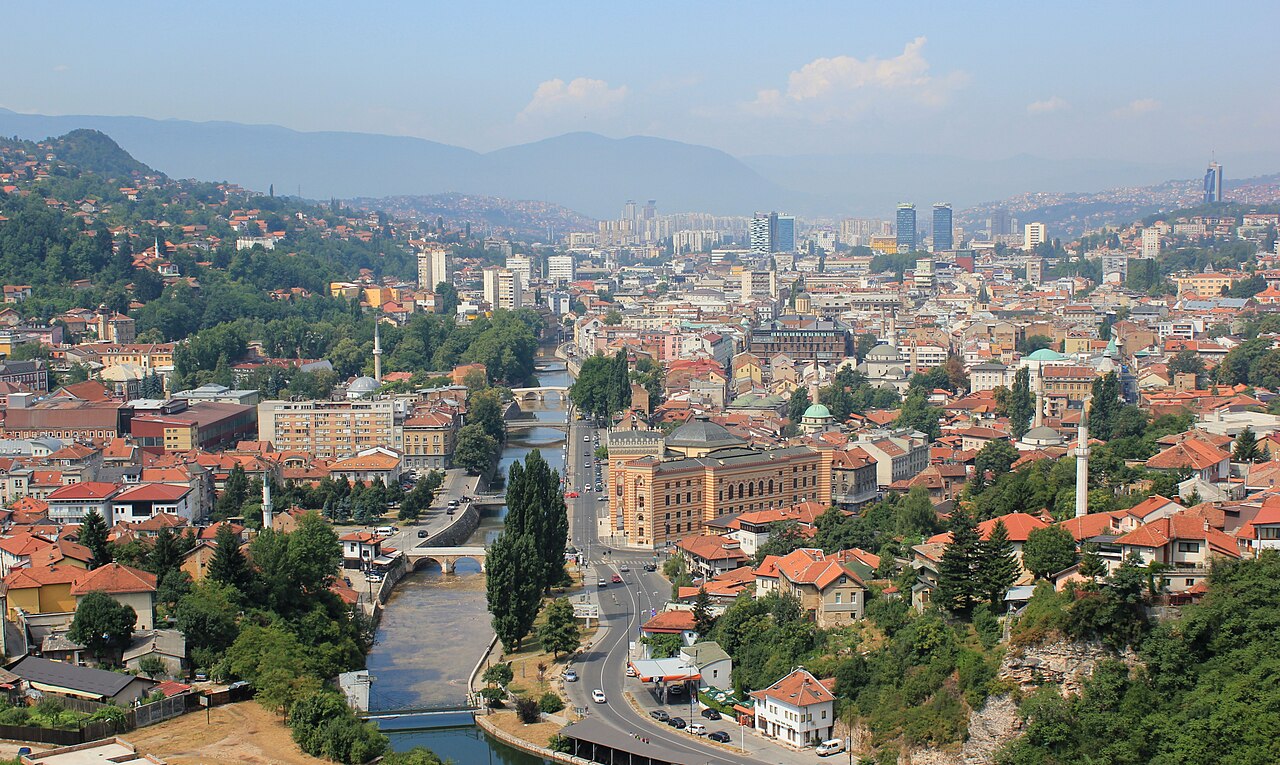
Top things to do in Sarajevo
15 places you should not miss in Sarajevo – each one is in the plan below with a time and the way there.
- SebiljThe Ottoman-style wooden fountain is the old town's meeting point. The square is still quiet in the morning.Day 1
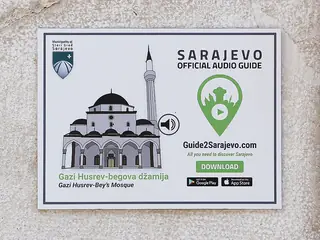 Gazi Husrev-beg MosqueThe city's most important mosque, from the 16th century, with a courtyard and fountain. You can visit outside prayer times.Day 1
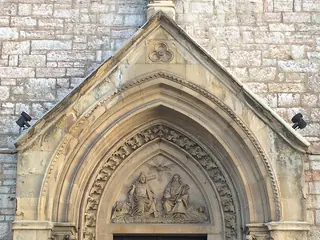 Sacred Heart CathedralA neo-Gothic cathedral from the Austro-Hungarian era, on the way along the pedestrian street Ferhadija.Day 1
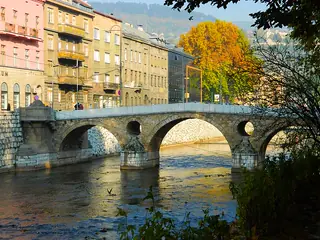 Latin BridgeA stone bridge over the Miljacka. On the corner beside it, Archduke Franz Ferdinand of Austria was shot in 1914.Day 1
- VijećnicaThe old city hall in Moorish style. It burned in 1992, along with the National and University Library it housed, and reopened in 2014.Day 1
- Yellow BastionA bastion of the old city fortifications on the slope above the old town. At sunset you see across the whole valley.Day 1
- Tunnel MuseumDuring the siege in the 1990s, the tunnel under the airport was the city's only link to the outside. A short stretch can be walked.Day 2
- National MuseumThe country's oldest museum, with finds from prehistory to the Middle Ages. It is known for the Sarajevo Haggadah.Day 2
- War Childhood MuseumObjects and memories from people who lived through the war as children. Told quietly and powerfully.Day 2
- Cable car up TrebevićThe gondola rises from Bistrik by the river up the mountain above the city. At the top the whole city lies below you.Day 2
- Bobsleigh trackThe concrete run from the 1984 Winter Olympics lies in the woods on the slope, now covered in graffiti. It is a walk from the top station.Day 2
- Old BridgeThe 16th-century Ottoman arched bridge over the Neretva. It was destroyed in 1993 and faithfully rebuilt by 2004.Day 3
- Kriva ĆuprijaA small stone bridge over a side stream, older than the Old Bridge and much quieter.Day 3
- Koski Mehmed Pasha MosqueA small mosque right on the river. From its minaret and courtyard you get the famous view of the Old Bridge.Day 3
- Karađoz Bey MosqueMostar's largest mosque, from the 16th century, a few minutes north of the old town.Day 3
Day 1
Baščaršija and the old town

Sebilj
The Ottoman-style wooden fountain is the old town's meeting point. The square is still quiet in the morning.
On the map (OpenStreetMap): Sebiljright next door
Gazi Husrev-beg Mosque
The city's most important mosque, from the 16th century, with a courtyard and fountain. You can visit outside prayer times.
On the map (OpenStreetMap): Gazi Husrev-beg Mosqueabout 5 min on foot
Sacred Heart Cathedral
A neo-Gothic cathedral from the Austro-Hungarian era, on the way along the pedestrian street Ferhadija.
On the map (OpenStreetMap): Sacred Heart Cathedralabout 5 min on foot
Ćevapi in Baščaršija
The old bazaar of coppersmiths and tea houses is the place for ćevapi in flatbread, burek and Bosnian coffee.
On the map (OpenStreetMap): Ćevapi in Baščaršijaright next door
Latin Bridge
A stone bridge over the Miljacka. On the corner beside it, Archduke Franz Ferdinand of Austria was shot in 1914.
On the map (OpenStreetMap): Latin Bridgeabout 5 min on foot
Vijećnica
The old city hall in Moorish style. It burned in 1992, along with the National and University Library it housed, and reopened in 2014.
On the map (OpenStreetMap): Vijećnicaabout 5 min on foot
Yellow Bastion
A bastion of the old city fortifications on the slope above the old town. At sunset you see across the whole valley.
On the map (OpenStreetMap): Yellow Bastion
Day 2
Tunnel Museum and Trebević

Tunnel Museum
During the siege in the 1990s, the tunnel under the airport was the city's only link to the outside. A short stretch can be walked.
On the map (OpenStreetMap): Tunnel MuseumTaxi, or tram and bus, back towards the centre, about 30–40 minutes.
National Museum
The country's oldest museum, with finds from prehistory to the Middle Ages. It is known for the Sarajevo Haggadah.
On the map (OpenStreetMap): National Museumabout 25 min on foot
Market hall
The Austro-Hungarian market hall with cheese, sausage and pastries. The streets around it have burek and pita.
On the map (OpenStreetMap): Market hallabout 10 min on foot
War Childhood Museum
Objects and memories from people who lived through the war as children. Told quietly and powerfully.
On the map (OpenStreetMap): War Childhood Museumabout 15 min on foot
Cable car up Trebević
The gondola rises from Bistrik by the river up the mountain above the city. At the top the whole city lies below you.
On the map (OpenStreetMap): Cable car up Trebevićabout 25 min on foot
Bobsleigh track
The concrete run from the 1984 Winter Olympics lies in the woods on the slope, now covered in graffiti. It is a walk from the top station.
On the map (OpenStreetMap): Bobsleigh track
Day 3
Day trip to Mostar

Old Bridge
The 16th-century Ottoman arched bridge over the Neretva. It was destroyed in 1993 and faithfully rebuilt by 2004.
On the map (OpenStreetMap): Old BridgeMostar lies outside Sarajevo: about 2 hours by train, a little longer by bus. Leave early and check the timetable first.
Kriva Ćuprija
A small stone bridge over a side stream, older than the Old Bridge and much quieter.
On the map (OpenStreetMap): Kriva Ćuprijaright next door
Kujundžiluk
The old bazaar street on the east bank, lined with shops and places to eat. Good for ćevapi or stuffed vegetables with a river view.
On the map (OpenStreetMap): Kujundžilukright next door
Koski Mehmed Pasha Mosque
A small mosque right on the river. From its minaret and courtyard you get the famous view of the Old Bridge.
On the map (OpenStreetMap): Koski Mehmed Pasha Mosqueabout 5 min on foot
Karađoz Bey Mosque
Mostar's largest mosque, from the 16th century, a few minutes north of the old town.
On the map (OpenStreetMap): Karađoz Bey Mosque
Good to know
Best time to go
May to June and September to October are ideal: pleasantly warm and good for walking. July and August are hot, and Mostar is often hotter still. Winters are cold, often with snow, and smog frequently settles in the valley.
Getting around
You can walk the old town and the centre. A tram line runs from Baščaršija west along the valley, plus buses and inexpensive taxis. From the airport, a bus or taxi takes about 20–30 minutes to the centre. Trains and buses run to Mostar.
Where to stay
Baščaršija
In the heart of the old town, close to the mosques, the bazaar and the river. Lively in the evening; some lanes climb steeply.
Centre around Ferhadija
Around the pedestrian street between the old town and the Austro-Hungarian quarter. Flat, central and close to the tram.
Ad Where to stay in Sarajevo? Compare prices: Sarajevo
Ad Flights to Sarajevo: compare live prices →
More on Sarajevo in our blog: How many days in Sarajevo? 3 with Mostar · Balkans city breaks: 9 cities compared
Your plan
Start with this plan.
Copy it into YesTrip, pick your dates and make it yours: move stops, drop them or let the AI add more. On the road the app shows you the next stop and how to get there.
Sarajevo: frequently asked questions
What are the must-see sights in Sarajevo?
The must-see sights in Sarajevo are Sebilj, Gazi Husrev-beg Mosque, Sacred Heart Cathedral, Latin Bridge, Vijećnica and Yellow Bastion. This plan links 15 of them into short walks over 3 days – with times, a map and tips.
Are 3 days enough for Sarajevo?
Yes, for the old town, the museums, Trebević and a day in Mostar. With more time, add the Spring of the Bosna near Ilidža, Jajce or the Kravica waterfalls.
How do I approach the war history respectfully?
The Tunnel Museum and the War Childhood Museum tell the experiences of many people who still live in the city. Take your time, ask before photographing people and keep quiet at memorial sites.
Is the day trip to Mostar worth it?
Yes – the Old Bridge and the old town are among the best-known sights in the country, and the train ride through the Neretva valley is scenic too.
What should I know when visiting a mosque?
Cover shoulders and knees, women wear a headscarf, and you take your shoes off before the prayer hall. Visits are usually not possible during prayer times.
Plan created with AI support – please check opening hours, prices and routes before you go. Coordinates checked with Wikipedia and OpenStreetMap (Photon). Photo: Julian Nyča, CC BY-SA 4.0, via Wikimedia Commons. More in Sources & licences. YesTrip is a trip planner, not a travel agency – nothing is booked.
More trip plans
 Montenegro · 3 days
Kotor
Photo: User:Ggia, CC BY-SA 3.0, via Wikimedia Commons
 Serbia · 3 days
Belgrade
Photo: Oliver Bunic, CC BY 4.0, via Wikimedia Commons
 Albania · 3 days
Tirana
Photo: Leeturtle, CC BY-SA 3.0, via Wikimedia Commons


