
Asia city breaks: 6 cities compared
In short
For a first city trip to Asia, Tokyo and Kyoto go well together (about 2 hours 15 minutes by Shinkansen), Seoul is the lively alternative, and Hong Kong and Singapore are compact and easy. The best time for Japan and Seoul is April and October, for Hong Kong October to December, for Bangkok November to February; Singapore is 29 to 30 °C all year.
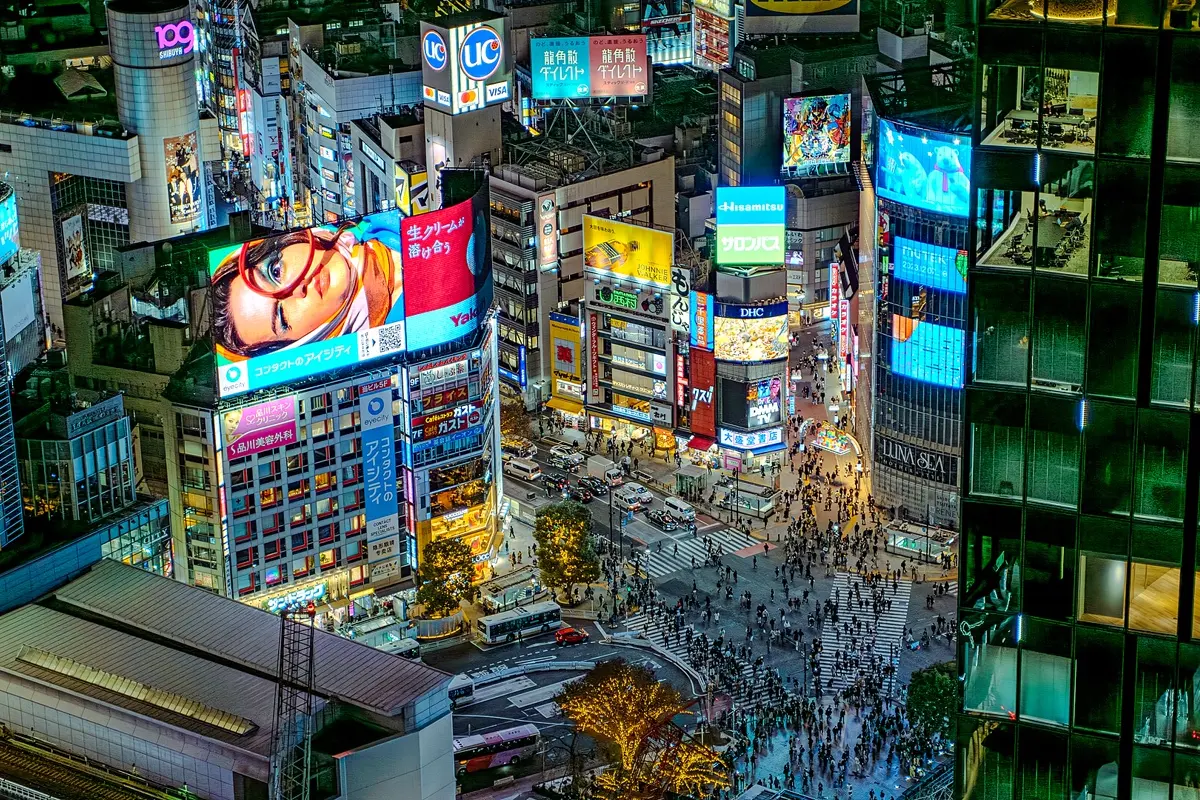
A city trip to Asia is not a weekend break: from London, direct flights take between approx. 11 hours (Bangkok) and approx. 14 hours (Tokyo), and the clock jumps seven to nine hours forward. In return you get cities unlike anything in Europe – and most of them are safe, clean and easy to explore by metro or train. Here is which of the six most popular cities suits which kind of trip, when to go, how to combine two cities sensibly and how to get through the arrival day.
The 6 cities at a glance
| City | Good for | Ideal stay | Time difference to the UK |
|---|---|---|---|
| Tokyo | big city, food, neighbourhoods with their own character | 4–5 days | +9 h (summer +8 h) |
| Kyoto | temples, gardens, traditional Japan | 3 days | +9 h (summer +8 h) |
| Seoul | palaces, markets, nightlife, pop culture | 3–4 days | +9 h (summer +8 h) |
| Hong Kong | skyline, harbour, hiking trails, dim sum | 3 days | +8 h (summer +7 h) |
| Singapore | gardens, hawker food, easy, stopover | 2–3 days | +8 h (summer +7 h) |
| Bangkok | temples, street food, river, good value | 3–4 days | +7 h (summer +6 h) |
Japan, Korea, Hong Kong, Singapore and Thailand do not change their clocks, so the difference is one hour smaller during the European summer.
Tokyo: the big city for a first trip to Asia
Tokyo is not a city with one centre but a web of neighbourhoods that each feel like a city of their own: Shibuya with its famous crossing, Shinjuku with towers and narrow bar alleys, Asakusa with the Sensō-ji temple, plus the Meiji Shrine in a forest in the middle of the city. Trains take you everywhere, signposted in English and on time. On the first evening, a pre-booked transfer* from the airport is convenient if you arrive tired with a big suitcase.
Tokyo suits you if you love food, wandering through neighbourhoods and plenty of variety. Four to five days is a good frame, one of them for a day trip, for example to Kamakura or Hakone.
 Tokyo trip planDay by day, with map and tips
Kyoto: temples and gardens
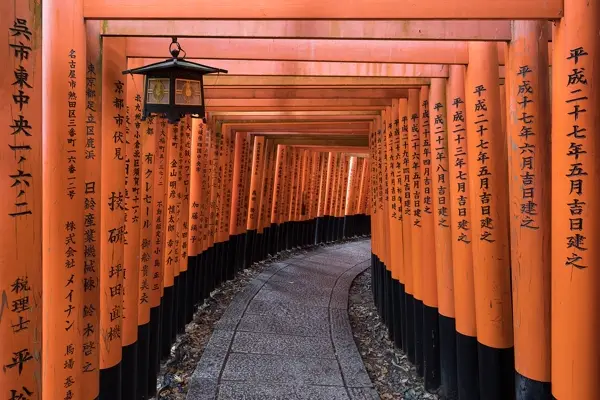
Kyoto was the capital of Japan for more than a thousand years, and it shows: many of the country's best-known temples and shrines are here. The thousands of red torii at the Fushimi Inari shrine, the Golden Pavilion Kinkaku-ji, the bamboo grove in Arashiyama and the wooden houses of the Gion district. Kyoto is calmer than Tokyo but very crowded at the most famous places – early in the morning you almost have them to yourself. Many of the excursions, such as Nara with its deer, are also available as guided tours from Kyoto* on Klook.
Kyoto has no airport of its own. You arrive by train from Tokyo or from Kansai Airport near Osaka.
 Kyoto trip planDay by day, with map and tips
Seoul: palaces, markets and late nights
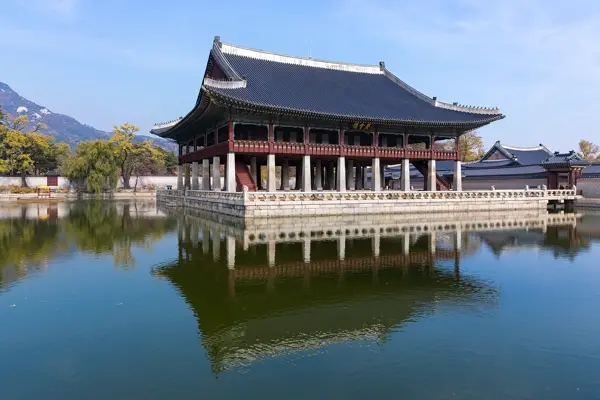
Seoul combines royal palaces such as Gyeongbokgung with high-rise districts, markets such as Gwangjang Market and a nightlife that starts late. In Bukchon, traditional hanok houses stand between the palace and the hills; in the evenings, locals meet in the parks along the Han River. If you like Korean food, music or TV series, this is your city. Seoul is bigger than Kyoto and less orderly than Tokyo – three to four days are enough for a good first impression.
 Seoul trip planDay by day, with map and tips
Hong Kong: harbour, towers and mountains
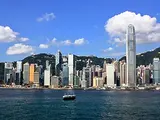
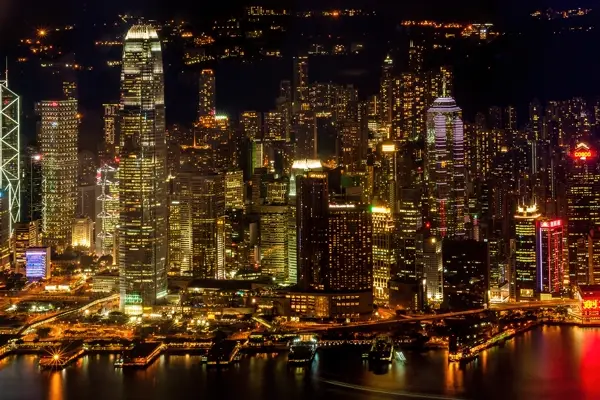
Hong Kong is built on very little space: between Hong Kong Island and the Kowloon peninsula lies Victoria Harbour, crossed for more than a hundred years by the green Star Ferries. From Victoria Peak you look out over the skyline, and only a few kilometres away hiking trails lead through green hills and along beaches. Add dim sum in the morning and night markets in Kowloon. For three days with many attractions, the Go City pass* is worth a look.
 Hong Kong trip planDay by day, with map and tips
Singapore: easy, green and warm
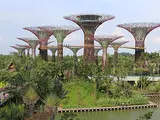
Singapore is the easiest city on the list: English is an official language, the metro is fast and everything feels organised. Gardens by the Bay with its Supertrees, Marina Bay, Chinatown and Little India are close together. People eat in hawker centres, large halls of food stalls – Singapore's hawker culture is on UNESCO's list of intangible cultural heritage. Two to three days are enough, which is why many travellers use Singapore as a stopover on the way to Bali, Thailand or Australia.
 Singapore trip planDay by day, with map and tips
Bangkok: temples, river and street food
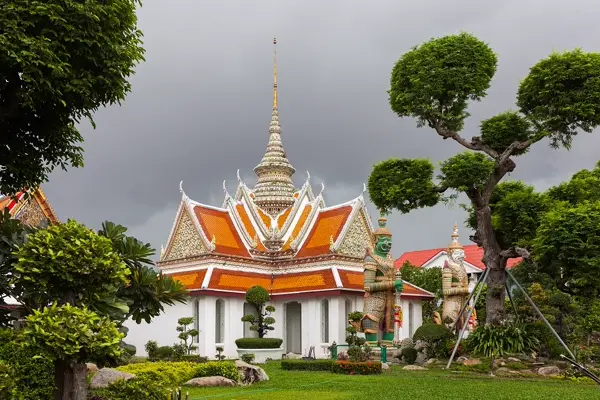
Bangkok is loud, hot and full of life. Along the Chao Phraya river lie the Grand Palace, the temple Wat Pho with its reclining Buddha and, on the opposite bank, Wat Arun. The river ferries are the nicest way to move between them. In the evening, head for the food stalls in Chinatown or one of the rooftop bars. Bangkok is the best value of the six and the best starting point for a trip around Thailand.
 Bangkok trip planDay by day, with map and tips
Best time to go: April and November compared
Weather matters more in Asia than in Europe: Japan and Korea have four distinct seasons, Hong Kong and Bangkok a rainy season, and Singapore is always warm and humid. These two months show the differences well.
| City | Day in April | Night in April | Rain in April |
|---|---|---|---|
| Tokyo | 18.3 °C | 10.4 °C | 131 mm |
| Kyoto | 18.7 °C | 8.7 °C | 165 mm |
| Seoul | 17.7 °C | 6.7 °C | 64 mm |
| Hong Kong | 24.8 °C | 20.5 °C | 165 mm |
| Singapore | 29.6 °C | 25.6 °C | 222 mm |
| Bangkok | 34.3 °C | 26.8 °C | 83 mm |
| City | Day in November | Night in November | Rain in November |
|---|---|---|---|
| Tokyo | 16.8 °C | 8.7 °C | 105 mm |
| Kyoto | 16.4 °C | 7.4 °C | 82 mm |
| Seoul | 11.0 °C | 1.8 °C | 58 mm |
| Hong Kong | 24.1 °C | 18.7 °C | 88 mm |
| Singapore | 28.8 °C | 24.9 °C | 303 mm |
| Bangkok | 31.3 °C | 23.7 °C | 71 mm |
Temperature and rain: averages 2015–2024 from the ERA5 reanalysis (via Open-Meteo), rounded. The values describe an area of about 25 km and can be slightly higher in the city centre.
What this means for each city:
- Tokyo and Kyoto: late March to May and October to late November. In spring the cherry trees blossom, in November the leaves turn in Kyoto. The rainy season starts in June, July and August are hot and humid (Kyoto averages 32.0 °C in August), and September is Tokyo's wettest month with 207 mm.
- Seoul: April to May and September to October. October averages 18.5 °C with 74 mm of rain. July is the wettest month with 313 mm, and winter is cold: in January the night low averages −7.0 °C.
- Hong Kong: October to December, and with some compromises until March. December averages only 27 mm of rain. May to September is wet (up to 391 mm in August), and typhoons occur in summer and early autumn.
- Singapore: all year, with daytime highs of 28.6 to 29.8 °C. February is the driest month with 99 mm, November the wettest with 303 mm. Rain usually comes as a short, heavy shower in the afternoon.
- Bangkok: November to February. December averages 19 mm of rain, 31.0 °C by day and 22.0 °C at night. April is the hottest month at 34.3 °C, the rainy season runs from May to October, and September is the wettest (292 mm).
If you combine two cities, the overlap is often October and November: Japan and Seoul are pleasantly cool, Hong Kong is dry and Bangkok's rainy season is ending.
Combining two cities
For a trip of ten days or more, a second city is worth it. These combinations work well:
| Combination | Connection | Travel time | Good length |
|---|---|---|---|
| Tokyo + Kyoto | Shinkansen Nozomi | about 2 h 15 min | 7–9 days |
| Tokyo + Seoul | flight | approx. 2.5 h | 8–10 days |
| Hong Kong + Singapore | flight | approx. 4 h | 6–7 days |
| Singapore + Bangkok | flight | approx. 2.5 h | 6–8 days |
| Hong Kong + Bangkok | flight | approx. 3 h | 7–8 days |
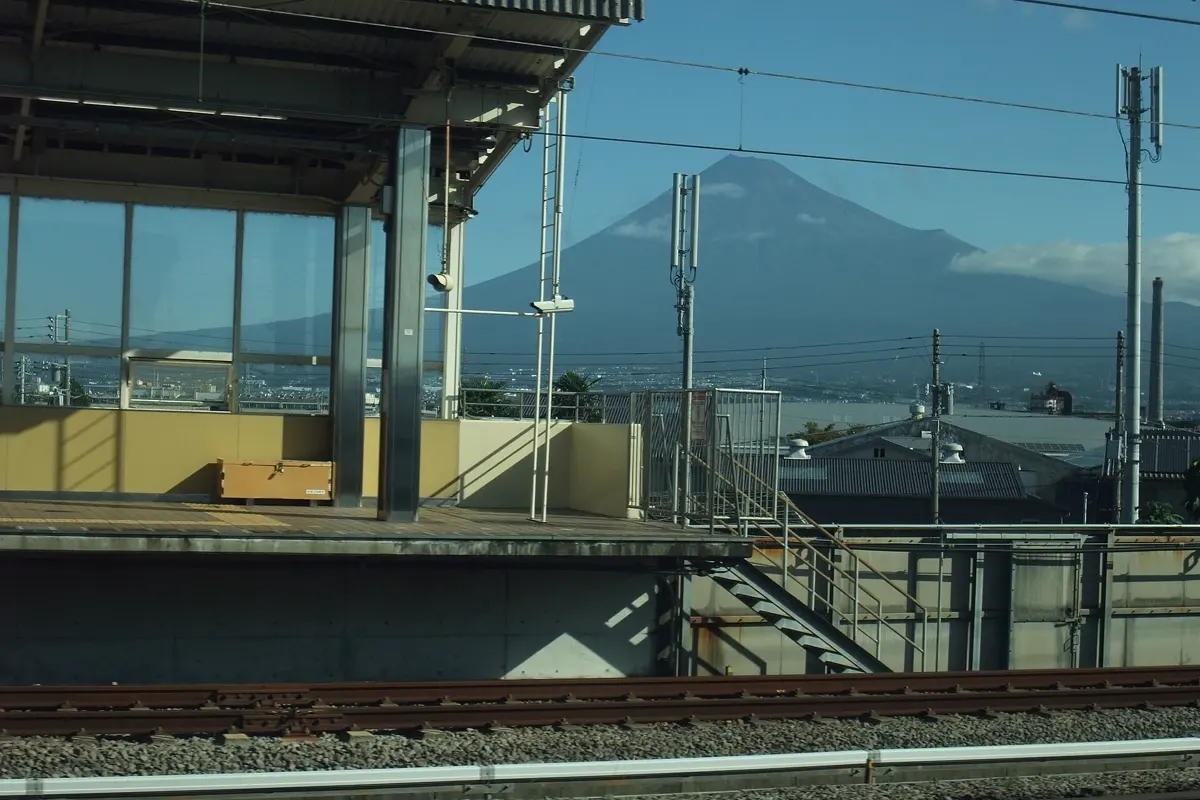
Tokyo and Kyoto are the classic pair: the Shinkansen links both cities directly and runs very often, and on a clear day you see Mount Fuji on the way. The best option is an open-jaw ticket: fly into Tokyo and home from Osaka (Kansai Airport). That way you only cross the country once, with Nara and Osaka on the way. If you have longer, our two-week Japan itinerary covers the full route with Hakone and Hiroshima.
Base map: Natural Earth
Hong Kong and Singapore are two compact but very different harbour cities: Hong Kong steep and dense, Singapore flat and green. Each needs only two to three days, and together they make a good week. Singapore and Bangkok go together if you want a beach after the city – from Bangkok you continue to the islands.
For every combination, check that both cities have good weather in your travel period, and check the official entry rules for your passport for each country – they differ from country to country.
Jet lag and the arrival day
Flying east is harder on the body than flying west, because the day gets shorter. Most flights from Europe land in Asia in the morning, so your first day begins after a short night on the plane. How to arrive well:
- Plan little for the arrival day. Drop your luggage at the hotel, walk through a quiet neighbourhood, have an early dinner. The big sights start on day two.
- Daylight in the morning. Morning light helps your body clock shift forward the most. Stay outside rather than waiting in the hotel.
- Nap briefly, not long. If you must, take a nap of 20 to 30 minutes at most, then stay awake until the evening.
- Switch on the plane. Set your watch to local time when you board, drink plenty of water and little alcohol.
- Sort out the room in advance. Rooms are often not ready until the afternoon. Ask for an early check-in, or book the first night from the evening before if you want to sleep straight away.
A widely quoted rule of thumb says the body adjusts by about one time zone per day. With a difference of seven to nine hours, you are fully there after about a week. That is why a trip to Asia only really makes sense from about a week, and the demanding days do not belong at the start.
How YesTrip helps you plan
Enter your cities and travel dates in YesTrip and the AI creates a day-by-day plan that fits your pace – with a quiet arrival day if you like. You see all places on the map, the weather for your travel days and a packing list with hints on clothing and plugs. You can save the map offline in case you have no data at first. For Tokyo, Kyoto, Seoul, Hong Kong, Singapore and Bangkok there are ready-made city plans you can use straight away.
* Ad – Partner link: if you book there, we earn a commission. Your price stays the same.
Free
Plan your trip in 30 seconds.
Tell YesTrip where and when – the app plans day by day with real places on the map, shows the weather, splits costs with your travel companions and guides you to the next stop on the go.
Frequently asked questions
Which Asian city is best for a first trip?
For most people Tokyo or Singapore. Both are safe, clean and well signposted, and English is an official language in Singapore. Tokyo offers more variety and combines well with Kyoto; Singapore needs only two to three days, for example as a stopover.
When is the best time for a city trip to Asia?
For Tokyo, Kyoto and Seoul, April and October to November; for Hong Kong, October to December; for Bangkok, November to February. Singapore is 29 to 30 °C all year, and February is its driest month with 99 mm of rain.
How long does it take from Tokyo to Kyoto?
About 2 hours 15 minutes on the Shinkansen Nozomi. Trains run very frequently all day; driving is not worth it.
How many days do you need for a city trip to Asia?
Because of the long flights and jet lag, at least seven to eight days. Three to five days are enough for one city; for two cities such as Tokyo and Kyoto, seven to nine days are ideal.
How bad is the jet lag on a trip to Asia?
Noticeable: the time difference to the UK is seven to nine hours, and flying east is harder on the body. Plan a calm arrival day, get daylight in the morning and stay awake until the evening.
Sources
- Open-Meteo Historical Weather API, daily values 2015–2024 – open-meteo.com
- Copernicus ERA5 reanalysis (Hersbach et al. 2020) – cds.climate.copernicus.eu
- Tokaido Shinkansen Tokyo–Kyoto: Central Japan Railway Company – global.jr-central.co.jp
- Hawker culture in Singapore: UNESCO list of intangible cultural heritage – ich.unesco.org
- Jet lag: advice from the NHS – www.nhs.uk
- Tropical cyclones in Hong Kong: Hong Kong Observatory – www.hko.gov.hk
Researched with AI support and checked by our editors. Prices, opening hours and weather can change – please check before you go. YesTrip is not a travel agency. Published: .
More articles
 City breaks & rail
Alpine city breaks: 6 cities compared
For mountains right by the city, Innsbruck and Lucerne are the first choice; for old town and music Salzburg; for a lakeside city with … · 11 min read City breaks & rail
Balkans city breaks: 9 cities compared
For sea and old towns, Split, Dubrovnik and Kotor are the first choice; for big-city life and nightlife Belgrade and Bucharest; for history … · 11 min read City breaks & rail
Scandinavia city breaks: 8 cities compared
For a classic Nordic city break, Copenhagen and Stockholm are the first choice; for nature on the doorstep Oslo and Helsinki; for a medieval … · 10 min read


