
Bulgaria · 3 days · 17 stops
3 days in Sofia – a ready-made itinerary
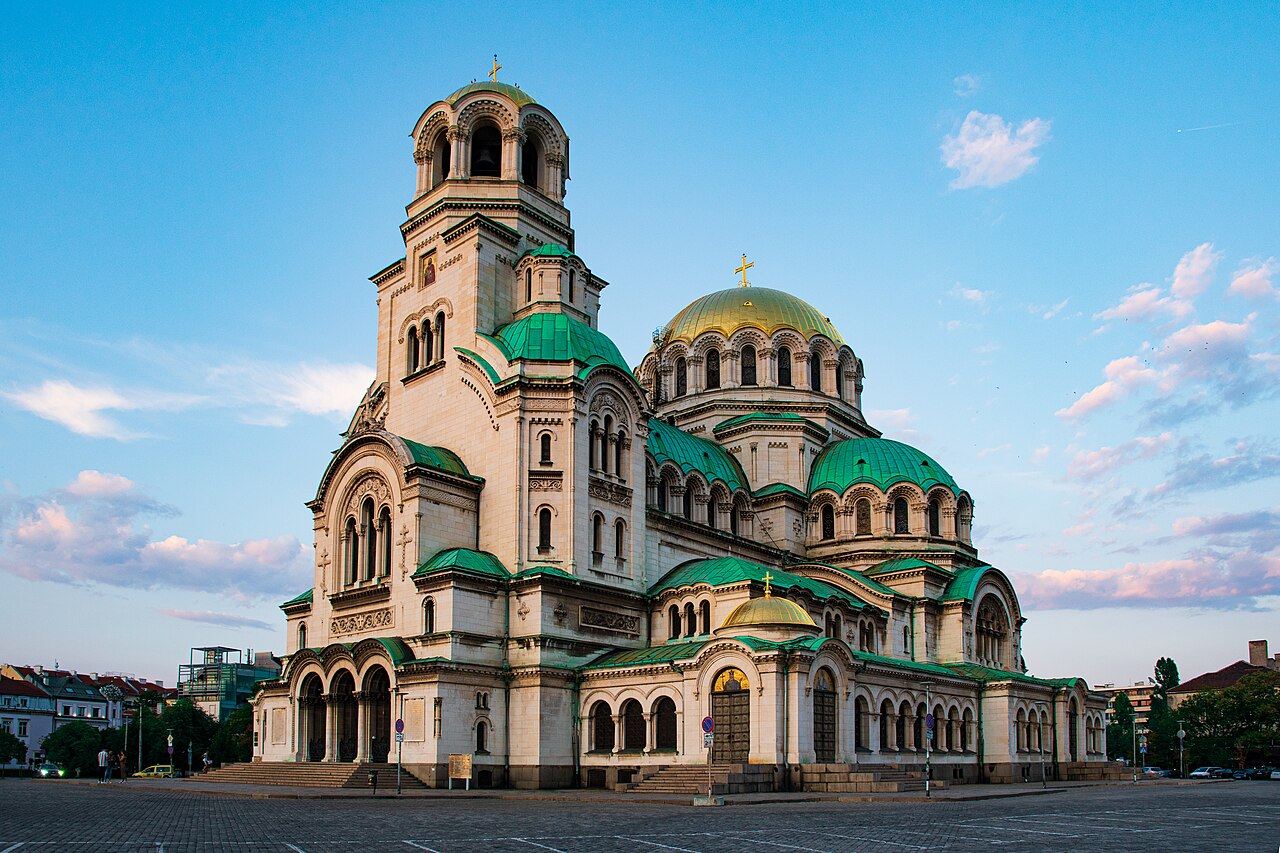
In Sofia a Roman rotunda, an Ottoman-era mosque, a synagogue and Orthodox churches stand only minutes apart. The plan gives the compact centre two days and heads out on the third to Boyana Church and up Vitosha.
In short
- Length
- 3 days, 17 stops
- Highlights
- Alexander Nevsky Cathedral, National Archaeological Museum, Boyana Church, Saint Sophia Church, Russian Church
- Where to stay
- Centre around Vitosha Boulevard, Oborishte
- Getting around
- Explore the centre with the cathedral, the rotunda and the market hall on foot.
- Best time to go
- May, June and September are the most pleasant – warm but not hot.
Free, sign in with an email code. In the app you only pick your start date and adjust the plan.
Plan created with AI support – please check opening hours, prices and routes before you go. YesTrip editorial team · Updated: .
Top things to do in Sofia
14 places you should not miss in Sofia – each one is in the plan below with a time and the way there.
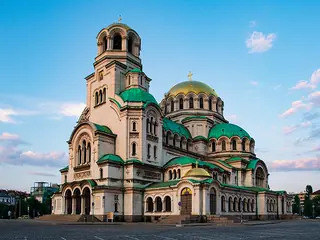 Alexander Nevsky CathedralThe great gold-domed cathedral honours the Russian soldiers of the 1877–78 war. The crypt holds a museum of icons.Day 1
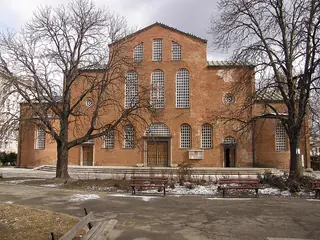 Saint Sophia ChurchThis early Christian brick church gave the city its name. Beneath it lie the remains of an old burial ground.Day 1
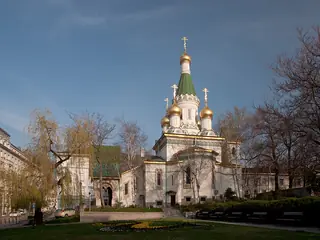 Russian ChurchA small church with green roofs and golden onion domes, right by the park on Tsar Osvoboditel Boulevard.Day 1
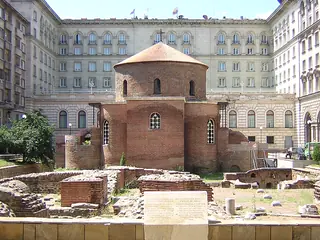 Rotunda of St GeorgeThe 4th-century Roman rotunda is considered the oldest surviving building in the city. It sits tucked away in a courtyard.Day 1
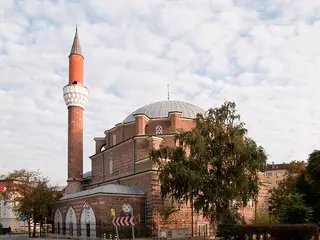 Banya Bashi MosqueAn Ottoman mosque from the 16th century. Next door, locals fill bottles with warm mineral water at the public fountains.Day 1
- Sofia SynagogueOne of the largest Sephardic synagogues in Europe, opened in 1909, with a huge chandelier beneath the dome.Day 1
- National Archaeological MuseumHoused in a former Ottoman mosque: finds from Thracian, Greek and Roman times.Day 2
- Vitosha BoulevardThe pedestrian street with cafés and shops. At its far end you can already see tomorrow's mountain.Day 2
- National Palace of CultureThe massive 1981 congress centre, with fountains and gardens in front – a popular meeting point.Day 2
- Borisova GradinaThe oldest and largest park in the city, with old trees, ponds and long paths for the evening.Day 2
- Boyana ChurchA small church at the foot of the mountain, a UNESCO World Heritage Site with frescoes from 1259. Only small groups are let in at a time.Day 3
- National Historical MuseumBulgaria's history from the Thracians to the 20th century, with gold jewellery and icons, in a former government residence.Day 3
- Cherni VrahThe highest peak of Vitosha at 2,290 metres. The path from Aleko takes about two hours, and from the top you look out over all of Sofia.Day 3
- Vitosha Nature ParkBack at Aleko: meadows, boulders and forest right above the city, a ski area in winter. Then back down by bus or taxi.Day 3
Day 1
Churches, the rotunda and the market hall

Alexander Nevsky Cathedral
The great gold-domed cathedral honours the Russian soldiers of the 1877–78 war. The crypt holds a museum of icons.
On the map (OpenStreetMap): Alexander Nevsky Cathedralright next door
Saint Sophia Church
This early Christian brick church gave the city its name. Beneath it lie the remains of an old burial ground.
On the map (OpenStreetMap): Saint Sophia Churchabout 5 min on foot
Russian Church
A small church with green roofs and golden onion domes, right by the park on Tsar Osvoboditel Boulevard.
On the map (OpenStreetMap): Russian Churchabout 10 min on foot
Rotunda of St George
The 4th-century Roman rotunda is considered the oldest surviving building in the city. It sits tucked away in a courtyard.
On the map (OpenStreetMap): Rotunda of St Georgeabout 5 min on foot
Central Market Hall
The 1911 market hall, with stalls for cheese, pastries and simple lunches. Try banitsa, filo pastry with sheep's cheese.
On the map (OpenStreetMap): Central Market Hallright next door
Banya Bashi Mosque
An Ottoman mosque from the 16th century. Next door, locals fill bottles with warm mineral water at the public fountains.
On the map (OpenStreetMap): Banya Bashi Mosqueright next door
Sofia Synagogue
One of the largest Sephardic synagogues in Europe, opened in 1909, with a huge chandelier beneath the dome.
On the map (OpenStreetMap): Sofia Synagogue
Day 2
Museum, market and Vitosha Boulevard

National Archaeological Museum
Housed in a former Ottoman mosque: finds from Thracian, Greek and Roman times.
On the map (OpenStreetMap): National Archaeological Museumabout 10 min on foot
Women's Market
The city's big street market, with fruit, vegetables, herbs and snack stalls. Colourful, noisy and not very touristy.
On the map (OpenStreetMap): Women's MarketOn foot or by metro back to Vitosha Boulevard, about 20 min.
Vitosha Boulevard
The pedestrian street with cafés and shops. At its far end you can already see tomorrow's mountain.
On the map (OpenStreetMap): Vitosha Boulevardabout 20 min on foot
National Palace of Culture
The massive 1981 congress centre, with fountains and gardens in front – a popular meeting point.
On the map (OpenStreetMap): National Palace of Cultureabout 25 min on foot
Borisova Gradina
The oldest and largest park in the city, with old trees, ponds and long paths for the evening.
On the map (OpenStreetMap): Borisova Gradina
Day 3
Boyana and Vitosha
This day leaves the centre for the southern edge of the city and Vitosha. Boyana is about 30 min by bus or taxi, and Aleko higher up is reached by bus or taxi too. It is much cooler on the mountain, so bring sturdy shoes and a jacket.

Boyana Church
A small church at the foot of the mountain, a UNESCO World Heritage Site with frescoes from 1259. Only small groups are let in at a time.
On the map (OpenStreetMap): Boyana Churchabout 15 min on foot
National Historical Museum
Bulgaria's history from the Thracians to the 20th century, with gold jewellery and icons, in a former government residence.
On the map (OpenStreetMap): National Historical MuseumBy bus or taxi up to Aleko, about 40 min.
Mountain huts at Aleko
At around 1,800 metres, simple huts serve hot food before you head higher.
On the map (OpenStreetMap): Mountain huts at Alekoabout 2.6 km as the crow flies – by bus, train or taxi
Cherni Vrah
The highest peak of Vitosha at 2,290 metres. The path from Aleko takes about two hours, and from the top you look out over all of Sofia.
On the map (OpenStreetMap): Cherni Vrahabout 3.0 km as the crow flies – by bus, train or taxi
Vitosha Nature Park
Back at Aleko: meadows, boulders and forest right above the city, a ski area in winter. Then back down by bus or taxi.
On the map (OpenStreetMap): Vitosha Nature Park
Good to know
Best time to go
May, June and September are the most pleasant – warm but not hot. In high summer the city can get hot, and Vitosha is a cool escape. In winter there is often snow on the mountain, and people ski there.
Getting around
Explore the centre with the cathedral, the rotunda and the market hall on foot. For longer trips there are metro, tram and bus lines, and the metro also runs from the airport to the centre. Boyana Church and Vitosha are reached by bus or taxi. Street names and stops are often signed in Cyrillic only, so a map app helps.
Where to stay
Centre around Vitosha Boulevard
Between the cathedral, the market hall and the Palace of Culture, with most sights within walking distance. Lively in the evening.
Oborishte
A quiet residential district east of Alexander Nevsky Cathedral, with small cafés and close to Borisova Gradina.
Ad Where to stay in Sofia? Compare prices: Sofia
Ad Flights to Sofia: compare live prices →
More on Sofia in our blog: How many days in Sofia? Plans for 1–4 days
Your plan
Start with this plan.
Copy it into YesTrip, pick your dates and make it yours: move stops, drop them or let the AI add more. On the road the app shows you the next stop and how to get there.
Sofia: frequently asked questions
What are the must-see sights in Sofia?
The must-see sights in Sofia are Alexander Nevsky Cathedral, Saint Sophia Church, Russian Church, Rotunda of St George, Banya Bashi Mosque and Sofia Synagogue. This plan links 14 of them into short walks over 3 days – with times, a map and tips.
Are 3 days enough for Sofia?
Yes. The centre is compact and easy to see in two days, and the third day is enough for Boyana and Vitosha. With more time, a day trip to Rila Monastery is worth it.
Is Rila Monastery worth a day trip?
Yes, it is Bulgaria's best-known monastery and a UNESCO World Heritage Site. It lies in the mountains south of the city, about two hours each way, so it takes a full day.
Do I need to read Cyrillic?
No, but knowing a few letters helps. In the centre many signs are also in Latin script; on buses and in the countryside often not.
What does nodding mean in Bulgaria?
Traditionally, a nod means no and a shake of the head means yes. If in doubt, just ask.
Plan created with AI support – please check opening hours, prices and routes before you go. Coordinates checked with Wikipedia and OpenStreetMap (Photon). Photo: Jose Ligero Loarte, CC BY-SA 4.0, via Wikimedia Commons. More in Sources & licences. YesTrip is a trip planner, not a travel agency – nothing is booked.
More trip plans
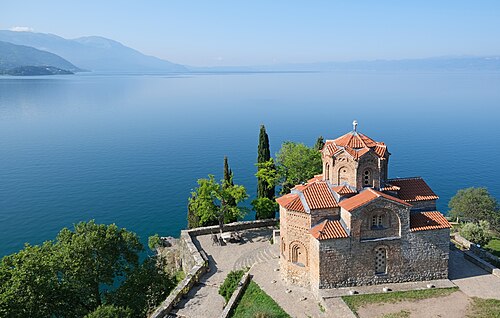 North Macedonia · 3 days
Ohrid
Photo: kallerna, CC BY-SA 4.0, via Wikimedia Commons
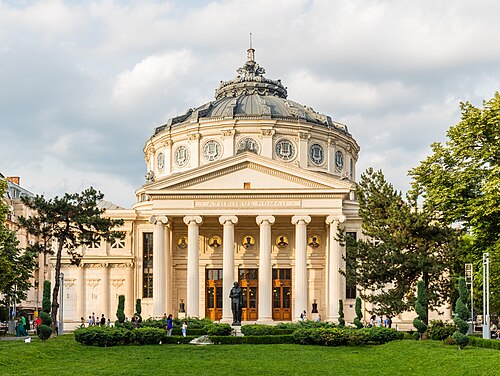 Romania · 3 days
Bucharest
Photo: Diego Delso, CC BY-SA 4.0, via Wikimedia Commons
 Albania · 3 days
Tirana
Photo: Leeturtle, CC BY-SA 3.0, via Wikimedia Commons


