
Best time to visit Austria: month by month
In short
For Vienna and the cities, May, June and September are the best months, at 20 to 26 °C by day. For hiking in the Alps and the lakes, June to September is ideal; the Grossglockner High Alpine Road is open from early May to early November. Winter, from December to March, is ski season and the time of the Christmas markets, with days around 4 to 7 °C in the cities.
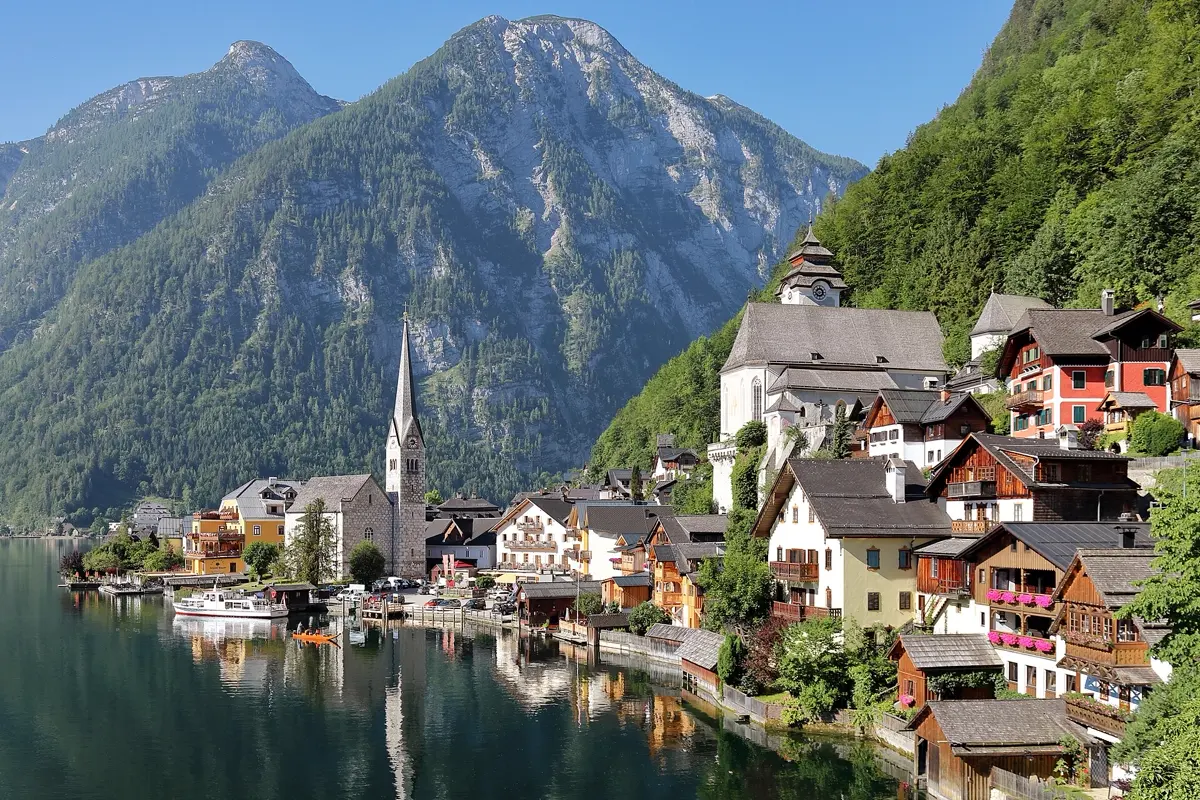
The best time to visit Austria depends on what you plan: for Vienna, Salzburg and the other cities, May, June and September are the most pleasant months, warm but not hot. For hiking in the Alps, mountain roads and swimming in the lakes, June to September is the season. Winter, from December to March, belongs to skiing in Tyrol and Salzburg province and to the Christmas markets. The east around Vienna is drier and warmer in summer; the north side of the Alps around Salzburg gets much more rain. We analysed the weather from 2015 to 2024 at three places: Vienna, Salzburg and Innsbruck.
The short answer
- City break in Vienna: May, June and September, at 20 to 26 °C by day. July and August average 27 to 28 °C, with hot days in between.
- Hiking and the Alps: June to September. The Grossglockner High Alpine Road is open from early May to early November.
- Lakes and swimming: July and August, the warmest months in the Salzkammergut and Carinthia.
- Skiing: December to March, in high resorts longer.
- Christmas markets: from late November to Christmas; Vienna is then at 5 to 9 °C by day.
Austria's climate: all 12 months
| Month | Vienna day | Vienna night | Vienna rain | Salzburg day | Salzburg rain | Innsbruck day | Innsbruck night |
|---|---|---|---|---|---|---|---|
| January | 4.2 °C | -1.8 °C | 41 mm | 4.8 °C | 123 mm | 5.2 °C | -3.8 °C |
| February | 7.8 °C | 0.3 °C | 36 mm | 7.9 °C | 94 mm | 8.0 °C | -1.6 °C |
| March | 11.3 °C | 1.8 °C | 32 mm | 11.0 °C | 92 mm | 11.1 °C | 1.2 °C |
| April | 15.8 °C | 5.6 °C | 50 mm | 14.9 °C | 109 mm | 14.8 °C | 4.0 °C |
| May | 19.7 °C | 10.4 °C | 78 mm | 18.3 °C | 182 mm | 18.6 °C | 8.4 °C |
| June | 25.5 °C | 15.3 °C | 69 mm | 23.4 °C | 146 mm | 24.2 °C | 13.1 °C |
| July | 27.5 °C | 17.2 °C | 60 mm | 24.7 °C | 156 mm | 25.4 °C | 14.8 °C |
| August | 27.2 °C | 17.1 °C | 61 mm | 24.6 °C | 170 mm | 25.3 °C | 14.6 °C |
| September | 21.7 °C | 12.5 °C | 84 mm | 19.9 °C | 147 mm | 21.0 °C | 10.8 °C |
| October | 15.9 °C | 8.0 °C | 56 mm | 16.2 °C | 109 mm | 17.0 °C | 7.0 °C |
| November | 9.4 °C | 3.1 °C | 44 mm | 9.8 °C | 97 mm | 10.8 °C | 1.5 °C |
| December | 5.5 °C | -0.2 °C | 46 mm | 6.3 °C | 106 mm | 7.0 °C | -1.8 °C |
Temperature and rain: monthly averages 2015–2024 from the ERA5 reanalysis (via Open-Meteo), rounded. A grid cell is about 25 km wide, so the values are a regional average rather than a single weather station. For Salzburg and Innsbruck the cell includes surrounding mountains, so treat the rain figures as a rough guide; the towns in the valleys usually get less. In the Alps the temperature falls quickly with altitude: on the peaks above Innsbruck it is much colder than in the table. For official measurements, see GeoSphere Austria, the national weather service.
Vienna has warm summers and cold winters: July and August average 27 to 28 °C by day, January only 4 °C, with nights around freezing.
Salzburg lies on the north side of the Alps, where moist air is pushed up against the mountains. In the model data it gets 146 to 182 mm a month from May to August, far more than Vienna with 60 to 78 mm. Pack an umbrella for Salzburg even in summer.
Austria month by month
May and June: early summer
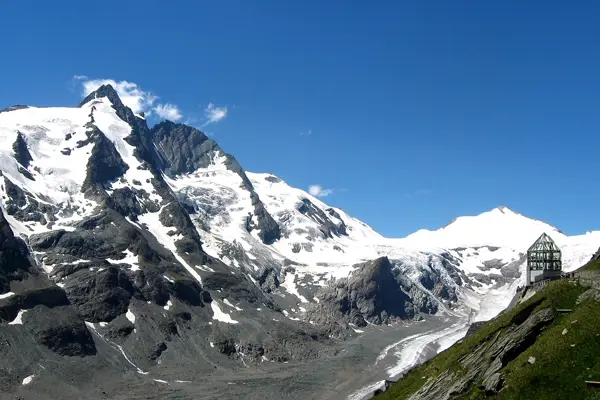
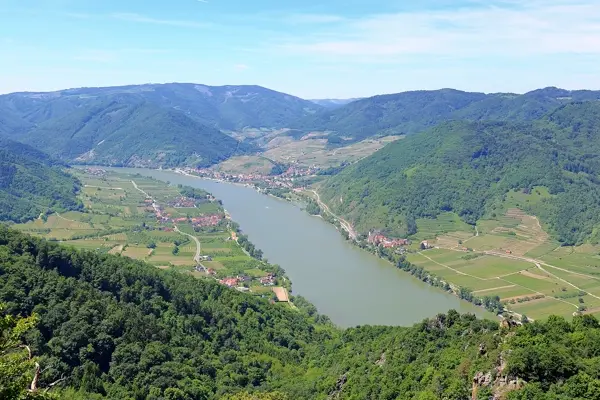
A very good time for cities and the countryside. Vienna is at 20 to 26 °C by day, the gardens and the parks along the Danube are green, and in the Wachau the vineyards line the river. In the mountains, the high trails are often still under snow in May and early June, but the valleys and lakes are pleasant. The Grossglockner High Alpine Road, the famous pass road in the Hohe Tauern, opens at the start of May, according to its operator; the date depends on the snow.
July and August: high summer
The main season for hiking, the alpine lakes of the Salzkammergut and Carinthia, and the summer festivals, including the Salzburg Festival. Vienna averages 27 to 28 °C, with occasional hot days, so plan sightseeing for the morning. In the Alps it is pleasantly warm in the valleys at around 25 °C, but afternoon thunderstorms are common, so start mountain tours early. These are also Austria's school holidays, so popular places like Hallstatt are busy.
September and October: autumn
September is one of the best months: Vienna is still warm at 22 °C, the mountains are often clear and quieter, and in the wine regions it is harvest time, the season of the Heuriger wine taverns. In October the larches turn golden in the mountains. The Grossglockner High Alpine Road closes at the start of November.
November to March: winter
Christmas market season starts in late November, in Vienna, Salzburg and Innsbruck alike; Vienna is at 5 to 9 °C by day in November and December. From December, the ski season begins in Tyrol, Salzburg province and Vorarlberg, and it runs into March or April in high resorts. Vienna in January and February is cold and quiet, a good time for museums, concerts and coffee houses. The UK travel advice notes that avalanches are a risk in some areas, and that off-piste skiing is very dangerous; check weather and avalanche conditions before you set out.
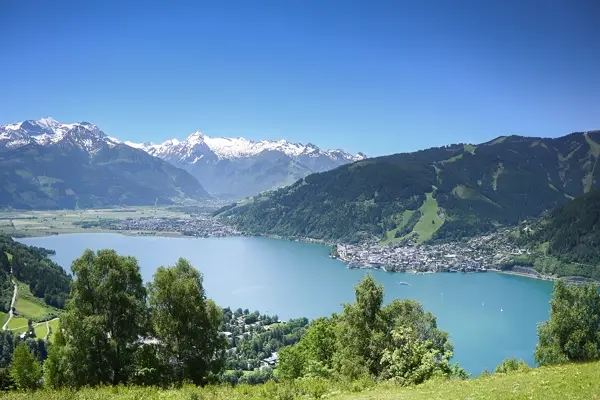
Cities, lakes and mountains
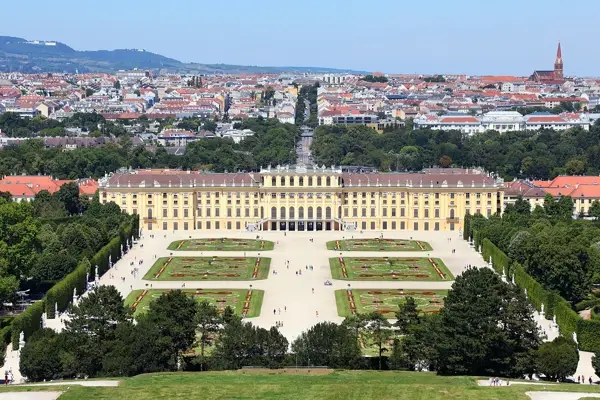
Austria's trains link the main cities quickly: Vienna to Salzburg and on to Innsbruck runs along one main line. A first trip of a week often combines a few days in Vienna with Salzburg and a day trip to Hallstatt in the Salzkammergut; in summer, add Innsbruck and the Tyrolean Alps. More on the cities: how many days in Vienna, day trips from Vienna and how many days in Salzburg. In December, see our guide to the Vienna Christmas markets; for a city break combined with the mountains, our alpine city breaks. Between cities, the train* is the easiest choice; for the Grossglockner road and remote valleys, a hire car* is more flexible.
How YesTrip helps with this trip
In YesTrip you plan Vienna, Salzburg, Hallstatt and Innsbruck day by day on one map, with the train journeys in between. The forecast for your travel days shows a rainy day in Salzburg or a thunderstorm in the mountains in good time, and the packing list adds rain gear, warm layers for the mountains and, in winter, clothes for the Christmas markets. Travelling with friends, you share the trip and split costs like train tickets, concerts and hotels; the map of your places also works offline, which helps on hiking trails.
Before you go
- Entry: Austria is part of the Schengen area. Check the current entry rules for British citizens on gov.uk before you travel.
- Time: Austria is 1 hour ahead of the UK.
- Power: 230 volts, sockets type F (Schuko), so bring an adapter.
- Mobile data: a travel eSIM* is usually cheaper than roaming; our eSIM price index compares the prices per gigabyte.
More destinations by month: Best time to visit: where to go when.
* Ad – Partner link: if you book there, we earn a commission. Your price stays the same.
Free
Plan your trip in 30 seconds.
Tell YesTrip where and when – the app plans day by day with real places on the map, shows the weather, splits costs with your travel companions and guides you to the next stop on the go.
Frequently asked questions
What is the best month to visit Austria?
For the cities, May, June or September, when Vienna is at 20 to 26 °C by day. For hiking in the Alps, July to September. For skiing, January to March.
When is the best time to visit Vienna?
In late spring and early autumn: May averages 20 °C by day, June 26 °C and September 22 °C. July and August are hotter, at 27 to 28 °C. In December the Christmas markets draw many visitors, at 5 to 6 °C by day.
When is the Grossglockner High Alpine Road open?
According to the operator, from the start of May until the start of November. In winter the road is closed because of snow; the exact opening date depends on the snow conditions.
When is ski season in Austria?
From about December to March, and into April in high resorts and on the glaciers. The busiest weeks are Christmas, New Year and the school holidays in February.
Does it rain a lot in Salzburg?
Yes, more than in most of Austria. In the model data, Salzburg gets 146 to 182 mm a month from May to August, against 60 to 78 mm in Vienna. Showers and thunderstorms are common in summer.
Sources
- Climate data: Open-Meteo Historical Weather API (ERA5), average 2015–2024 – open-meteo.com
- Copernicus ERA5 reanalysis (Hersbach et al. 2020) – cds.climate.copernicus.eu
- Weather and climate in Austria: GeoSphere Austria – www.geosphere.at
- Opening season of the Grossglockner High Alpine Road: Grossglockner Hochalpenstraßen AG – www.grossglockner.at
- Avalanches and off-piste skiing: UK Foreign Travel Advice for Austria – www.gov.uk
- Entry requirements for Austria: UK Foreign Travel Advice – www.gov.uk
Researched with AI support and checked by our editors. Prices, opening hours and weather can change – please check before you go. YesTrip is not a travel agency. Published: .
More best-time guides
 When to go
Best time to visit Oman: Muscat and Salalah
The best time to visit Oman is November to March: Muscat sees 24 to 29 °C by day and Nizwa 25 to 31 °C, with cool desert nights. From May to … · 7 min read When to go
Best time to visit Paris, month by month
The best time to visit Paris is May, June and September, with average daytime highs of 19 to 23 °C and long, light evenings. July and August … · 6 min read When to go
Best time to visit Peru: Machu Picchu and Cusco
The best time to visit Peru's Andes, with Cusco and Machu Picchu, is May to September: Cusco then gets only 8 to 35 mm of rain a month, … · 7 min read
All destinations: best time to visit and warm places by month


