
Best time to visit Peru: Machu Picchu and Cusco
In short
The best time to visit Peru's Andes, with Cusco and Machu Picchu, is May to September: Cusco then gets only 8 to 35 mm of rain a month, against around 200 mm in December to February. The Inca Trail closes every February for maintenance. Lima on the coast is almost rainless all year but grey and cool from June to October at 19 to 20 °C by day.
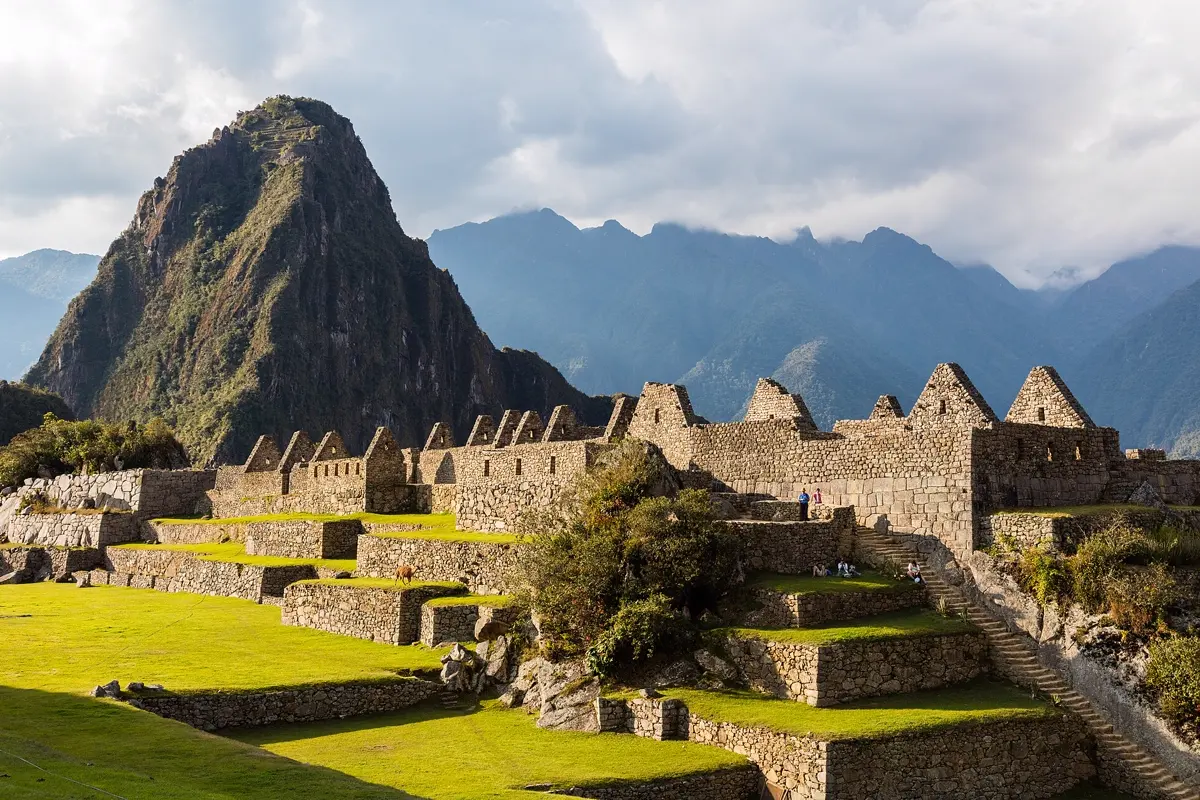
Peru has three very different climate zones: the desert coast with Lima, the Andes with Cusco and Machu Picchu, and the Amazon lowlands in the east. For most travellers the Andes decide the timing. There the year is split into a dry season from about May to September and a rainy season from about November to March or April. According to the UK travel advice, the rainy season in Peru runs from November to May and can bring heavy rain and snow to the Andes and Cusco. Lima follows a completely different pattern: it hardly ever rains, but in the southern winter a grey sea fog covers the city for months. We analysed the weather from 2015 to 2024 at three places.
The short answer
- Best time for Cusco and Machu Picchu: May to September. Dry, sunny days, cold nights.
- Peak season: June to August, the driest months with the most visitors.
- Rainy season: December to March, with around 200 mm a month in Cusco and up to 328 mm at Machu Picchu. The Inca Trail is closed in February.
- Lima: sunny and warm from December to April (24 to 25 °C), grey and cool from June to October.
Peru's climate: all 12 months
| Month | Lima day | Lima night | Lima rain | Cusco day | Cusco night | Cusco rain | Machu Picchu rain |
|---|---|---|---|---|---|---|---|
| January | 24.3 °C | 19.8 °C | 13 mm | 16.4 °C | 7.9 °C | 217 mm | 328 mm |
| February | 25.4 °C | 20.9 °C | 16 mm | 16.3 °C | 8.3 °C | 203 mm | 279 mm |
| March | 25.1 °C | 20.6 °C | 21 mm | 16.3 °C | 7.9 °C | 155 mm | 272 mm |
| April | 23.5 °C | 19.0 °C | 4 mm | 16.5 °C | 7.0 °C | 77 mm | 180 mm |
| May | 21.4 °C | 17.0 °C | 1 mm | 16.6 °C | 6.0 °C | 33 mm | 77 mm |
| June | 19.8 °C | 15.3 °C | 1 mm | 16.9 °C | 4.9 °C | 8 mm | 50 mm |
| July | 19.1 °C | 14.4 °C | 0 mm | 17.5 °C | 4.5 °C | 10 mm | 48 mm |
| August | 18.6 °C | 14.1 °C | 1 mm | 18.0 °C | 5.3 °C | 21 mm | 71 mm |
| September | 19.0 °C | 14.4 °C | 1 mm | 18.4 °C | 6.4 °C | 35 mm | 148 mm |
| October | 19.6 °C | 15.0 °C | 2 mm | 18.4 °C | 7.5 °C | 85 mm | 205 mm |
| November | 20.8 °C | 16.1 °C | 1 mm | 18.1 °C | 8.2 °C | 144 mm | 247 mm |
| December | 22.5 °C | 18.1 °C | 9 mm | 17.2 °C | 8.3 °C | 189 mm | 292 mm |
Temperature and rain: monthly averages 2015–2024 from the ERA5 reanalysis (via Open-Meteo), rounded. A grid cell is about 25 km wide, which in the Andes averages valleys and high mountains. Treat the Cusco temperatures as a rough guide: in the city itself the days are usually a little warmer and the dry-season nights colder, often close to freezing. For Lima, the cell also covers the foothills, so the summer rain values are higher than in the city, where it rarely rains at all. The seasonal rain pattern in the Andes is reliable.
The rain chart for Cusco shows the dry season clearly: June and July get only 8 to 10 mm, while December to February bring around 190 to 220 mm a month.
Lima is warmest in February at 25.4 °C and coolest in August at 18.6 °C. The difference you notice is the sky: in winter the city lies under low cloud for weeks.
Peru month by month
May to September: dry season in the Andes
The best time for Cusco, the Sacred Valley and Machu Picchu. The days are sunny and clear, which also makes it the best season for high-altitude treks such as the Inca Trail or to Vinicunca, the Rainbow Mountain. Nights in Cusco are cold – bring warm layers. June to August are the busiest months; for Machu Picchu tickets, train seats and Inca Trail places, book well in advance.
October and November
The rainy season begins gradually. October is still a good compromise in Cusco with 85 mm, but the cloud forest around Machu Picchu is already wetter at 205 mm. Views can be misty.
December to March: rainy season
Heavy afternoon showers are typical in the Andes, with around 200 mm a month in Cusco and up to 328 mm at Machu Picchu in January. According to the UK travel advice, rockslides, mudslides and snow can disrupt walking routes, roads and trains in mountain and jungle areas. The landscapes are green and there are fewer visitors.
February: the Inca Trail is closed
Every February the classic Inca Trail to Machu Picchu is closed for maintenance. In 2024, for example, Peru's state news agency Andina reported that the trail reopened on 1 March after a month of work on paths, campsites and bridges, confirmed by the Ministry of Culture's office in Cusco. The citadel of Machu Picchu itself can be visited in February by train and bus; if your trip is set for February, plan an alternative trek or a day visit.
April
The end of the rainy season: Cusco is down to 77 mm, the hills are still green, and the main season has not yet started. A good month for travellers who want quieter sites.
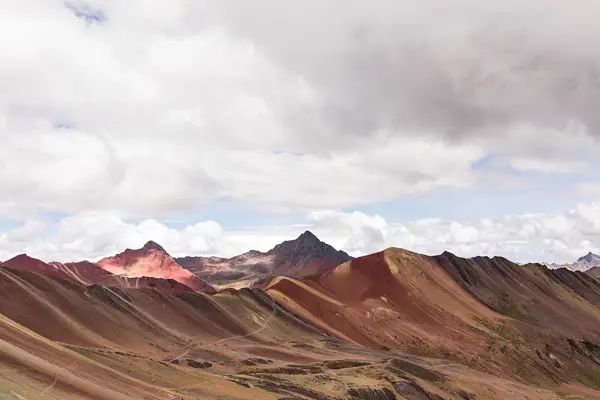
Altitude and the classic route
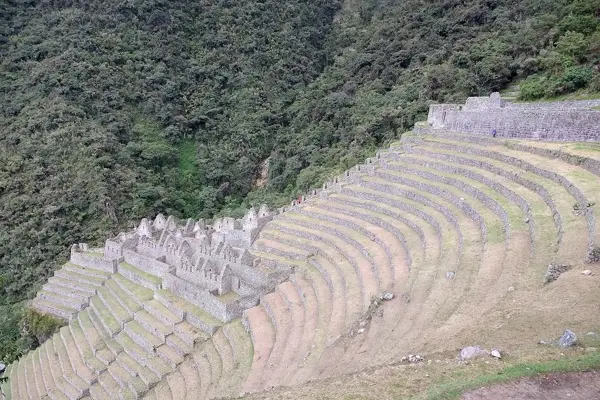
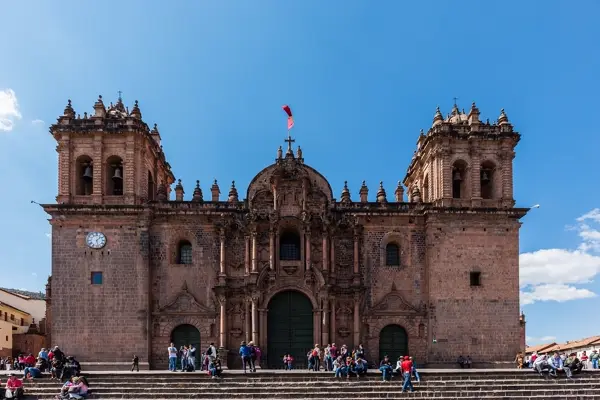
Cusco lies at about 3,400 metres, Machu Picchu at about 2,400 metres. Many travellers fly from Lima to Cusco and spend the first days lower down in the Sacred Valley to get used to the altitude, before visiting Cusco and Machu Picchu. The train to Aguas Calientes and the bus up to the citadel are the usual way to Machu Picchu; the multi-day Inca Trail can only be walked with a licensed operator. The historic centre of Cusco and the Historic Sanctuary of Machu Picchu are both UNESCO World Heritage Sites. From Lima, a pre-booked airport transfer* avoids the evening traffic. Comparing Latin America? See also the best time to visit Costa Rica and the best time to visit Mexico.
How YesTrip helps with this trip
In YesTrip you plan Lima, the Sacred Valley, Cusco and Machu Picchu day by day on one map, including acclimatisation days and the train to Aguas Calientes. The forecast for your travel days shows the cold nights and the rain in the mountains, and the packing list suggests warm layers, a rain jacket and sun protection for the high altitude. Travelling as a group, you share the trip and log shared expenses like tours and train tickets.
Before you go
- Entry: Check the current entry rules for British citizens on gov.uk before you travel.
- Time: Peru is 5 hours behind the UK in winter and 6 hours in summer.
- Power: 220 volts; sockets are type A (US style) and C (European style), so bring an adapter.
- Mobile data: a travel eSIM* is usually much cheaper than roaming; our eSIM price index compares the prices per gigabyte.
More destinations by month: Best time to visit: where to go when.
The order that eases you into the altitude is set out in our 2-week Peru itinerary.
* Ad – Partner link: if you book there, we earn a commission. Your price stays the same.
Free
Plan your trip in 30 seconds.
Tell YesTrip where and when – the app plans day by day with real places on the map, shows the weather, splits costs with your travel companions and guides you to the next stop on the go.
Frequently asked questions
When is the best time to visit Machu Picchu?
May to September, during the dry season. In the model data Machu Picchu gets 48 to 77 mm of rain a month from May to August, against 272 to 328 mm from January to March. June to August are the busiest months, so book tickets and trains early.
When is the Inca Trail closed?
Every February, for maintenance. In 2024 the trail reopened on 1 March after a month of work, according to Peru's state news agency Andina. The citadel of Machu Picchu remains open and can be reached by train and bus.
When is the rainy season in Peru?
In the Andes, from about November to March, with the heaviest rain from December to February; the UK travel advice gives November to May for Peru as a whole. Cusco averages 217 mm in January and only 8 mm in June.
Is Lima worth visiting in winter?
Yes, but expect grey skies. From June to October Lima is cool at 19 to 20 °C by day and often lies under a low sea fog, although it hardly rains. The sunny summer months on the coast are December to April.
How cold is Cusco at night?
Cool to cold all year because of the altitude of about 3,400 metres. In the dry season from June to August the model shows nights around 5 °C for the area; in the city itself they are often close to freezing. Warm layers are essential.
Sources
- Climate data: Open-Meteo Historical Weather API (ERA5), average 2015–2024 – open-meteo.com
- Copernicus ERA5 reanalysis (Hersbach et al. 2020) – cds.climate.copernicus.eu
- Rainy season, rockslides and transport disruption: UK Foreign Travel Advice for Peru – www.gov.uk
- Inca Trail reopens on 1 March after maintenance in February (2024): Andina, Peru's state news agency – andina.pe
- Historic Sanctuary of Machu Picchu: UNESCO World Heritage Centre – whc.unesco.org
- Entry requirements for Peru: UK Foreign Travel Advice – www.gov.uk
Researched with AI support and checked by our editors. Prices, opening hours and weather can change – please check before you go. YesTrip is not a travel agency. Published: .
More best-time guides
 When to go
Best time to visit the Philippines: dry season
The best time to visit the Philippines is December to May, the dry season according to the national weather service PAGASA. January to April … · 6 min read When to go
Best time to visit Portugal: month by month
The best time to visit Portugal is May, June and September: Lisbon then reaches 23 to 26 °C by day with little rain. July and August are hot … · 6 min read When to go
Best time to visit Rome, month by month
The best time to visit Rome is April and May or late September and October, with average daytime highs of 19 to 27 °C. July and August are … · 6 min read
All destinations: best time to visit and warm places by month


