
Best time to visit Iceland: month by month
In short
The best time to visit Iceland is June to August: Reykjavík reaches 11.5 to 13.5 °C by day, nights stay above 6 °C and it barely gets dark. For northern lights go from September to March, when nights are long but days are short and around 0 to 4 °C. Highland F-roads are usually closed from mid-September until June or July.
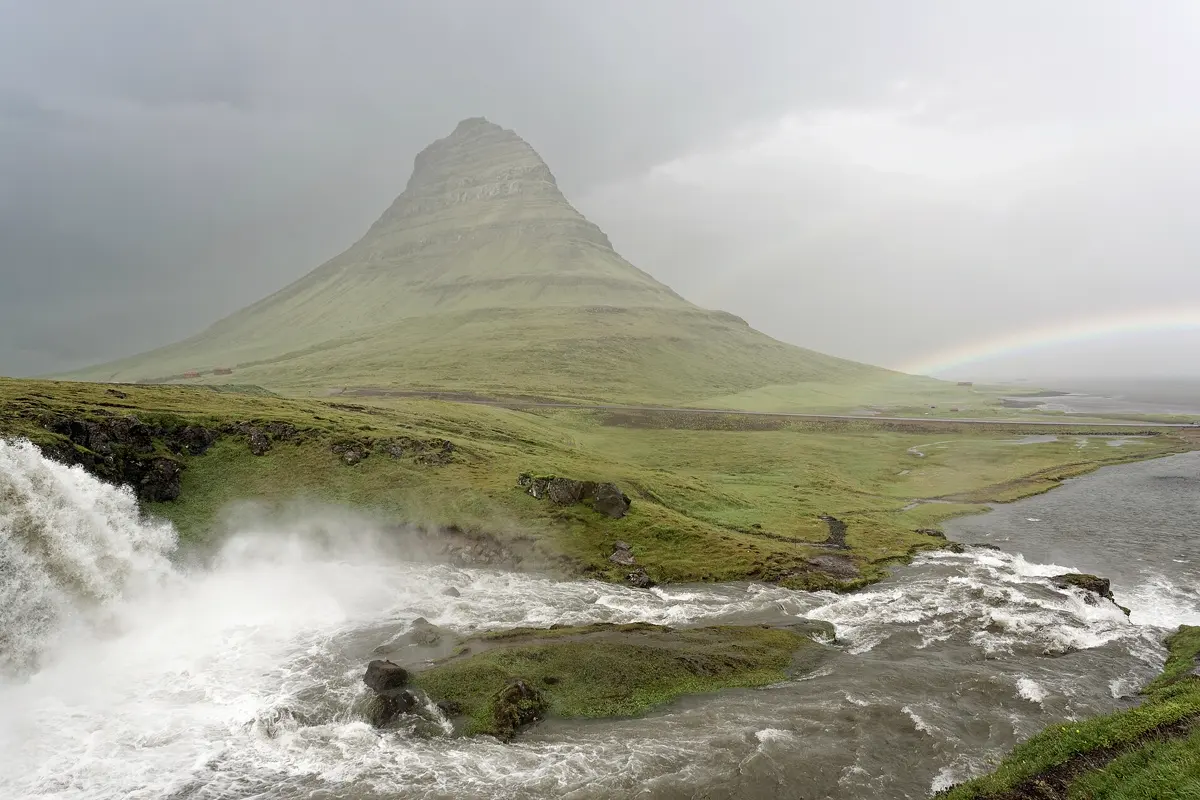
Iceland has no real beach season, so the question is not "when is it warm" but "what do you want to see". Summer brings mild days, open highland roads and light almost around the clock. Winter brings snow, short days and the best chance of northern lights. In between, spring and autumn are quieter and often cheaper, with changeable weather. We analysed the weather from 2015 to 2024 at three places.
The short answer
- Best time for a road trip: June to August. Reykjavík averages 11.5 to 13.5 °C by day, the Ring Road is usually free of snow, and the highland roads open.
- Best time for northern lights: September to March. You need dark, clear nights, and from late autumn to early spring there are plenty of dark hours.
- Shoulder season: May and September. Fewer visitors, still long days, but the weather turns more quickly.
- Least suitable: November to February for a first trip by hire car. Days are short, roads can be icy, and storms can close mountain passes.
Iceland's climate: all 12 months
| Month | Reykjavík day | Reykjavík night | Reykjavík rain | Akureyri day | Akureyri night | Vík rain |
|---|---|---|---|---|---|---|
| January | 1.7 °C | -3.0 °C | 152 mm | 0.2 °C | -5.4 °C | 316 mm |
| February | 2.1 °C | -2.7 °C | 151 mm | 0.3 °C | -5.2 °C | 324 mm |
| March | 3.1 °C | -1.6 °C | 133 mm | 1.0 °C | -4.1 °C | 307 mm |
| April | 6.2 °C | 0.9 °C | 132 mm | 3.4 °C | -1.7 °C | 234 mm |
| May | 8.7 °C | 3.6 °C | 122 mm | 7.3 °C | 1.8 °C | 253 mm |
| June | 11.5 °C | 6.7 °C | 94 mm | 12.8 °C | 6.8 °C | 201 mm |
| July | 13.5 °C | 8.5 °C | 85 mm | 14.2 °C | 8.6 °C | 177 mm |
| August | 13.1 °C | 8.2 °C | 105 mm | 13.8 °C | 8.1 °C | 215 mm |
| September | 10.3 °C | 5.8 °C | 137 mm | 10.4 °C | 4.9 °C | 343 mm |
| October | 6.8 °C | 2.7 °C | 158 mm | 5.3 °C | 0.3 °C | 333 mm |
| November | 4.0 °C | 0.1 °C | 129 mm | 2.1 °C | -3.6 °C | 287 mm |
| December | 1.7 °C | -2.6 °C | 135 mm | 0.0 °C | -5.9 °C | 327 mm |
Temperature and rain (including snow as water): monthly averages 2015–2024 from the ERA5 reanalysis (via Open-Meteo), rounded. A grid cell is about 25 km wide, so the values are a regional average rather than a single weather station.
Two things stand out. First, the range is small: Reykjavík is only about twelve degrees warmer in July than in January, because the sea keeps winters mild and summers cool. Second, the south coast around Vík is very wet, with over 300 mm a month in autumn and winter. The north around Akureyri is colder in winter but drier, and in July slightly warmer than the capital.
Iceland month by month
June to August
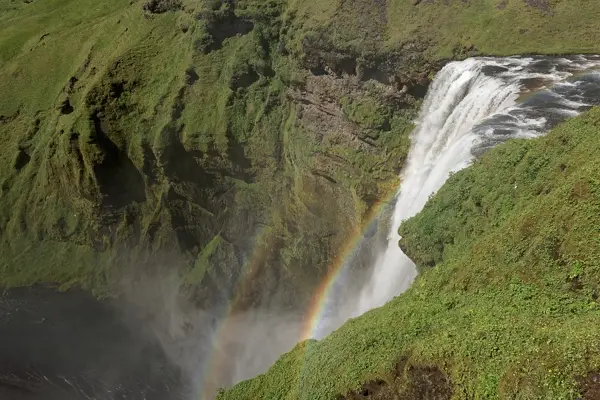
The main season. Around the June solstice it barely gets dark, so you can drive and hike late into the evening. The highland roads (F-roads) usually open from June or July, which brings Landmannalaugar and the interior within reach – but only with a 4x4. This is also when accommodation along the Ring Road books up first. Plan rain gear anyway: even in July, Reykjavík averages 85 mm.
September and October
Autumn is short. September still has long days and around 10 °C, and the first dark nights for northern lights. According to Safetravel, the official safety service, the highland roads are usually closed from mid-September. October gets wetter and windier; on the south coast it is one of the wettest months.
November to February
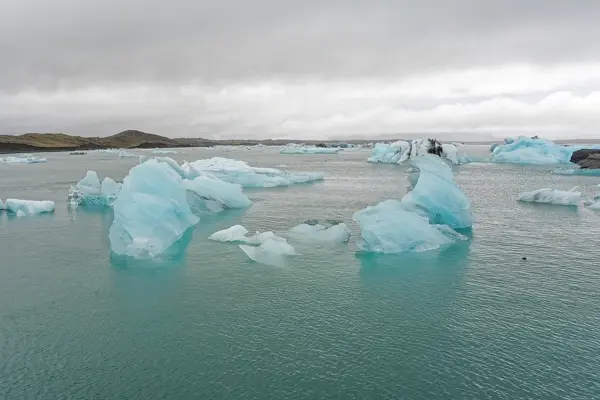
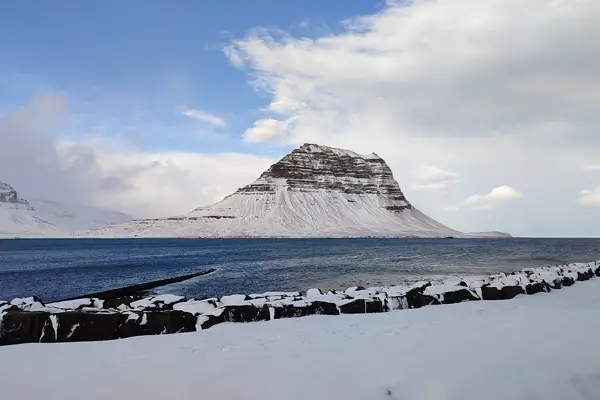
Winter, with about 0 to 2 °C by day and frost at night. At the winter solstice Reykjavík has only about four hours of daylight. In return the nights are long – the best time for northern lights if the sky is clear. Ice caves, hot springs and snow-covered waterfalls are typical winter trips. Driving needs care: storms, ice and closed roads are common, so many visitors take guided tours instead of driving themselves.
March to May
Days lengthen quickly, and March is still good for northern lights. April and May are calm months between the seasons, with 6 to 9 °C by day in Reykjavík. Some mountain roads can still have snow in May.
Northern lights: when and where
Northern lights appear above Iceland all year, but you only see them when it is dark, which in practice means from about September to April. You also need a clear sky – and with 130 to 160 mm of rain a month in autumn and winter in Reykjavík, clouds are the most common spoiler. The Icelandic Met Office publishes a cloud and aurora forecast; it is worth checking every evening and driving away from city lights. More on where to see them in Europe: where to see the northern lights.
Where the places are
Base map: Natural Earth
The full Ring Road is about 1,300 km. In summer most travellers need 7 to 10 days for it; in winter many stay in the southwest and on the south coast. A ready-made route is in our Iceland road trip itinerary. A hire car* is the most flexible way to travel outside Reykjavík; in winter, choose a car with winter tyres and check road conditions before every drive.
How YesTrip helps with this trip
In YesTrip you enter your dates and get a day-by-day plan with a map – for example Reykjavík, the Golden Circle and the south coast, arranged so that drives stay manageable. The forecast for your travel days helps you swap a waterfall day and a museum day when a storm comes in. The packing list suggests layers and rain gear for the weather. If you travel with friends, you share the trip and split costs like the car and fuel; the map of your places also works offline, which helps between villages with weak signal.
Before you go
- Entry: Iceland is in the Schengen area but not in the EU. British visitors need a valid passport; check the current rules on gov.uk.
- Flight: From London a direct flight to Keflavík takes approx. 3 hours. Iceland stays on GMT all year.
- Power: 230 volts, sockets type C and F. From the UK you need an adapter.
- Mobile data: a travel eSIM* can be cheaper than roaming, depending on your UK provider.
More destinations by month: Best time to visit: where to go when.
* Ad – Partner link: if you book there, we earn a commission. Your price stays the same.
Free
Plan your trip in 30 seconds.
Tell YesTrip where and when – the app plans day by day with real places on the map, shows the weather, splits costs with your travel companions and guides you to the next stop on the go.
Frequently asked questions
When is the best time to visit Iceland?
June to August is best for a road trip: Reykjavík averages 11.5 to 13.5 °C by day, it barely gets dark and the highland roads open. For northern lights, September to March is better, because the nights are long.
What is the best month to see the northern lights in Iceland?
Any month from September to March can work, because you need darkness and a clear sky. September and March combine dark nights with milder weather and longer days for sightseeing. Check the Icelandic Met Office cloud forecast each evening.
How cold is Iceland in winter?
Less cold than many expect: Reykjavík averages 1.7 °C by day and -3 °C at night in January. Akureyri in the north is colder at 0.2 °C by day and -5.4 °C at night. Wind makes it feel much colder.
When are the highland roads in Iceland open?
According to Safetravel, the F-roads in the highlands are usually closed from mid-September until June or July. The exact dates depend on snow and road conditions each year, so check the current status before you go.
Is it worth visiting Iceland in winter?
Yes, if you want northern lights, ice caves and snowy landscapes and do not mind short days. At the winter solstice Reykjavík has only about four hours of daylight, and roads can be icy, so plan shorter driving days or join guided tours.
Sources
- Climate data: Open-Meteo Historical Weather API (ERA5), average 2015–2024 – open-meteo.com
- Copernicus ERA5 reanalysis (Hersbach et al. 2020) – cds.climate.copernicus.eu
- Aurora and cloud forecast: Icelandic Met Office – en.vedur.is
- Highland driving and F-road closures: Safetravel – safetravel.is
- Road conditions: Icelandic Road and Coastal Administration – umferdin.is
- Entry requirements for Iceland: UK Foreign Travel Advice – www.gov.uk
Researched with AI support and checked by our editors. Prices, opening hours and weather can change – please check before you go. YesTrip is not a travel agency. Published: .
More best-time guides
 When to go
Best time to visit Istanbul, month by month
The best time to visit Istanbul is April to early June or September and October, with average daytime highs of 17 to 26 °C. July and August … · 6 min read When to go
Best time to visit Italy: month by month
The best time to visit Italy for cities such as Rome and Florence is April to early June and September to October: Rome then reaches 19 to … · 7 min read When to go
Best time to visit Japan: weather by region
The best time to visit Japan is spring and autumn: Tokyo averages 18.3 °C by day in April and 16.8 °C in November. June and July bring the … · 10 min read
All destinations: best time to visit and warm places by month


