
Best time to visit Japan: weather by region
In short
The best time to visit Japan is spring and autumn: Tokyo averages 18.3 °C by day in April and 16.8 °C in November. June and July bring the rainy season (Kyoto 254 and 261 mm), in August Kyoto and Osaka pass 32 °C, and typhoons run until October. Hokkaido is pleasant in summer, Okinawa mild in winter (19.4 °C in January).
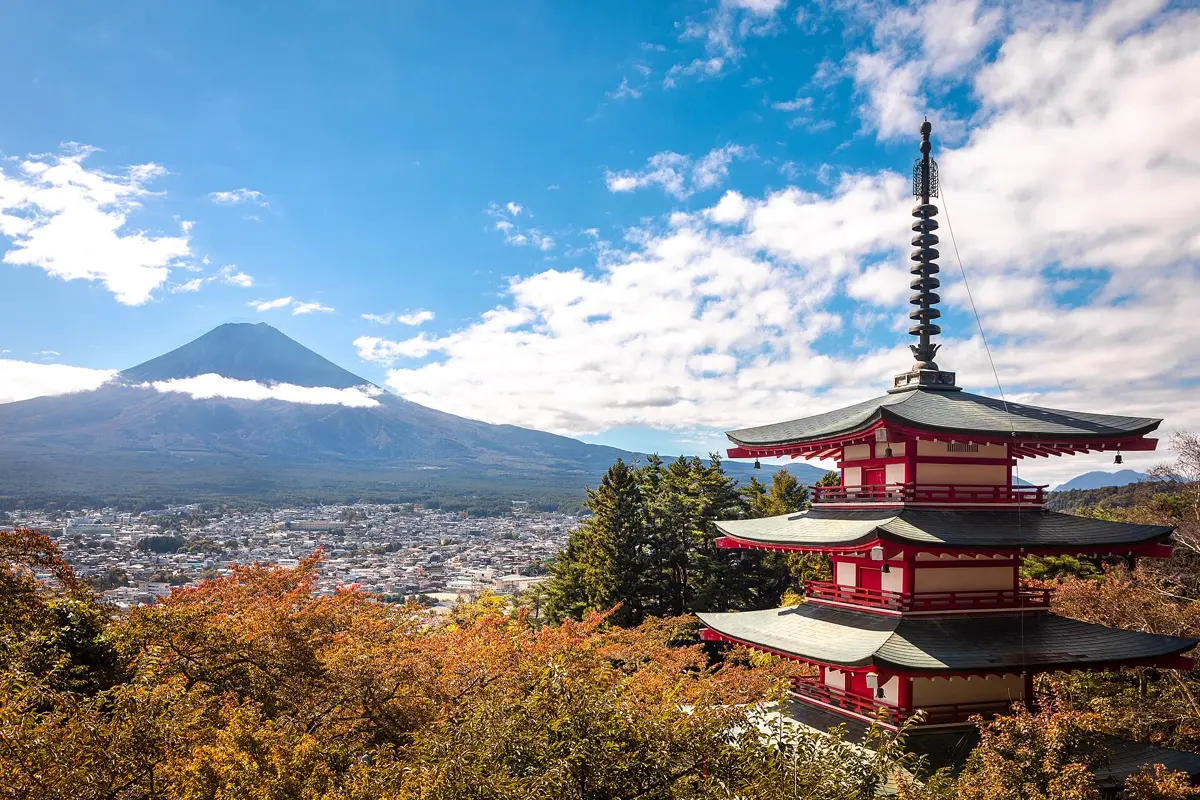
Japan stretches from snowy mountains on Hokkaido to subtropical beaches on Okinawa – some 2,500 kilometres apart. So there is no single best time for the whole country. For the classic trip through Tokyo, Kyoto and Osaka, though, the answer is clearly spring and autumn: pleasant temperatures, less rain, and cherry blossom and autumn colours on top. Summer there is humid and hot, first with the rainy season, then with typhoons. We analysed the weather data for 2015 to 2024 for five places and tell you when to go where.
The short answer
- Best time for Tokyo, Kyoto and Osaka: late March to May and October to late November. Tokyo averages 18.3 °C by day in April and 16.8 °C in November.
- Cherry blossom: usually late March to early April on Honshu – the most popular and busiest time of the year. Autumn colours: usually mid-November to early December in Tokyo and Kyoto.
- Rainy season: roughly June to mid-July on Honshu. Kyoto gets 254 mm of rain in June and 261 mm in July.
- High summer and typhoons: in August Kyoto averages 32.0 °C and Osaka 32.4 °C, and nights stay above 23 °C. August to October is typhoon season.
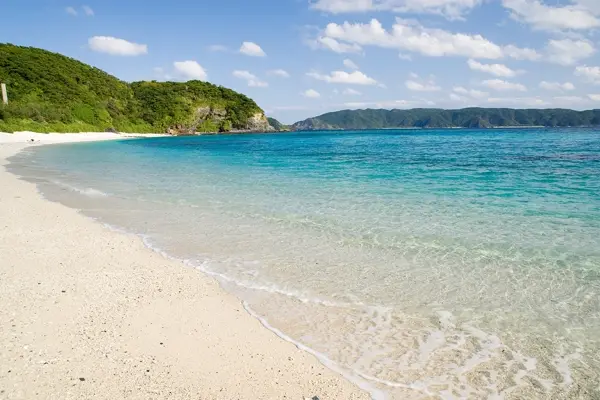
- The exceptions: Hokkaido is pleasantly fresh in summer (Sapporo 25.1 °C in July) and a snow destination in winter. Okinawa is mild in winter but has its rainy season as early as May and June.
Tokyo's climate: all 12 months
| Month | Day (avg. high) | Night (avg. low) | Rain per month |
|---|---|---|---|
| January | 9.2 °C | 0.4 °C | 59 mm |
| February | 10.3 °C | 1.5 °C | 62 mm |
| March | 14.1 °C | 5.4 °C | 132 mm |
| April | 18.3 °C | 10.4 °C | 131 mm |
| May | 22.8 °C | 15.3 °C | 136 mm |
| June | 25.5 °C | 19.2 °C | 187 mm |
| July | 29.3 °C | 23.4 °C | 179 mm |
| August | 30.7 °C | 24.6 °C | 137 mm |
| September | 27.2 °C | 21.1 °C | 207 mm |
| October | 21.6 °C | 14.6 °C | 181 mm |
| November | 16.8 °C | 8.7 °C | 105 mm |
| December | 11.6 °C | 2.9 °C | 55 mm |
Temperatures and rain: monthly averages 2015–2024 from the ERA5 reanalysis (Open-Meteo), rounded. Values apply to a grid cell of about 25 km; the densely built city centre is often a little warmer still.
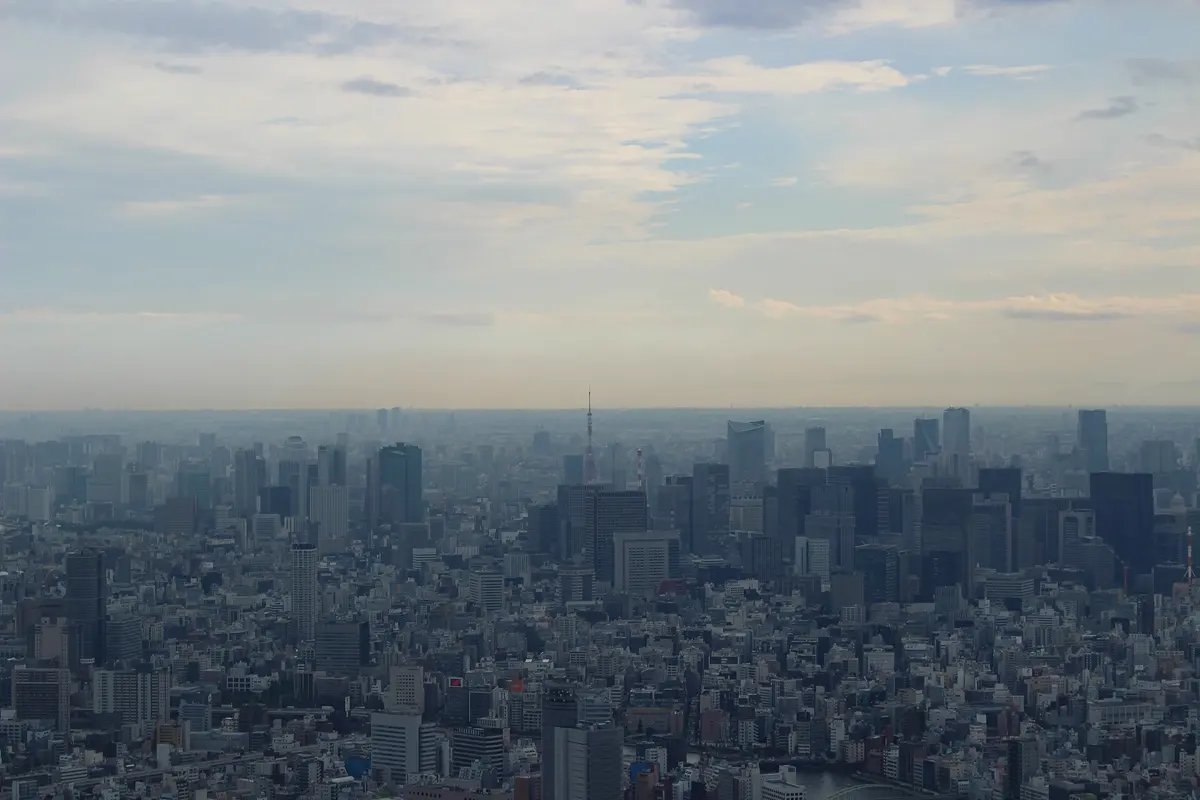
Tokyo has four distinct seasons, much like western Europe, only more humid and with a hotter summer. Winter is cool but mostly dry and sunny: December and January get only 55 to 59 mm, and on clear days you can see Mount Fuji from the observation towers. The wettest month is not June but September with 207 mm – typhoons and autumn storms often bring a lot of rain within a few days. May and November have ideal temperatures for exploring the city on foot.
Four regions compared
| Month | Kyoto | Osaka | Sapporo (Hokkaido) | Naha (Okinawa) |
|---|---|---|---|---|
| Jan | 64 mm | 59 mm | 65 mm | 102 mm |
| Feb | 67 mm | 65 mm | 66 mm | 97 mm |
| Mar | 121 mm | 114 mm | 76 mm | 124 mm |
| Apr | 165 mm | 156 mm | 84 mm | 146 mm |
| May | 171 mm | 174 mm | 95 mm | 271 mm |
| Jun | 254 mm | 239 mm | 126 mm | 291 mm |
| Jul | 261 mm | 243 mm | 124 mm | 190 mm |
| Aug | 193 mm | 172 mm | 181 mm | 227 mm |
| Sep | 200 mm | 217 mm | 130 mm | 200 mm |
| Oct | 179 mm | 176 mm | 115 mm | 155 mm |
| Nov | 82 mm | 86 mm | 110 mm | 108 mm |
| Dec | 61 mm | 56 mm | 69 mm | 142 mm |
Rain: monthly averages 2015–2024, ERA5 reanalysis (Open-Meteo), rounded. In winter most of Sapporo's precipitation falls as snow.
The table shows why the rainy season – tsuyu in Japanese – arrives at a different time in each region. It starts first on Okinawa: May brings 271 mm, June 291 mm, and then it gets drier. On Honshu around Kyoto and Osaka it follows about a month later, peaking in June and July. Hokkaido has no pronounced rainy season; even in its wettest month, August, Sapporo gets 181 mm, and only 126 mm in June. If you travel in early summer and want to avoid the rain, head north.
The temperature differences are even bigger. In January Sapporo averages −2.4 °C by day and −9.6 °C at night, while Naha has 19.4 °C and 16.1 °C at the same time. Kyoto sits in between at 8.1 °C by day and −0.4 °C at night; in its basin, winters are slightly colder and summers hotter than in Tokyo.
Japan season by season
Spring: March to May
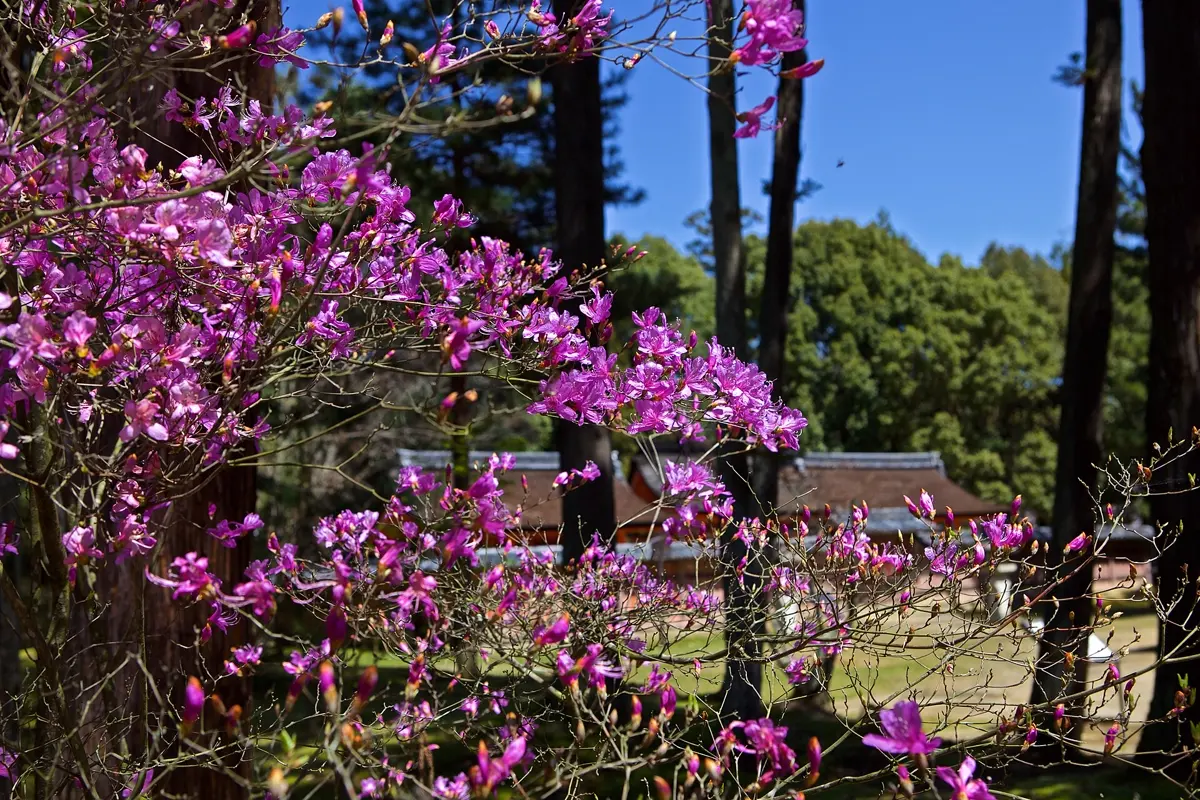
Cherry blossom, sakura, is the reason many people travel to Japan. It moves through the country from south to north: on Okinawa the first trees bloom as early as January and February, in Tokyo and Kyoto usually late March to early April, and on Hokkaido only around early May. Full bloom in any one place lasts only about a week, and the exact timing shifts by a few days from year to year. So don't plan around a single date – stay flexible, or follow the blossom north. Hotels in Kyoto book up early at this time, and the well-known parks are very crowded.
In April Tokyo is pleasant at 18.3 °C by day, with nights still fresh at 10.4 °C. May is warmer and greener, and the blossom crowds have gone. From late April to early May, however, comes Golden Week, a run of public holidays when many Japanese travel themselves; trains and accommodation are scarce.
Summer: June to August
First the rainy season, then the heat. From June to mid-July it rains often on Honshu, frequently as long, steady rain; Kyoto gets more than 250 mm a month during these weeks. Then it turns hot and humid: in August Kyoto averages 32.0 °C by day and 23.7 °C at night, Osaka 32.4 °C and 25.3 °C. Plan sightseeing for the early morning and drink more than you are used to. Mid-August is Obon, when many families travel back to their home towns.
Summer still has its good sides: it is the season of fireworks and summer festivals, the official climbing season on Mount Fuji runs through July and August to early September, and Hokkaido is a good choice with 25 °C by day and 17 to 18 °C at night. In July the lavender fields around Furano are in bloom.
Typhoon season: August to October
Typhoons are tropical cyclones that hit Japan from the south. They are most frequent from August to October, and Okinawa and the south are affected most. A typhoon brings storm-force winds and heavy rain for one or two days; flights, ferries and even Shinkansen trains are cancelled or slowed. That is no reason to skip the trip, but it is a reason to build some slack into your plan. The Japan Meteorological Agency publishes warnings in English too.
Autumn: October and November
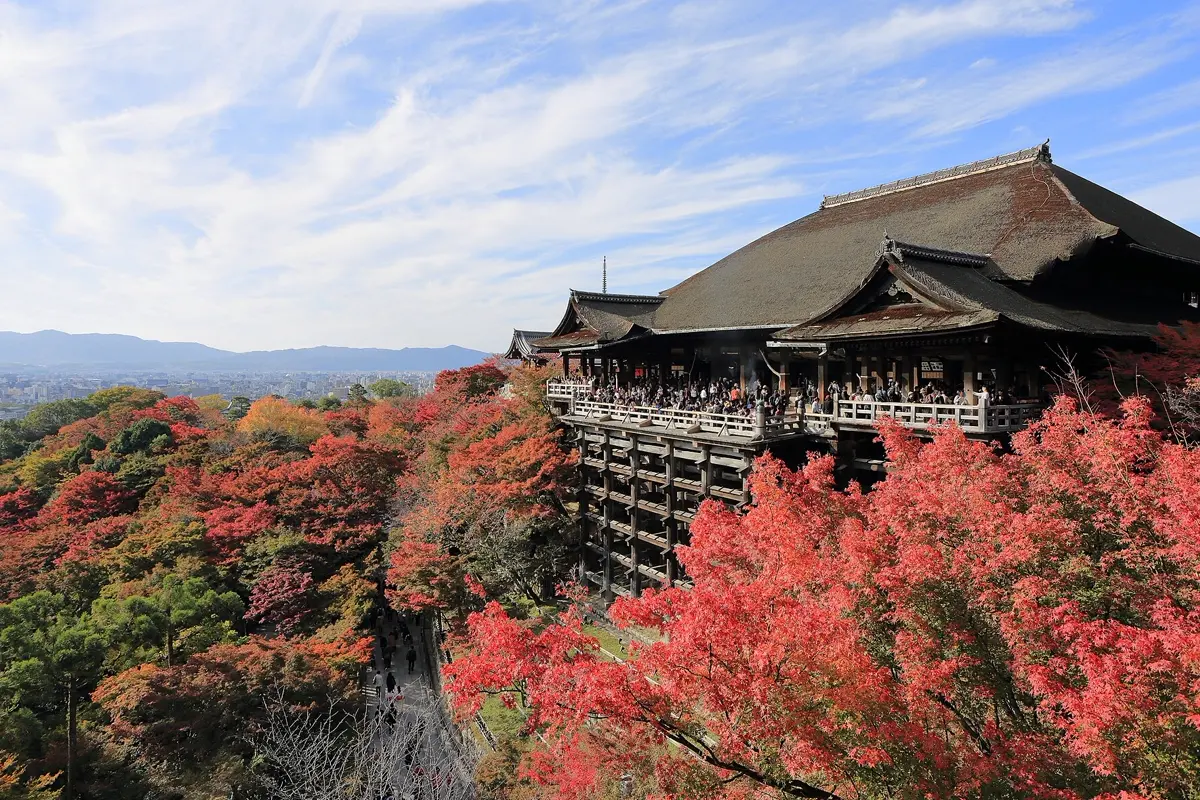
Alongside spring, the best time. October is still warm in Tokyo at 21.6 °C, but with 181 mm still fairly wet because of late typhoons. November gets drier: 105 mm in Tokyo, 82 mm in Kyoto, with 16 to 17 °C by day. Autumn colours, koyo, travel the opposite way to the cherry blossom, from north to south: on Hokkaido and in the mountains the maples turn from late September and through October, in Tokyo and Kyoto usually from mid-November to early December. Kyoto's temple gardens are then as busy as during cherry blossom – early mornings are quieter.
Winter: December to February
The underrated season for Honshu: cool but dry and clear, the sights are emptier than in spring and autumn, and Mount Fuji is visible most often. Tokyo averages 9.2 °C by day in January; it can freeze at night. Around New Year many shops and museums close for a few days, and the Japanese are travelling themselves.
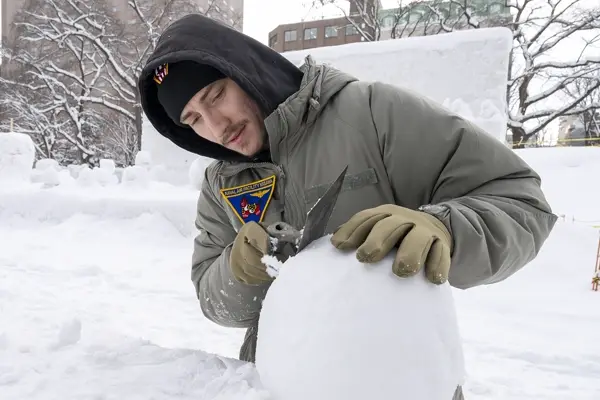
Hokkaido is a different world: Sapporo averages −2.4 °C by day and −9.6 °C at night in January. The island is known for its dry powder snow; ski resorts such as Niseko attract winter sports fans from all over the world. Every February Sapporo holds its Snow Festival with huge sculptures of snow and ice. Okinawa, meanwhile, is mild at 19 to 20 °C, though too cool for swimming for most people.
Which region at which time of year?
For a first trip through Tokyo, Kyoto, Nara, Osaka and Hiroshima, April, May, October and November are the best months. In June and July Hokkaido is the better choice than Honshu, and in August too if you want to escape the heat. Use winter for cities without crowds or for snow on Hokkaido. Okinawa is warm enough for swimming from July to September, but that is the middle of typhoon season; October and November are a good compromise there.
How to link Tokyo, Hakone, Kyoto, Osaka and Hiroshima in two weeks by train is explained in our Japan itinerary for 2 weeks. You can find tours and tickets in Kyoto* at Klook, for example – during cherry blossom and in autumn it pays to book early.
Tokyo and Kyoto
Tokyo is usually where you start: Senso-ji in Asakusa, the Meiji Shrine in its forest, the Shibuya crossing and viewpoints such as the Tokyo Skytree. The train is the easiest way from the airport into the city; with luggage, a pre-booked transfer* is more comfortable.
 Tokyo trip planDay by day, with map and tips
Kyoto is the city of temples and gardens, and the highlight of any trip during cherry blossom and in autumn. It is hottest there in summer and frosty at night in winter. By Shinkansen it is just over two hours from Tokyo.
 Kyoto trip planDay by day, with map and tips
On Hokkaido, outside Sapporo, a car is the easiest way to get around, especially in summer between lavender fields and national parks. Reserve a rental car for Japan* in advance; Japan drives on the left, and you need an international driving permit.
How YesTrip helps with this trip
In YesTrip you'll find ready-made city plans for Tokyo and Kyoto with temples, gardens and viewpoints, which you can adopt and fit to your travel days. For Osaka, Hiroshima or Sapporo, the AI creates a day plan with a map. The weather forecast covers your travel days – so you can see whether to put the Mount Fuji trip on a clear day or replan around a typhoon. The packing list remembers an umbrella and light clothes in the rainy season, warm layers for Hokkaido in winter and the adapter for the 100-volt sockets. Travelling with others, you share the trip and log shared expenses; the map also works offline.
What to know before you go
- Entry: UK and EU citizens do not need a visa for tourist stays of up to 90 days, only a passport. Check the current rules on gov.uk or with your own government.
- Flight: from London, direct flights to Tokyo take about 14 hours. For a round trip an open-jaw ticket often makes sense: into Tokyo, back from Osaka (Kansai Airport).
- Time: Japan is nine hours ahead of UK winter time and eight hours ahead in British summer; Japan has no daylight saving time.
- Power: type A sockets at 100 volts. You need an adapter; phone and laptop chargers usually handle the voltage.
- Mobile data: roaming is expensive for most visitors. A travel eSIM helps with maps, timetables and weather warnings.
Blossom dates by city are in cherry blossom in Japan: when and where.
* Ad – Partner link: if you book there, we earn a commission. Your price stays the same.
Free
Plan your trip in 30 seconds.
Tell YesTrip where and when – the app plans day by day with real places on the map, shows the weather, splits costs with your travel companions and guides you to the next stop on the go.
Frequently asked questions
When is the best time to visit Japan?
For Tokyo, Kyoto and Osaka, late March to May and October to late November are best. Tokyo averages 18.3 °C by day in April and 16.8 °C in November, and gets only 105 mm of rain in November. For Hokkaido summer is the most pleasant time, for Okinawa autumn and spring.
When is cherry blossom season in Japan?
In Tokyo and Kyoto usually late March to early April, on Hokkaido only around early May, and on Okinawa as early as January and February. Full bloom in any one place lasts only about a week, and the timing shifts by a few days from year to year. It is the most popular time to travel, so book accommodation early.
When is the rainy season in Japan?
On Honshu, with Tokyo, Kyoto and Osaka, roughly from June to mid-July; Kyoto gets 254 mm of rain in June and 261 mm in July. On Okinawa the rainy season comes earlier, in May and June, with 271 and 291 mm. Hokkaido has no pronounced rainy season.
Is Japan a good idea in August?
For Hokkaido, yes: Sapporo averages 25.6 °C by day and 18.5 °C at night in August. Kyoto and Osaka, by contrast, are very hot and humid, with more than 32 °C by day and nights above 23 °C. August is also the start of typhoon season, which lasts until October.
Is Japan worth visiting in winter?
Yes, especially for cities and snow. Tokyo is cool at 9.2 °C in January but mostly dry and clear with 59 mm of rain, and the sights are emptier than in spring. Hokkaido offers powder snow for skiing at −2.4 °C by day in Sapporo, and Okinawa is mild at 19.4 °C.
Sources
- Climate data: ERA5 reanalysis via Open-Meteo, monthly averages 2015–2024 – open-meteo.com
- Copernicus ERA5 reanalysis (Hersbach et al. 2020) – cds.climate.copernicus.eu
- Rainy season, typhoons and weather warnings: Japan Meteorological Agency – www.jma.go.jp
- Travel information on seasons and regions: Japan National Tourism Organization – www.japan.travel
- Entry requirements for Japan: UK Foreign Travel Advice – www.gov.uk
Researched with AI support and checked by our editors. Prices, opening hours and weather can change – please check before you go. YesTrip is not a travel agency. Published: .
More best-time guides
 When to go
Best time to visit Jordan: Petra, Wadi Rum
The best time to visit Jordan is March to May and October to November: Petra reaches 17 to 26 °C by day in spring and 18 to 24 °C in autumn, … · 7 min read When to go
Best time to visit California: month by month
For a round trip through California, September and October are the best months: San Francisco is at its warmest at 21 to 22 °C, it hardly … · 7 min read When to go
Best time to visit Canada: month by month
The best time to visit Canada for most trips is June to September. Vancouver is then at 20 to 23 °C with little rain, Banff reaches 17 to 23 … · 7 min read
All destinations: best time to visit and warm places by month


