
Best time to visit Croatia: climate by month
In short
The best time to visit Croatia is June and September: Split sees 26 to 28 °C by day and only 48 to 116 mm of rain a month, with fewer crowds than in high summer. July and August are the hottest at 30 to 31 °C on the coast and the busiest. From November the coast gets wet – Dubrovnik averages 332 mm in November.
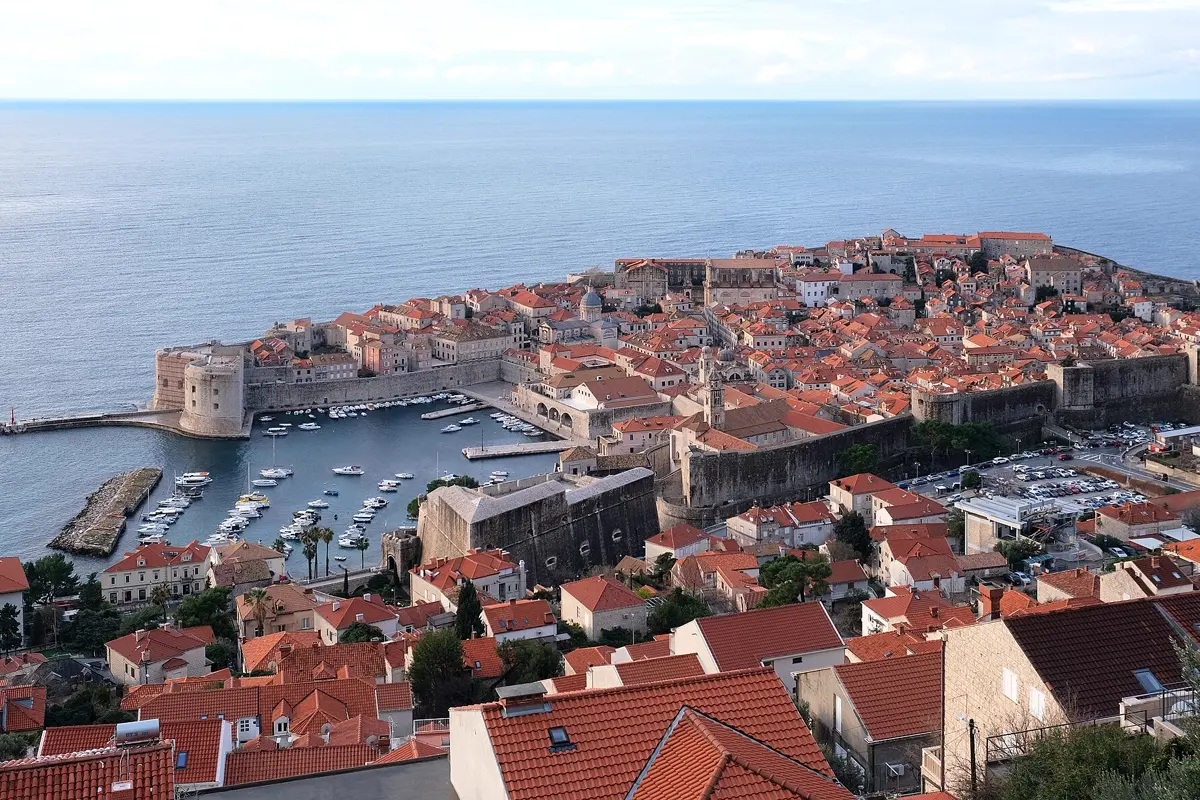
Croatia has a classic Mediterranean climate on the coast: hot, dry summers and mild, wet winters. Inland around Zagreb the winters are colder and the summers a little less hot. For most visitors the coast and the islands are the goal, so the main question is how to get warm weather without the peak-season crowds. We analysed the weather from 2015 to 2024 at four places.
The short answer
- Best time: June and September. 26 to 28 °C by day in Split, long evenings, warm sea and fewer visitors than in July and August.
- High summer (July and August): 30 to 31 °C on the Dalmatian coast and almost no rain, but the busiest and most expensive weeks of the year.
- Spring and October: good for cities, national parks and hiking, with 18 to 22 °C by day on the coast.
- Least suitable: November to February for a beach holiday. Rain peaks on the coast in November, and many island hotels and restaurants close for the winter.
Croatia's climate: all 12 months
| Month | Split day | Split night | Split rain | Dubrovnik day | Dubrovnik rain | Rovinj day | Zagreb day |
|---|---|---|---|---|---|---|---|
| January | 10.8 °C | 3.6 °C | 133 mm | 11.0 °C | 195 mm | 9.8 °C | 5.3 °C |
| February | 12.7 °C | 5.2 °C | 108 mm | 12.9 °C | 184 mm | 11.3 °C | 9.0 °C |
| March | 14.7 °C | 6.6 °C | 104 mm | 14.5 °C | 192 mm | 13.6 °C | 12.5 °C |
| April | 18.0 °C | 9.7 °C | 89 mm | 17.8 °C | 122 mm | 17.0 °C | 16.9 °C |
| May | 22.3 °C | 14.4 °C | 101 mm | 21.8 °C | 130 mm | 21.0 °C | 20.6 °C |
| June | 27.7 °C | 18.9 °C | 48 mm | 26.8 °C | 58 mm | 26.4 °C | 26.2 °C |
| July | 31.3 °C | 21.8 °C | 23 mm | 30.2 °C | 34 mm | 29.3 °C | 28.4 °C |
| August | 31.2 °C | 22.1 °C | 54 mm | 30.3 °C | 52 mm | 29.3 °C | 28.0 °C |
| September | 25.9 °C | 17.6 °C | 116 mm | 25.6 °C | 133 mm | 24.3 °C | 22.5 °C |
| October | 21.2 °C | 13.5 °C | 123 mm | 21.3 °C | 212 mm | 19.7 °C | 17.1 °C |
| November | 16.3 °C | 9.6 °C | 238 mm | 16.8 °C | 332 mm | 14.8 °C | 10.5 °C |
| December | 12.7 °C | 5.6 °C | 166 mm | 13.0 °C | 216 mm | 11.5 °C | 6.3 °C |
Temperature and rain: monthly averages 2015–2024 from the ERA5 reanalysis (via Open-Meteo), rounded. A grid cell is about 25 km wide; on a coast with mountains right behind it, rain totals can differ noticeably between neighbouring towns.
Along the coast the temperatures are very similar from Istria to Dubrovnik; the south is only slightly warmer. The real difference is rain: Dubrovnik is wetter than Split in every month from October to March. Summer is reliably dry everywhere on the coast, with 23 to 58 mm a month in June, July and August.
Croatia month by month
April and May
Spring is ideal for Split, Dubrovnik and the national parks. Split reaches 18 to 22 °C by day, the waterfalls of Plitvice and Krka carry plenty of water, and the old towns are not yet crowded. The sea is still cool for swimming. Around Easter and on long weekends, domestic and Central European visitors arrive.
June
For many the best month: 27.7 °C by day in Split, only 48 mm of rain, long evenings and the start of the swimming season. Ferries and catamarans to the islands run more often than in spring. Late June is noticeably busier than early June.
July and August
Peak season. 30 to 31 °C by day on the coast, nights around 22 °C, and very little rain. Beaches, ferries and old towns are at their fullest, and accommodation on the islands books up early. Between 1 June and 31 October, outdoor fires and barbecues are banned outside designated areas because of the wildfire risk, as the UK travel advice points out.
September
The second best month: still around 26 °C by day in Split and the sea warm after the summer, but the school holidays are over in most of Europe. Rain picks up again from mid-month; Split averages 116 mm in September.
October to March
October still has 20 to 21 °C by day and is good for city trips and walking. From November the coast is wet and often windy; Dubrovnik averages 332 mm in November. Many island hotels and beach restaurants close in winter, while Zagreb is a city destination with Advent markets in December. More: warm places in November and where to go in October.

The regions at a glance
Base map: Natural Earth
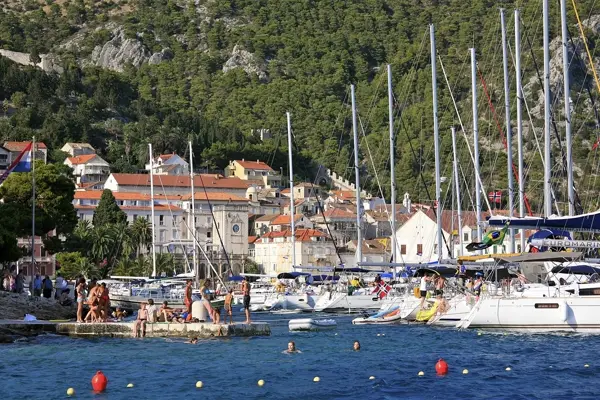
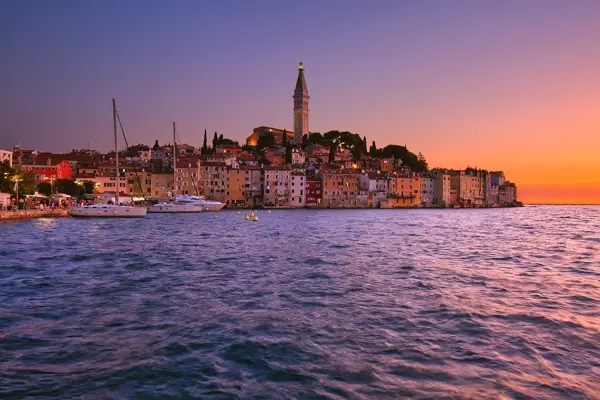
Istria in the north is greener, with hill towns and a slightly shorter beach season. Central Dalmatia around Split is the base for the islands Brač, Hvar and Vis. Dubrovnik in the far south is the most visited old town; it is most pleasant in May, June, September and October. A route along the whole coast is in our Croatia road trip itinerary. For the islands and coast roads, a hire car* gives you the most freedom; on the islands themselves, ferries set the rhythm.
How YesTrip helps with this trip
In YesTrip you plan Split, Dubrovnik and the islands day by day on one map – for example two days in Split, a day trip to Hvar and three days in Dubrovnik, arranged so that the ferry days make sense. The forecast for your travel days shows when a beach day works best and when a museum or old-town walk is the better plan. The packing list suggests clothes for the weather. Travelling as a group, you share the trip and log shared expenses like the holiday flat and the hire car.
Before you go
- Entry: Croatia is in the EU, the Schengen area and the euro zone. British visitors need a valid passport; check the current rules on gov.uk.
- Flight: From London a direct flight to Split or Dubrovnik takes approx. 2.5 hours. Croatia is one hour ahead of the UK.
- Power: 230 volts, sockets type C and F. From the UK you need an adapter.
- Mobile data: a travel eSIM* can be cheaper than roaming, depending on your UK provider.
More destinations by month: Best time to visit: where to go when.
* Ad – Partner link: if you book there, we earn a commission. Your price stays the same.
Free
Plan your trip in 30 seconds.
Tell YesTrip where and when – the app plans day by day with real places on the map, shows the weather, splits costs with your travel companions and guides you to the next stop on the go.
Frequently asked questions
When is the best time to visit Croatia?
June and September. Split then averages 26 to 28 °C by day, it rains little, the sea is warm, and there are fewer visitors than in July and August. April, May and October are better for cities and national parks than for the beach.
What is the hottest month in Croatia?
July and August. On the coast, Split averages 31.3 and 31.2 °C by day and around 22 °C at night. Inland, Zagreb is slightly cooler at about 28 °C.
When is the rainy season in Croatia?
The coast gets most of its rain from October to March, with the peak in November: Split averages 238 mm and Dubrovnik 332 mm that month. The summer months June to August are dry, with 23 to 58 mm.
Is September a good time to visit Croatia?
Yes. In September Split still averages 25.9 °C by day, the sea is warm after the summer, and most European school holidays are over. Rain increases towards the end of the month.
Can you visit Croatia in winter?
Yes, for cities rather than beaches. Zagreb averages 5 to 6 °C by day in December and January, Split and Dubrovnik around 11 to 13 °C. Many island hotels and restaurants close for the season, and the coast is wet.
Sources
- Climate data: Open-Meteo Historical Weather API (ERA5), average 2015–2024 – open-meteo.com
- Copernicus ERA5 reanalysis (Hersbach et al. 2020) – cds.climate.copernicus.eu
- Weather forecasts and warnings: Croatian Meteorological and Hydrological Service (DHMZ) – meteo.hr
- Wildfires and the summer ban on outdoor fires: UK Foreign Travel Advice for Croatia – www.gov.uk
- Old City of Dubrovnik: UNESCO World Heritage – whc.unesco.org
- Entry requirements for Croatia: UK Foreign Travel Advice – www.gov.uk
Researched with AI support and checked by our editors. Prices, opening hours and weather can change – please check before you go. YesTrip is not a travel agency. Published: .
More best-time guides
 When to go
Best time to visit Cuba: dry season and hurricanes
The best time to visit Cuba is December to April: Havana then sees 27 to 31 °C by day and only 22 to 42 mm of rain a month. From May to … · 7 min read When to go
Best time to visit Lisbon, month by month
The best time to visit Lisbon is April to June or September and October, with average daytime highs of 19 to 26 °C. July and August are the … · 6 min read When to go
Best time to visit London, month by month
The best time to visit London is May to September, with average daytime highs of 17 to 23 °C and long evenings – in June it stays light … · 6 min read
All destinations: best time to visit and warm places by month


