
Best time to visit Cuba: dry season and hurricanes
In short
The best time to visit Cuba is December to April: Havana then sees 27 to 31 °C by day and only 22 to 42 mm of rain a month. From May to October it is hot and wetter, with up to 133 mm a month in Havana and up to 174 mm in Trinidad. The Atlantic hurricane season runs from June to November and peaks in September.
Cuba is warm all year, but it has two clear seasons. From about November to April it is dry, sunny and pleasantly warm, with cooler evenings in Havana. From May to October it is hot and humid, with heavy afternoon showers, and from June to November the island lies in the Atlantic hurricane belt. Because the island is long and narrow, the pattern is similar from Havana in the west to Santiago de Cuba in the east, with the south-east a little warmer in winter. We analysed the weather from 2015 to 2024 at four places.
The short answer
- Best time: December to April. Dry, sunny, 26 to 31 °C by day in Havana, warm enough for the beach.
- Driest months: February and March, with 22 to 31 mm of rain in Havana and Varadero.
- Rainy season: May to October. Hot at 31 to 33 °C, with short, heavy showers; more rain in Trinidad and Varadero than in Havana.
- Hurricane season: June to November, peak in September. Most years pass without a direct hit, but storms can disrupt travel.
Cuba's climate: all 12 months
| Month | Havana day | Havana night | Havana rain | Varadero rain | Trinidad day | Trinidad rain | Santiago rain |
|---|---|---|---|---|---|---|---|
| January | 26.6 °C | 19.9 °C | 42 mm | 42 mm | 27.7 °C | 22 mm | 20 mm |
| February | 27.9 °C | 20.0 °C | 27 mm | 22 mm | 28.7 °C | 28 mm | 32 mm |
| March | 29.3 °C | 21.0 °C | 22 mm | 31 mm | 29.7 °C | 30 mm | 29 mm |
| April | 30.8 °C | 22.4 °C | 36 mm | 38 mm | 30.9 °C | 46 mm | 73 mm |
| May | 31.3 °C | 23.4 °C | 92 mm | 143 mm | 30.9 °C | 165 mm | 164 mm |
| June | 31.6 °C | 24.5 °C | 133 mm | 149 mm | 31.3 °C | 138 mm | 100 mm |
| July | 32.7 °C | 25.2 °C | 83 mm | 110 mm | 32.9 °C | 82 mm | 89 mm |
| August | 32.8 °C | 25.4 °C | 117 mm | 124 mm | 32.8 °C | 132 mm | 114 mm |
| September | 31.5 °C | 25.0 °C | 125 mm | 153 mm | 31.5 °C | 174 mm | 127 mm |
| October | 30.1 °C | 24.1 °C | 92 mm | 104 mm | 30.2 °C | 162 mm | 127 mm |
| November | 28.6 °C | 22.6 °C | 53 mm | 62 mm | 29.2 °C | 55 mm | 99 mm |
| December | 27.6 °C | 21.1 °C | 42 mm | 44 mm | 28.5 °C | 32 mm | 27 mm |
Temperature and rain: monthly averages 2015–2024 from the ERA5 reanalysis (via Open-Meteo), rounded. A grid cell is about 25 km wide. Tropical downpours are very local, and a model this coarse tends to smooth them out: the summer rain totals here are probably on the low side. Treat them as a rough guide – the contrast between the dry and the rainy season is reliable.
Havana is mildest in January at 26.6 °C by day and around 20 °C at night; from June to September the days reach 31 to 33 °C and the nights stay at about 25 °C.
The dry season from December to April stands out clearly with 22 to 42 mm a month. From May the rain picks up, with the wettest months in June and September.
Cuba month by month
December to February
The high season. Havana is warm at 26 to 28 °C by day and pleasantly cool in the evening; when a cold front passes, a jacket is useful for a night out. The sea at Varadero is fine for swimming, if a little fresher than in summer. Christmas, New Year and February are the busiest weeks.
March and April
Still dry, but noticeably warmer at 29 to 31 °C. This is a very good time for a round trip from Havana via the Viñales valley to Trinidad, with long sunny days and little rain. Around Easter, many Cubans travel too.
May to October
The rainy season. It is hot at 31 to 33 °C and humid; rain usually falls in short, heavy afternoon showers, so mornings often stay dry. May and June are the first wet months; September and October bring the highest totals in Trinidad and Varadero. Prices are lower and there are fewer travellers, but the hurricane season overlaps with most of these months.
November
The transition month. Rain decreases, the heat eases to around 28 to 29 °C, and it is still before the busy winter weeks. Hurricanes are possible until the end of the month, but rarer than in September and October.
Hurricane season
The official Atlantic hurricane season runs from 1 June to 30 November, with its peak around 10 September, according to the US National Hurricane Center. The UK travel advice for Cuba also gives June to November and warns that heavy rain often causes flash floods and landslides, and that flights may be delayed or cancelled. After Hurricane Melissa in October 2025, power, communications and water supplies in the east of the island were still severely affected, according to the same source. If you travel in late summer or autumn, follow the forecasts and keep some flexibility in your plans.

A classic round trip
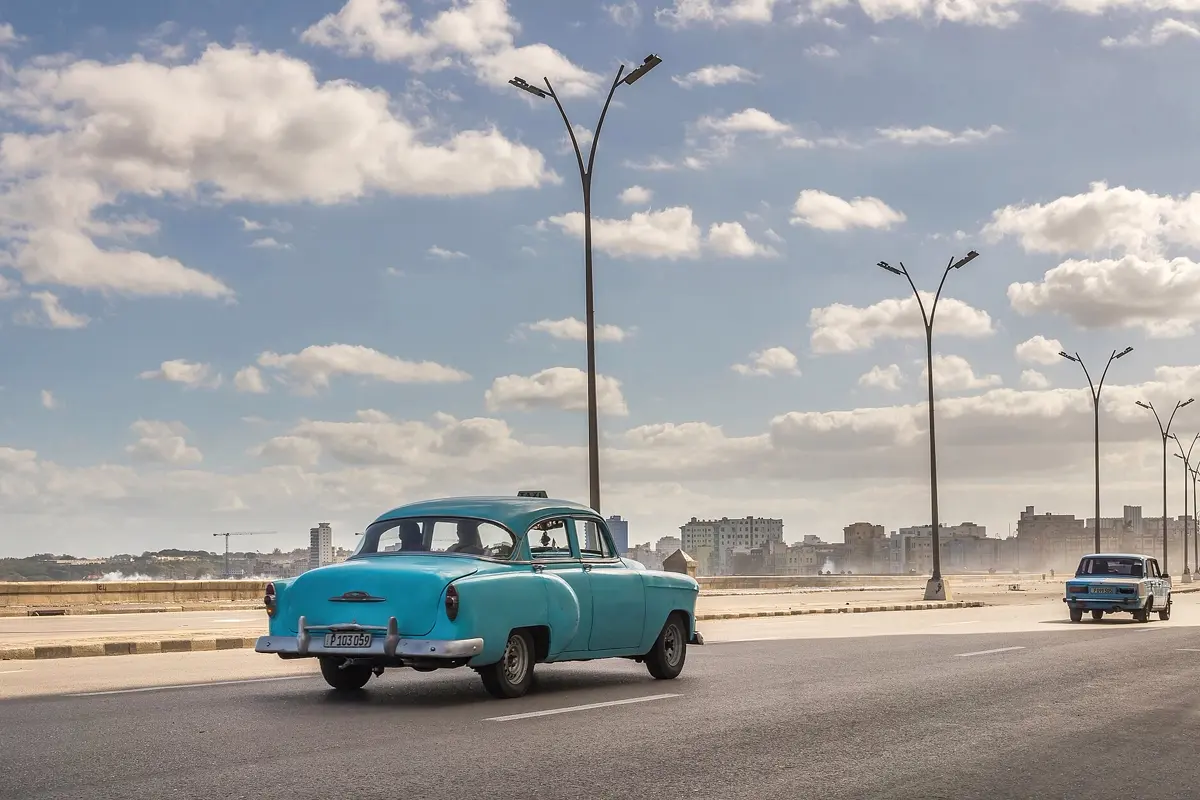
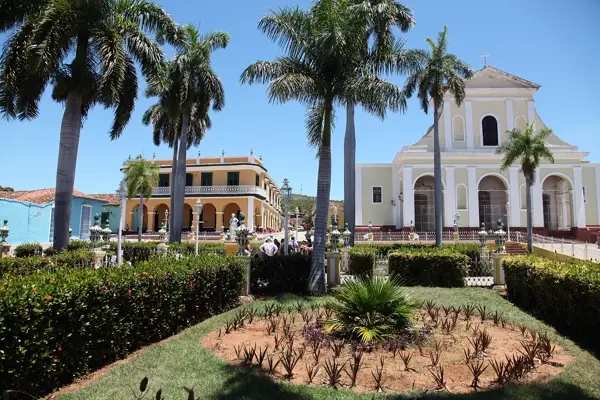
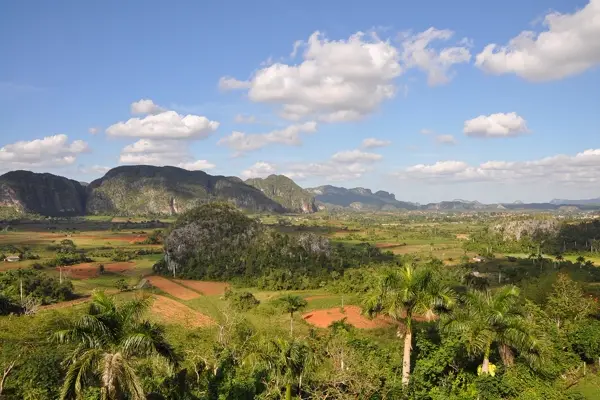
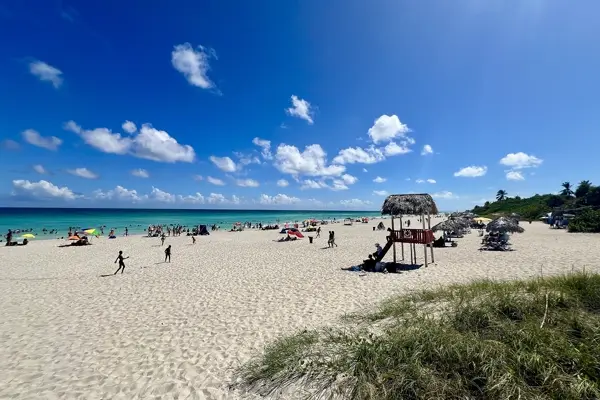
Most trips begin in Havana with Old Havana and its fortifications, a UNESCO World Heritage Site, and the Malecón. To the west lies the Viñales valley with its tobacco fields and limestone hills; to the east, the colonial towns of Cienfuegos and Trinidad, the latter also a World Heritage Site together with the nearby Valley de los Ingenios. Many trips end with a few days on the beach at Varadero. The east around Santiago de Cuba is a long way from Havana and is easier to combine with a domestic flight. You can travel by long-distance bus, private taxi or hire car*; according to the UK travel advice, fuel shortages can make longer drives difficult. Comparing the Caribbean? See also the best time to visit the Dominican Republic and the best time to visit Mexico.
How YesTrip helps with this trip
In YesTrip you plan Havana, Viñales, Trinidad and Varadero day by day on one map, so the long transfers between them are clear in advance. Before you go, you can download the offline package with the maps of your places – useful in a country where mobile data is not always available. The forecast for your travel days shows when afternoon showers are likely, and the packing list suggests sun protection, a light rain jacket and a plug adapter. Travelling as a group, you share the trip and log shared expenses like taxis and casas particulares.
Before you go
- Entry: Check the current entry rules for British citizens on gov.uk before you travel.
- Time: Cuba is usually 5 hours behind the UK.
- Power: 110 and 220 volts are both in use; sockets are type A/B (US style) and C (European style), so bring an adapter.
- Mobile data: coverage outside the cities is patchy, so save maps and bookings offline before you leave.
More destinations by month: Best time to visit: where to go when.
* Ad – Partner link: if you book there, we earn a commission. Your price stays the same.
Free
Plan your trip in 30 seconds.
Tell YesTrip where and when – the app plans day by day with real places on the map, shows the weather, splits costs with your travel companions and guides you to the next stop on the go.
Frequently asked questions
When is the best time to visit Cuba?
December to April, during the dry season. Havana then sees 27 to 31 °C by day and only 22 to 42 mm of rain a month. February and March are the driest months; Christmas and February are the busiest.
When is hurricane season in Cuba?
From 1 June to 30 November, the official Atlantic hurricane season, with a peak around 10 September according to the US National Hurricane Center. Not every year brings a hurricane to Cuba, but storms can cause flooding and flight cancellations.
Is Cuba too hot in summer?
It is hot and humid: Havana averages 32.7 °C by day in July and 32.8 °C in August, with nights around 25 °C. Showers usually fall in the afternoon, so mornings are often dry. Sightseeing is best early in the day.
Can you swim in Cuba in winter?
Yes. Varadero averages 25.8 °C by day in January and 26.7 °C in December, and the sea stays warm enough for most swimmers. On days with a cold front from the north, it can feel cooler and windier.
What is the rainiest month in Cuba?
It depends on the region. In the model data Havana gets most rain in June (133 mm) and September (125 mm), Trinidad in September (174 mm) and Varadero in September (153 mm). Real downpours are very local and can be heavier than these averages.
Sources
- Climate data: Open-Meteo Historical Weather API (ERA5), average 2015–2024 – open-meteo.com
- Copernicus ERA5 reanalysis (Hersbach et al. 2020) – cds.climate.copernicus.eu
- Atlantic hurricane season (1 June to 30 November, peak 10 September): US National Hurricane Center – www.nhc.noaa.gov
- Hurricanes, flooding and fuel shortages: UK Foreign Travel Advice for Cuba – www.gov.uk
- Old Havana and its fortification system: UNESCO World Heritage Centre – whc.unesco.org
- Entry requirements for Cuba: UK Foreign Travel Advice – www.gov.uk
Researched with AI support and checked by our editors. Prices, opening hours and weather can change – please check before you go. YesTrip is not a travel agency. Published: .
More best-time guides
 When to go
Best time to visit Lisbon, month by month
The best time to visit Lisbon is April to June or September and October, with average daytime highs of 19 to 26 °C. July and August are the … · 6 min read When to go
Best time to visit London, month by month
The best time to visit London is May to September, with average daytime highs of 17 to 23 °C and long evenings – in June it stays light … · 6 min read When to go
Best time to visit Madeira: weather by month
Madeira is mild all year: in Funchal daytime highs range from 18.5 °C in January to 27.5 °C in August, and nights never drop below 13.6 °C. … · 8 min read
All destinations: best time to visit and warm places by month


