
Best European city breaks: 15 weekend cities
In short
For a long weekend in Europe, pick a city within about 2.5 hours' flight of London. For culture, Rome, Paris, Florence and Amsterdam are the classics; for food, Lisbon, Porto, Seville and Copenhagen; for city and beach, Barcelona, Valencia and Dubrovnik. Budapest, Kraków and Prague suit a small budget, Vienna is best before Christmas.
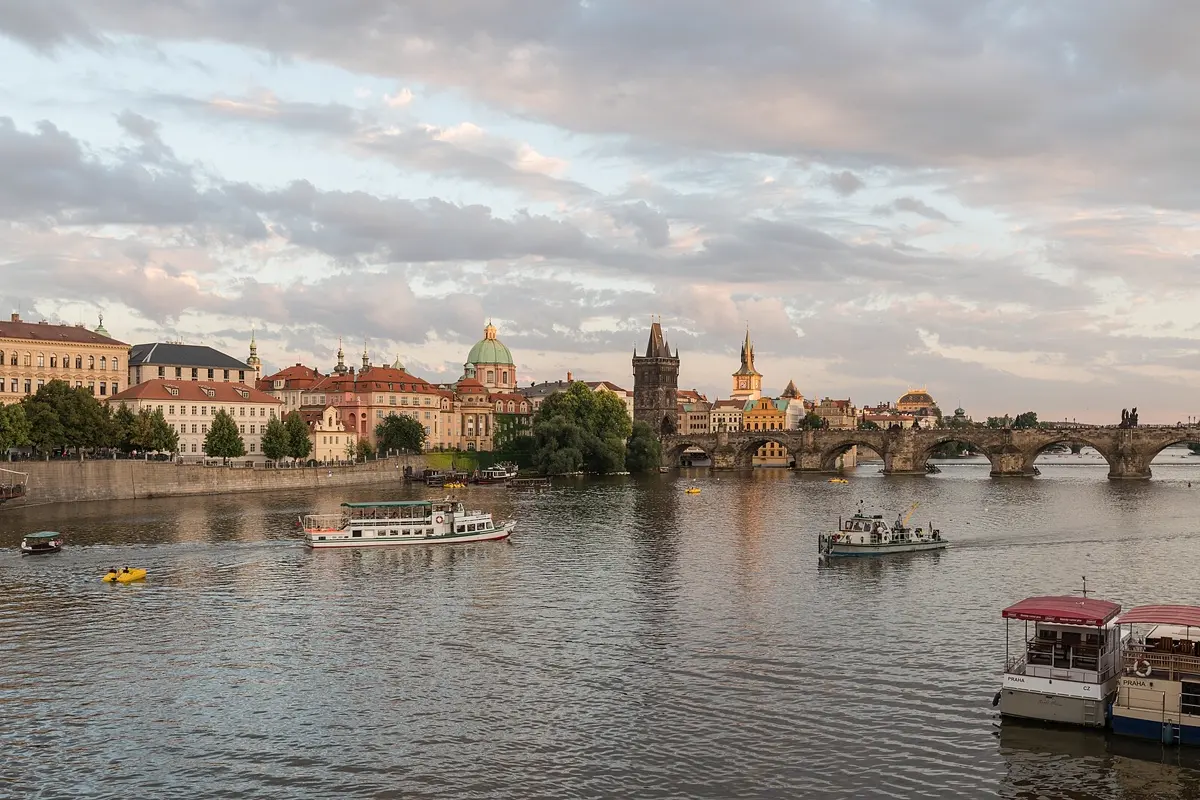
A European city break doesn't need much: two to four days, a short flight or a good train connection, and a city that fits what you are after. We picked 15 cities that work especially well for a long weekend and sorted them by what matters to you: art and history, good food, the sea, a small budget or Christmas atmosphere. For almost all of them we have ready-made plans you can open in YesTrip.
The 15 cities compared
| City | Best for | Ideal stay | Flight from London |
|---|---|---|---|
| Paris | Culture, museums | 3–4 days | approx. 1 h |
| Rome | Culture, antiquity | 3–4 days | approx. 2.5 h |
| Florence | Art, Renaissance | 2–3 days | approx. 2 h |
| Amsterdam | Museums, canals | 2–3 days | approx. 1 h |
| Lisbon | Food, viewpoints | 3–4 days | approx. 2.5 h |
| Porto | Food, port wine | 2–3 days | approx. 2 h |
| Seville | Tapas, spring | 2–3 days | approx. 2.5 h |
| Copenhagen | Food, design | 2–3 days | approx. 2 h |
| Barcelona | City and beach | 3–4 days | approx. 2 h |
| Valencia | Beach, paella | 2–3 days | approx. 2 h |
| Dubrovnik | Sea, old town | 2–3 days | approx. 2.5 h |
| Budapest | Small budget, thermal baths | 2–3 days | approx. 2.5 h |
| Kraków | Small budget, history | 2–3 days | approx. 2.5 h |
| Prague | Small budget, old town | 2–3 days | approx. 2 h |
| Vienna | Christmas markets, coffee houses | 2–3 days | approx. 2 h |
Flight times: typical direct flights from London, rounded. Paris and Amsterdam are also easy to reach by Eurostar.
- Paris Culture
- Rome Culture
- Florence Art
- Amsterdam Museums
- Lisbon Food
- Porto Food
- Seville Tapas
- Copenhagen Food
- Barcelona Beach
- Valencia Beach
- Dubrovnik Sea
- Budapest Budget
- Kraków Budget
- Prague Budget
- Vienna Advent
Base map: Natural Earth
For culture: Paris, Rome, Florence, Amsterdam
Paris is the classic: the Louvre, the Musée d'Orsay, Notre-Dame, Montmartre – and one neighbourhood after another to explore on foot. For a first visit, three to four days is right, because the museums alone take time. Rome is Europe's largest open-air museum: the Colosseum, the Roman Forum, the Pantheon and the Vatican with St Peter's. Plan the big sights for the mornings and keep the afternoons for walks through Trastevere and the old town.
 Paris trip planDay by day, with map and tips
 Rome trip planDay by day, with map and tips
Florence is smaller and compact: the cathedral, the Uffizi and the Ponte Vecchio are close together, and two to three days are enough. The evening view over the city from Piazzale Michelangelo is part of the trip. Amsterdam combines great museums such as the Rijksmuseum and the Van Gogh Museum with walks along the canals – and from London it is a short flight or a direct Eurostar ride.
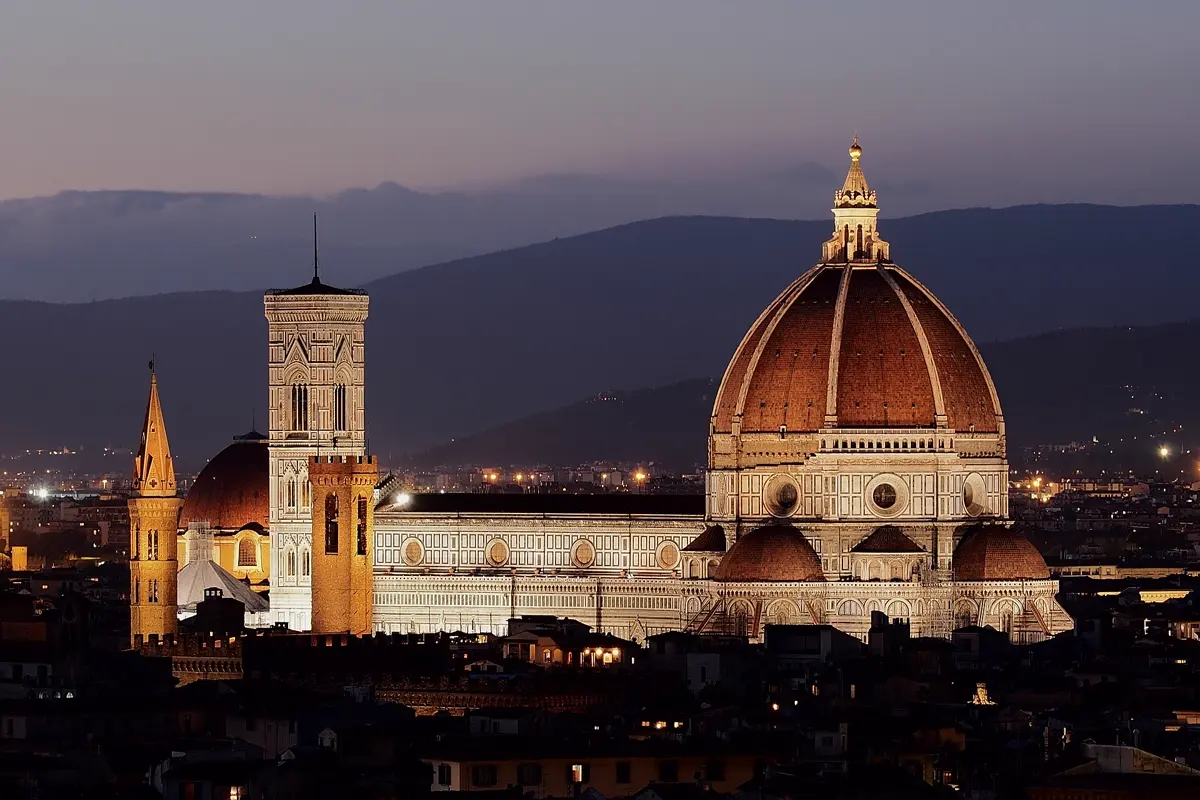
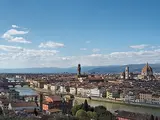 Florence trip planDay by day, with map and tips
For food: Lisbon, Porto, Seville, Copenhagen
Lisbon is best explored by eating: pastéis de nata, fresh fish, small taverns in the Alfama. Add the viewpoints over the rooftops and the old trams. Porto is smaller and calmer, known for the port wine cellars across the Douro in Vila Nova de Gaia and the riverside Ribeira district. Seville is the city of tapas bars – and at its best in spring, when the orange trees blossom; in high summer it gets very hot. Copenhagen is known for New Nordic cuisine and design, but also has a simple side: street food, bakeries and the colourful houses along Nyhavn.

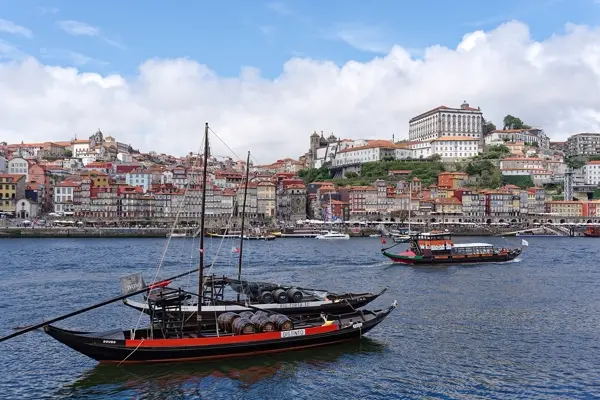
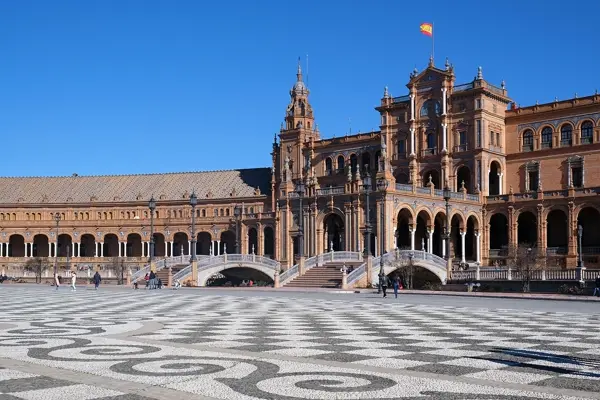
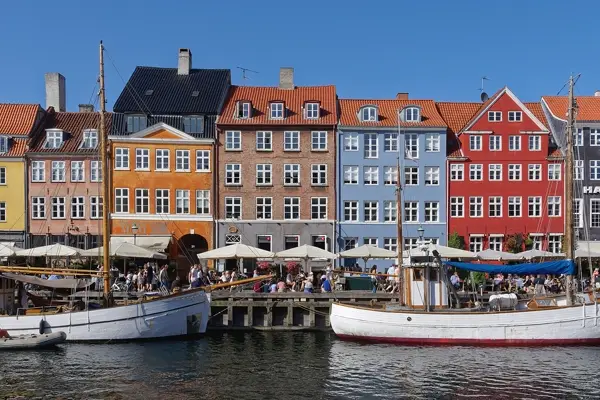
 Lisbon trip planDay by day, with map and tips
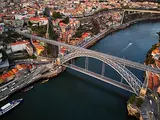 Porto trip planDay by day, with map and tips
For city and sea: Barcelona, Valencia, Dubrovnik
If you want culture and a beach, Barcelona is the place: the Sagrada Família and Park Güell in the morning, the beach at Barceloneta in the afternoon. Valencia is more relaxed, with the City of Arts and Sciences, the park in the old bed of the Turia river and long beaches; it is also the home of paella. Dubrovnik is a walled old town right on the Adriatic – walk the city walls early in the morning, before it gets crowded and hot. Swimming season runs from June to September; spring and autumn are quieter.
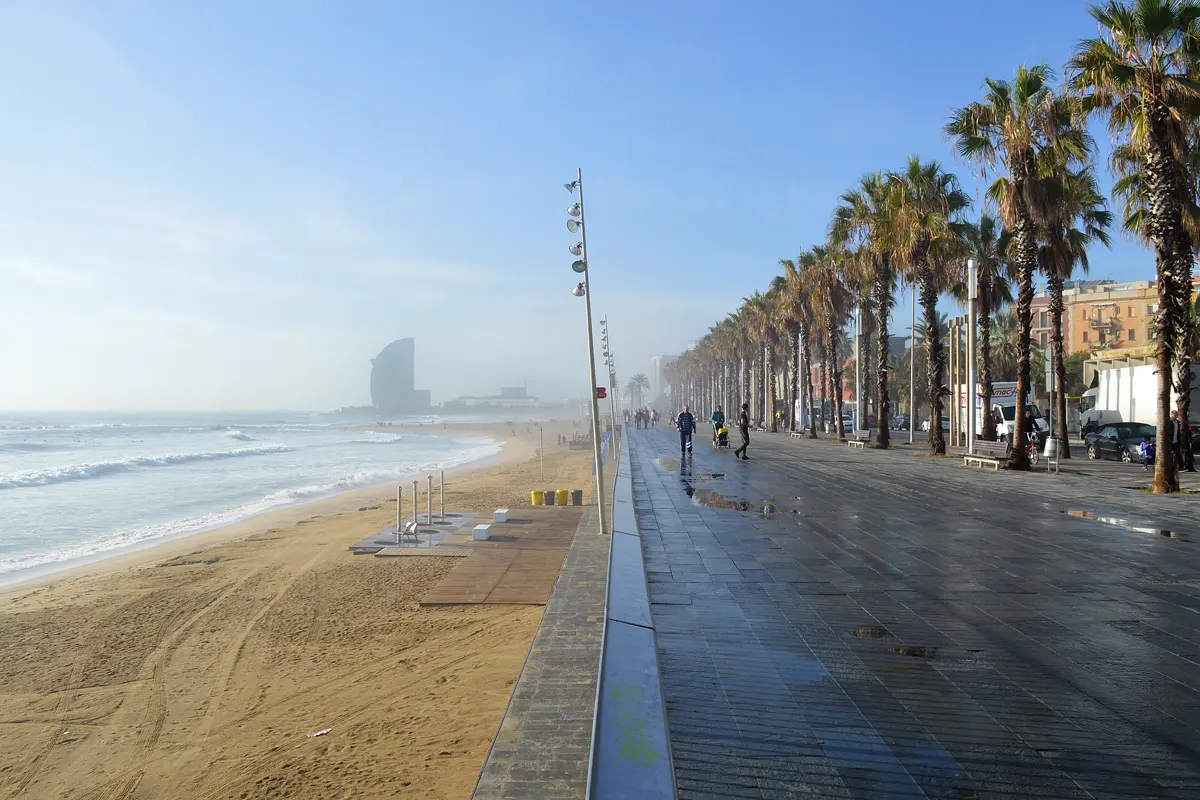
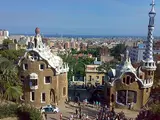 Barcelona trip planDay by day, with map and tips
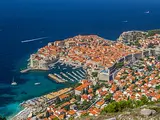 Dubrovnik trip planDay by day, with map and tips
On a small budget: Budapest, Kraków, Prague
In Central and Eastern Europe your money goes much further than in Paris or Copenhagen. Budapest has its parliament on the Danube, the castle on Buda hill and thermal baths such as the Széchenyi Baths. Kraków has one of the largest medieval market squares in Europe, Wawel Castle and the Jewish quarter of Kazimierz; many visitors combine the trip with the Auschwitz-Birkenau memorial. Prague is the busiest of the three: Charles Bridge, the castle and the Old Town Square are at their most beautiful early in the morning.
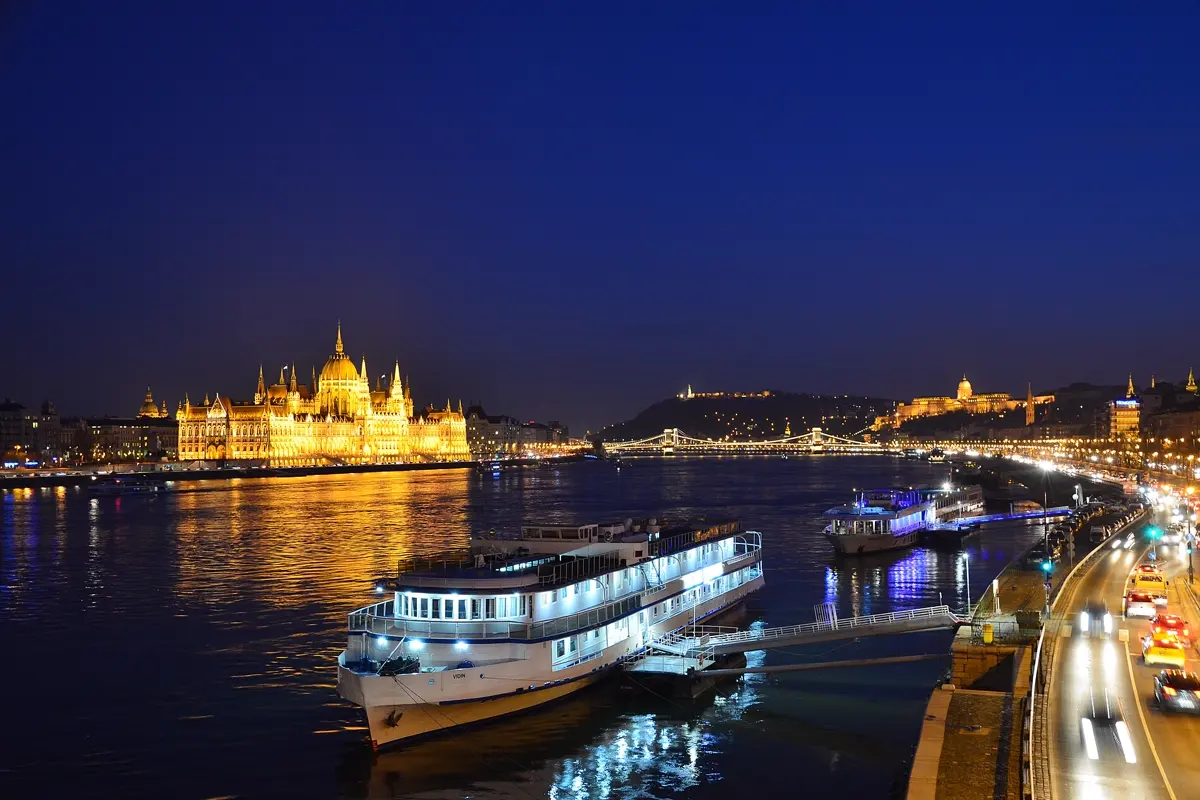
 Budapest trip planDay by day, with map and tips
 Kraków trip planDay by day, with map and tips
For Christmas markets: Vienna and more
Before Christmas, Vienna is special: the market in front of the City Hall is the best known, and there are smaller ones at Spittelberg and in front of Schönbrunn Palace. In between, warm up in one of the traditional coffee houses. Prague and Budapest also have large Christmas markets, and in Copenhagen the Tivoli amusement park is decorated for the season.

 Vienna trip planDay by day, with map and tips
How to choose the right city
- How much time do you have? For two days, compact cities such as Florence, Porto, Prague or Dubrovnik work well. Paris, Rome, Lisbon and Barcelona need three to four.
- When are you travelling? Southern Europe is ideal in spring and autumn and often very hot in midsummer. Copenhagen, Amsterdam and Vienna are most pleasant from May to September, and before Christmas for the markets.
- How are you getting there? With under two hours in the air, even a short weekend is worth it. To Paris and Amsterdam the train is a good alternative.
How YesTrip helps
Pick one of the cities and your dates in YesTrip and you get a day-by-day plan with a map that groups the sights by neighbourhood, so distances stay short. You also see the forecast for your travel days and get a packing list that matches the weather. For many cities there are ready-made weekend plans you can take over and adapt. Travelling as a group? Share the trip and keep track of shared expenses.
Free
Plan your trip in 30 seconds.
Tell YesTrip where and when – the app plans day by day with real places on the map, shows the weather, splits costs with your travel companions and guides you to the next stop on the go.
Frequently asked questions
Which European city is best for a short break?
For two to three days, pick a compact city with a short flight: from London, Paris and Amsterdam take about an hour, Prague, Vienna, Porto and Florence about two. The sights there are close together, so you lose little time in transit.
Which European cities are cheap for a weekend?
Budapest, Kraków and Prague. Accommodation, food and public transport usually cost much less there than in Paris, Amsterdam or Copenhagen, and all three are about 2 to 2.5 hours' flight from London.
Which European city combines a city break and a beach?
Barcelona, Valencia and Dubrovnik. In all three the beach is close to the centre, so you can combine sightseeing and swimming in one day. Swimming season is June to September.
How many days do you need for a city break?
Two to three days are enough for smaller cities such as Florence, Porto or Prague. For Paris, Rome, Lisbon and Barcelona, plan three to four days, because distances are longer and the big museums take time.
Which city has the best Christmas markets?
Vienna is especially known for its Christmas markets, above all the one in front of the City Hall. Prague and Budapest also have large markets, and in Copenhagen the Tivoli is decorated for the season.
Sources
- UNESCO World Heritage: Historic Centre of Rome – whc.unesco.org
- UNESCO World Heritage: Historic Centre of Florence – whc.unesco.org
- UNESCO World Heritage: Budapest, Banks of the Danube and Buda Castle Quarter – whc.unesco.org
- UNESCO World Heritage: Historic Centre of Kraków – whc.unesco.org
- UNESCO World Heritage: Old City of Dubrovnik – whc.unesco.org
Researched with AI support and checked by our editors. Prices, opening hours and weather can change – please check before you go. YesTrip is not a travel agency. Published: .
More articles
 City breaks & rail
Best city breaks in Germany: 12 cities compared
For a first city break in Germany, Berlin (3–4 days), Hamburg and Munich (2–3 days each) are the most varied choices. For a weekend in an … · 8 min read City breaks & rail
City breaks with kids: 10 cities in Europe
With children, cities with short distances, lots of parks and hands-on museums work best. Copenhagen, Amsterdam, Vienna and London lead the … · 6 min read City breaks & rail
Interrail route ideas: 3 classic routes
Three classic Interrail routes for about two weeks: Amsterdam – Brussels – Paris – Lyon – Avignon – Barcelona, Berlin – Prague – Vienna – … · 6 min read


