
Interrail route ideas: 3 classic routes
In short
Three classic Interrail routes for about two weeks: Amsterdam – Brussels – Paris – Lyon – Avignon – Barcelona, Berlin – Prague – Vienna – Budapest – Ljubljana, and Italy from Milan via Venice, Florence and Rome to Naples. Most legs take 1 to 4.5 hours. High-speed trains in France and Italy need a seat reservation on top of the pass.
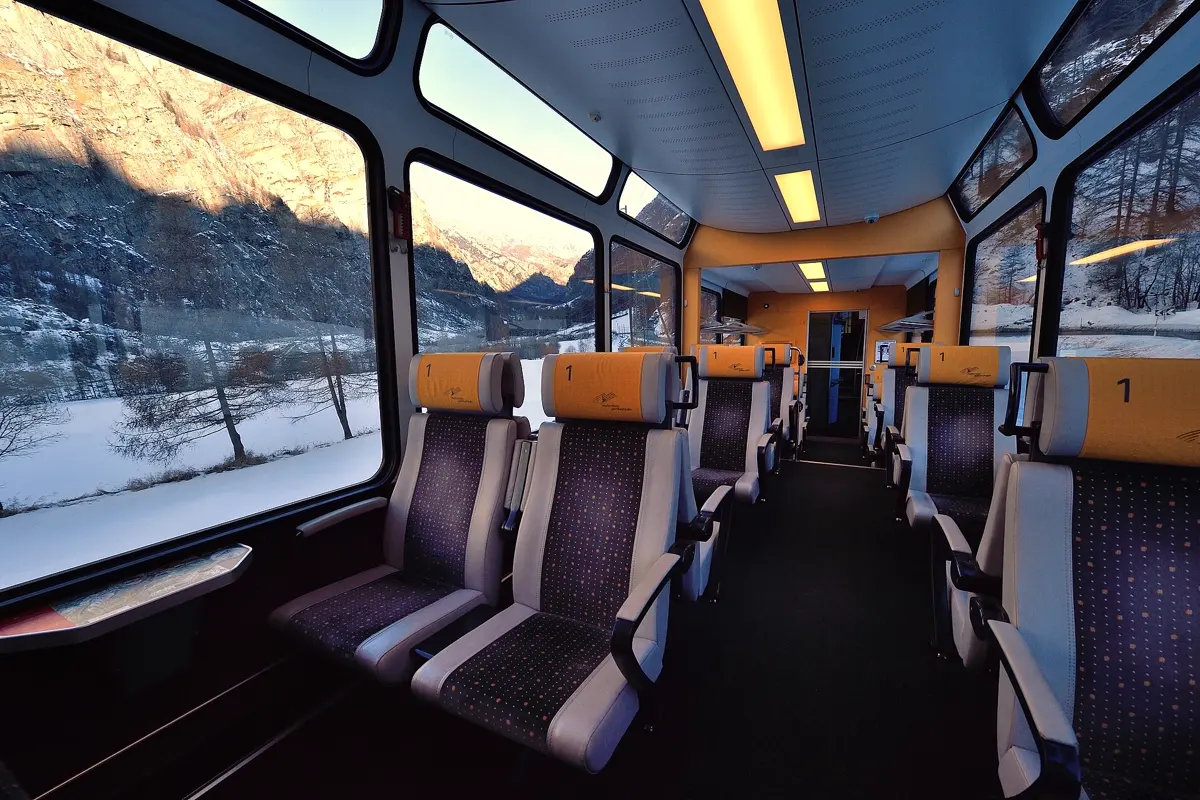
Travelling through Europe by train is slower than flying – and that is the point. You get on and off in the middle of town, watch the landscape go by and decide on the way where to stay longer. Here are three proven Interrail routes for about two weeks, with the legs, typical journey times and what you need to know about the pass.
How the Interrail pass works
The Interrail pass is a rail pass for people who live in Europe. If you live outside Europe, you use its counterpart, Eurail, which works in much the same way. With a Global Pass you travel in more than 30 countries on the trains of the participating rail companies; a One Country Pass covers a single country.
- Flexi or continuous: With a flexi pass you choose a number of travel days within a period, for example a few travel days in one month. With a continuous pass you can travel as much as you like on every day it is valid. For the routes here, with one leg every two to three days, a flexi pass is usually enough.
- Mobile pass: These days the pass usually lives in the Rail Planner app on your phone. Before each journey you add the connection there.
- Home country: In the country where you live, the Global Pass only covers the journey to the border and back.
- Reservations: On many trains the pass is all you need; on some you also need a seat reservation, which costs a fee. This applies mainly to high-speed trains in France, Italy and Spain, the Eurostar and night trains. On some trains the seats for pass holders are limited – reserve those legs early.
Current prices, age groups and rules are on interrail.eu (or eurail.com if you live outside Europe).
Route 1: Western Europe – Amsterdam to Barcelona
The classic first Interrail trip: from the canals via Paris to the Mediterranean. About two weeks is ideal.
| Leg | Journey time (approx.) | Stay |
|---|---|---|
| Amsterdam | – | 2–3 nights |
| Amsterdam → Brussels | about 2 h | 1–2 nights |
| Brussels → Paris | about 1.5 h | 3 nights |
| Paris → Lyon | about 2 h | 2 nights |
| Lyon → Avignon | about 1 h | 2 nights |
| Avignon → Barcelona | depends on the connection | 3 nights |
Journey times: fastest usual direct trains, rounded. Slower trains take considerably longer.
- Amsterdam
- Brussels
- Paris
- Lyon
- Avignon
- Barcelona
Base map: Natural Earth
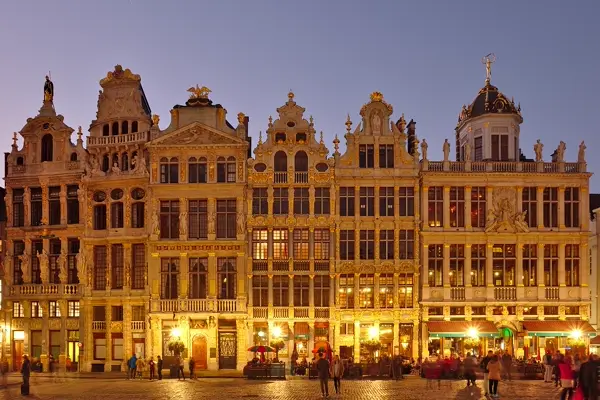
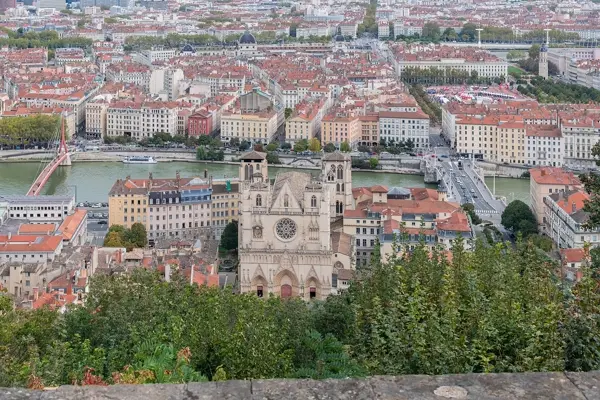
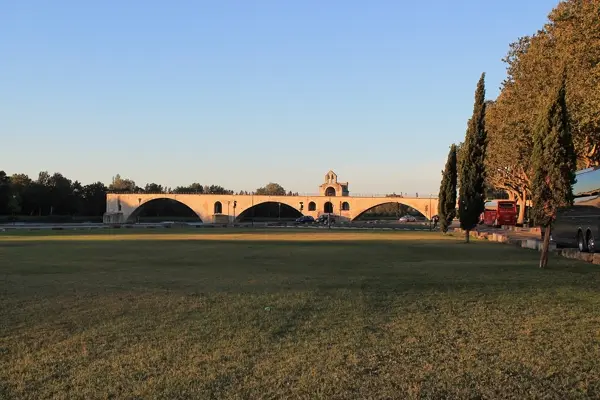
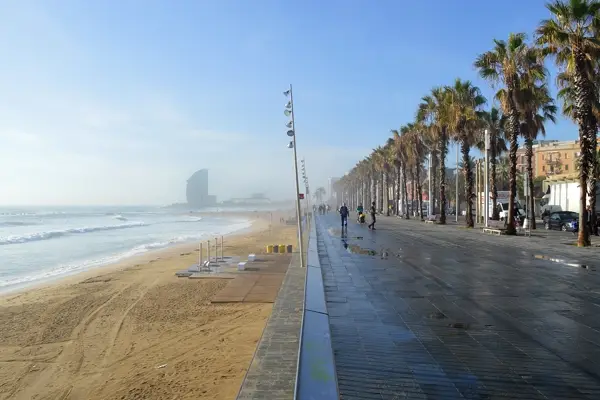
Start in Amsterdam with canals and museums. Brussels is close, with the Grand-Place at its heart; a day trip to Bruges fits in well. Give Paris at least three days. The TGV then takes you to Lyon, known for its food and the old town at the foot of Fourvière hill. Avignon in Provence has the Palace of the Popes and the famous half bridge, the Pont Saint-Bénézet. Finally you cross the border to Barcelona. The legs in France and into Spain need reservations.
 Brussels trip planDay by day, with map and tips
 Paris trip planDay by day, with map and tips
Route 2: Central Europe – Berlin to Ljubljana
This route is relaxed: in Germany, the Czech Republic, Austria and Hungary most long-distance trains need no compulsory reservation, and the cities are at comfortable distances.
| Leg | Journey time (approx.) | Stay |
|---|---|---|
| Berlin | – | 3 nights |
| Berlin → Prague | about 4.5 h | 3 nights |
| Prague → Vienna | about 4 h | 3 nights |
| Vienna → Budapest | about 2.5 h | 3 nights |
| Budapest → Ljubljana | depends on the connection | 2 nights |
Journey times: fastest usual direct trains, rounded.
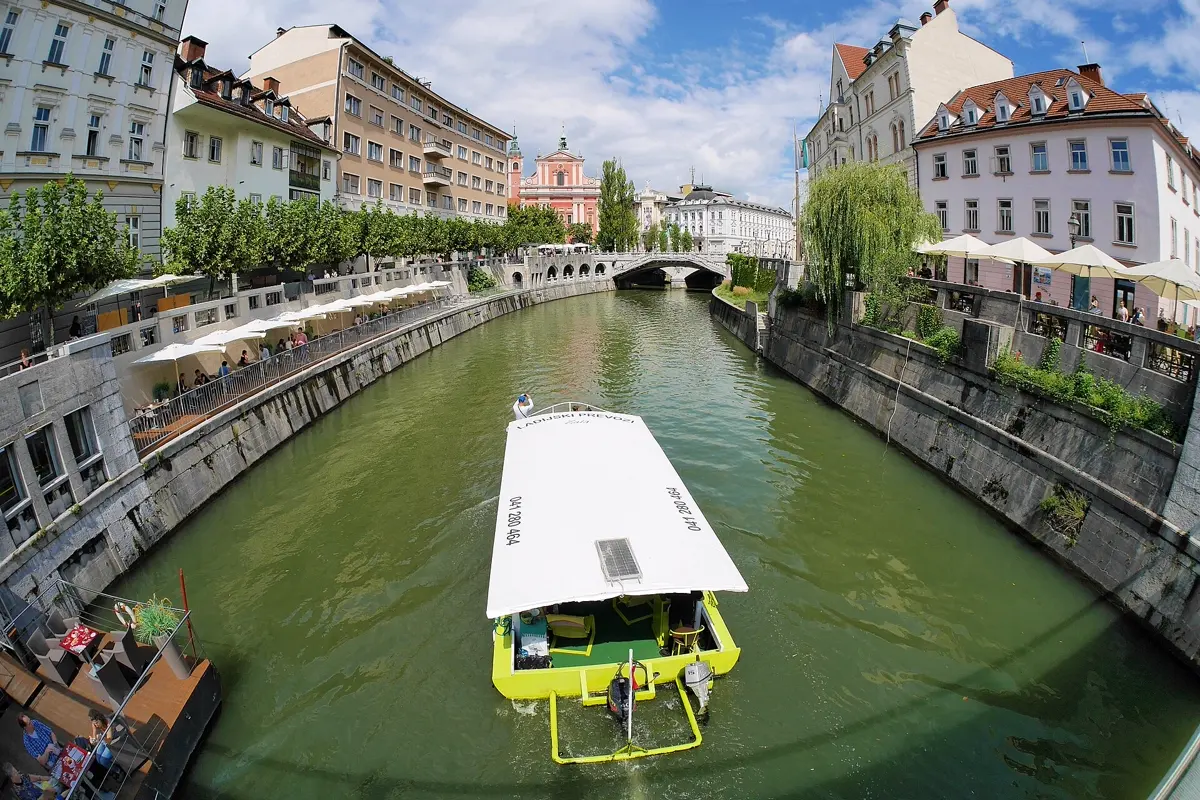
From Berlin the EuroCity runs along the Elbe valley to Prague – one of the most scenic stretches of the route. From Prague you continue to Vienna with its coffee houses and museums, then down the Danube to Budapest with its parliament, castle district and thermal baths. The trip ends in Ljubljana, Slovenia's small, green capital; Lake Bled is a popular day trip from there.
 Budapest trip planDay by day, with map and tips
 Ljubljana trip planDay by day, with map and tips
Route 3: Italy – Milan to Naples
Italy has a fast high-speed network that connects the big cities in a few hours. With a pass, you need a reservation for the Frecciarossa and other high-speed trains; regional trains can be used without one.
| Leg | Journey time (approx.) | Stay |
|---|---|---|
| Milan | – | 1–2 nights |
| Milan → Venice | about 2.5 h | 2 nights |
| Venice → Florence | about 2 h | 3 nights |
| Florence → Rome | about 1.5 h | 3 nights |
| Rome → Naples | about 1 h | 2–3 nights |
Journey times: high-speed trains, rounded. Regional trains take considerably longer.
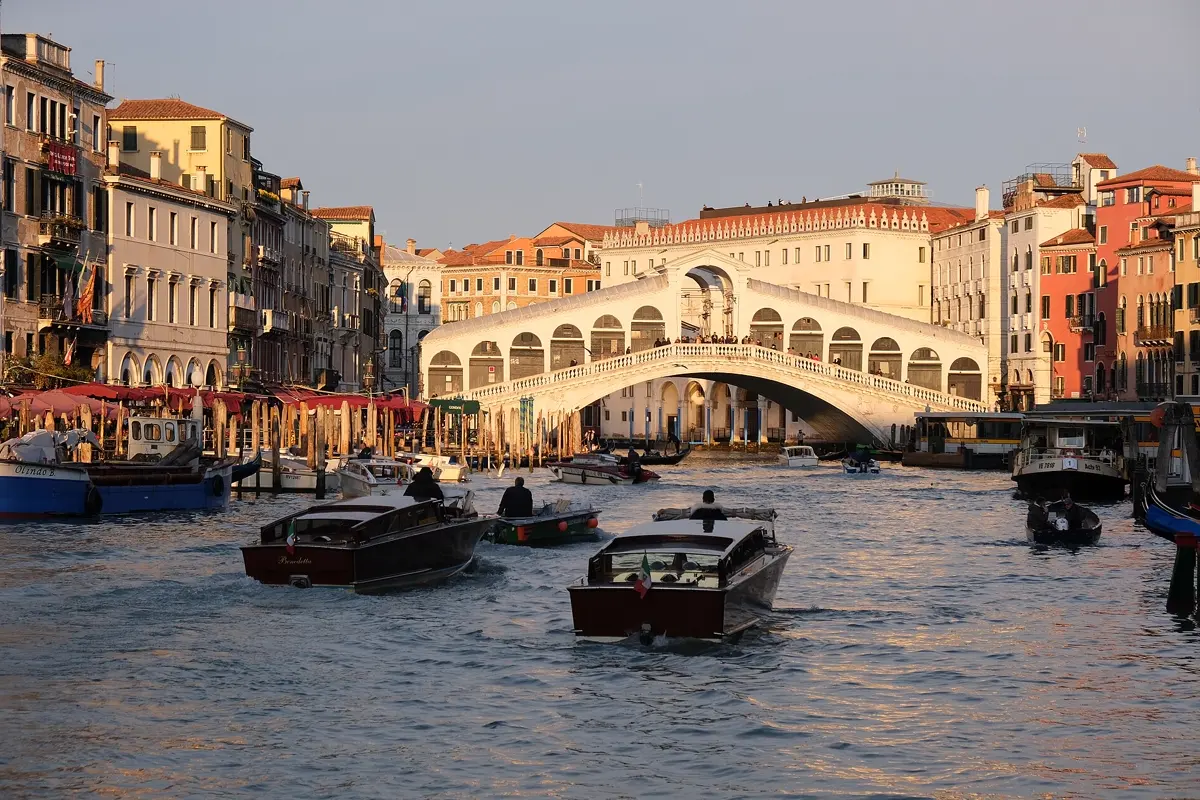
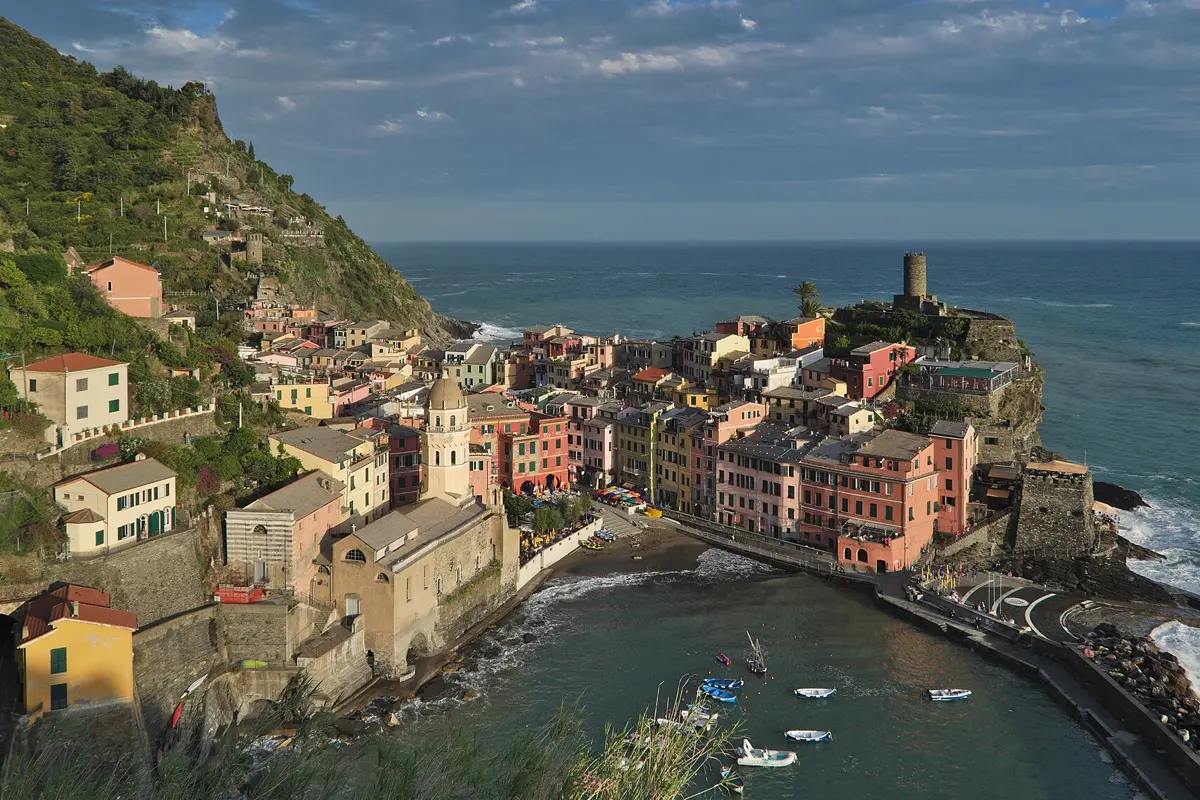
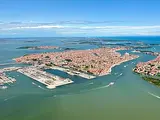
Milan, with its cathedral and the Galleria, is a good start if you arrive by train from the north. In Venice the train stops right on the Grand Canal. Florence is the best base for side trips: regional trains run from La Spezia to the Cinque Terre. Rome needs at least three days. At the end, Naples waits with the original pizza and trips to Pompeii.
 Venice trip planDay by day, with map and tips
 Rome trip planDay by day, with map and tips
Which route suits you?
| Route | Best for | Reservations |
|---|---|---|
| Western Europe | First Interrail trip, big cities and the sea | needed on many legs |
| Central Europe | Smaller budget, relaxed travel | mostly not needed |
| Italy | Art, food, short journey times | needed for high-speed trains |
You can also link the routes: from Vienna or Ljubljana you can reach Italy, and from Barcelona you can continue to southern Spain. Plan no more than three to four stops per week, or you will spend more time on the train than in the cities.
How YesTrip helps
In YesTrip you create a plan for each city on your route: a day-by-day plan with a map, the forecast for your travel days and a packing list that matches the weather and the plugs. For almost every city on these three routes there is a ready-made city plan you can take over. The map works offline too, and if you travel as a pair or a group, you keep track of shared expenses.
Free
Plan your trip in 30 seconds.
Tell YesTrip where and when – the app plans day by day with real places on the map, shows the weather, splits costs with your travel companions and guides you to the next stop on the go.
Frequently asked questions
Which Interrail route is good for beginners?
The Western Europe route from Amsterdam via Brussels, Paris, Lyon and Avignon to Barcelona. Most legs take only 1 to 2 hours, the cities are well known, and the sea waits at the end. You do need reservations for the high-speed trains in France and into Spain.
How many days do you need for an Interrail trip?
About two weeks is ideal for one of the three routes here, with two to three nights per city. Plan no more than three to four stops per week, or you will spend too much time on the train.
Do you need reservations with Interrail?
On many trains no, on some yes. They are compulsory mainly on high-speed trains in France, Italy and Spain, on the Eurostar and on night trains, and they cost a fee. In Germany, Austria, the Czech Republic and Hungary most long-distance trains need none. Current rules are on interrail.eu.
Who can use Interrail?
The Interrail pass is for people who live in Europe. If you live outside Europe, you use the Eurail pass. In your own country of residence, the Global Pass only covers the journey to the border and back.
Which Interrail route works without reservations?
The Central Europe route from Berlin via Prague, Vienna and Budapest to Ljubljana. On most long-distance trains in these countries the pass is enough, and journey times are between about 2.5 and 4.5 hours.
Sources
- Interrail: passes, reservations and rules – www.interrail.eu
- Eurail: rail pass for travellers from outside Europe – www.eurail.com
- Trenitalia: Frecciarossa and regional trains – www.trenitalia.com
- SNCF Connect: TGV connections in France – www.sncf-connect.com
Researched with AI support and checked by our editors. Prices, opening hours and weather can change – please check before you go. YesTrip is not a travel agency. Published: .
More articles
 City breaks & rail
Best city breaks in Germany: 12 cities compared
For a first city break in Germany, Berlin (3–4 days), Hamburg and Munich (2–3 days each) are the most varied choices. For a weekend in an … · 8 min read City breaks & rail
Best European city breaks: 15 weekend cities
For a long weekend in Europe, pick a city within about 2.5 hours' flight of London. For culture, Rome, Paris, Florence and Amsterdam are the … · 6 min read City breaks & rail
City breaks with kids: 10 cities in Europe
With children, cities with short distances, lots of parks and hands-on museums work best. Copenhagen, Amsterdam, Vienna and London lead the … · 6 min read

.jpg)
.jpg)


