
Best time to visit Malta: month by month
In short
The best time to visit Malta is April to June and September to October: Valletta then reaches 19 to 27 °C by day, with little rain. July and August are hot and dry at around 30 °C, the main beach season. Winter is mild, at 15 to 17 °C by day, but November to February bring most of the year's rain, up to 75 mm a month.
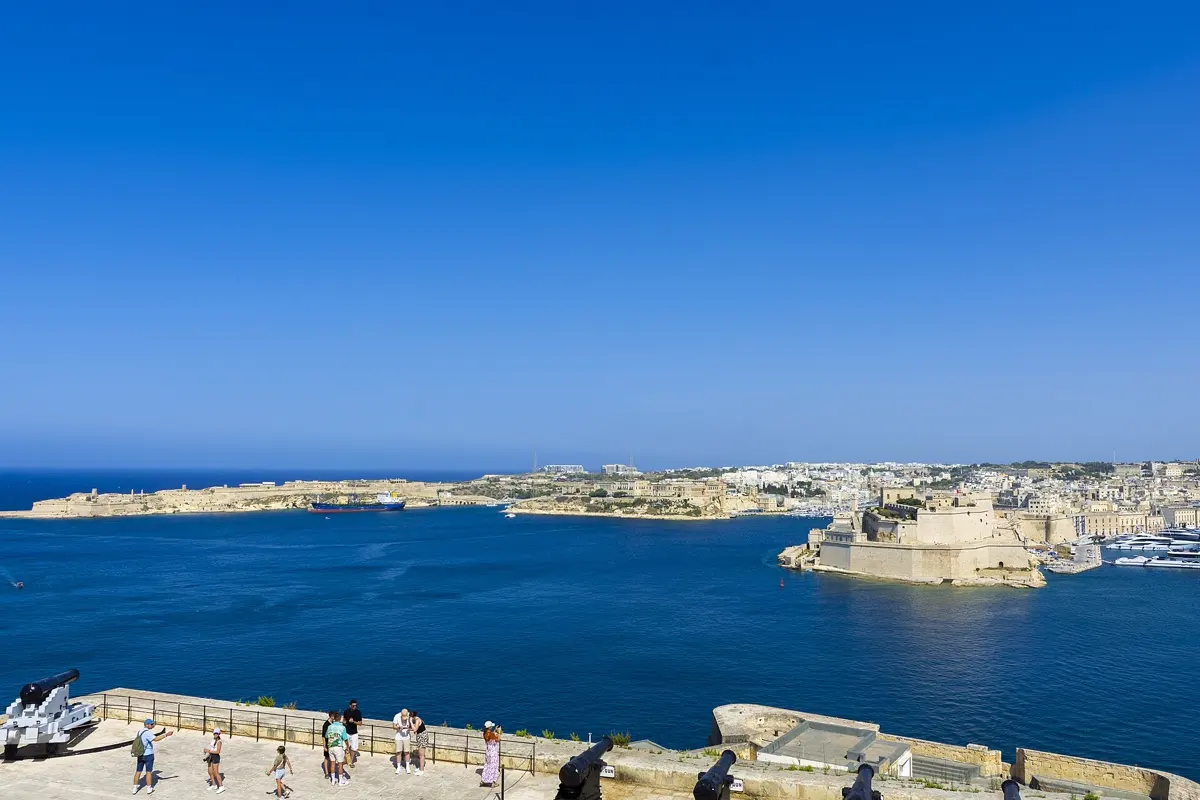
Malta lies in the middle of the Mediterranean, south of Sicily, and has one of the mildest climates in Europe. The islands of Malta, Gozo and Comino are small: the whole archipelago is about 316 km², and nowhere is far from the sea. That keeps winters mild and summers hot but rarely extreme. The question is less whether the weather is good and more what you want to do: walk around Valletta and Mdina, dive and swim, or escape the northern winter. We analysed the weather in Valletta from 2015 to 2024.
The short answer
- Best time overall: April to June and September to October. Valletta averages 18.6 °C by day in April, 22.0 °C in May and 27.6 °C in September.
- Beach season: June to September, at 27 to 30 °C by day and almost no rain from June to August.
- Hottest months: July and August, at 30 °C by day and 24 to 25 °C at night.
- Wettest months: October to February. November is the wettest at 75 mm.
- Winter: mild, at 15 to 17 °C by day and 11 to 14 °C at night – good for sightseeing, too cool for most swimmers.
Malta's climate: all 12 months
| Month | Day (avg. high) | Night (avg. low) | Rain per month |
|---|---|---|---|
| January | 15.3 °C | 11.5 °C | 36 mm |
| February | 15.6 °C | 11.4 °C | 46 mm |
| March | 16.6 °C | 12.4 °C | 33 mm |
| April | 18.6 °C | 14.2 °C | 14 mm |
| May | 22.0 °C | 17.1 °C | 14 mm |
| June | 26.9 °C | 21.3 °C | 3 mm |
| July | 30.2 °C | 24.2 °C | 1 mm |
| August | 30.3 °C | 25.2 °C | 5 mm |
| September | 27.6 °C | 23.3 °C | 32 mm |
| October | 24.3 °C | 20.2 °C | 54 mm |
| November | 20.7 °C | 16.9 °C | 75 mm |
| December | 17.2 °C | 13.6 °C | 37 mm |
Temperature and rain: monthly averages 2015–2024 from the ERA5 reanalysis (via Open-Meteo), rounded. A grid cell is about 25 km wide and here covers a lot of sea, so treat the values as a rough guide: the nights are probably a little milder than inland on the island, where they can feel cooler in winter. The seasonal pattern is reliable.
The range between day and night is small all year, because the sea around the islands stores heat. In summer this means warm nights of 24 to 25 °C; in winter it means hardly any frost.
Rain falls almost only from September to March, often as short, heavy showers. June to August are practically dry.
Malta month by month
April to June: spring
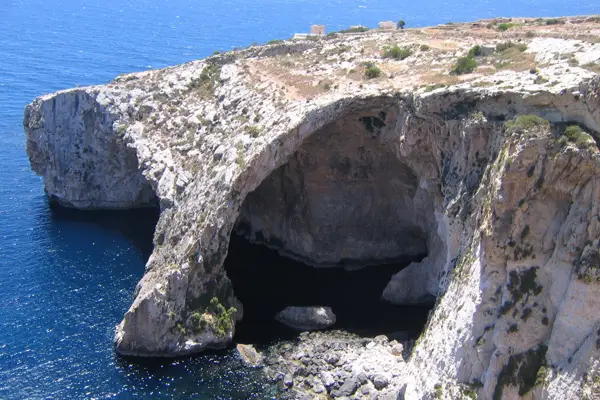
A very good time for sightseeing: the countryside is still green in April, the days are warm, and the summer crowds have not yet arrived. Walks along the cliffs of Gozo or to the Blue Grotto are pleasant. The sea warms up through May and June; by June most people find it warm enough to swim.
July and August: summer
Hot and dry, at around 30 °C by day and warm nights. This is the main season for beaches, boat trips to Comino and diving. Plan sightseeing in Valletta and Mdina for the morning or evening. According to the UK travel advice, some beaches have strong undercurrents; lifeguards usually patrol in summer and use a flag system – red flags mean hazardous conditions.
September and October: autumn
September is still summer at 27.6 °C, with the sea at its warmest after the long summer. October brings the first heavier rain (54 mm) but often many sunny days at 24 °C. Both months are good for combining beach and sightseeing.
November to March: winter
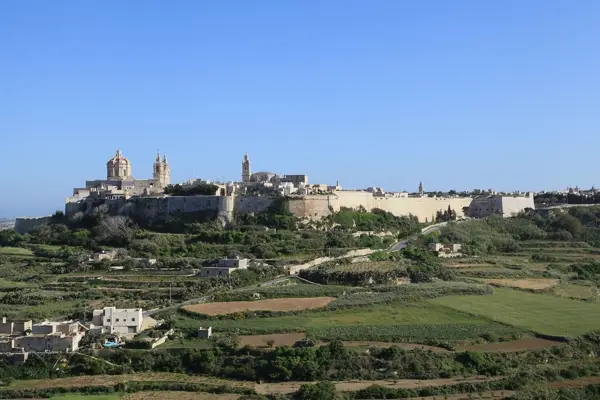
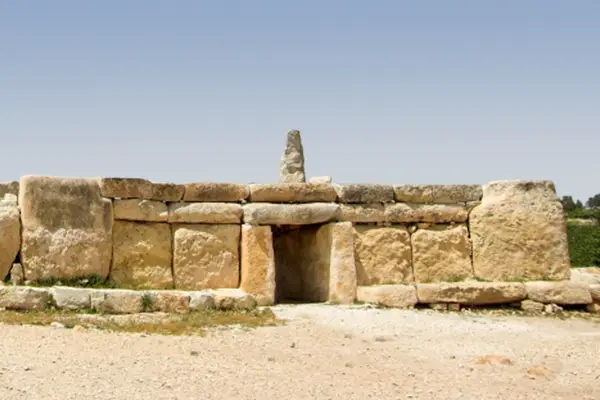
Mild by day at 15 to 17 °C, but with the most rain of the year. Many visitors come for city breaks, the historic sites and the quiet: Valletta, the Three Cities, Mdina and the prehistoric temples are easy to explore without heat. For swimming, the sea is too cool for most people.

Getting around the islands
Malta is compact: from Valletta, buses reach most of the main island, and ferries link Malta with Gozo. Many travellers stay in Valletta or Sliema and make day trips to Mdina, the south coast and Gozo. If you want to explore Gozo's coast at your own pace, a hire car* helps; note that Malta drives on the left. Comparing other Mediterranean islands? See the best time to visit Crete, the best time to visit Sardinia and our Sicily road trip.
How YesTrip helps with this trip
In YesTrip you plan Valletta, Mdina, the south coast and a day on Gozo day by day on one map, with the ferry and bus legs. The forecast for your travel days shows when a beach day is better swapped for the museums of Valletta, and the packing list adds sun protection in summer or a light rain jacket in winter. Travelling with friends, you share the trip and split costs like boat trips and the hire car.
Before you go
- Entry: Malta is in the Schengen area. Check the current entry rules for British citizens on gov.uk before you travel.
- Time: Malta is 1 hour ahead of the UK all year.
- Power: 230 volts with type G sockets, the same as in the UK – no adapter needed.
- Mobile data: a travel eSIM* can be cheaper than roaming, depending on your UK provider; our eSIM price index compares the prices per gigabyte.
More destinations by month: Best time to visit: where to go when.
* Ad – Partner link: if you book there, we earn a commission. Your price stays the same.
Free
Plan your trip in 30 seconds.
Tell YesTrip where and when – the app plans day by day with real places on the map, shows the weather, splits costs with your travel companions and guides you to the next stop on the go.
Frequently asked questions
What is the best month to visit Malta?
May and September are the best all-round months. Valletta averages 22.0 °C by day in May and 27.6 °C in September, with little rain. May is better for walking, September for swimming.
When can you swim in Malta?
Most people swim from June to October. In the model data the days are 27 to 30 °C from June to September, and the sea stays warm into autumn after the long summer. In winter, the water is too cool for most swimmers.
Is Malta too hot in summer?
It is hot but rarely extreme: July and August average around 30 °C by day, with warm nights of 24 to 25 °C. For sightseeing, early mornings and evenings are more pleasant.
Is Malta worth visiting in winter?
Yes, for a mild city and culture break. Valletta averages 15 to 17 °C by day from December to March. Expect some rainy days; November is the wettest month at 75 mm.
When does it rain in Malta?
Mainly from September to March. November is the wettest month with 75 mm, while June to August are almost dry, with 1 to 5 mm a month.
Sources
- Climate data: Open-Meteo Historical Weather API (ERA5), average 2015–2024 – open-meteo.com
- Copernicus ERA5 reanalysis (Hersbach et al. 2020) – cds.climate.copernicus.eu
- Beaches, undercurrents and lifeguard flags: UK Foreign Travel Advice for Malta – www.gov.uk
- City of Valletta: UNESCO World Heritage – whc.unesco.org
- Megalithic Temples of Malta: UNESCO World Heritage – whc.unesco.org
- Entry requirements for Malta: UK Foreign Travel Advice – www.gov.uk
Researched with AI support and checked by our editors. Prices, opening hours and weather can change – please check before you go. YesTrip is not a travel agency. Published: .
More best-time guides
 When to go
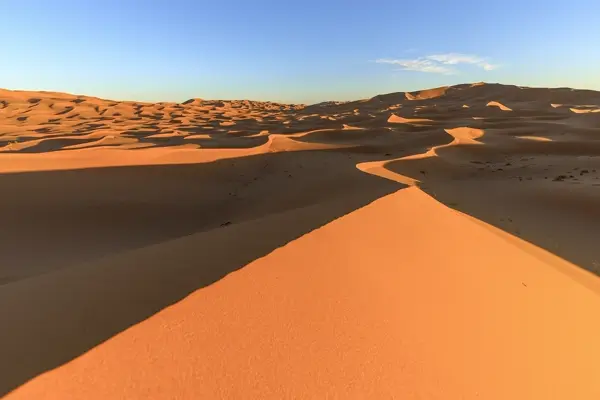
Best time to visit Morocco: weather by region
The best time to visit Morocco is March to May and October to November: Marrakech then has 23 to 30 °C by day, and even the Sahara around … · 9 min read When to go
Best time to visit Mauritius: summer and winter
The best time to visit Mauritius is September to December plus April and May: the north and west coasts then see 26 to 30 °C by day and … · 7 min read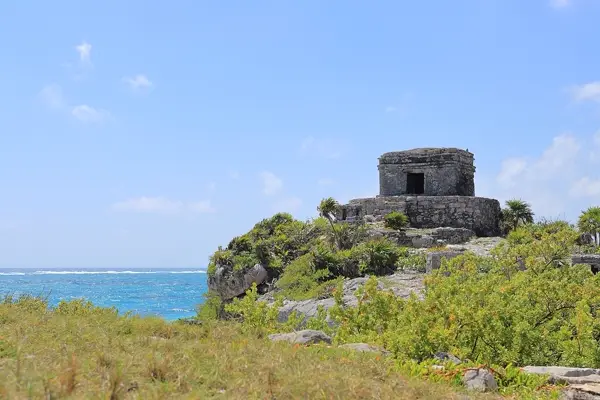 When to go
Best time to visit Mexico: Yucatán and Cancún
The best time to visit Cancún and the Yucatán Peninsula is December to April: it is warm at 26 to 29 °C by day and comparatively dry (37 mm … · 8 min read
All destinations: best time to visit and warm places by month


