
How many days in Verona? Plans for 1–4 days
In short
One day in Verona covers the Arena, Juliet's House, Piazza delle Erbe and Piazza dei Signori. Two days add San Zeno, Castelvecchio, the Roman bridge and the view from Castel San Pietro. Three days are ideal, with a day in Sirmione on Lake Garda; with 4 days, add Valpolicella, Vicenza or Venice. The most pleasant months are April to June and September to October.
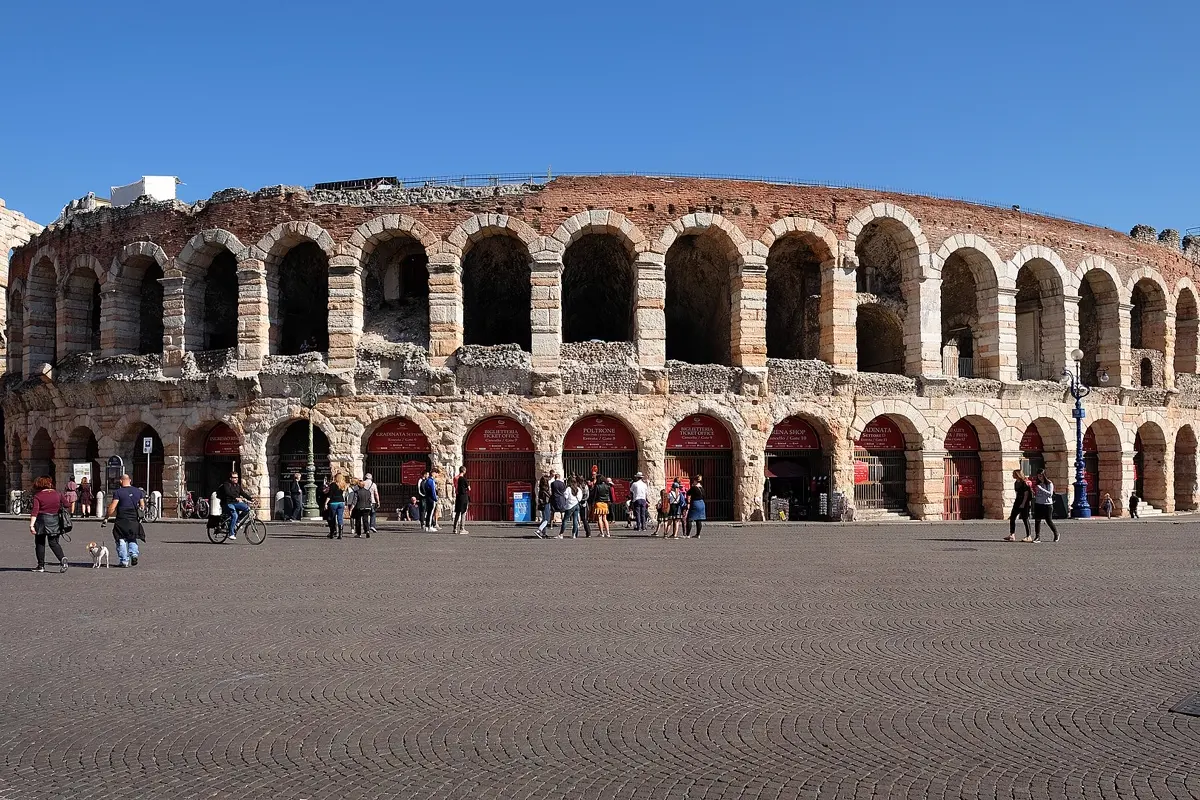
Verona is a small city in a loop of the Adige river, with a Roman amphitheatre in the middle, medieval squares and the balcony that Shakespeare's Romeo and Juliet made famous. The whole old town is a UNESCO World Heritage Site, and almost everything is within a short walk. Many people see it in a day from Lake Garda or Venice, but it rewards a night or two. The short answer: 1 day for the highlights, 2 days for the city at an easy pace, 3 days are ideal with Sirmione on Lake Garda.
How many days in Verona? The overview
| Days | What you see | Best for |
|---|---|---|
| 1 day | the Arena, Juliet's House, Piazza delle Erbe, the Torre dei Lamberti, Piazza dei Signori, the Scaliger Tombs | a day trip from Lake Garda or Venice |
| 2 days | plus San Zeno, Castelvecchio and its bridge, the cathedral, Ponte Pietra, Castel San Pietro | a weekend, first visit |
| 3 days | plus a day trip to Sirmione on Lake Garda | the ideal length |
| 4 days | plus Valpolicella, Vicenza, Mantua or Venice | return visitors, a long weekend |
| 5+ days | plus more of Lake Garda or the Dolomites | anyone combining city and lake |
In summer, the Arena di Verona Opera Festival fills the amphitheatre with open-air opera – and the city's hotels. The 2027 festival runs from 11 June to 11 September, according to the Arena's website; if you travel then, book rooms and tickets early.
One day in Verona: the Arena and the old squares
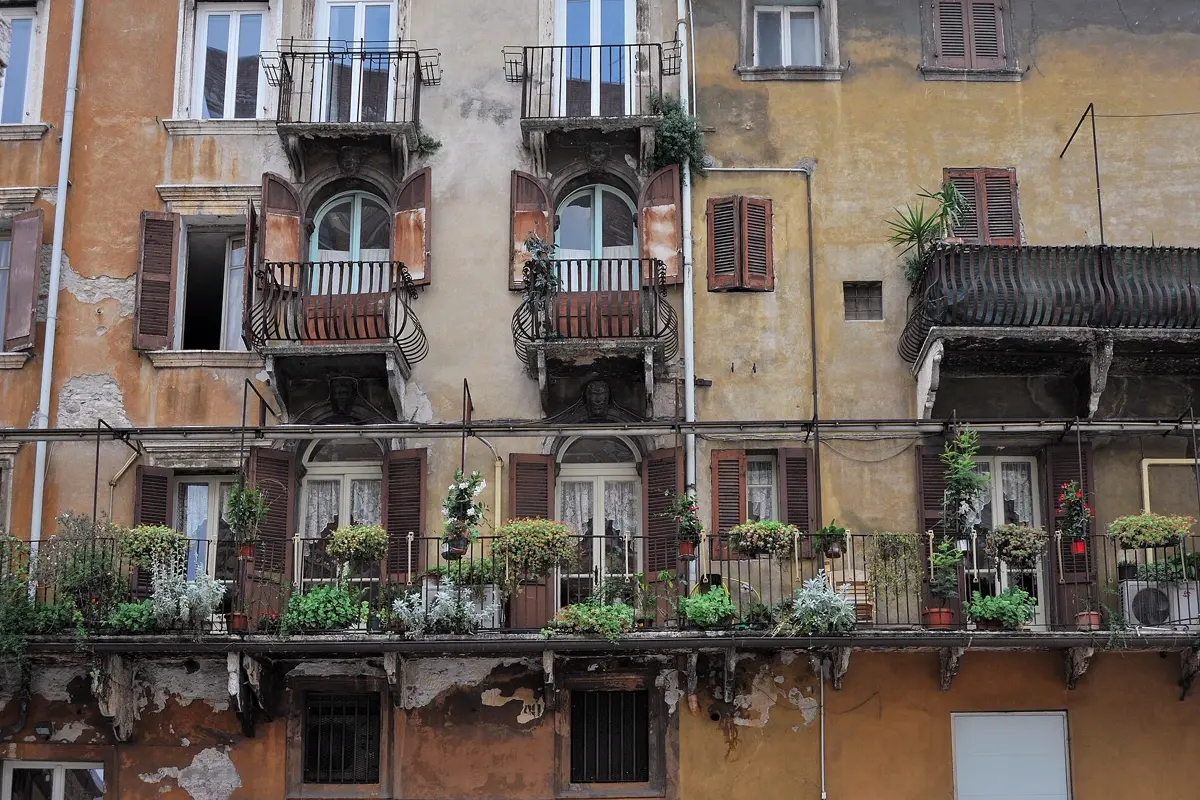
One day is enough for the heart of the city. Start at the Arena on Piazza Bra, a 1st-century Roman amphitheatre and one of the best preserved anywhere. Walk along Via Mazzini to Juliet's House, a medieval house with the famous balcony – the courtyard is small and often packed, so come early. A few steps further, Piazza delle Erbe, on the site of the Roman forum, has market stalls, painted façades and places to eat.
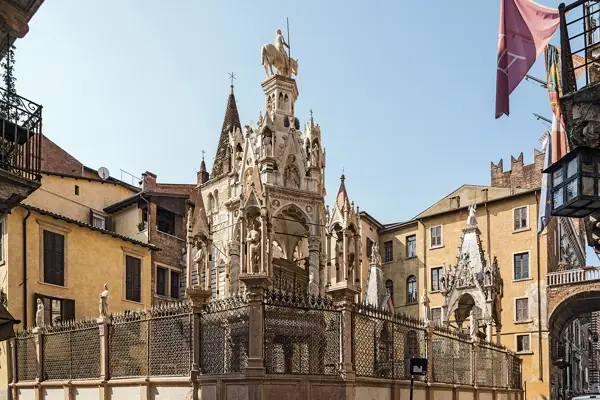
After lunch, climb the Torre dei Lamberti, the tallest tower in the old town, for a view across the rooftops to the hills. Behind it lies the quieter Piazza dei Signori with a statue of Dante, and next to it the Gothic Scaliger Tombs of the family that ruled Verona in the Middle Ages. In the evening, join the passeggiata on the Liston, the wide promenade on Piazza Bra.
Two days in Verona: San Zeno and the river
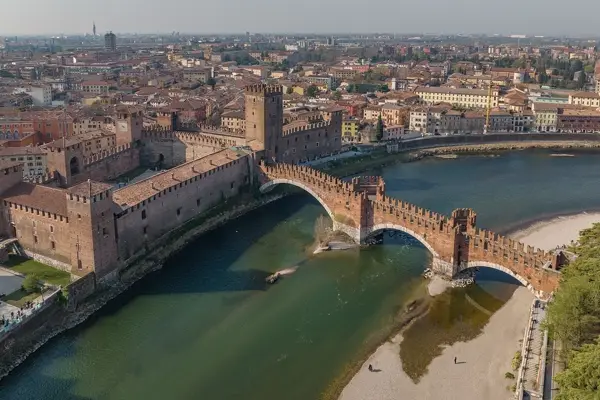
The second day follows the Adige. Start at the Basilica of San Zeno, a Romanesque church with bronze doors, a large rose window and an altarpiece by Andrea Mantegna. Walk back along the river to Castelvecchio, the Scaligers' castle, now a museum redesigned by the architect Carlo Scarpa, and cross its crenellated brick bridge, blown up in 1945 and rebuilt with the original stones.
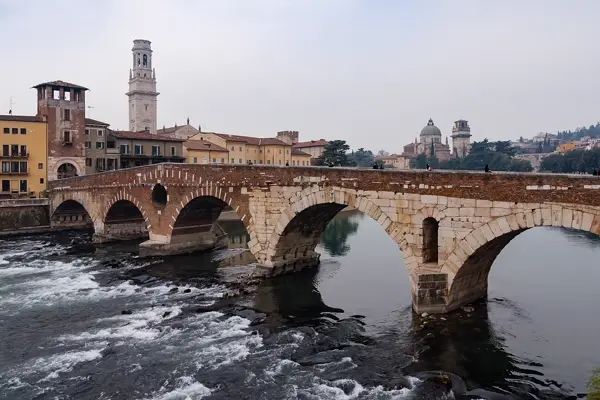
In the afternoon, visit the cathedral with Titian's Assumption, cross the Roman Ponte Pietra and climb the steps – or take the small funicular – to Castel San Pietro, the best view of the old town and the river bend. Tickets for the Arena, museums and tours* are also on Tiqets. With two days you have seen Roman, medieval and Renaissance Verona without rushing.
Three days in Verona: the ideal length
Three days add the lake. Our ready-made plan divides them like this:
- Day 1 – the Arena and the old town squares: the Arena, Juliet's House, Piazza delle Erbe, the Torre dei Lamberti, Piazza dei Signori, the Scaliger Tombs.
- Day 2 – San Zeno, Castelvecchio and Castel San Pietro: San Zeno, Castelvecchio and its bridge, Porta Borsari, the cathedral, Ponte Pietra, Castel San Pietro.
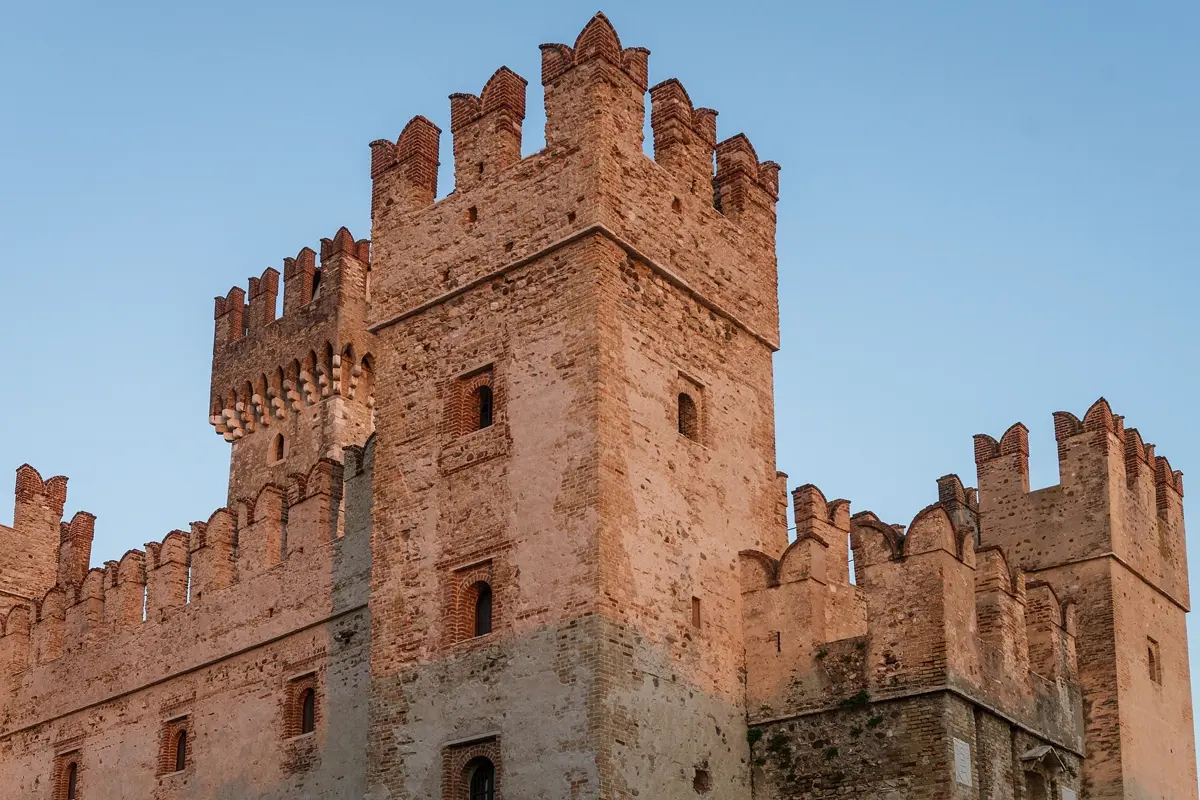
- Day 3 – Sirmione on Lake Garda: the Scaliger Castle with its own harbour, the lanes of the old town on the peninsula, the Grottoes of Catullus – the ruins of a large Roman villa – and the flat rocks of Jamaica Beach, then back to Piazza Bra for the evening.
Sirmione is reached by bus straight from Verona, or by regional train to Desenzano or Peschiera del Garda and then a bus. The old town of Sirmione is largely closed to cars.
Four days or more: Valpolicella, Vicenza and Venice
From the fourth day, Verona is a good base. The Valpolicella hills north of the city are the home of Amarone, with wineries that offer tastings by appointment. Vicenza, a short train ride east, is the city of the architect Palladio and a UNESCO World Heritage Site; Mantua, to the south, has the Gonzaga palaces. Venice is just over an hour away by high-speed train – possible as a day trip, though it deserves more. Train connections* can be compared on Omio.
Where to stay in Verona
For a short stay, two areas work best:
- The old town (Città Antica): right between the Arena, Piazza delle Erbe and the bridges. The nicest base for a short visit, but the most expensive.
- Around Porta Nuova station: handy for trips to Lake Garda and for arriving by train; the Arena is about a quarter of an hour on foot.
A bus runs from the airport to Porta Nuova station; for a late arrival with luggage, an airport transfer in Verona* can be booked with Kiwitaxi. Visitors from outside the EU, for example from the UK, usually pay less with a travel eSIM for Italy* (Airalo) than with roaming; our eSIM price index compares the prices per gigabyte.
Best time to visit Verona
| Month | Day (avg. high) | Night (avg. low) | Rain per month |
|---|---|---|---|
| Jan | 7.9 °C | -0.2 °C | 42 mm |
| Feb | 10.8 °C | 2.3 °C | 73 mm |
| Mar | 14.5 °C | 4.5 °C | 60 mm |
| Apr | 18.6 °C | 8.3 °C | 72 mm |
| May | 22.1 °C | 12.9 °C | 136 mm |
| Jun | 27.7 °C | 17.7 °C | 89 mm |
| Jul | 30.6 °C | 20.4 °C | 64 mm |
| Aug | 30.2 °C | 19.9 °C | 70 mm |
| Sep | 24.8 °C | 15.4 °C | 83 mm |
| Oct | 19.5 °C | 11.1 °C | 95 mm |
| Nov | 12.9 °C | 5.3 °C | 84 mm |
| Dec | 8.5 °C | 1.2 °C | 61 mm |
Averages 2015–2024 from the ERA5 reanalysis (via Open-Meteo), rounded.
Verona is most pleasant from April to June and in September and October, with 19 to 28 °C by day. May is one of the wettest months, often with afternoon thunderstorms. July and August reach about 30 °C, and during the opera season the city is very busy. Winters are cool and often foggy, with nights around freezing, but quiet – and in Advent there are Christmas markets in the old town.
Verona compared: how many days for other cities?
If you are choosing between cities, this is how many days we recommend in this series for a first visit.
Base map: Natural Earth
More in our articles how many days in Venice and how many days in Bologna, and all cities of the series in the overview how many days in each city.
How YesTrip helps you plan
YesTrip has a ready-made three-day plan for Verona with times, short walks and a map for each day, including the day in Sirmione. With one tap you copy it into the app, then move stops, drop what does not interest you and add your hotel, an evening at the opera or a day in Venice. The app shows the weather for your travel days, the packing list suggests an umbrella when thunderstorms are likely, and with the offline package you have the map without a connection. YesTrip is free.
 Verona trip planDay by day, with map and tips
The mountains are close to Verona, and our 7-day Dolomites itinerary starts right here at the airport.
* Ad – Partner link: if you book there, we earn a commission. Your price stays the same.
Free
Plan your trip in 30 seconds.
Tell YesTrip where and when – the app plans day by day with real places on the map, shows the weather, splits costs with your travel companions and guides you to the next stop on the go.
Frequently asked questions
How many days do you need in Verona?
One day is enough for the Arena and the old town squares, two for the city at an easy pace with San Zeno and Castel San Pietro. Three days are ideal and add Sirmione on Lake Garda.
Is 1 day enough for Verona?
For the highlights, yes: the Arena, Juliet's House, Piazza delle Erbe and Piazza dei Signori are all within a few minutes of each other. San Zeno, Castelvecchio and the view from Castel San Pietro need a second day.
Is Juliet's balcony worth it?
The courtyard is small and usually crowded, and the balcony itself was only added in the 20th century. A quick look is enough; it is calmest early in the morning.
When is the opera season at the Arena?
In summer. The 2027 Arena di Verona Opera Festival runs from 11 June to 11 September, according to the Arena's website; book tickets and hotels early for popular nights.
What is the best time to visit Verona?
April to June and September to October, with 19 to 28 °C by day. July and August are hot and busy during the opera season; winter is quiet, cool and often foggy.
Sources
- Climate data: Open-Meteo Historical Weather API, daily values 2015–2024 – open-meteo.com
- Copernicus ERA5 reanalysis (Hersbach et al. 2020) – cds.climate.copernicus.eu
- Visit Verona, official tourism website – www.visitverona.it
- Fondazione Arena di Verona: Opera Festival – www.arena.it
- UNESCO World Heritage: City of Verona – whc.unesco.org
- Visit Garda, official Lake Garda tourism website – www.visitgarda.com
Researched with AI support and checked by our editors. Prices, opening hours and weather can change – please check before you go. YesTrip is not a travel agency. Published: .
More articles
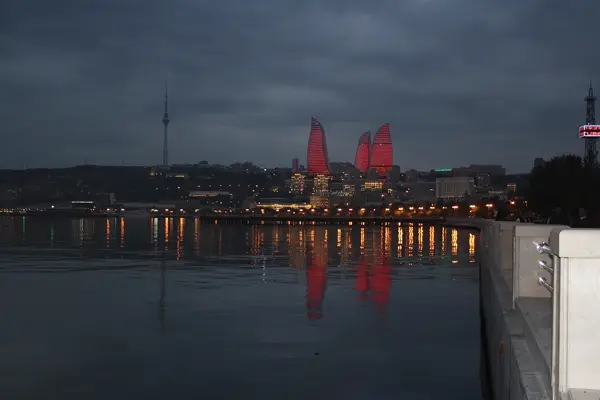 How many days?
How many days in Baku? 3 with Gobustan
Two days are enough for Baku's old town, the Boulevard and the Heydar Aliyev Center. The third belongs to Gobustan, 64 km away, with more … · 6 min read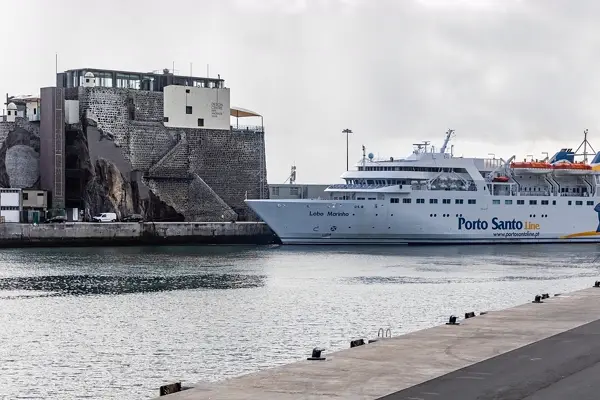 How many days?
How many days in Funchal? 3, or 5+ for Madeira
Two days are enough for Funchal: the old town, the market, the cable car and the gardens at Monte. Day three goes to the mountains, with … · 6 min read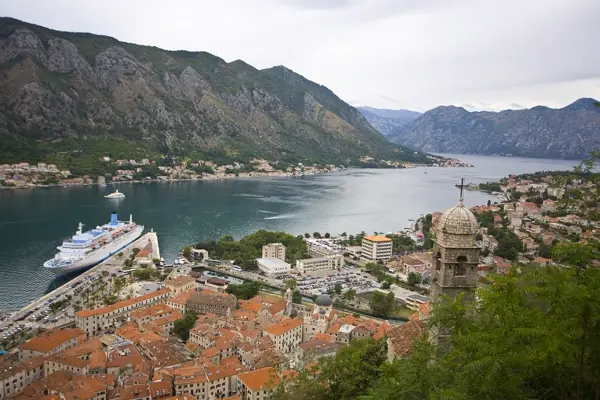 How many days?
How many days in Kotor? 2 with Perast
Two days are enough for Kotor: the old town and about 1,300 steps to the fortress on the first, Perast and the island of Our Lady of the … · 6 min read


