
How many days in Venice? Plans for 1–4 days
In short
Two days in Venice cover the classics – St Mark's Basilica, the Doge's Palace, the Rialto Bridge, the Grand Canal and the art district of Dorsoduro. Three days are ideal, leaving a full day for the islands of Murano, Burano and Torcello. With 4 or 5 days, add San Giorgio Maggiore, the Lido or Padua. The most pleasant months are May, June and September (21 to 26 °C by day).
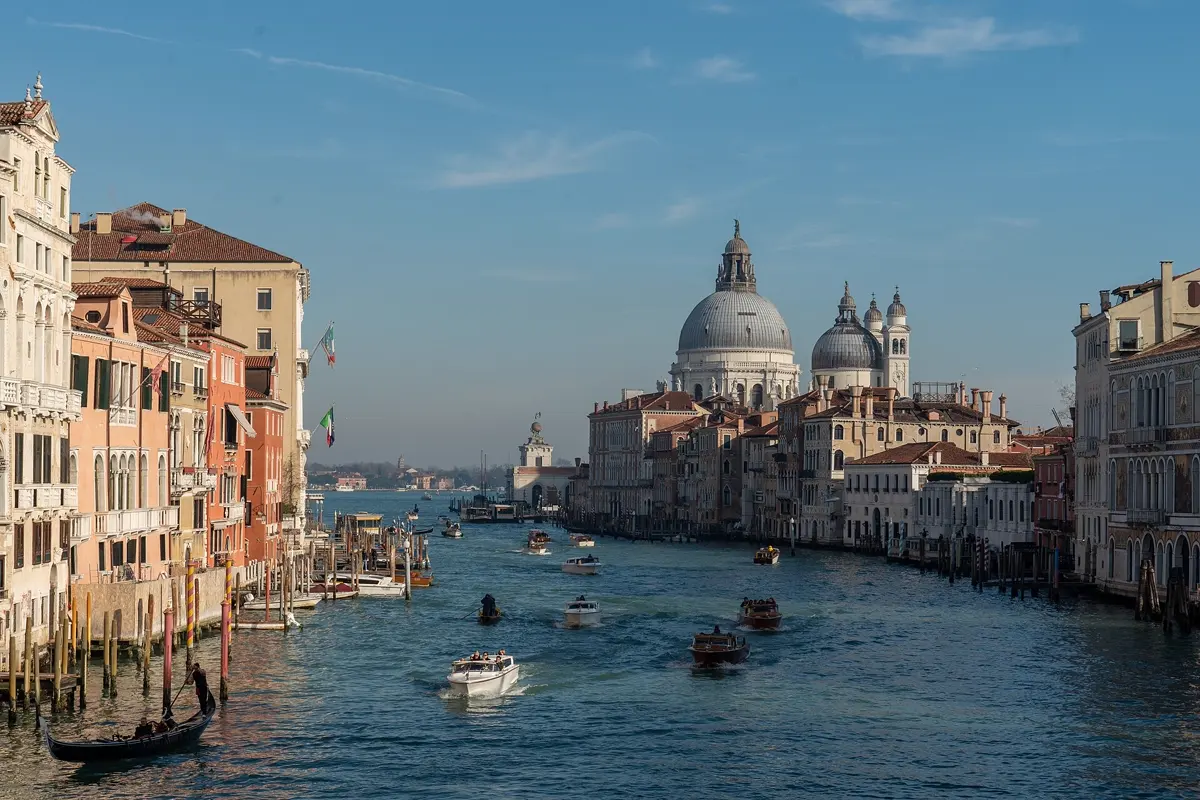
Venice has no cars – instead it has alleys, bridges and boats. The historic centre is smaller than it feels, but the maze of lanes and canals makes every walk longer than the map suggests. Then there is the lagoon with its islands, which needs a day of its own. The short answer: 2 days for San Marco, Rialto and Dorsoduro, 3 days are ideal with a day on Murano, Burano and Torcello, and from 4 days San Giorgio Maggiore, the Lido or a trip to Padua are worth it.
One thing speaks especially for more than a day in Venice: in the evening, once the day visitors have left, the city becomes much quieter. If you stay overnight, you see St Mark's Square almost empty early in the morning.
How many days in Venice? The overview
| Days | What you see | Best for |
|---|---|---|
| 1 day | the Rialto Bridge, St Mark's Square, St Mark's Basilica, the Doge's Palace, a boat ride along the Grand Canal | a stopover or cruise call |
| 2 days | plus the Rialto Market, the Campanile, the Gallerie dell'Accademia, Santa Maria della Salute, the Ghetto, Cannaregio in the evening | a long weekend |
| 3 days | plus a day on Murano, Burano and Torcello | the ideal length |
| 4 days | plus San Giorgio Maggiore, Giudecca, the Lido or a day in Padua | a relaxed first visit |
| 5+ days | plus the Peggy Guggenheim Collection at leisure, Castello, a second trip to the mainland | anyone who wants Venice in depth |
A few things matter for planning: book the Doge's Palace in advance. In St Mark's Basilica shoulders and knees must be covered, and large backpacks stay outside. On certain days, day visitors pay an access fee for the city, while overnight guests are exempt – check the days and rules on the city's official website before you travel.
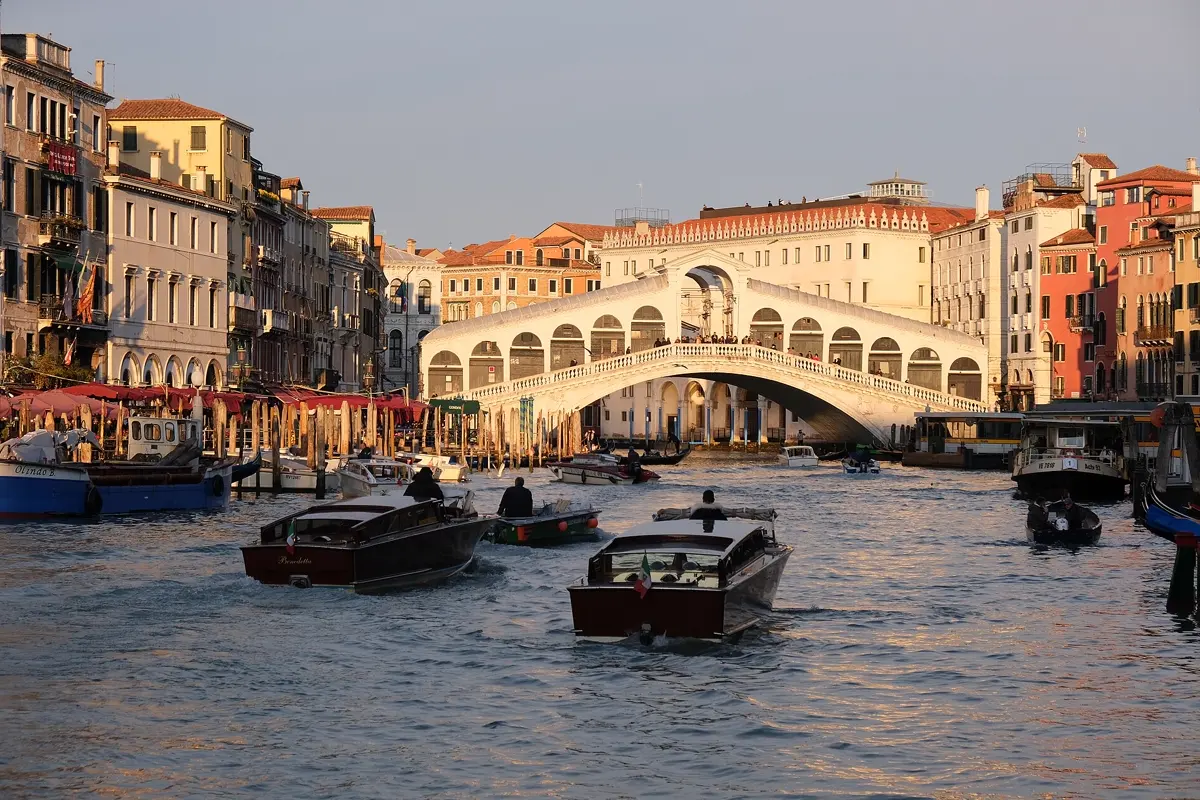
One day in Venice: Rialto, San Marco and the Grand Canal
One day is enough for the two best-known places and a ride along the Grand Canal. Go early to the Rialto Bridge, the oldest stone bridge over the Grand Canal, while its steps are still empty. From there walk through the lanes to St Mark's Square: first into St Mark's Basilica with its golden mosaics, then into the Doge's Palace with its council halls and prison, which you reach across the Bridge of Sighs.
In the afternoon take the vaporetto, the water bus, along the Grand Canal – a city tour without a guide, past palaces and landing stages. Get off at Accademia and walk into Dorsoduro to the baroque domed church of Santa Maria della Salute at the mouth of the canal. In the evening have cicchetti, small Venetian snacks, in a bacaro.
The lagoon islands do not fit into this day.
Two days in Venice: San Marco and Dorsoduro
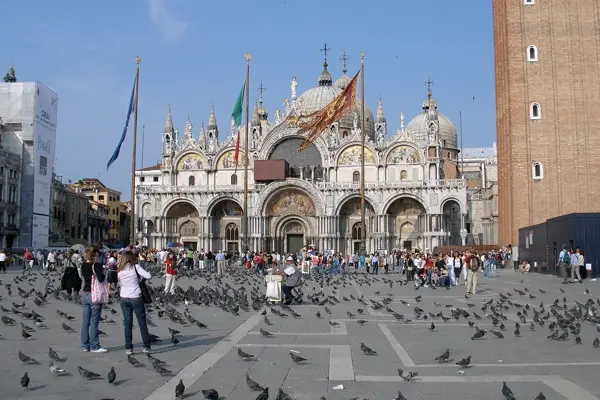
With two days you give each side of the Grand Canal a day. The first day starts at the Rialto Market with fruit, vegetables and fish – mornings only and not every day of the week. Then the Rialto Bridge, the hidden spiral staircase Scala Contarini del Bovolo with a view over the roofs, St Mark's Basilica and the Doge's Palace. Finish by taking the lift up the Campanile di San Marco to see the lagoon and its islands. You can find time slots for the Doge's Palace and the Campanile* at Tiqets, for example.
The second day belongs to Dorsoduro and Cannaregio: in the morning the Gallerie dell'Accademia with Venetian painting from Bellini to Titian, then the Peggy Guggenheim Collection with modern art in a palazzo on the Grand Canal, and the church of Santa Maria della Salute. In the afternoon head to the Jewish Ghetto, the first ghetto to bear that name, with tall houses and old synagogues. In the evening walk along the Fondamenta della Misericordia in Cannaregio with its bars and bacari.
Three days in Venice: the ideal length
Three days are right for a first visit because they leave a full day for the lagoon. Our ready-made plan:
- Day 1 – Rialto and San Marco: the Rialto Market, the Rialto Bridge, Scala Contarini del Bovolo, St Mark's Basilica, the Doge's Palace, the Campanile di San Marco.
- Day 2 – Dorsoduro, the Grand Canal and Cannaregio: Gallerie dell'Accademia, the Peggy Guggenheim Collection, Santa Maria della Salute, the Jewish Ghetto, cicchetti on the Fondamenta della Misericordia in the evening.
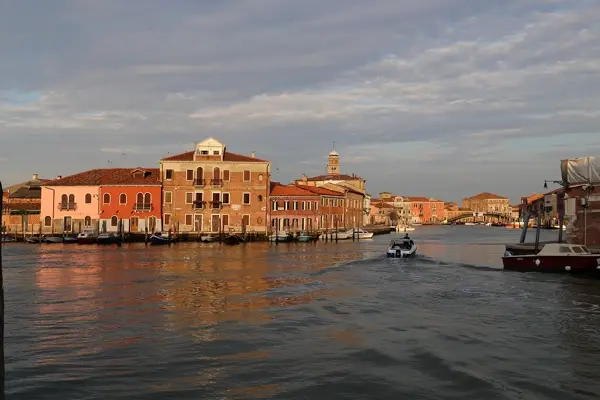
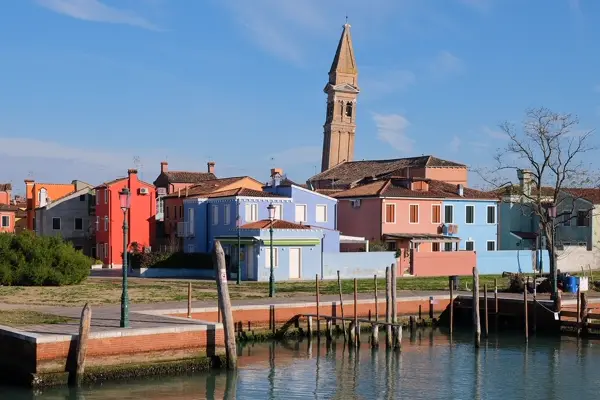
- Day 3 – Murano, Burano and Torcello: the Glass Museum on Murano and a workshop to watch glassblowing, the church of Santa Maria e San Donato with its 12th-century mosaic floor, lunch on Burano with its colourful houses and lace tradition, and in the afternoon the almost empty island of Torcello with its cathedral and the great mosaic of the Last Judgement.
You reach the islands by vaporetto; boats to Murano and Burano leave from Fondamente Nove in the north of Cannaregio, among other stops. Single tickets are expensive; if you use boats a lot over two or three days, a travel card for a set period is the better choice.
Four days or more: San Giorgio, the Lido and Padua
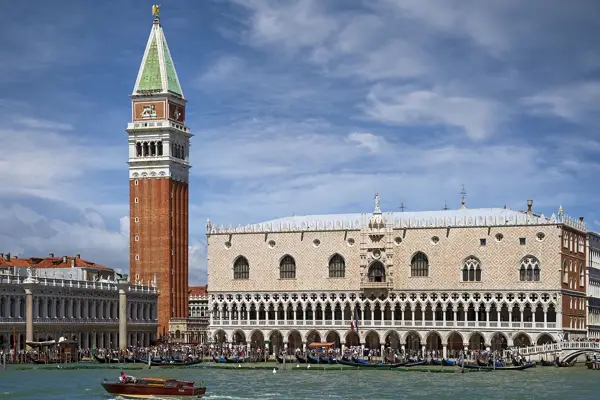
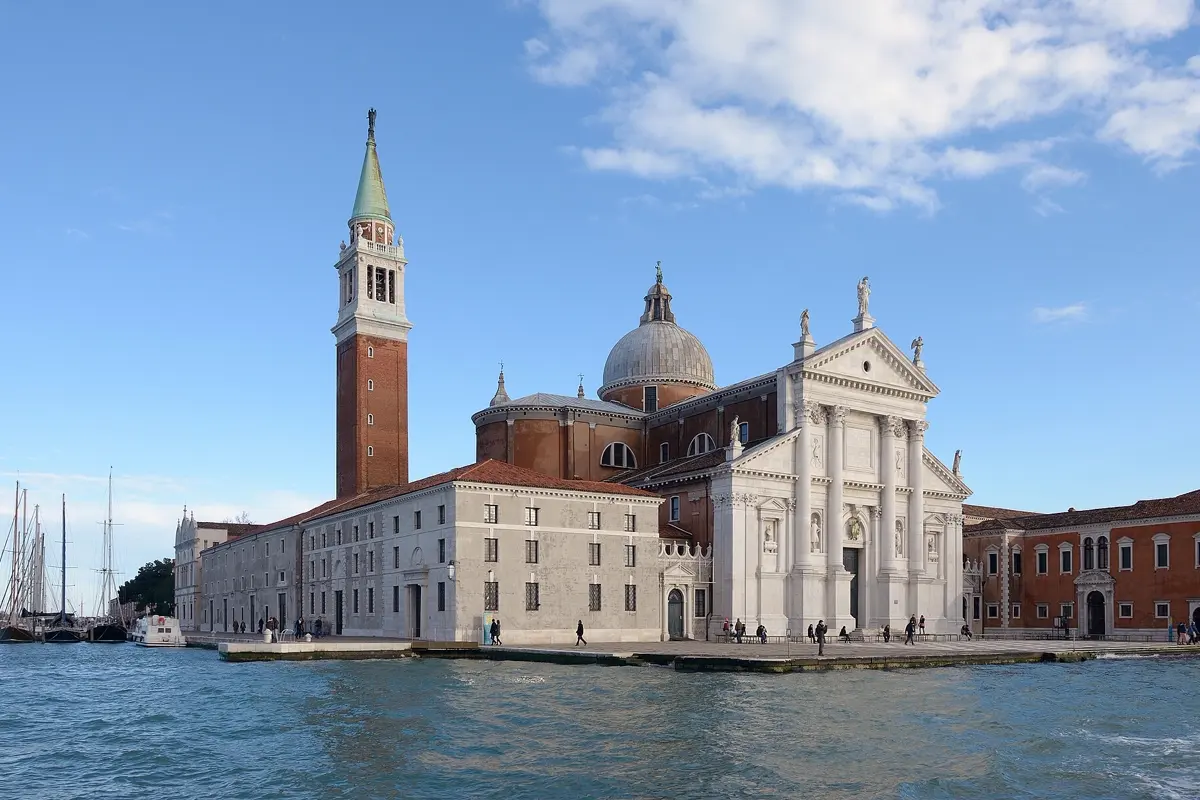
With a fourth day Venice becomes more relaxed. Opposite St Mark's Square lies the island of San Giorgio Maggiore with Palladio's church; from its bell tower you look across to San Marco and the Doge's Palace. Next to it is Giudecca, a long island with homes and waterfront paths, looking across to the Zattere in Dorsoduro. The Lido is the narrow island between the lagoon and the Adriatic, with a long beach – in summer a break from the crowds of the old town.
For a trip to the mainland, Padua is a good choice, about half an hour to 45 minutes by train from Venezia Santa Lucia depending on the connection. Its highlight is the Scrovegni Chapel with Giotto's frescoes; entry is by reservation only. You can compare train connections* at Omio, for example. If you want to go further, Verona is also reachable by train, but it needs a full day.
If you would rather stay in the city, take a walk through Castello in the east, the quietest district of the old town, and cross the Grand Canal on a traghetto, a gondola ferry that runs at a few points.
Where to stay in Venice
Two areas suit a short stay:
- Cannaregio: a residential district with canals, bars and normal prices. Close to the station and to the boats to the islands.
- Dorsoduro: quiet, with museums, students and the Zattere waterfront. Good if you would rather not stay in the bustle around San Marco.
In Venice you walk or take the vaporetto. Allow time to reach your accommodation: with a suitcase over bridges with steps, it takes longer than the map shows. From the airport, buses run to Piazzale Roma and boats go directly to stops in the city; you can book a transfer from Venice airport* at Welcome Pickups, for example. From autumn to spring, high water (acqua alta) can flood parts of the city, usually for just a few hours.
Best time to visit Venice
| Month | Day (avg. high) | Night (avg. low) | Rain per month |
|---|---|---|---|
| Jan | 7.6 °C | 0.7 °C | 52 mm |
| Feb | 9.8 °C | 2.8 °C | 67 mm |
| Mar | 12.9 °C | 5.1 °C | 64 mm |
| Apr | 16.6 °C | 8.9 °C | 75 mm |
| May | 20.8 °C | 13.7 °C | 126 mm |
| Jun | 25.9 °C | 18.5 °C | 78 mm |
| Jul | 28.6 °C | 20.8 °C | 50 mm |
| Aug | 28.7 °C | 20.7 °C | 75 mm |
| Sep | 23.9 °C | 16.5 °C | 110 mm |
| Oct | 18.9 °C | 12.1 °C | 101 mm |
| Nov | 13.1 °C | 6.7 °C | 102 mm |
| Dec | 8.7 °C | 2.2 °C | 61 mm |
Averages 2015–2024 from the ERA5 reanalysis (via Open-Meteo), rounded. The values describe a grid cell of about 25 km that mixes lagoon and mainland.
Venice is most pleasant in May, June and September: 21 to 26 °C by day, warm enough for long evenings by the water. May, however, is the wettest month at 126 mm on average, so pack a rain jacket. In July and August daytime highs are just under 29 °C, it is humid and the city is very crowded. April and October are cooler at 17 to 19 °C, but quieter. Winter is cold at 8 to 10 °C by day, yet the lanes are emptier than at any other time. YesTrip shows you the weather for your actual travel days.
Venice compared: how many days for other cities?
If you are torn between several cities: this is how many days we recommend in this series for a first visit.
Base map: Natural Earth
Venice combines well with Florence and Rome – all three lie on Italy's high-speed rail lines. More in our articles on Florence and Rome.
How YesTrip helps you plan
YesTrip has a ready-made three-day plan for Venice: Rialto and San Marco on day one, Dorsoduro, the Grand Canal and Cannaregio on day two, Murano, Burano and Torcello on day three. The stops have times and are laid out in walking order on a map; where distances are longer, the vaporetto is already planned in. With one tap you copy it into the app and adjust it – for example if the Rialto Market is not on during your trip. The app shows the weather for your travel days, the packing list suggests matching clothes, and with the offline package you have the map without a connection – useful in the maze of lanes. YesTrip is free.
 Venice trip planDay by day, with map and tips
* Ad – Partner link: if you book there, we earn a commission. Your price stays the same.
Free
Plan your trip in 30 seconds.
Tell YesTrip where and when – the app plans day by day with real places on the map, shows the weather, splits costs with your travel companions and guides you to the next stop on the go.
Frequently asked questions
How many days do you need in Venice?
Two days are enough for St Mark's Basilica, the Doge's Palace, the Rialto Bridge, the Grand Canal and Dorsoduro. Three days are ideal, leaving a full day for Murano, Burano and Torcello. From four days, San Giorgio Maggiore, the Lido or a trip to Padua are worth it.
Can you see Venice in one day?
The best-known places, yes: the Rialto Bridge, St Mark's Basilica, the Doge's Palace and a ride along the Grand Canal. On certain days, though, day visitors pay an access fee, and you would leave before the evening, when the city is at its most beautiful.
Do you have to pay to enter Venice?
On certain days, day visitors pay an access fee, while overnight guests are exempt. Check the current days and rules on the city's official website before your trip.
Are Murano and Burano worth it?
Yes, if you have three days. Murano is known for glass, Burano for colourful houses and lace, and Torcello has one of the oldest churches in the lagoon. Together the three islands fill a day.
When is the best time to visit Venice?
May, June and September, with 21 to 26 °C by day. July and August are humid and very crowded. From autumn to spring, high water can flood parts of the city, usually for just a few hours.
Sources
- Climate data: Open-Meteo Historical Weather API, daily values 2015–2024 – open-meteo.com
- Copernicus ERA5 reanalysis (Hersbach et al. 2020) – cds.climate.copernicus.eu
- UNESCO World Heritage: Venice and its Lagoon – whc.unesco.org
- UNESCO World Heritage: Padua's fourteenth-century fresco cycles – whc.unesco.org
Researched with AI support and checked by our editors. Prices, opening hours and weather can change – please check before you go. YesTrip is not a travel agency. Published: .
More articles
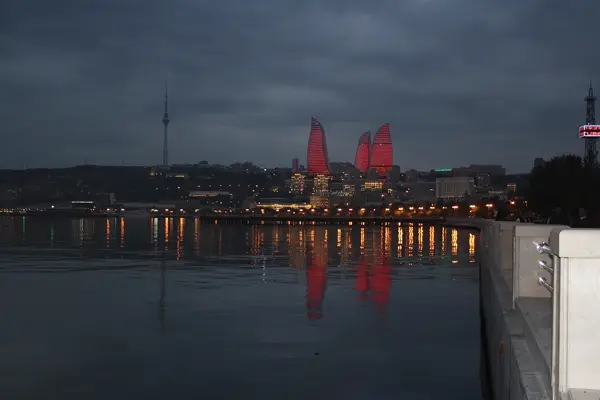 How many days?
How many days in Baku? 3 with Gobustan
Two days are enough for Baku's old town, the Boulevard and the Heydar Aliyev Center. The third belongs to Gobustan, 64 km away, with more … · 6 min read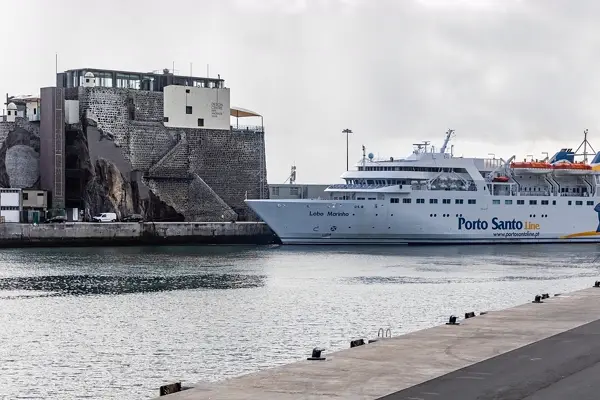 How many days?
How many days in Funchal? 3, or 5+ for Madeira
Two days are enough for Funchal: the old town, the market, the cable car and the gardens at Monte. Day three goes to the mountains, with … · 6 min read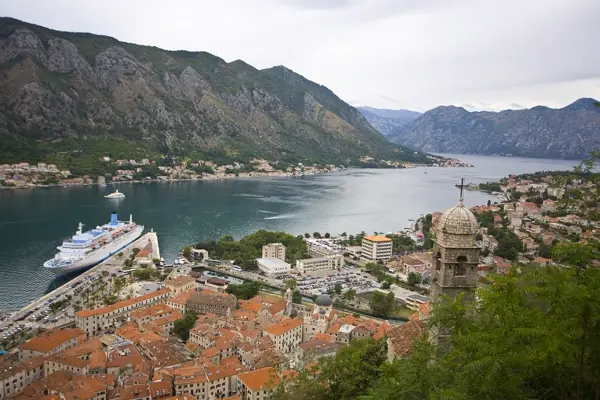 How many days?
How many days in Kotor? 2 with Perast
Two days are enough for Kotor: the old town and about 1,300 steps to the fortress on the first, Perast and the island of Our Lady of the … · 6 min read


