
How many days in Sofia? Plans for 1–4 days
In short
Two days in Sofia cover Alexander Nevsky Cathedral, the Roman rotunda, the mosque, the synagogue and the market halls, plus the Archaeological Museum and Vitosha Boulevard. Three days are ideal, adding Boyana Church and a walk on Vitosha mountain above the city. With 4 days, add Rila Monastery, and with 5 Plovdiv. The most pleasant months are May, June and September (21 to 25 °C by day).
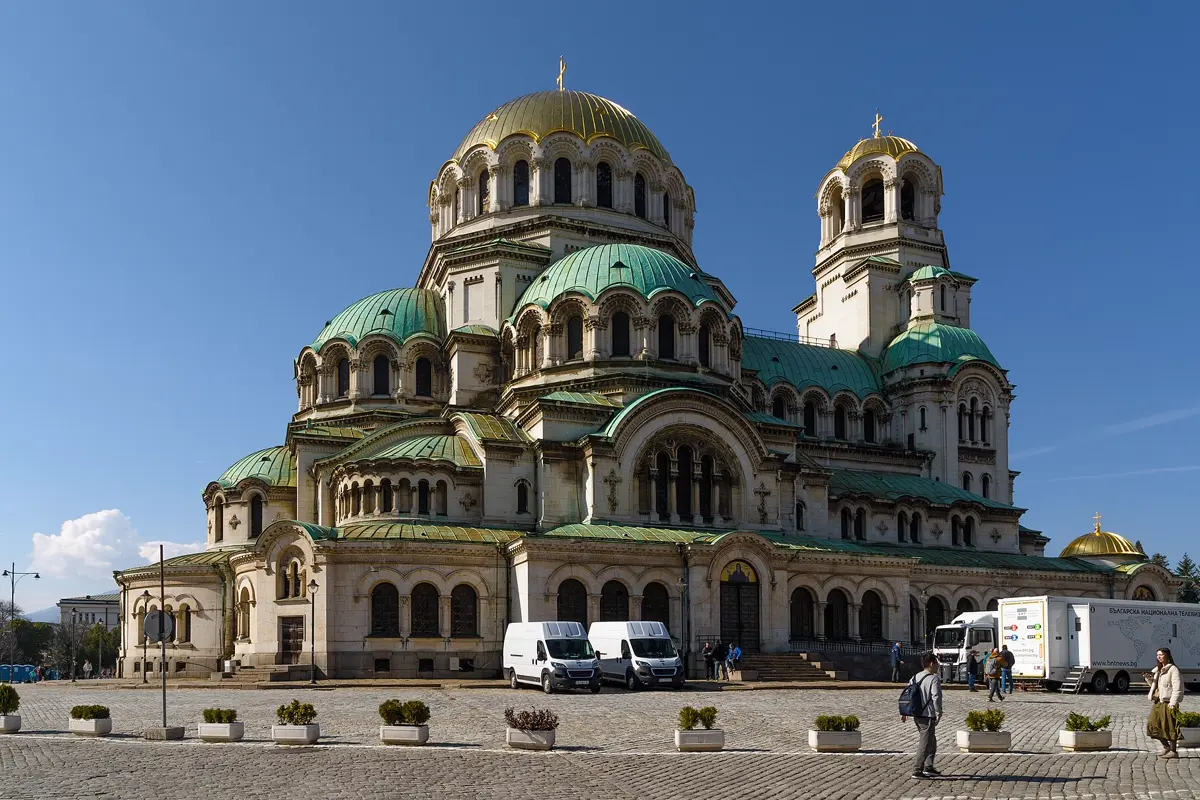
Sofia is a compact capital at the foot of a mountain. Within a few hundred metres of each other stand a Roman rotunda, an early Christian basilica, an Orthodox cathedral, an Ottoman mosque and a large synagogue, and the 2,290-metre Vitosha rises straight behind the city. Few visitors give it more than a weekend, and that is enough for the centre. The short answer: 2 days for the essentials, 3 days are ideal with Boyana Church and Vitosha, and from 4 days there is time for Rila Monastery.
How many days in Sofia? The overview
| Days | What you see | Best for |
|---|---|---|
| 1 day | Alexander Nevsky Cathedral, Saint Sophia Church, the Russian Church, the Rotunda of St George, the Central Market Hall, Banya Bashi Mosque | a stopover |
| 2 days | plus the National Archaeological Museum, the Women's Market, Vitosha Boulevard, the National Palace of Culture, Borisova Gradina | a weekend, first visit |
| 3 days | plus Boyana Church, the National Historical Museum and a walk on Vitosha | the ideal length |
| 4 days | plus a day trip to Rila Monastery | return visitors, a long weekend |
| 5+ days | plus Plovdiv | anyone travelling through Bulgaria |
Two practical points. Since 1 January 2026, Bulgaria pays in euros; the lev is no longer used. And many street names and bus stops are signed in Cyrillic only – in the centre you will often find Latin script as well, but a map app on your phone makes life much easier.
One day in Sofia: churches, the rotunda and the market hall
One day is enough to walk through Sofia's layers of history. Start early at Alexander Nevsky Cathedral, the great gold-domed church built in honour of the Russian soldiers who fell in the war of 1877–78; its crypt holds a museum of icons. Right next to it stands the brick Saint Sophia Church, an early Christian basilica that gave the city its name, and a few steps further, by the park on Tsar Osvoboditel Boulevard, the small Russian Church with its green roofs and golden onion domes.
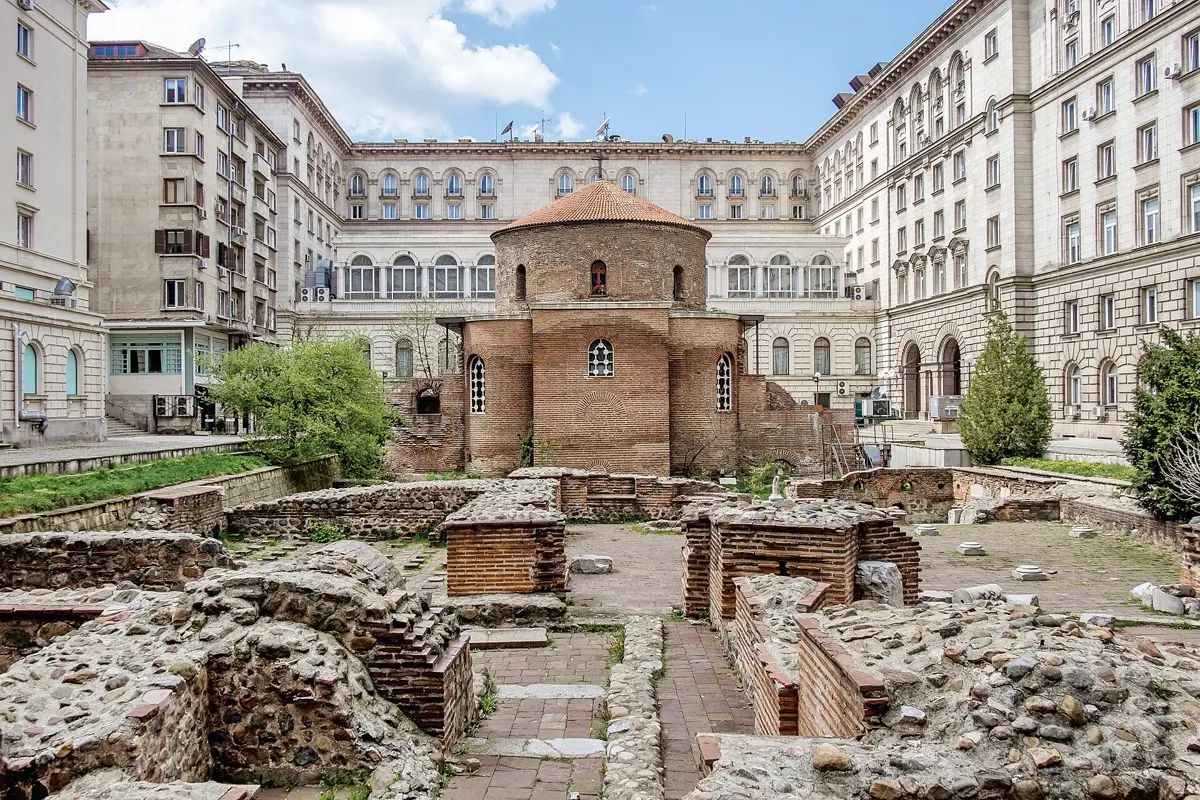
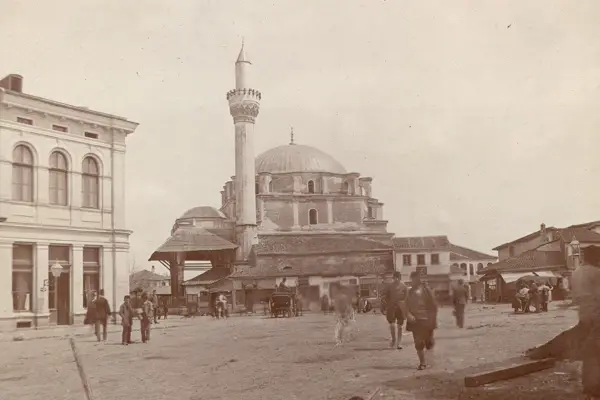
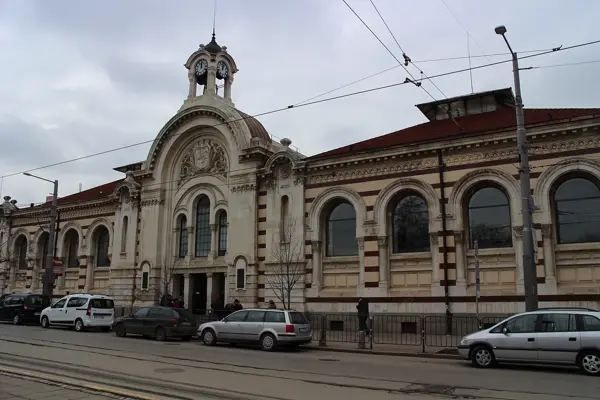
Then look for the Rotunda of St George, a 4th-century Roman building tucked into a courtyard and considered the oldest surviving building in the city. Have lunch in the Central Market Hall from 1911 – try banitsa, filo pastry with sheep's cheese – and finish across the street at the 16th-century Banya Bashi Mosque, where locals fill bottles with warm mineral water at the public fountains, and the Sofia Synagogue, one of the largest Sephardic synagogues in Europe.
Two days in Sofia: museum, market and Vitosha Boulevard
The second day mixes old and everyday Sofia. The National Archaeological Museum, housed in a former Ottoman mosque, shows finds from Thracian, Greek and Roman times. Then walk to the Women's Market, the city's big street market with fruit, vegetables, herbs and snack stalls – noisy, colourful and not touristy.
In the afternoon, stroll down Vitosha Boulevard, the pedestrian street with cafés and shops, with the mountain at its far end. It leads to the massive National Palace of Culture from 1981, with fountains and gardens in front, and from there to Borisova Gradina, the oldest and largest park in the city. Tickets and guided tours in Sofia* are also on Tiqets.
Three days in Sofia: the ideal length
Three days give you the edge of the city and the mountain. Our ready-made plan divides them like this:
- Day 1 – churches, the rotunda and the market hall: Alexander Nevsky Cathedral, Saint Sophia Church, the Russian Church, the Rotunda of St George, the Central Market Hall, Banya Bashi Mosque, the synagogue.
- Day 2 – museum, market and Vitosha Boulevard: the National Archaeological Museum, the Women's Market, Vitosha Boulevard, the National Palace of Culture, Borisova Gradina.
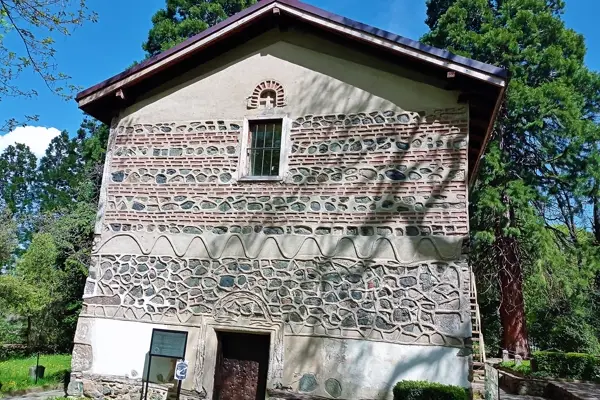
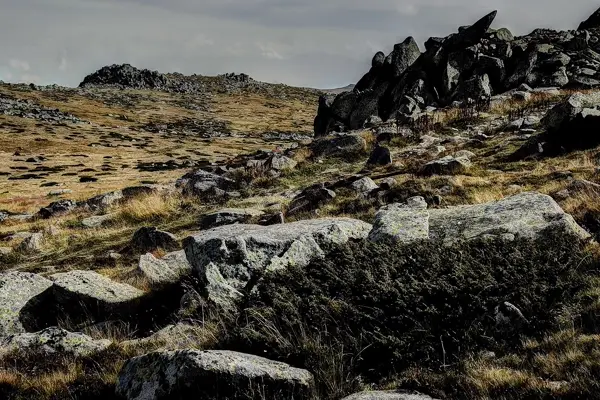
- Day 3 – Boyana and Vitosha: Boyana Church, a small UNESCO World Heritage church with frescoes from 1259, the National Historical Museum nearby, then up to Aleko at around 1,800 metres and, if you are fit, on foot to Cherni Vrah, the highest peak of Vitosha.
Boyana Church only lets in small groups at a time, so expect a short wait. The path from Aleko to Cherni Vrah takes about two hours; in winter Vitosha is a ski area, and the weather on the mountain changes faster than in the city.
Four days or more: Rila Monastery and Plovdiv
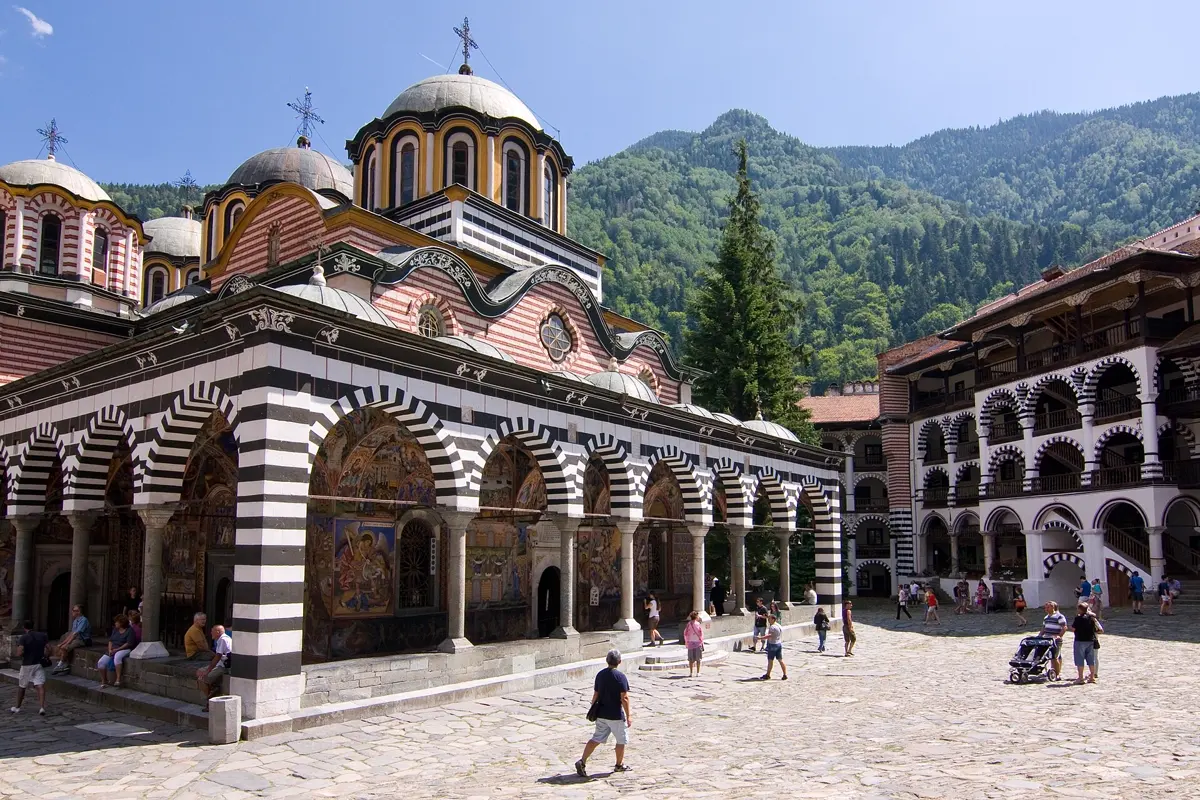
The classic day trip from Sofia is Rila Monastery, Bulgaria's best-known monastery and a UNESCO World Heritage Site, with a painted church and arcaded courtyard deep in the Rila Mountains. It is about 125 km south of the city by road, roughly two hours each way, so it takes a full day; most people go on an organised tour or by car.
With five days or more, add Plovdiv, Bulgaria's second city, with a Roman theatre and an old town on its hills, about 145 km to the south-east – around an hour and a half by car without breaks. Bus and train connections* can be compared on Omio. If you are combining Sofia with other capitals, our guide to the best Eastern European city breaks has more ideas.
Where to stay in Sofia
For a short stay, two areas work best:
- The centre around Vitosha Boulevard: between the cathedral, the market hall and the Palace of Culture, with most sights on foot. Lively in the evening.
- Oborishte: a quiet residential district east of Alexander Nevsky Cathedral, with small cafés and close to Borisova Gradina.
The metro runs from the airport into the centre, and metro, trams and buses cover longer distances in the city. For a door-to-door transfer, for example with luggage late at night, see the airport transfers in Sofia* on Kiwitaxi. Visitors from outside the EU usually pay less with a travel eSIM for Bulgaria* (Airalo) than with roaming; our eSIM price index compares the prices per gigabyte.
Best time to visit Sofia
| Month | Day (avg. high) | Night (avg. low) | Rain per month |
|---|---|---|---|
| Jan | 4.6 °C | -3.8 °C | 64 mm |
| Feb | 8.9 °C | -1.4 °C | 38 mm |
| Mar | 11.4 °C | 0.8 °C | 71 mm |
| Apr | 16.7 °C | 5.1 °C | 60 mm |
| May | 20.6 °C | 9.9 °C | 70 mm |
| Jun | 24.9 °C | 14.4 °C | 76 mm |
| Jul | 28.1 °C | 16.6 °C | 46 mm |
| Aug | 28.4 °C | 16.5 °C | 34 mm |
| Sep | 23.9 °C | 12.6 °C | 34 mm |
| Oct | 18.3 °C | 7.3 °C | 57 mm |
| Nov | 11.6 °C | 2.8 °C | 60 mm |
| Dec | 6.6 °C | -0.9 °C | 57 mm |
Averages 2015–2024 from the ERA5 reanalysis (via Open-Meteo), rounded.
Sofia is most pleasant in May, June and September, with 21 to 25 °C by day – warm, but not hot. July and August reach around 28 °C, and then Vitosha is the cool escape above the city. Because Sofia lies at about 550 metres, nights stay fresh for much of the year, and from December to February they drop below zero; there is often snow on Vitosha then, and people go skiing. October is a good, quieter alternative at around 18 °C.
Sofia compared: how many days for other cities?
If you are choosing between cities, this is how many days we recommend in this series for a first visit.
Base map: Natural Earth
More in our articles how many days in Istanbul and how many days in Athens, and all cities of the series in the overview how many days in each city.
How YesTrip helps you plan
YesTrip has a ready-made three-day plan for Sofia with times, short walks and a map for each day, from Alexander Nevsky Cathedral to the summit of Vitosha. With one tap you copy it into the app, then move stops, drop what does not interest you and add your hotel or a day at Rila Monastery. The app shows the weather for your travel days – useful for the mountain – the packing list suggests a warm layer for Vitosha, and with the offline package you have the map, with its place names, even without a connection. YesTrip is free.
 Sofia trip planDay by day, with map and tips
* Ad – Partner link: if you book there, we earn a commission. Your price stays the same.
Free
Plan your trip in 30 seconds.
Tell YesTrip where and when – the app plans day by day with real places on the map, shows the weather, splits costs with your travel companions and guides you to the next stop on the go.
Frequently asked questions
How many days do you need in Sofia?
Two days are enough for the centre with its churches, the rotunda, the market halls and the Archaeological Museum. Three days are ideal and add Boyana Church and Vitosha. From four days, a day trip to Rila Monastery is worth it.
Is 2 days enough for Sofia?
Yes, for the city itself. The centre is compact and walkable. For Boyana Church and the mountain you need a third day, and Rila Monastery takes a full day of its own.
Is Rila Monastery worth a day trip from Sofia?
Yes. It is Bulgaria's best-known monastery and a UNESCO World Heritage Site. It lies about 125 km south of Sofia by road, roughly two hours each way, so plan a full day.
What currency is used in Sofia?
The euro. Bulgaria adopted it on 1 January 2026, replacing the lev. Cards are widely accepted in the centre.
What is the best time to visit Sofia?
May, June and September, with 21 to 25 °C by day. High summer is warm, around 28 °C; winter is cold, with snow on Vitosha and skiing right above the city.
Sources
- Climate data: Open-Meteo Historical Weather API, daily values 2015–2024 – open-meteo.com
- Copernicus ERA5 reanalysis (Hersbach et al. 2020) – cds.climate.copernicus.eu
- Driving times: OSRM route calculation based on OpenStreetMap data – project-osrm.org
- Visit Sofia, official tourism website – www.visitsofia.bg
- UNESCO World Heritage: Boyana Church – whc.unesco.org
- UNESCO World Heritage: Rila Monastery – whc.unesco.org
- National Museum Boyana Church – www.boyanachurch.org
- European Commission: Bulgaria adopts the euro as of 1 January 2026 – trade.ec.europa.eu
- Sofia Airport – www.sofia-airport.eu
Researched with AI support and checked by our editors. Prices, opening hours and weather can change – please check before you go. YesTrip is not a travel agency. Published: .
More articles
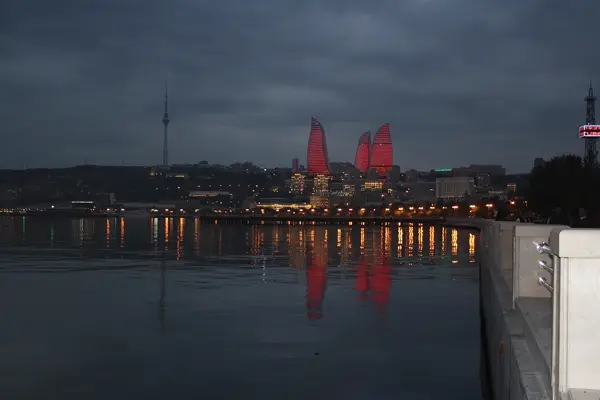 How many days?
How many days in Baku? 3 with Gobustan
Two days are enough for Baku's old town, the Boulevard and the Heydar Aliyev Center. The third belongs to Gobustan, 64 km away, with more … · 6 min read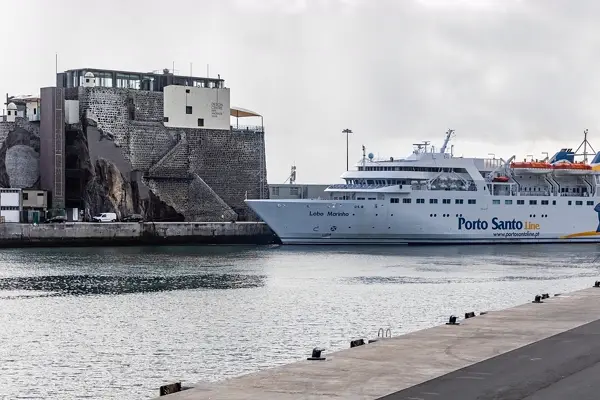 How many days?
How many days in Funchal? 3, or 5+ for Madeira
Two days are enough for Funchal: the old town, the market, the cable car and the gardens at Monte. Day three goes to the mountains, with … · 6 min read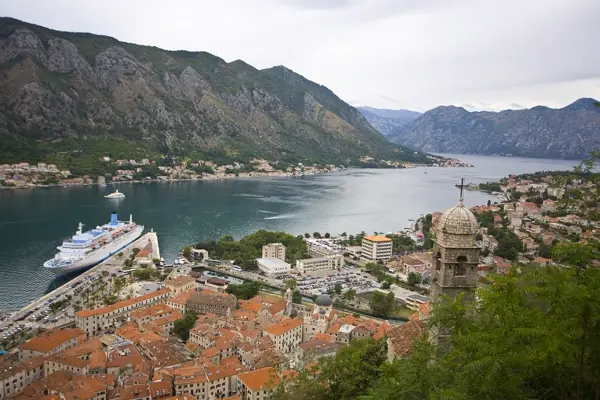 How many days?
How many days in Kotor? 2 with Perast
Two days are enough for Kotor: the old town and about 1,300 steps to the fortress on the first, Perast and the island of Our Lady of the … · 6 min read


