
How many days in Paris? Plans for 1–4 days
In short
Two days in Paris cover the classics – Notre-Dame, Sainte-Chapelle, the Louvre, the Orsay and the Eiffel Tower. Three days are ideal, adding the Marais, Montmartre and the Opéra. With 4 or 5 days, spend a full day at Versailles (about 40 minutes on the RER C). The most pleasant months are May, June and September (19 to 23 °C by day).
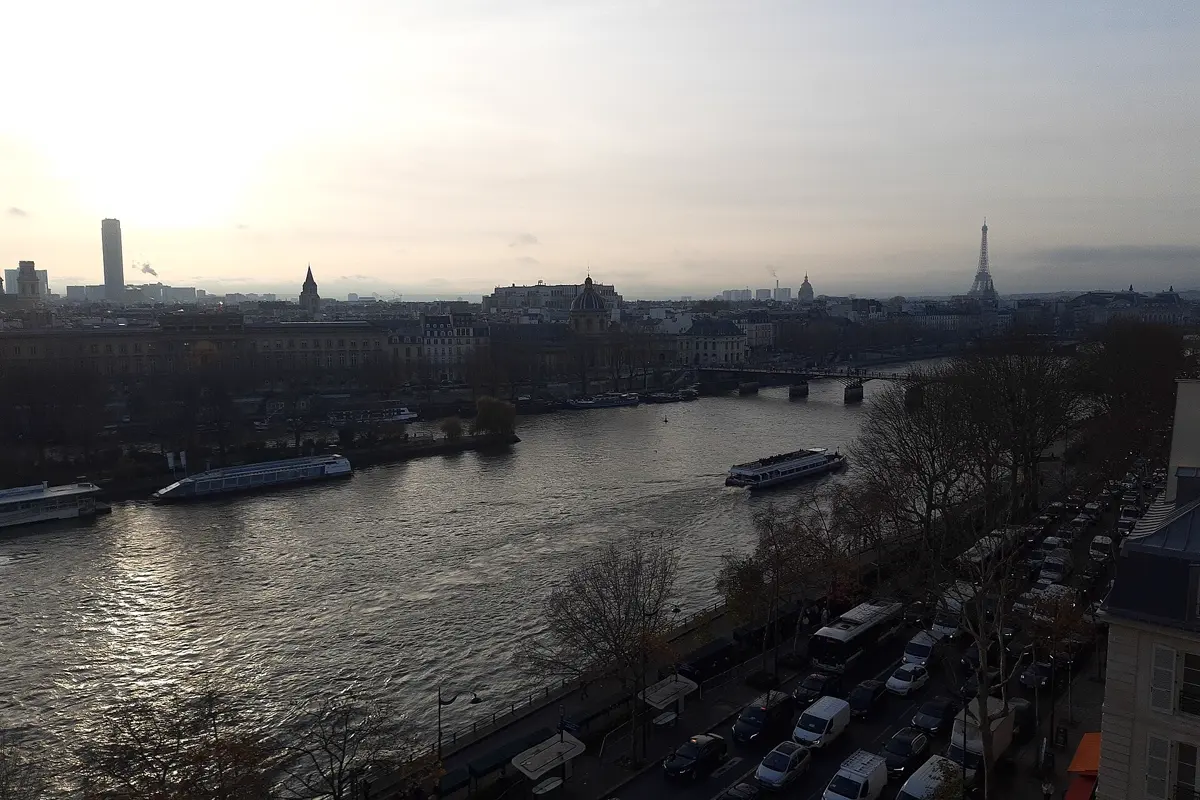
Paris is bigger than it looks on the map, but it is easy to plan by district. In the middle are the two islands in the Seine with Notre-Dame and Sainte-Chapelle, to the west the great museums all the way to the Eiffel Tower, and to the north the hill of Montmartre. Then there is Versailles, one of the best-known day trips in Europe. The short answer: 2 days for the classics, 3 days are ideal, and from 4 days Versailles fits in without rushing.
How many days in Paris? The overview
| Days | What you see | Best for |
|---|---|---|
| 1 day | Notre-Dame, Sainte-Chapelle, the Louvre from outside, the Tuileries, the Musée d'Orsay, the Eiffel Tower in the evening | a stopover |
| 2 days | plus the Louvre inside, the Marais with Place des Vosges, the Trocadéro, a Seine cruise | a long weekend |
| 3 days | plus Montmartre with Sacré-Cœur, the Palais Garnier, the Galeries Lafayette roof terrace | the ideal length |
| 4 days | plus a full day at Versailles with the palace, the park and the Trianon | a relaxed first visit |
| 5+ days | plus the Latin Quarter, the Jardin du Luxembourg, Les Invalides, the Canal Saint-Martin | anyone who wants Paris in depth |
A few things matter for planning: the Louvre is closed on Tuesdays, the Musée d'Orsay on Mondays. Book a time slot in advance for the Louvre and the Eiffel Tower, otherwise you will queue for a long time. Entry to Notre-Dame cathedral, restored after the fire of 2019, is free.
One day in Paris: west along the Seine
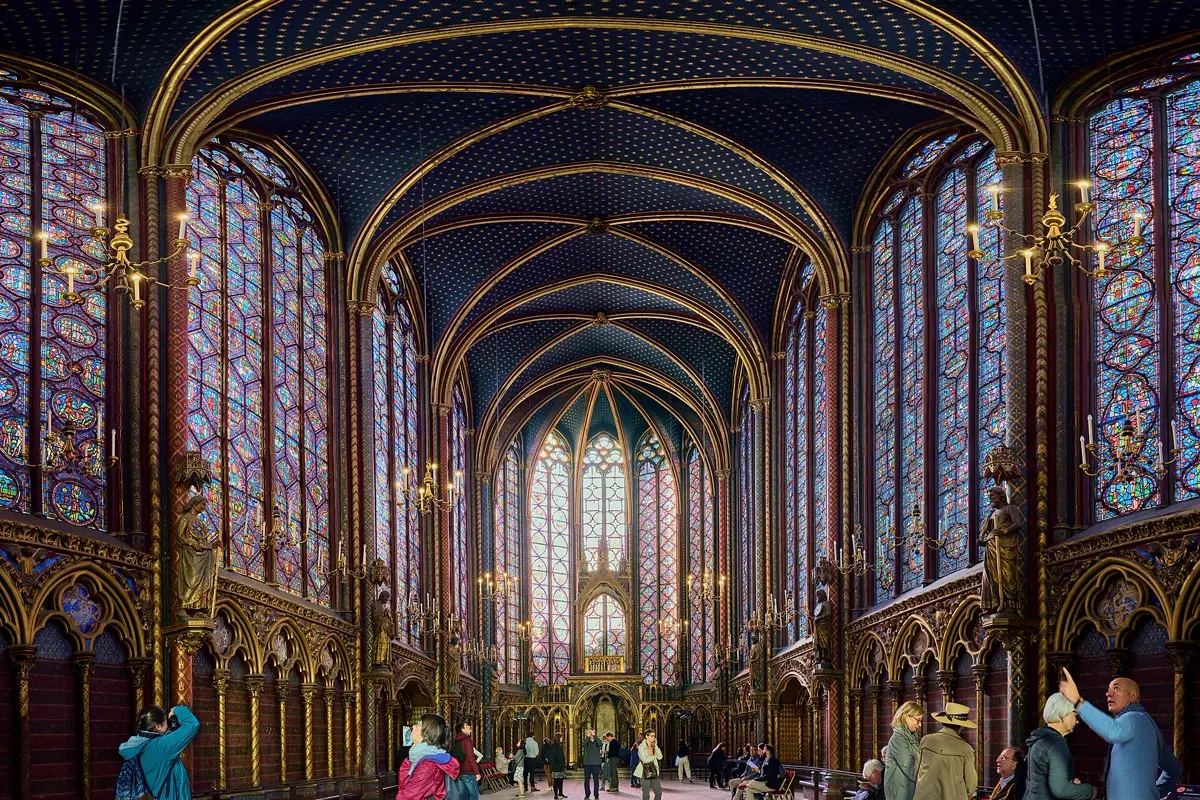
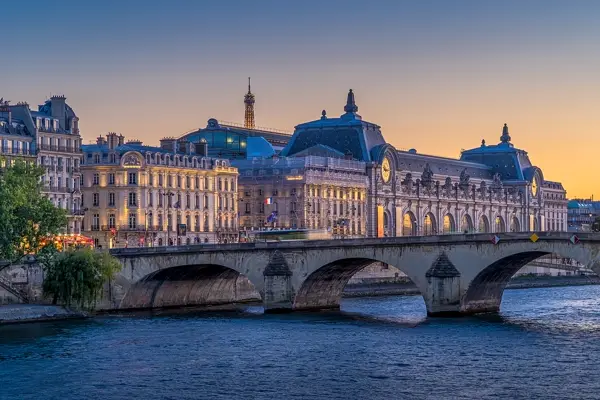
With only one day, follow the river. Start in the morning with the two churches on the Île de la Cité: Notre-Dame first, then Sainte-Chapelle with its 15-metre stained-glass windows, which glow brightest on sunny mornings. Continue to the Louvre Pyramid – today you see the Louvre only from outside – and have lunch around the Palais-Royal. Then walk through the Jardin des Tuileries and across the Seine to the Musée d'Orsay. The Orsay is smaller than the Louvre and easy to manage in an afternoon: the Impressionists in a former railway station.
In the early evening, cross the Pont Alexandre III to the Eiffel Tower. For dinner, try Rue Cler, a market street close by. Montmartre and the Marais do not fit into this day.
Two days in Paris: the islands, the Louvre and the Eiffel Tower
With two days, you separate the old centre from the museums. Day one belongs to the islands and the Marais: Sainte-Chapelle and Notre-Dame in the morning, the Shakespeare and Company bookshop opposite, lunch on the quiet Île Saint-Louis, then the Place des Vosges, the oldest planned square in the city, and the Musée Carnavalet on the history of Paris.
On day two, go to the Louvre in the morning. It is the largest art museum in the world; pick two or three departments rather than trying to see everything. Take a break in the Tuileries at lunchtime, then the Orsay or the Orangerie with Monet's Water Lilies in the afternoon, the Eiffel Tower in the evening and finally the Trocadéro, from where you see the tower sparkle on the hour after dark. Tickets for museums and the tower* are on Tiqets.
For a Friday-to-Sunday weekend we have a separate plan: Friday evening in the Marais, Saturday the Louvre, the Arc de Triomphe and a Seine cruise, Sunday Montmartre and the Opéra.
Three days in Paris: the ideal length
Three days are right for a first visit because each day gets one district and at most one big museum. Our ready-made plan:
- Day 1 – Île de la Cité and the Marais: Sainte-Chapelle, Notre-Dame, Shakespeare and Company, Île Saint-Louis with an ice cream from Berthillon, Place des Vosges, the Musée Carnavalet.
- Day 2 – the Louvre, the Orsay and the Eiffel Tower: the Louvre with a morning time slot, the Jardin des Tuileries, the Musée d'Orsay with the view through the great clock on the fifth floor, the Eiffel Tower and the Trocadéro in the evening.
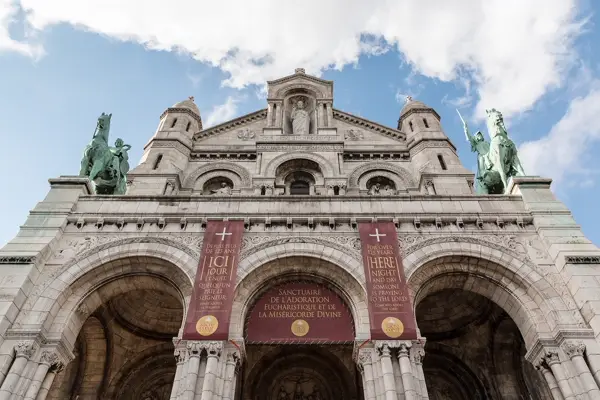
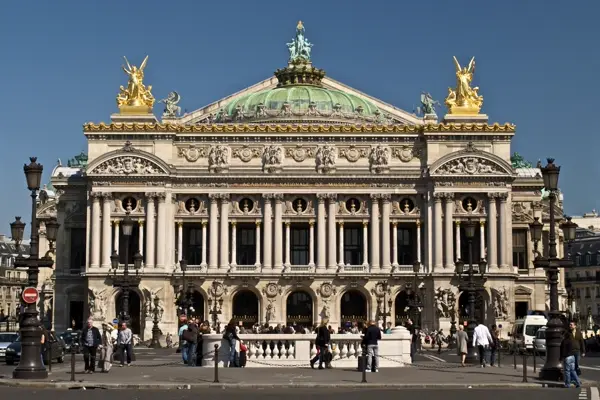
- Day 3 – Montmartre and the Opéra: Sacré-Cœur while the steps are still empty, the Place du Tertre with its painters, the Musée de Montmartre overlooking the city's last vineyard, a photo at the Moulin Rouge, then the Palais Garnier opera house and finally the roof terrace of the Galeries Lafayette with a view of the Opéra and the Eiffel Tower.
If you plan many paid sights, compare a city pass such as the Go City Paris Pass* with single tickets – depending on your programme it pays off or it does not.
Four days or more: Versailles and the quieter districts
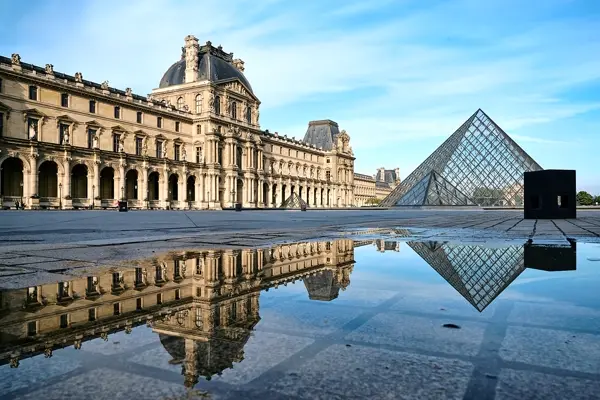
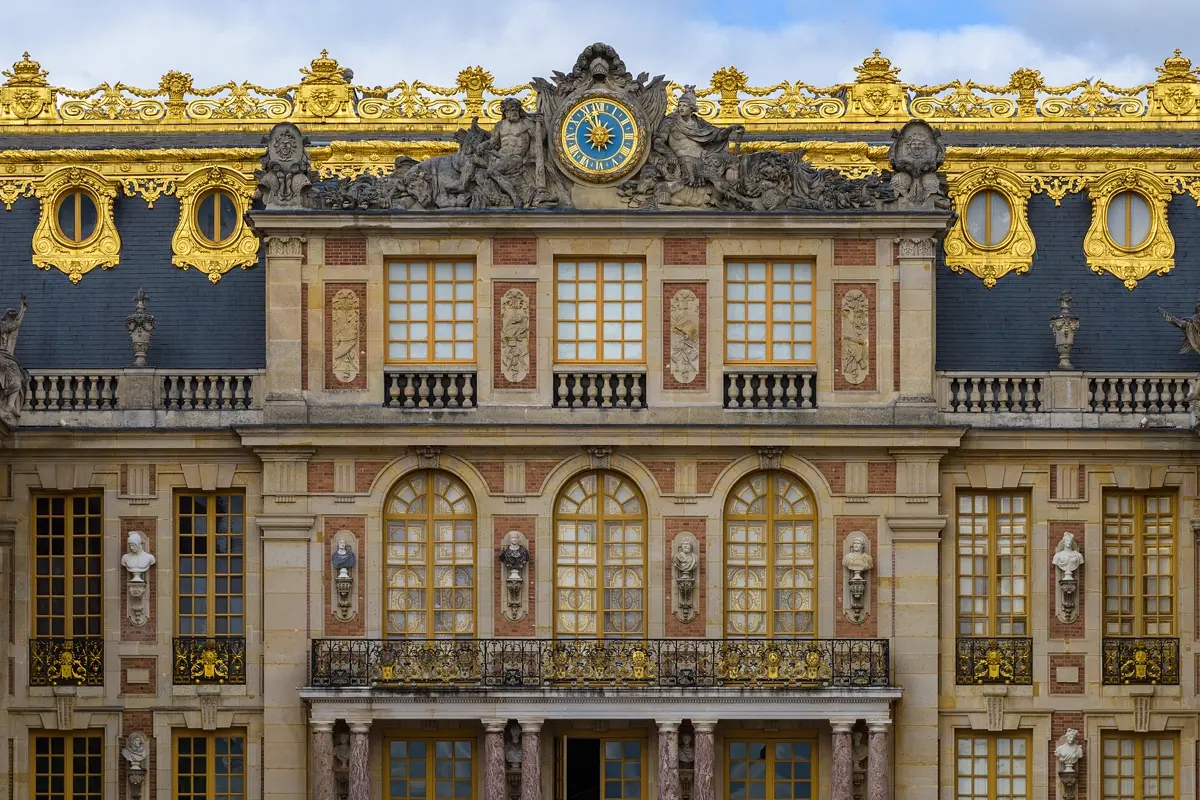
From the fourth day on, Versailles is worth it. The RER C gets you there in about 40 minutes. Plan a whole day: the state apartments with the Hall of Mirrors early, the park and the Grand Canal at midday, where you can hire rowing boats and bikes, and the Petit Trianon and the Hamlet, the queen's little village at the far end of the park, in the afternoon. If you would rather not plan it yourself, take a guided tour, for example one of the guided tours in Paris* on Klook.
Our 5-day plan spreads the city out: one day for the islands, the Latin Quarter with Rue Mouffetard and the Panthéon, and the Jardin du Luxembourg; one day for the Left Bank with the Musée Rodin, Les Invalides and the Eiffel Tower; and a final day where Parisians spend their own time: along the Canal Saint-Martin, at the Marché des Enfants Rouges and in the Musée Picasso in the Marais.
Where to stay in Paris
Two areas suit a short stay particularly well:
- Le Marais: an old district with cafés, galleries and shops, central between the islands and the Bastille.
- Saint-Germain-des-Prés: classic Paris on the Left Bank, close to the Orsay, the Louvre and the Jardin du Luxembourg. Rather quiet and more expensive.
Paris is easy to explore on foot, and the metro takes you quickly between districts; tickets are sold at machines or via an app on your phone. From Charles de Gaulle airport, the RER B runs into the city; a transfer from the airport to your door* can be booked with Welcome Pickups. Coming from outside the EU, a travel eSIM from Airalo is usually cheaper than roaming.
Best time to visit Paris
| Month | Day (avg. high) | Night (avg. low) | Rain per month |
|---|---|---|---|
| Jan | 7.3 °C | 1.6 °C | 64 mm |
| Feb | 9.6 °C | 2.2 °C | 54 mm |
| Mar | 12.4 °C | 3.8 °C | 72 mm |
| Apr | 15.7 °C | 5.4 °C | 51 mm |
| May | 19.1 °C | 9.3 °C | 76 mm |
| Jun | 23.4 °C | 13.3 °C | 69 mm |
| Jul | 25.5 °C | 15.2 °C | 45 mm |
| Aug | 25.5 °C | 15.1 °C | 66 mm |
| Sep | 21.8 °C | 12.2 °C | 61 mm |
| Oct | 17.1 °C | 9.2 °C | 72 mm |
| Nov | 11.3 °C | 5.2 °C | 63 mm |
| Dec | 8.8 °C | 3.4 °C | 76 mm |
Averages 2015–2024 from the ERA5 reanalysis (via Open-Meteo), rounded. The values describe a grid cell of about 25 km; on hot days the city centre can get warmer.
Paris is most pleasant in May, June and September: 19 to 23 °C by day, long evenings and fewer crowds than in high summer. In July and August the average highs reach 25 to 26 °C; in August many Parisians are on holiday themselves and some small shops close. Rain is spread evenly through the year, between 45 and 76 mm a month – an umbrella always belongs in your bag. Winter is grey and cool, with 7 to 9 °C by day, but ideal for museums. YesTrip shows you the weather for your actual travel days.
Paris compared: how many days for other cities?
If you are torn between several cities: this is how many days we recommend in this series for a first visit.
Base map: Natural Earth
Paris combines well with London: the Eurostar runs under the Channel in about 2.5 hours, and you can find tickets with Rail Europe. More in our articles How many days in London?, How many days in Barcelona? and How many days in Rome?.
How YesTrip helps you plan
YesTrip has ready-made plans for Paris: three days as the main plan, plus one day on foot along the Seine, a weekend, five days with Versailles, two days with children and two budget days with free museums. Each plan has times, short walks and a map, with the closing days of the Louvre and the Orsay already taken into account. With one tap you copy it into the app and adjust it – for example if your Louvre time slot falls on a different day. The app shows the weather for your travel days, the packing list suggests matching clothes, and with the offline package you have the map without a connection. YesTrip is free.
 Paris trip planDay by day, with map and tips
* Ad – Partner link: if you book there, we earn a commission. Your price stays the same.
Free
Plan your trip in 30 seconds.
Tell YesTrip where and when – the app plans day by day with real places on the map, shows the weather, splits costs with your travel companions and guides you to the next stop on the go.
Frequently asked questions
How many days do you need in Paris?
Two days are enough for Notre-Dame, Sainte-Chapelle, the Louvre, the Orsay and the Eiffel Tower. Three days are ideal, adding the Marais, Montmartre and the Opéra. With 4 or 5 days, a full day at Versailles fits in.
Is a weekend enough for Paris?
For a first impression, yes: one day for the Louvre, the Tuileries and the Eiffel Tower, one for Montmartre and the Opéra, plus an evening in the Marais. The Louvre is closed on Tuesdays, so it fits well into a weekend, but you should still book a time slot in advance.
Can you see Paris in one day?
A cross-section, yes: Notre-Dame and Sainte-Chapelle in the morning, then along the Seine past the Louvre and the Tuileries to the Musée d'Orsay, and the Eiffel Tower in the evening. There is no time left for Montmartre or the inside of the Louvre.
Is Versailles worth it on a short trip to Paris?
From four days, yes; on a shorter trip the time is better spent in the city. Versailles needs a whole day because the palace, the park and the Trianon are far apart. The RER C gets you there in about 40 minutes.
When is the best time to visit Paris?
May, June and September, with 19 to 23 °C by day. July and August are the warmest and busiest months at 25 to 26 °C, and in August some small shops close. Winter is cool and grey, but good for museums.
Sources
- Climate data: Open-Meteo Historical Weather API, daily values 2015–2024 – open-meteo.com
- Copernicus ERA5 reanalysis (Hersbach et al. 2020) – cds.climate.copernicus.eu
- UNESCO World Heritage: Paris, Banks of the Seine – whc.unesco.org
- UNESCO World Heritage: Palace and Park of Versailles – whc.unesco.org
- Musée du Louvre, official website – www.louvre.fr
- Palace of Versailles, official website – en.chateauversailles.fr
Researched with AI support and checked by our editors. Prices, opening hours and weather can change – please check before you go. YesTrip is not a travel agency. Published: .
More articles
 How many days?
How many days in Baku? 3 with Gobustan
Two days are enough for Baku's old town, the Boulevard and the Heydar Aliyev Center. The third belongs to Gobustan, 64 km away, with more … · 6 min read How many days?
How many days in Funchal? 3, or 5+ for Madeira
Two days are enough for Funchal: the old town, the market, the cable car and the gardens at Monte. Day three goes to the mountains, with … · 6 min read How many days?
How many days in Kotor? 2 with Perast
Two days are enough for Kotor: the old town and about 1,300 steps to the fortress on the first, Perast and the island of Our Lady of the … · 6 min read


