
How many days in Rome? Plans for 1–4 days
In short
Two days in Rome cover the essentials – the Colosseum, the Forum, the Pantheon and the Vatican with St. Peter's. Three days are ideal, adding the Trevi Fountain, the Spanish Steps and the Galleria Borghese. With 4 or 5 days, Ostia Antica and Tivoli are worth it. The most pleasant months are April, May and October (19 to 23 °C by day).
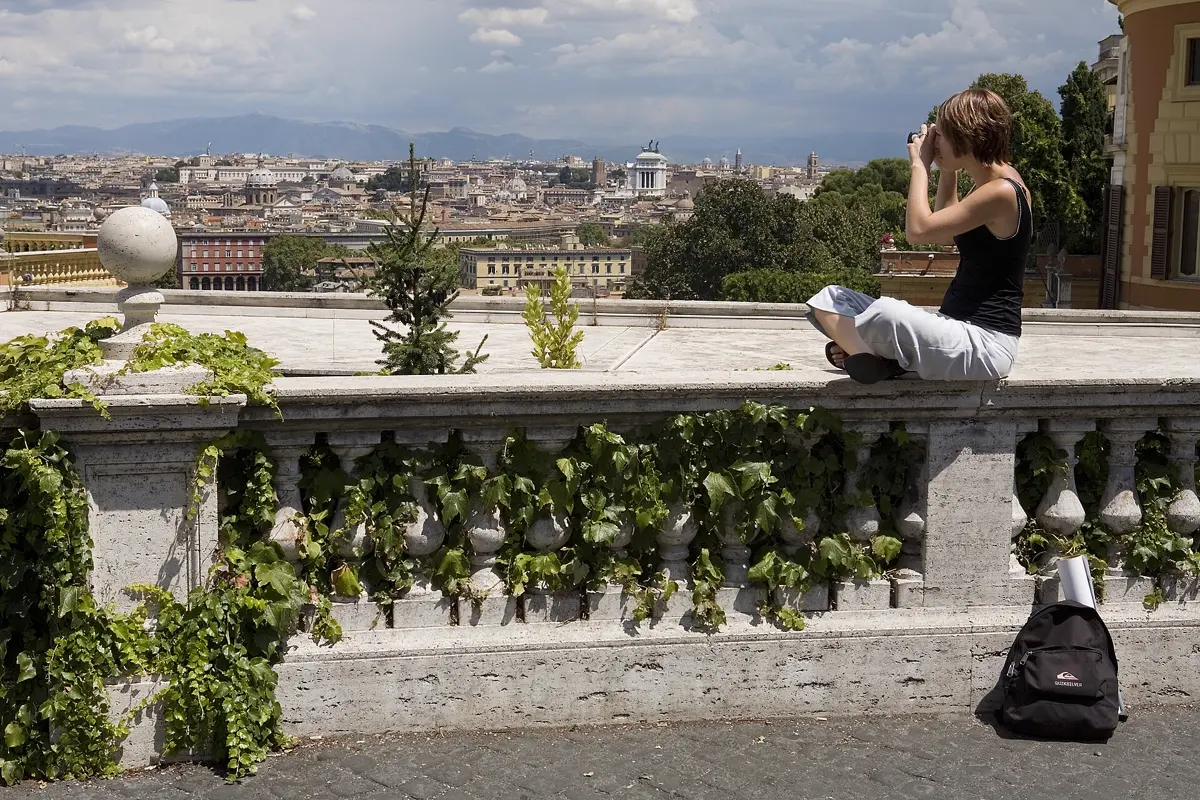
Rome has more sights than a short visit can hold. Two areas each need half a day to a full day: ancient Rome with the Colosseum and the Forum, and the Vatican with its museums and St. Peter's. In between lies the baroque centre with its squares and fountains, which you explore on foot. The short answer: 2 days for the essentials, 3 days are ideal, and with 4 days it becomes relaxed and a day trip fits in.
How many days in Rome? The overview
| Days | What you see | Best for |
|---|---|---|
| 1 day | the Colosseum, the Roman Forum, Piazza Navona, the Pantheon, the Trevi Fountain, the Spanish Steps | a stopover or cruise call |
| 2 days | plus the Vatican Museums with the Sistine Chapel, St. Peter's, Trastevere | a long weekend |
| 3 days | plus the Palatine, the Capitoline Museums, the Galleria Borghese, Villa Borghese | the ideal length |
| 4 days | plus a day trip to Ostia Antica or Tivoli, the Aventine and Testaccio | a relaxed first visit |
| 5+ days | both day trips, plus Monti, the Jewish Quarter and the Via Appia Antica | anyone who wants Rome in depth |
One thing matters for planning: book the Vatican Museums, the Colosseum and the Galleria Borghese in advance with a time slot – the Galleria Borghese only admits visitors with a reservation. The Vatican Museums are usually closed on Sundays.
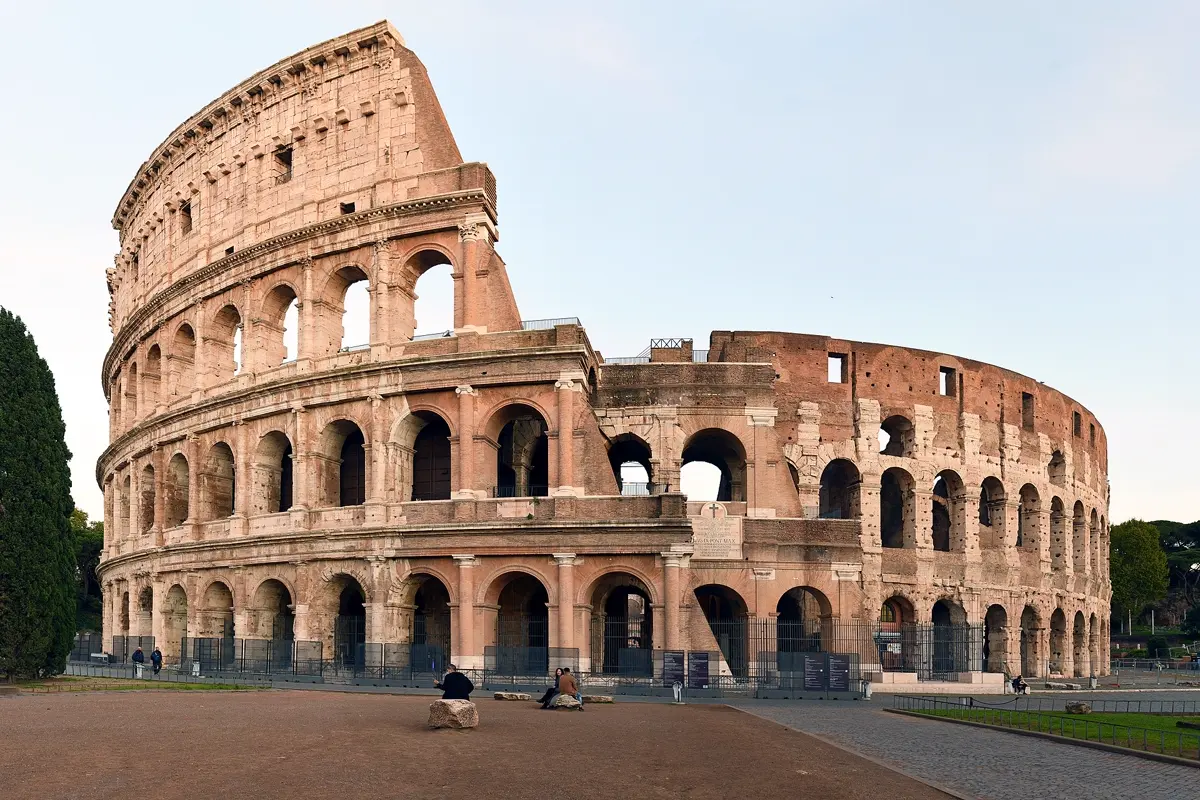
One day in Rome: from ancient Rome to the Spanish Steps
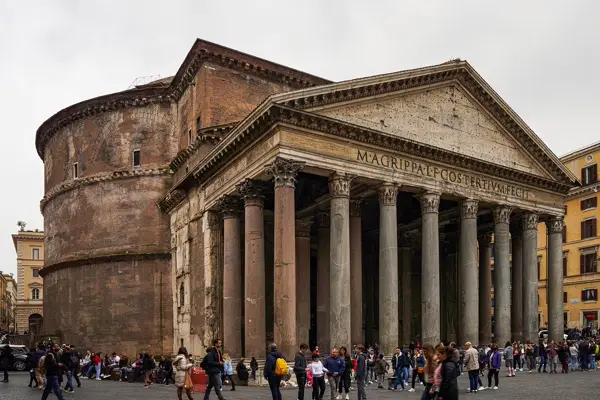
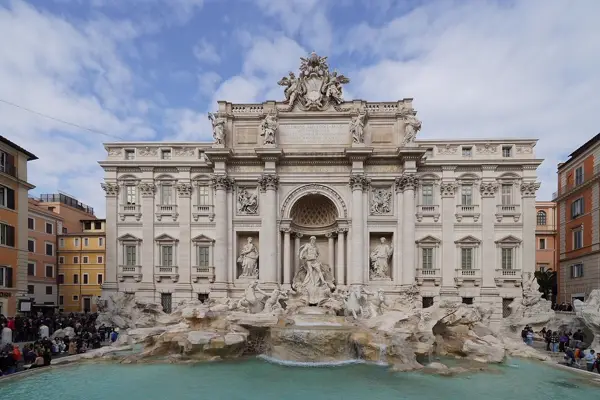
One day is enough for a cross-section if you start in the south-east and work your way north. Take the first time slot into the Colosseum, then continue with the same ticket through the Roman Forum. Lunch at the market on Campo de' Fiori. In the afternoon, Piazza Navona, the Pantheon, the Trevi Fountain and the Spanish Steps are each only a few minutes' walk apart. For sunset, go up to the Pincio terrace above Piazza del Popolo.
Leave the Vatican out on this day – it needs half a day of its own.
Two days in Rome: ancient Rome and the Vatican
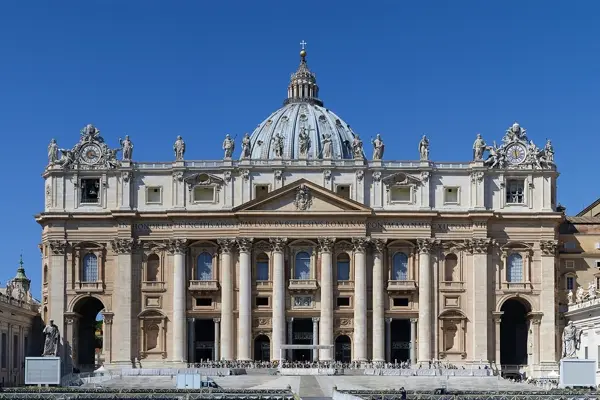
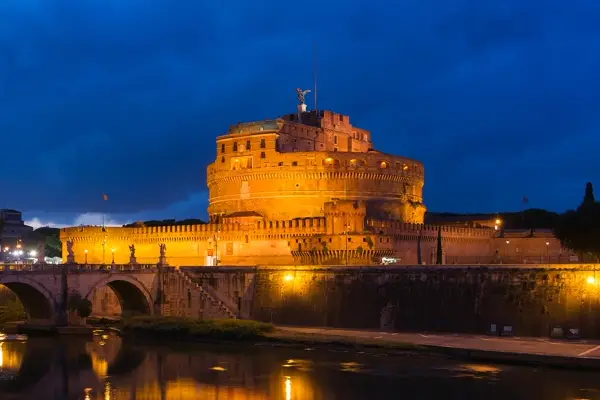
Two days add the Vatican. In the morning, the Vatican Museums with the Sistine Chapel, then St. Peter's Basilica, the largest church in Christendom – shoulders and knees covered. In the afternoon, past Castel Sant'Angelo on the Tiber to Trastevere, with its lanes and the church of Santa Maria with its golden mosaics. Time slots for the Vatican and the Colosseum* are on Tiqets; early-morning slots often go first.
For a Friday-to-Sunday weekend we have a separate plan that respects the closing days: Friday evening squares and fountains, Saturday the Vatican and Trastevere, Sunday the Colosseum, the Forum and the Pantheon.
Three days in Rome: the ideal length
Three days are right for a first visit. Our ready-made plan sets three priorities:
- Day 1 – ancient Rome and Piazza Navona: the Colosseum, the Roman Forum, the Palatine, the Capitoline Museums on Michelangelo's square, the Pantheon, Piazza Navona in the evening.
- Day 2 – the Vatican and Trastevere: the Vatican Museums, St. Peter's, Castel Sant'Angelo, sunset on the Janiculum, dinner in Trastevere.
- Day 3 – fountains, steps and Villa Borghese: the Trevi Fountain early, the Spanish Steps, the Galleria Borghese with Bernini and Caravaggio, a lunch break in the park of Villa Borghese, the Pincio and Piazza del Popolo.
If you plan a lot of paid entries, compare a city pass such as the Go City Rome Pass* with single tickets – depending on your plans, it pays off or it does not.
Four days or more: Ostia Antica and Tivoli
With a fourth day, Rome becomes relaxed and a day trip fits in. Ostia Antica, the ancient port city, is about 30 minutes by train from Porta San Paolo (next to Piramide metro station). There you walk through entire streets with a theatre, houses, baths and floor mosaics – often quieter than the Forum. In the evening, head back to Testaccio, Rome's address for classic Roman cooking.
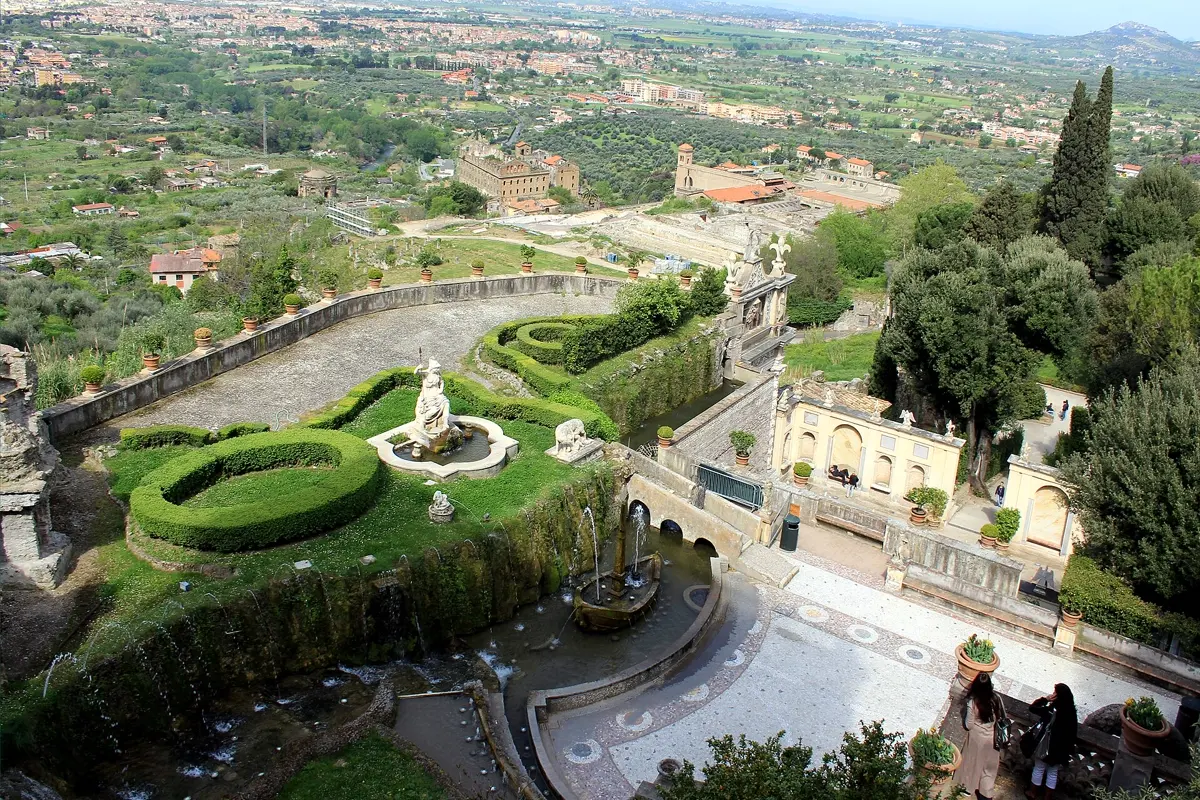
Tivoli is about 1 hour by regional train and has two World Heritage Sites: Villa d'Este with hundreds of fountains on the hillside, and the vast Hadrian's Villa, the emperor's country residence. Both together take a full day; a guided tour, for example one of the guided tours in Rome* on Klook, is the easier option.
Our 5-day plan puts Ostia Antica in the middle and Tivoli at the end, with the old town, the Jewish Quarter and the orange garden on the Aventine in between.
Where to stay in Rome
Two areas suit a short stay:
- Centro Storico: around the Pantheon and Piazza Navona. Almost everything is walkable, but it is pricier and lively at night.
- Monti: a small district near the Colosseum with bars and trattorias, well connected by metro.
The historic centre is easy on foot, and the metro is handy for the Vatican and the Colosseum. Trains run from Fiumicino airport to the centre; a transfer from Fiumicino to your door* can be booked with Welcome Pickups. Coming from outside the EU, a travel eSIM from Airalo is usually cheaper than roaming.
Best time to visit Rome
| Month | Day (avg. high) | Night (avg. low) | Rain per month |
|---|---|---|---|
| Jan | 12.3 °C | 3.7 °C | 67 mm |
| Feb | 14.2 °C | 5.0 °C | 73 mm |
| Mar | 16.3 °C | 6.3 °C | 89 mm |
| Apr | 19.5 °C | 8.9 °C | 60 mm |
| May | 23.3 °C | 13.0 °C | 77 mm |
| Jun | 29.1 °C | 17.6 °C | 34 mm |
| Jul | 33.1 °C | 21.0 °C | 16 mm |
| Aug | 32.5 °C | 21.2 °C | 30 mm |
| Sep | 27.1 °C | 17.2 °C | 90 mm |
| Oct | 22.5 °C | 13.4 °C | 105 mm |
| Nov | 17.2 °C | 9.3 °C | 140 mm |
| Dec | 13.6 °C | 5.3 °C | 94 mm |
Averages 2015–2024 from the ERA5 reanalysis (via Open-Meteo), rounded. The values describe a grid cell of about 25 km; on hot days the city centre can get warmer.
Rome is most pleasant in April, May and October: 19 to 23 °C by day, warm enough for long days outside. From June to August average daytime highs climb to 29 to 33 °C, some restaurants close in August, and the big sights are very crowded. From September on it rains noticeably more – November is the wettest month at 140 mm on average. Winter is mild, with 12 to 14 °C by day, and quieter – good for museums and the Vatican.
How YesTrip helps you plan
YesTrip has ready-made plans for Rome: three days as the main plan, plus one day on foot, a weekend, five days with Ostia Antica and Tivoli, two days with children and two days full of free sights. Each plan has times, short walks and a map. With one tap you copy it into the app and adjust it – for example when your Vatican time slot falls on a different day. The app shows the weather for your travel days, the packing list suggests matching clothes, and with the offline package you have the map without a connection. YesTrip is free.
 Rome trip planDay by day, with map and tips
* Ad – Partner link: if you book there, we earn a commission. Your price stays the same.
Free
Plan your trip in 30 seconds.
Tell YesTrip where and when – the app plans day by day with real places on the map, shows the weather, splits costs with your travel companions and guides you to the next stop on the go.
Frequently asked questions
How many days do you need in Rome?
Two days are enough for the Colosseum, the Forum, the Pantheon and the Vatican. Three days are ideal, adding the Trevi Fountain, the Spanish Steps and the Galleria Borghese. With 4 or 5 days, the pace is more relaxed and day trips to Ostia Antica or Tivoli fit in.
Is a weekend enough for Rome?
For a first impression, yes: one day for ancient Rome, one for the Vatican, plus an evening on the squares. Because the Vatican Museums are usually closed on Sundays, put the Vatican on Saturday.
Can you see Rome in one day?
A cross-section, yes: the Colosseum, the Forum, Piazza Navona, the Pantheon, the Trevi Fountain and the Spanish Steps lie in a walkable line. The Vatican does not fit in as well.
Do I need to book tickets in Rome in advance?
For the Vatican Museums, the Colosseum and the Galleria Borghese, yes. The Galleria Borghese only admits visitors with a reservation, and the morning slots for the Colosseum often go early.
When is the best time to visit Rome?
April, May and October, with 19 to 23 °C by day. In July and August average daytime highs are above 32 °C, and November is the wettest month. Winter is mild and quieter.
Sources
- Climate data: Open-Meteo Historical Weather API, daily values 2015–2024 – open-meteo.com
- Copernicus ERA5 reanalysis (Hersbach et al. 2020) – cds.climate.copernicus.eu
- Vatican Museums, official website – www.museivaticani.va
- UNESCO World Heritage: Villa d'Este, Tivoli – whc.unesco.org
- UNESCO World Heritage: Hadrian's Villa – whc.unesco.org
Researched with AI support and checked by our editors. Prices, opening hours and weather can change – please check before you go. YesTrip is not a travel agency. Published: .
More articles
 How many days?
How many days in Baku? 3 with Gobustan
Two days are enough for Baku's old town, the Boulevard and the Heydar Aliyev Center. The third belongs to Gobustan, 64 km away, with more … · 6 min read How many days?
How many days in Funchal? 3, or 5+ for Madeira
Two days are enough for Funchal: the old town, the market, the cable car and the gardens at Monte. Day three goes to the mountains, with … · 6 min read How many days?
How many days in Kotor? 2 with Perast
Two days are enough for Kotor: the old town and about 1,300 steps to the fortress on the first, Perast and the island of Our Lady of the … · 6 min read


