
How many days in Barcelona? Plans for 1–4 days
In short
Two days in Barcelona cover the classics – the Gothic Quarter, El Born, the Sagrada Família, Park Güell and the Gaudí houses on Passeig de Gràcia. Three days are ideal, adding Montjuïc with the Miró Foundation and the MNAC. With 4 or 5 days, Montserrat and Girona are worth it (each just over an hour by train). The most pleasant months are May, June and September (21 to 26 °C by day).
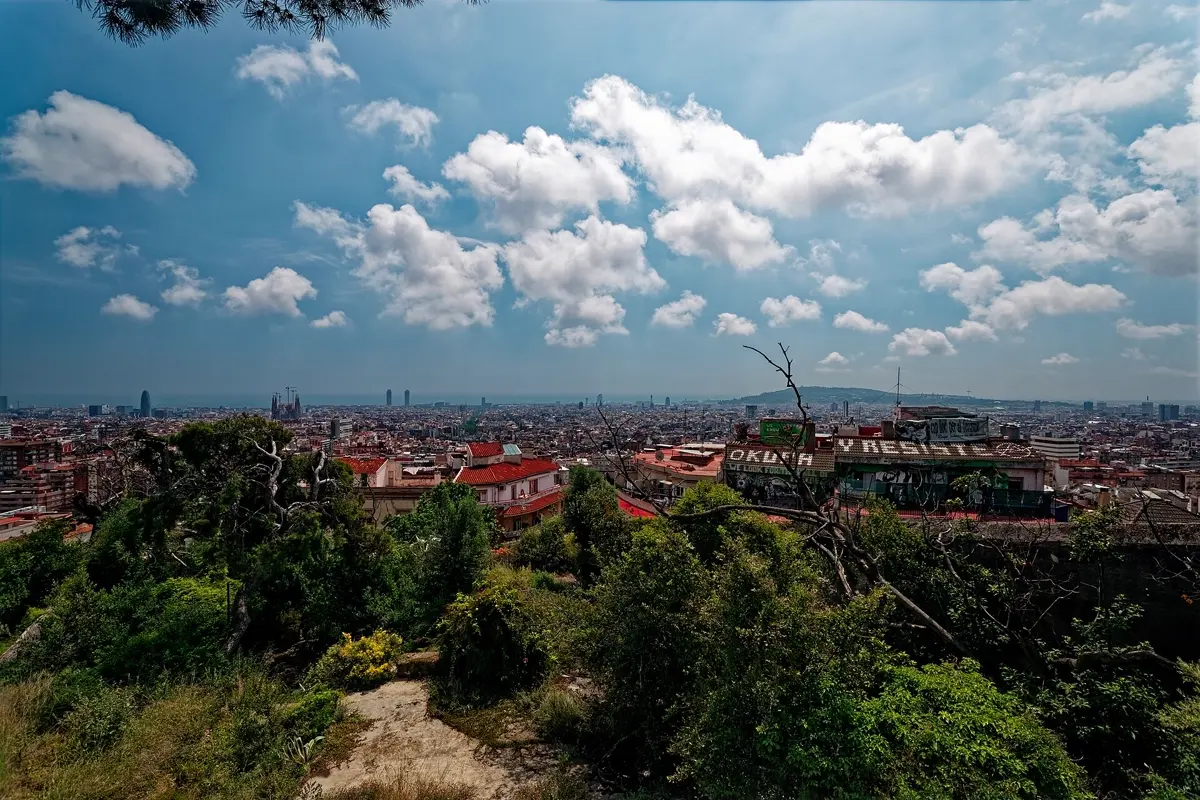
Barcelona combines three things that each need a day: the medieval old town with the Gothic Quarter and El Born, the buildings of Antoni Gaudí and Modernisme in the Eixample district, and the city's own hill, Montjuïc, with its museums. Then there is the city beach of Barceloneta, which few other big cities have. The short answer: 2 days for the old town and Gaudí, 3 days are ideal, and from 4 days trips to Montserrat and Girona are worth it.
How many days in Barcelona? The overview
| Days | What you see | Best for |
|---|---|---|
| 1 day | Sagrada Família, Casa Milà, Casa Batlló, La Boqueria, the cathedral, Santa Maria del Mar, the beach | a stopover or cruise call |
| 2 days | a day each for the old town and Gaudí, plus Park Güell, the Museu Picasso, the Bunkers del Carmel | a long weekend |
| 3 days | plus Montjuïc with the castle, the Fundació Joan Miró, the MNAC and the Magic Fountain | the ideal length |
| 4 days | plus a trip to Montserrat or Girona | a relaxed first visit |
| 5+ days | both day trips, plus the Palau de la Música, Gràcia and Casa Vicens | anyone who wants Barcelona in depth |
A few things matter for planning: for the Sagrada Família, the main area of Park Güell, Casa Batlló and Casa Milà, buy timed tickets online – on the spot they are often sold out. The Museu Picasso also works with time slots. The Magic Fountain (Font Màgica) only runs on certain evenings; the dates are on the city's website.
One day in Barcelona: from Gaudí to the sea
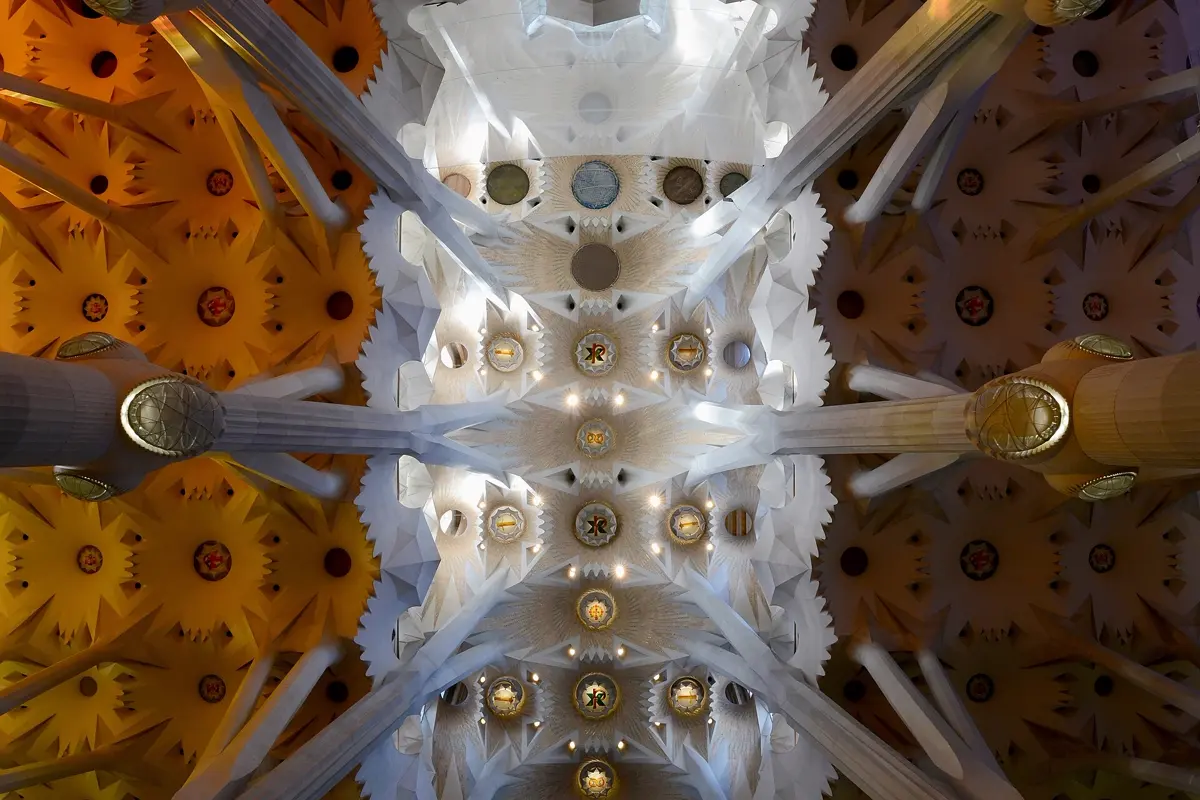
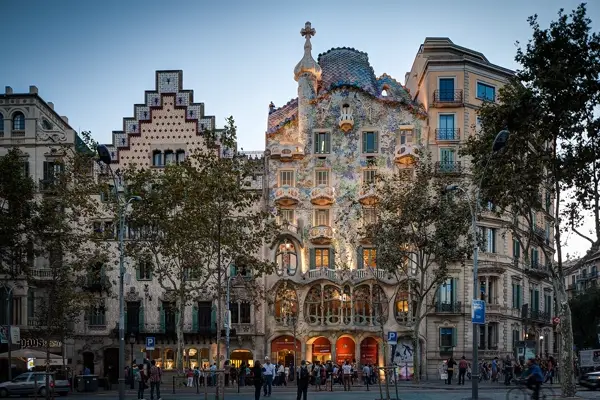
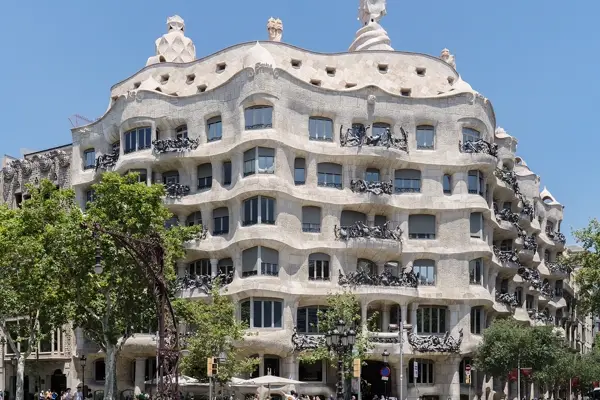
With one day, start at the top with the Sagrada Família and work your way down to the sea. The basilica's windows glow most beautifully in the morning light. A short metro ride takes you to Passeig de Gràcia with Gaudí's Casa Milà, known as La Pedrera, and Casa Batlló, whose façade looks like dragon scales. From here, everything is on foot.
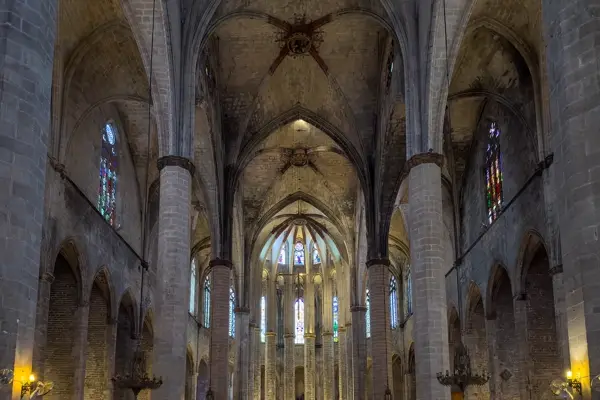
Along the Rambla you reach the Mercat de la Boqueria market hall, then walk through the Gothic Quarter to the cathedral and the small Plaça de Sant Felip Neri. In El Born stands Santa Maria del Mar, the city's most beautiful Gothic church. In the late afternoon you reach Barceloneta beach, with dinner overlooking the water. Park Güell and Montjuïc do not fit into this day.
Two days in Barcelona: the old town and Gaudí
With two days, each side of the city gets its own day. Day one belongs to the old town: breakfast at a counter in La Boqueria while it is still quiet, then Plaça Reial, whose lamps were designed by the young Gaudí, and Barcelona Cathedral with its cloister, home to 13 geese. After lunch, the Museu Picasso with Picasso's early years in five town palaces, Santa Maria del Mar and, for a swim, Barceloneta beach.
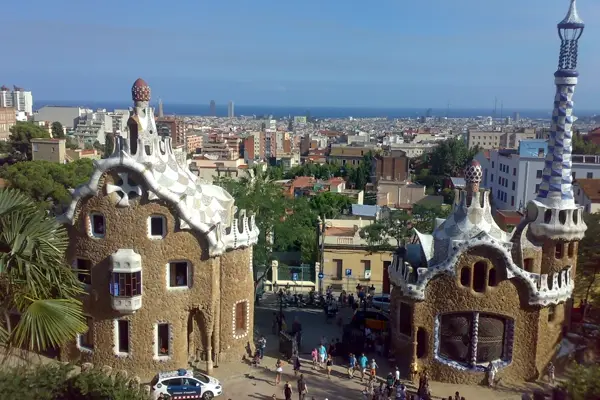
Day two belongs to Gaudí and Modernisme: the Sagrada Família in the morning, then the Art Nouveau hospital Hospital de Sant Pau by Domènech i Montaner, much quieter than Gaudí's buildings. In the afternoon Casa Batlló and Casa Milà, towards evening Park Güell with its mosaic bench above the city, and for sunset the Bunkers del Carmel with a view over all of Barcelona. Tickets for the Gaudí buildings* are on Tiqets.
For a Friday-to-Sunday weekend we have a separate plan: Friday evening the Rambla and El Born, Saturday Gaudí with lunch in the Gràcia district, Sunday the old town, Parc de la Ciutadella and the sea.
Three days in Barcelona: the ideal length
Three days are right for a first visit because the third day belongs to Montjuïc, which many short visits leave out. Our ready-made plan:
- Day 1 – the Gothic Quarter, El Born and the beach: Mercat de la Boqueria, Plaça Reial, the cathedral, the Museu Picasso, Santa Maria del Mar, Barceloneta in the late afternoon.
- Day 2 – Gaudí and Modernisme: the Sagrada Família, Hospital de Sant Pau, Casa Batlló, Casa Milà with its roof of chimney figures, Park Güell, sunset at the Bunkers del Carmel.
- Day 3 – Montjuïc: the Castell de Montjuïc with a view of the port and the sea, the Fundació Joan Miró in a bright building by Josep Lluís Sert, the MNAC with Romanesque murals from Pyrenean churches and the best view towards Plaça d'Espanya, the Poble Espanyol open-air museum and, in the evening, the Magic Fountain.
If you plan many paid sights, compare a city pass such as the Go City Barcelona Pass* with single tickets – depending on your programme it pays off or it does not.
Four days or more: Montserrat and Girona
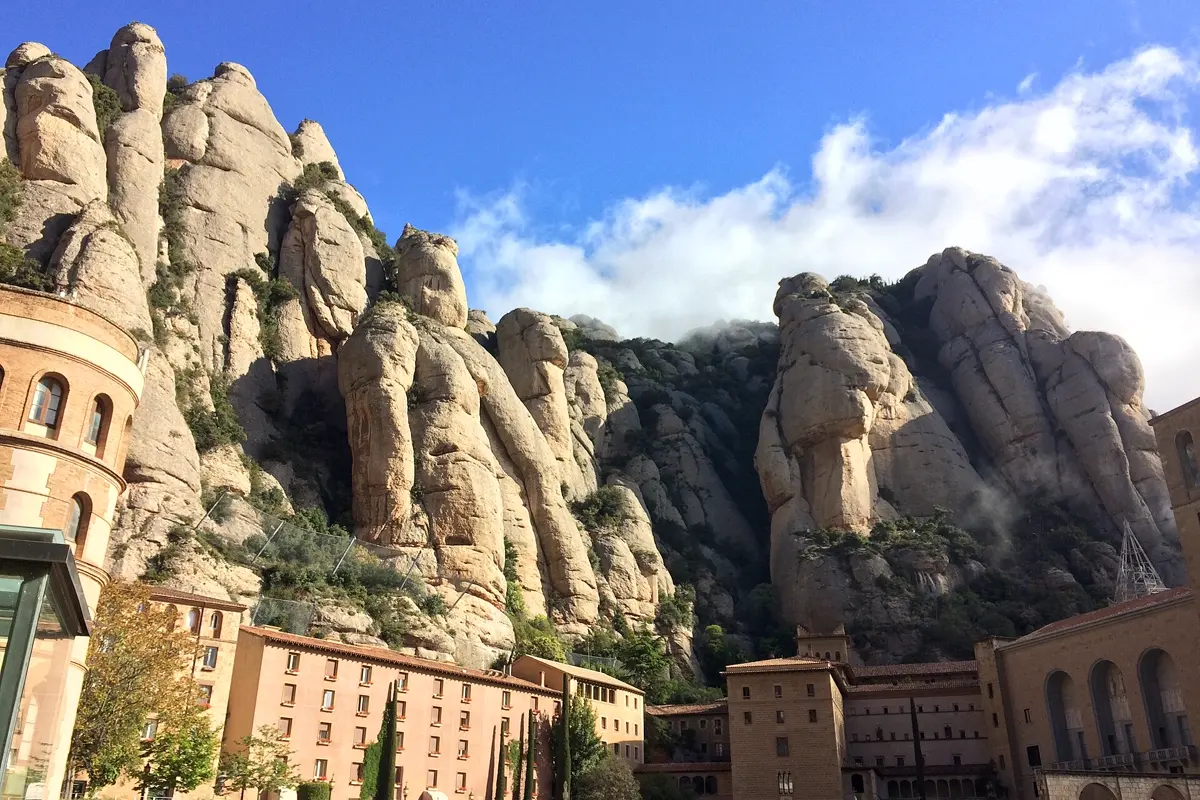
From the fourth day on, a day trip is worth it, and Barcelona has two good ones. The monastery of Montserrat sits among rock pinnacles inland. You take the train from Plaça d'Espanya and do the last stretch up by rack railway or cable car. At the top are the basilica with the Black Madonna, a surprisingly large museum with works by Caravaggio, Picasso and Dalí, and the steep Funicular de Sant Joan, from which hiking trails lead to viewpoints. If you would rather not plan it yourself, you can find guided tours in Barcelona* with Klook.
Girona in the north is also reached by train. From the station, walk across the red iron bridge over the river Onyar into the old town, up the wide Baroque staircase to the cathedral, whose Gothic nave is among the widest in the world, and on to the medieval Banys Àrabs. Finally, walk along the old city walls around the old town and down to the colourful houses on the river. Each trip needs a whole day; train tickets* are on Omio.
In the city itself, our 5-day plan adds the Palau de la Música Catalana, Gaudí's first house Casa Vicens in the Gràcia district, and the Palau Güell in El Raval.
Where to stay in Barcelona
Two areas suit a short stay particularly well:
- Eixample: wide streets, Modernisme buildings and good metro links. Central, but quieter than the old town.
- El Born: old town with lanes, bars and small shops, close to the beach. Lively in the evening – not for early sleepers.
The old town and El Born are best on foot; for longer distances, take the metro – the ten-journey card pays off after just a few days. Watch your bags on crowded trains, on the Rambla and on the beach. From the airport, a bus runs to Plaça de Catalunya; a transfer to your door can be booked with Welcome Pickups. Coming from outside the EU, a travel eSIM from Airalo is usually cheaper than roaming.
Best time to visit Barcelona
| Month | Day (avg. high) | Night (avg. low) | Rain per month |
|---|---|---|---|
| Jan | 13.6 °C | 4.7 °C | 44 mm |
| Feb | 14.8 °C | 5.8 °C | 36 mm |
| Mar | 16.2 °C | 7.7 °C | 46 mm |
| Apr | 17.9 °C | 9.8 °C | 70 mm |
| May | 21.5 °C | 13.6 °C | 47 mm |
| Jun | 25.9 °C | 18.4 °C | 35 mm |
| Jul | 28.7 °C | 21.4 °C | 26 mm |
| Aug | 28.6 °C | 21.5 °C | 52 mm |
| Sep | 25.1 °C | 18.0 °C | 92 mm |
| Oct | 21.7 °C | 14.7 °C | 105 mm |
| Nov | 17.5 °C | 9.5 °C | 58 mm |
| Dec | 15.0 °C | 6.2 °C | 25 mm |
Averages 2015–2024 from the ERA5 reanalysis (via Open-Meteo), rounded. The values describe a grid cell of about 25 km; right by the sea the nights are often milder, and in the city centre the days warmer.
Barcelona is most pleasant in May, June and September: 21 to 26 °C by day, warm enough for the beach but not as hot and crowded as high summer. In July and August the average highs are around 29 °C, with nights at 21 °C. Autumn brings the most rain: September and October are the wettest months on average at 92 and 105 mm, often falling in heavy showers. Winter is mild, at 14 to 15 °C by day, and much quieter – but not for swimming. YesTrip shows you the weather for your actual travel days.
Barcelona compared: how many days for other cities?
If you are torn between several cities: this is how many days we recommend in this series for a first visit.
Base map: Natural Earth
If you want to pair Barcelona with another city by the sea, look at Lisbon or Rome. More in our articles How many days in Lisbon?, How many days in Rome? and How many days in Paris?.
How YesTrip helps you plan
YesTrip has ready-made plans for Barcelona: three days as the main plan, plus one day from the Sagrada Família to the sea, a weekend, five days with Montserrat and Girona, two days with children and two budget days. Each plan has times, short walks and a map, with the timed Gaudí buildings placed so you can manage them without rushing. With one tap you copy it into the app and adjust it – for example if your Sagrada Família ticket falls on a different day. The app shows the weather for your travel days, the packing list suggests matching clothes – swimwear included – and with the offline package you have the map without a connection. YesTrip is free.
 Barcelona trip planDay by day, with map and tips
* Ad – Partner link: if you book there, we earn a commission. Your price stays the same.
Free
Plan your trip in 30 seconds.
Tell YesTrip where and when – the app plans day by day with real places on the map, shows the weather, splits costs with your travel companions and guides you to the next stop on the go.
Frequently asked questions
How many days do you need in Barcelona?
Two days are enough for the Gothic Quarter, El Born, the Sagrada Família, Park Güell and the Gaudí houses. Three days are ideal, adding Montjuïc and its museums. With 4 or 5 days, trips to Montserrat and Girona fit in.
Is a weekend enough for Barcelona?
For a first impression, yes: one day for Gaudí with the Sagrada Família and Park Güell, one for the old town, El Born and the beach. Buy tickets for the Gaudí buildings in advance, as weekend slots go especially quickly.
Can you see Barcelona in one day?
A cross-section, yes: the Sagrada Família in the morning, then Casa Milà and Casa Batlló on Passeig de Gràcia, and on foot along the Rambla through the Gothic Quarter and El Born to the beach. Park Güell and Montjuïc do not fit in as well.
Do I need to book Gaudí tickets in advance?
Yes. For the Sagrada Família, Park Güell, Casa Batlló and Casa Milà you should buy timed tickets online, as they are often sold out on the spot. The Sagrada Família is best visited in the morning.
When is the best time to visit Barcelona?
May, June and September, with 21 to 26 °C by day. July and August are the hottest and busiest months at around 29 °C, and September and October bring the most rain. Winter is mild and quiet, but not for swimming.
Sources
- Climate data: Open-Meteo Historical Weather API, daily values 2015–2024 – open-meteo.com
- Copernicus ERA5 reanalysis (Hersbach et al. 2020) – cds.climate.copernicus.eu
- UNESCO World Heritage: Works of Antoni Gaudí – whc.unesco.org
- UNESCO World Heritage: Palau de la Música Catalana and Hospital de Sant Pau – whc.unesco.org
- Sagrada Família, official website – sagradafamilia.org
- Montserrat, official website – www.montserratvisita.com
Researched with AI support and checked by our editors. Prices, opening hours and weather can change – please check before you go. YesTrip is not a travel agency. Published: .
More articles
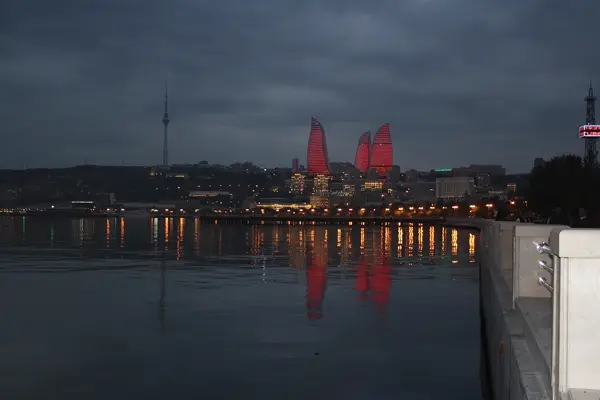 How many days?
How many days in Baku? 3 with Gobustan
Two days are enough for Baku's old town, the Boulevard and the Heydar Aliyev Center. The third belongs to Gobustan, 64 km away, with more … · 6 min read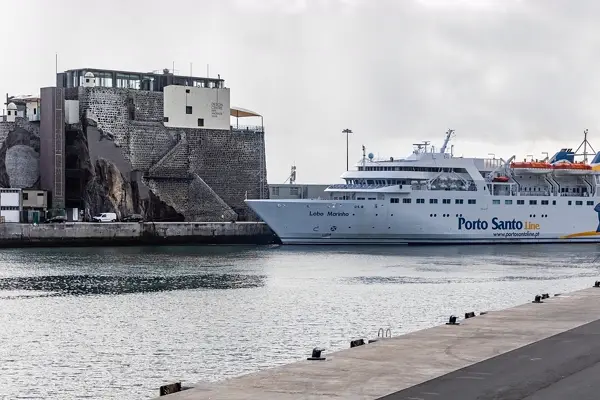 How many days?
How many days in Funchal? 3, or 5+ for Madeira
Two days are enough for Funchal: the old town, the market, the cable car and the gardens at Monte. Day three goes to the mountains, with … · 6 min read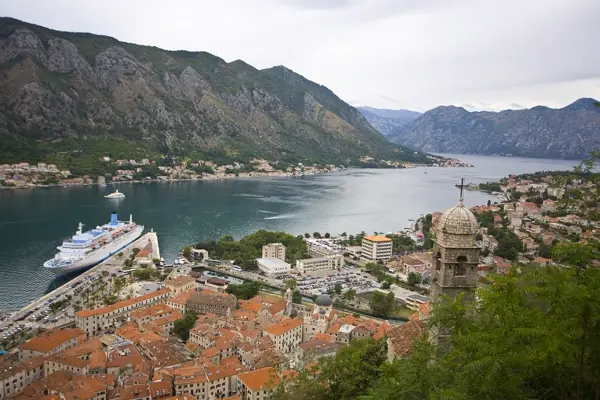 How many days?
How many days in Kotor? 2 with Perast
Two days are enough for Kotor: the old town and about 1,300 steps to the fortress on the first, Perast and the island of Our Lady of the … · 6 min read


