
How many days in London? Plans for 1–4 days
In short
Two days in London cover the classics – Westminster, Buckingham Palace, the Tower and Tower Bridge. Three days are ideal, adding the British Museum, Covent Garden and South Kensington. With 4 or 5 days, Windsor (under an hour by train) and Greenwich are worth it. The most pleasant months are May to September (17 to 23 °C by day).
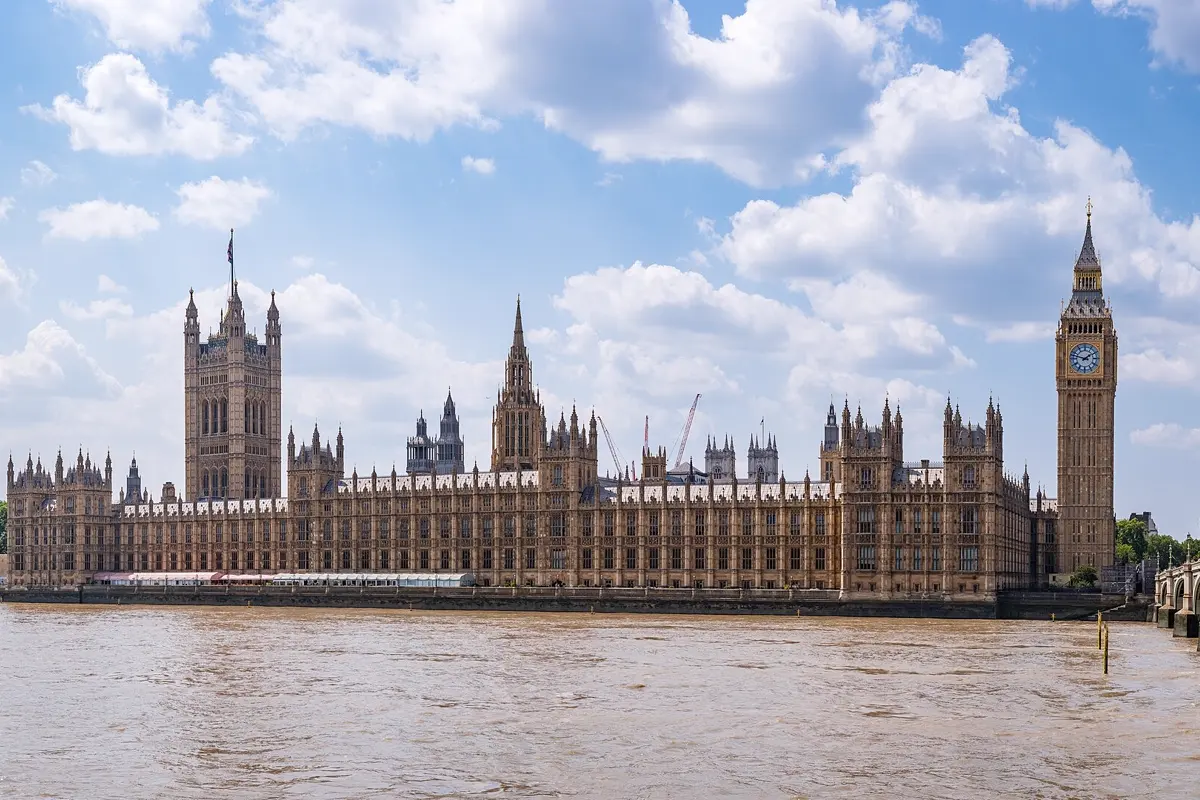
London is huge, but the places you want to see on a first visit lie in a handful of areas along the Thames: Westminster with Parliament, the Abbey and the palace, the City with the Tower and St Paul's, the South Bank across the river and, in the west, the museums of South Kensington. A big advantage: many of the city's best museums charge no admission. The short answer: 2 days for the classics, 3 days are ideal, and from 4 days Windsor and Greenwich are worth it.
How many days in London? The overview
| Days | What you see | Best for |
|---|---|---|
| 1 day | Big Ben, Westminster Abbey, St James's Park, Buckingham Palace, the National Gallery, the London Eye | a stopover |
| 2 days | plus the Tower of London, Tower Bridge, Borough Market, Tate Modern, St Paul's | a long weekend |
| 3 days | plus the British Museum, Covent Garden, the Natural History Museum, Hyde Park | the ideal length |
| 4 days | plus a trip to Windsor or a day in Greenwich | a relaxed first visit |
| 5+ days | plus the Churchill War Rooms, the V&A, Notting Hill, both day trips | anyone who wants London in depth |
A few things matter for planning: Westminster Abbey is closed to visitors on Sundays, so put it on another day. The Changing of the Guard at Buckingham Palace only takes place on certain days; the dates are on the official website. The Sky Garden needs a time slot booked in advance, even though it is free.
One day in London: Westminster to the South Bank
With one day, focus on Westminster and the West End, where London's best-known sights sit close together. Start on Westminster Bridge for the best view of Big Ben and Parliament, then visit Westminster Abbey, the coronation church since 1066, and walk through St James's Park with its lake to Buckingham Palace.
At midday head to Trafalgar Square and the National Gallery, with works by Leonardo, Turner and Van Gogh – free of charge. Then through Covent Garden and, in the early evening, across the Thames to the London Eye, when the light over the river is at its best. The evening ends on the South Bank. The Tower and the British Museum are left for a second day.
Two days in London: Westminster and the City
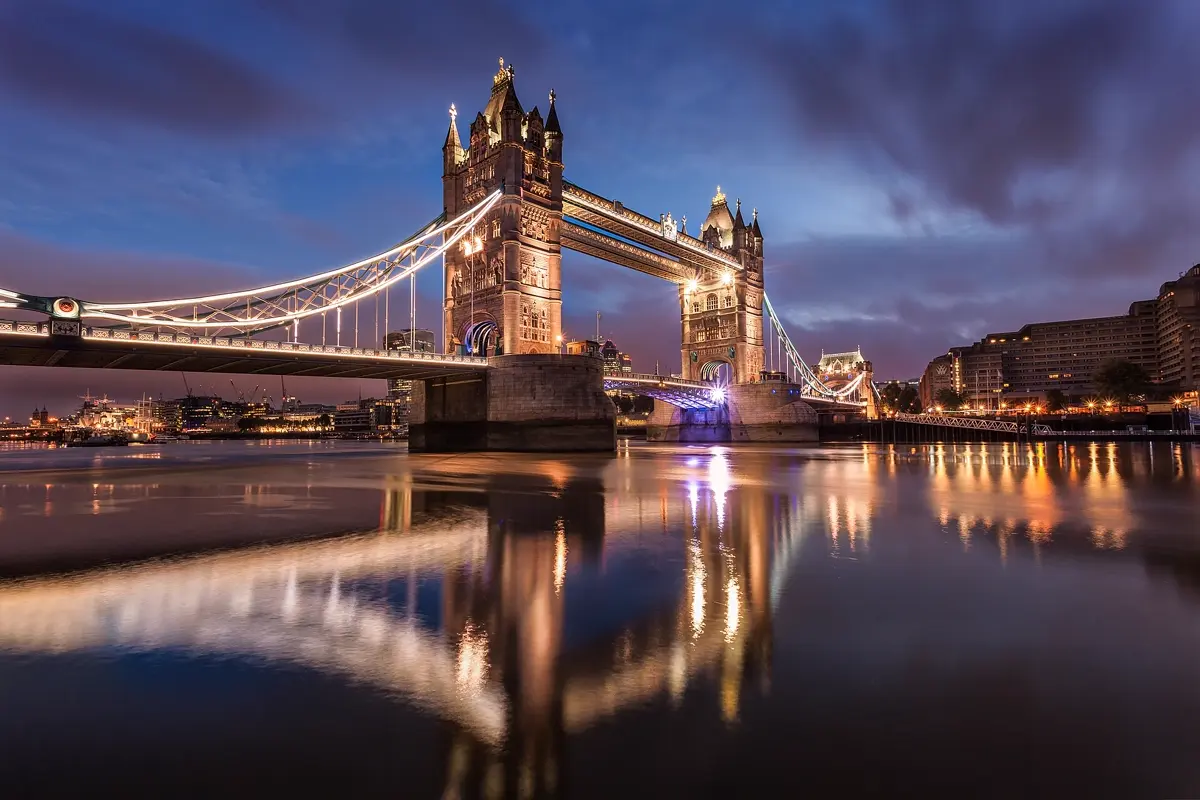
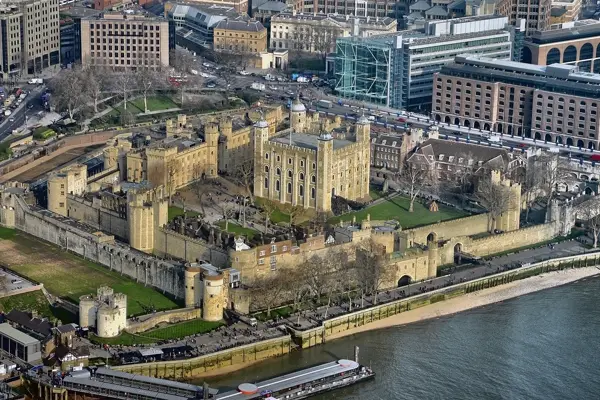
With two days, each half of central London gets its own day. Day one belongs to Westminster as described above. On day two, start early at the Tower of London – castle, prison and treasury. Go to the Crown Jewels first, before the queue grows. Then cross Tower Bridge, whose upper walkway has a glass floor, and follow the south bank to Borough Market, London's oldest food market, for lunch.
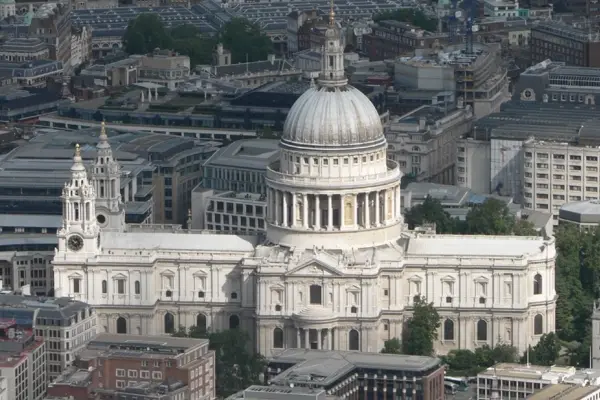
In the afternoon, Tate Modern in a former power station, also free, then over the Millennium Bridge to St Paul's Cathedral. To finish, the Sky Garden on the 35th floor with a panoramic view over the city. Tickets for the Tower, the Abbey and the London Eye* are on Tiqets.
For a Friday-to-Sunday weekend we have a separate plan: Friday evening St Paul's and Bankside, Saturday Westminster Abbey and the West End, Sunday the Tower, Tower Bridge and the Sky Garden.
Three days in London: the ideal length
Three days are right for a first visit because they leave room for the big museums without turning any day into a rush. Our ready-made plan:
- Day 1 – Westminster and Trafalgar Square: Big Ben, Westminster Abbey, St James's Park, Buckingham Palace, the National Gallery, the London Eye in the early evening.
- Day 2 – the Tower, the South Bank and St Paul's: the Tower of London with the Crown Jewels, Tower Bridge, Borough Market, Tate Modern, St Paul's Cathedral, the Sky Garden in the evening.
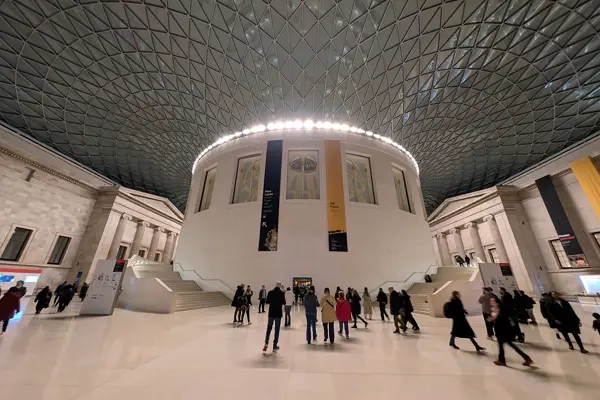
- Day 3 – Bloomsbury, Covent Garden and South Kensington: the British Museum with the Rosetta Stone and the Parthenon sculptures – two rooms properly rather than all of them – lunch in Covent Garden, then the Natural History Museum with the blue whale in the great hall and, to finish, Hyde Park with the Serpentine.
If you plan many paid sights, compare a city pass such as the Go City London Pass* with single tickets. Because many of the big museums are free, it only pays off with a busy programme including the Tower, the Abbey and day trips. Our guide answers is the Go City Pass worth it in five steps.
Four days or more: Windsor, Greenwich and Kensington
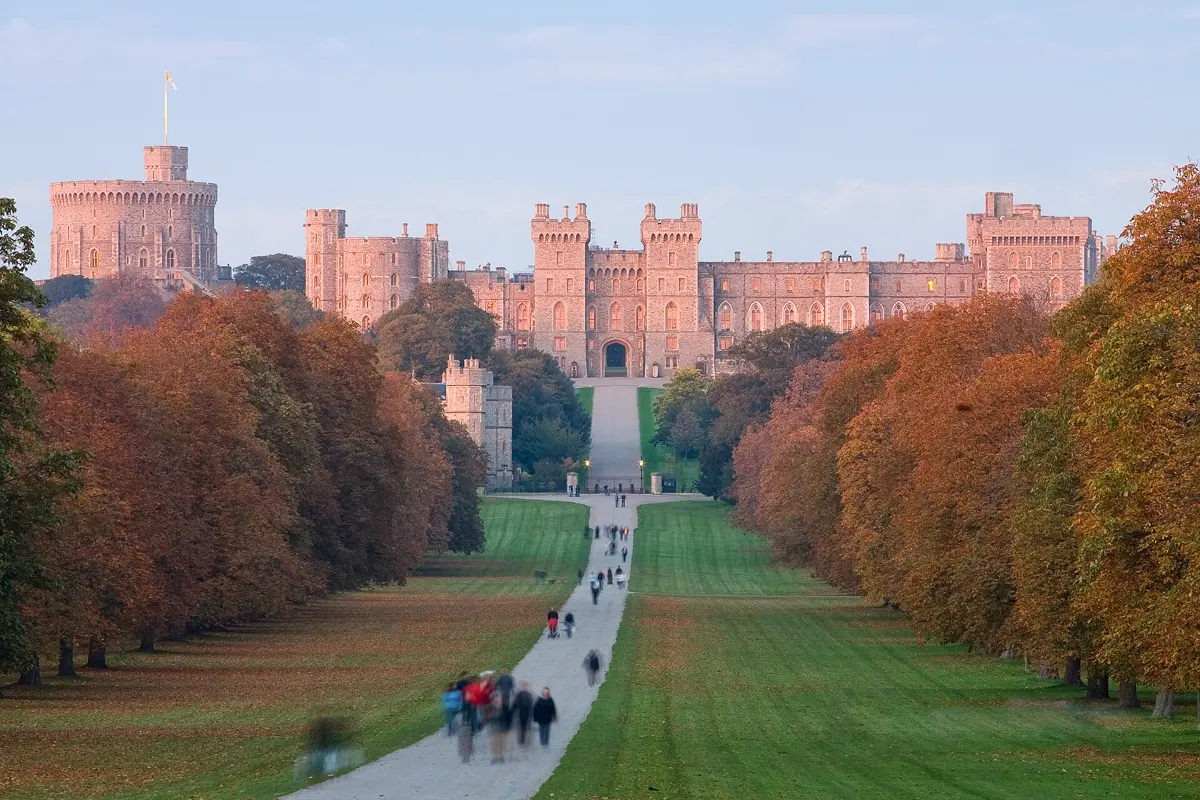
From the fourth day on, a day trip is worth it. Windsor is under an hour away by train. Its castle is the oldest inhabited castle in the world, with the State Apartments and St George's Chapel – allow about three hours. Then cross the footbridge to Eton for a late lunch and walk a little way up the Long Walk, the dead-straight avenue leading to the castle. If you prefer a guided trip, you can find tours to Windsor* with Klook.
Greenwich lies downstream and is reached by boat or on the Docklands Light Railway (DLR). Here the tea clipper Cutty Sark sits in dry dock, the National Maritime Museum is free, and you climb through the park to the Royal Observatory on the prime meridian. Our 5-day plan also adds the Churchill War Rooms, the Victoria and Albert Museum and an afternoon on Portobello Road in Notting Hill. With even more time, Camden and Kew Gardens are worth it.
Where to stay in London
Two areas suit a short stay particularly well:
- South Bank: on the south bank of the Thames, within walking distance of Westminster, Tate Modern and Borough Market.
- Bloomsbury: quiet squares around the British Museum, central and well connected by the Underground.
The Underground, the Tube, takes you everywhere quickly. Pay contactless with your card or phone when you enter and exit, and the daily fare is capped automatically; you do not need an Oyster card for that. Buses are slower, but from the upper deck you see a lot. From Heathrow, the Elizabeth line runs into the centre; a transfer from Heathrow to your door* can be booked with Welcome Pickups.
Two things to check before you travel: many visitors, including EU citizens, need an Electronic Travel Authorisation (ETA) applied for online in advance – the current rules are on the UK government website. And the UK uses type G sockets, so most visitors need an adapter. If your mobile plan charges for roaming in the UK, a travel eSIM from Airalo can be cheaper.
Best time to visit London
| Month | Day (avg. high) | Night (avg. low) | Rain per month |
|---|---|---|---|
| Jan | 7.8 °C | 1.6 °C | 61 mm |
| Feb | 9.2 °C | 2.5 °C | 54 mm |
| Mar | 11.0 °C | 3.7 °C | 58 mm |
| Apr | 13.8 °C | 4.6 °C | 40 mm |
| May | 17.4 °C | 8.2 °C | 57 mm |
| Jun | 20.9 °C | 11.5 °C | 61 mm |
| Jul | 22.6 °C | 13.8 °C | 60 mm |
| Aug | 22.4 °C | 13.6 °C | 57 mm |
| Sep | 19.7 °C | 11.4 °C | 64 mm |
| Oct | 15.5 °C | 8.7 °C | 78 mm |
| Nov | 11.0 °C | 5.1 °C | 66 mm |
| Dec | 9.3 °C | 4.1 °C | 65 mm |
Averages 2015–2024 from the ERA5 reanalysis (via Open-Meteo), rounded. The values describe a grid cell of about 25 km; on warm days the city centre can be a little warmer.
London is most pleasant from May to September: 17 to 23 °C by day and long light evenings, though high summer is also the busiest time. April and October are quieter and, at 14 to 16 °C by day, still good for walking; April is the driest month on average with 40 mm, October the wettest with 78 mm. It rains in every month, so a jacket always belongs in your bag. Winter is mild at 8 to 9 °C by day, but dark – good for the big museums. YesTrip shows you the weather for your actual travel days.
London compared: how many days for other cities?
If you are torn between several cities: this is how many days we recommend in this series for a first visit.
Base map: Natural Earth
London combines well with Paris: the Eurostar runs under the Channel in about 2.5 hours. More in our articles How many days in Paris?, How many days in Copenhagen? and How many days in Barcelona?.
How YesTrip helps you plan
YesTrip has ready-made plans for London: three days as the main plan, plus one day from Westminster to the South Bank, a weekend, five days with Windsor and Greenwich, two days with children and two days with almost no admission fees. Each plan has times, short walks and a map, and each day stays in one area. With one tap you copy it into the app and adjust it – for example if your weekend includes a Sunday and the Abbey has to move to Saturday. The app shows the weather for your travel days, the packing list suggests a rain jacket and the right plug adapter, and with the offline package you have the map without a connection. YesTrip is free.
 London trip planDay by day, with map and tips
* Ad – Partner link: if you book there, we earn a commission. Your price stays the same.
Free
Plan your trip in 30 seconds.
Tell YesTrip where and when – the app plans day by day with real places on the map, shows the weather, splits costs with your travel companions and guides you to the next stop on the go.
Frequently asked questions
How many days do you need in London?
Two days are enough for Westminster, Buckingham Palace, the Tower and Tower Bridge. Three days are ideal, adding the British Museum, Covent Garden and the museums in South Kensington. With 4 or 5 days, Windsor and Greenwich fit in.
Is a weekend enough for London?
For a first impression, yes: one day for Westminster and the West End, one for the Tower, Tower Bridge and the South Bank. Westminster Abbey is closed to visitors on Sundays, so visit it on Saturday.
Can you see London in one day?
A cross-section, yes: Big Ben, Westminster Abbey, St James's Park, Buckingham Palace and the National Gallery lie in a walkable line, and the London Eye follows in the evening. The Tower and the British Museum do not fit in as well.
Which museums in London are free?
The big national museums – the British Museum, the National Gallery, Tate Modern, the Natural History Museum, the Science Museum and the V&A – charge no admission for their permanent collections. Special exhibitions often cost extra.
When is the best time to visit London?
From May to September, with 17 to 23 °C by day and long evenings. April and October are quieter and cooler. It rains in every month, on average between 40 and 78 mm.
Sources
- Climate data: Open-Meteo Historical Weather API, daily values 2015–2024 – open-meteo.com
- Copernicus ERA5 reanalysis (Hersbach et al. 2020) – cds.climate.copernicus.eu
- UNESCO World Heritage: Palace of Westminster and Westminster Abbey including Saint Margaret's Church – whc.unesco.org
- UNESCO World Heritage: Tower of London – whc.unesco.org
- UNESCO World Heritage: Maritime Greenwich – whc.unesco.org
- Transport for London, fares and contactless payment – tfl.gov.uk
- UK government: Electronic Travel Authorisation (ETA) – www.gov.uk
Researched with AI support and checked by our editors. Prices, opening hours and weather can change – please check before you go. YesTrip is not a travel agency. Published: .
More articles
 How many days?
How many days in Baku? 3 with Gobustan
Two days are enough for Baku's old town, the Boulevard and the Heydar Aliyev Center. The third belongs to Gobustan, 64 km away, with more … · 6 min read How many days?
How many days in Funchal? 3, or 5+ for Madeira
Two days are enough for Funchal: the old town, the market, the cable car and the gardens at Monte. Day three goes to the mountains, with … · 6 min read How many days?
How many days in Kotor? 2 with Perast
Two days are enough for Kotor: the old town and about 1,300 steps to the fortress on the first, Perast and the island of Our Lady of the … · 6 min read


