
How many days in Oslo? Plans for 1–4 days
In short
Two days in Oslo cover the harbour with the Opera House, the MUNCH museum and Akershus Fortress, plus the museum peninsula Bygdøy and Vigeland Park. Three days are ideal, adding Holmenkollen, Karl Johans gate and Grünerløkka. With 4 days, take a ferry to the islands in the Oslofjord or hike in the Nordmarka forest. The best months are June to August (20 to 21 °C by day).
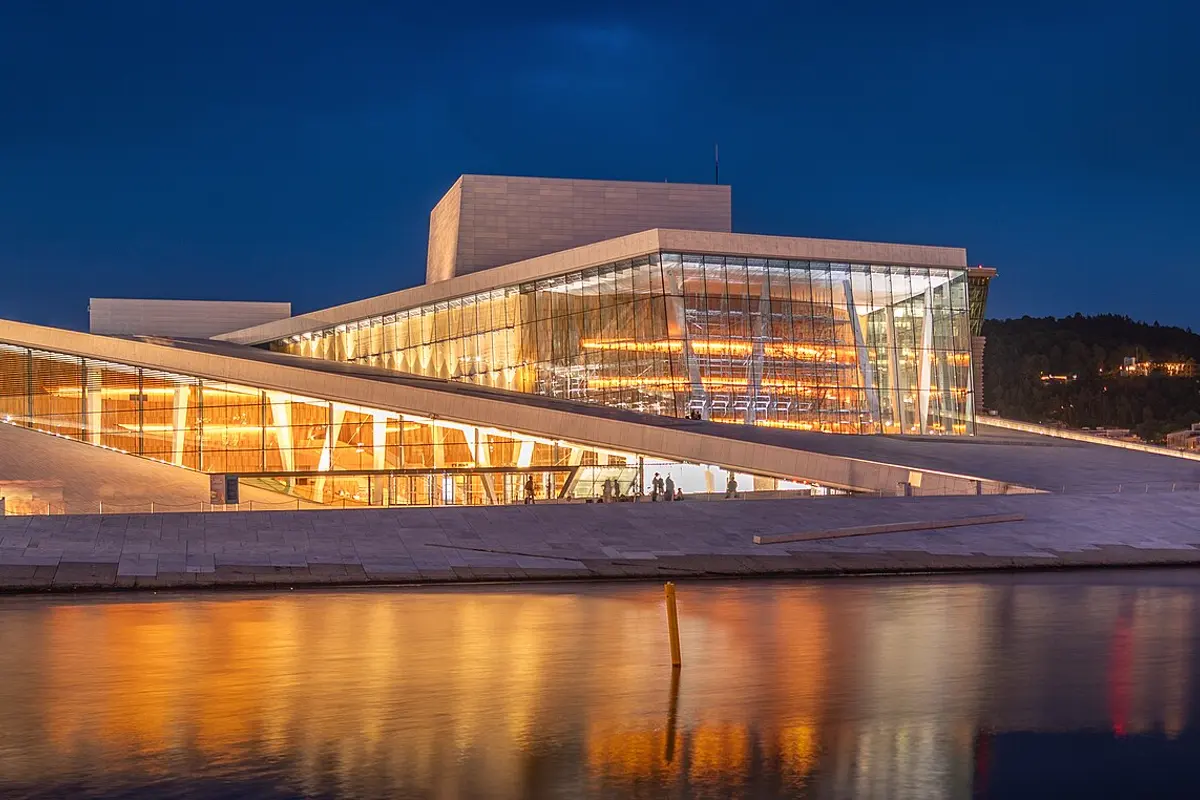
Oslo is a small capital with a lot of space around it: the fjord in front, forested hills behind, and a harbour that has been rebuilt over the last two decades with the Opera House, the MUNCH museum and a long waterfront promenade. Most sights are close together, and metro, trams and ferries cover the rest. The short answer: 2 days for the essentials, 3 days are ideal, and from 4 days a ferry to the fjord islands or a hike in the Nordmarka forest fits in.
How many days in Oslo? The overview
| Days | What you see | Best for |
|---|---|---|
| 1 day | the Opera House roof, MUNCH, Akershus Fortress, City Hall, Aker Brygge | a stopover or cruise call |
| 2 days | plus the Bygdøy museums (Norwegian Folk Museum, Fram, Kon-Tiki) and Vigeland Park | a weekend, first visit |
| 3 days | plus Holmenkollen, the Royal Palace, Karl Johans gate, Mathallen, Grünerløkka | the ideal length |
| 4 days | plus a ferry to the islands in the Oslofjord or a hike in Nordmarka | return visitors, nature lovers |
| 5+ days | plus the National Museum at leisure, a sauna by the fjord, an overnight trip towards the western fjords | anyone who wants Norway, not only Oslo |
Two things are worth knowing in advance: Oslo is expensive for food and drink, so food halls, bakeries and set lunches make a real difference to the budget. And the Bygdøy museums are a short trip out of the centre – by bus all year, and in summer by ferry from the harbour by City Hall – so give them a whole morning.
One day in Oslo: the Opera, MUNCH and the harbour
One day is enough for the harbour, all on foot. Start at the Opera House, the white building that seems to rise out of the water: you can walk up its sloping roof to the top for a view over the fjord and the city. Next door stands MUNCH, the tall museum dedicated to Edvard Munch, with versions of The Scream and wide views from the upper floors.
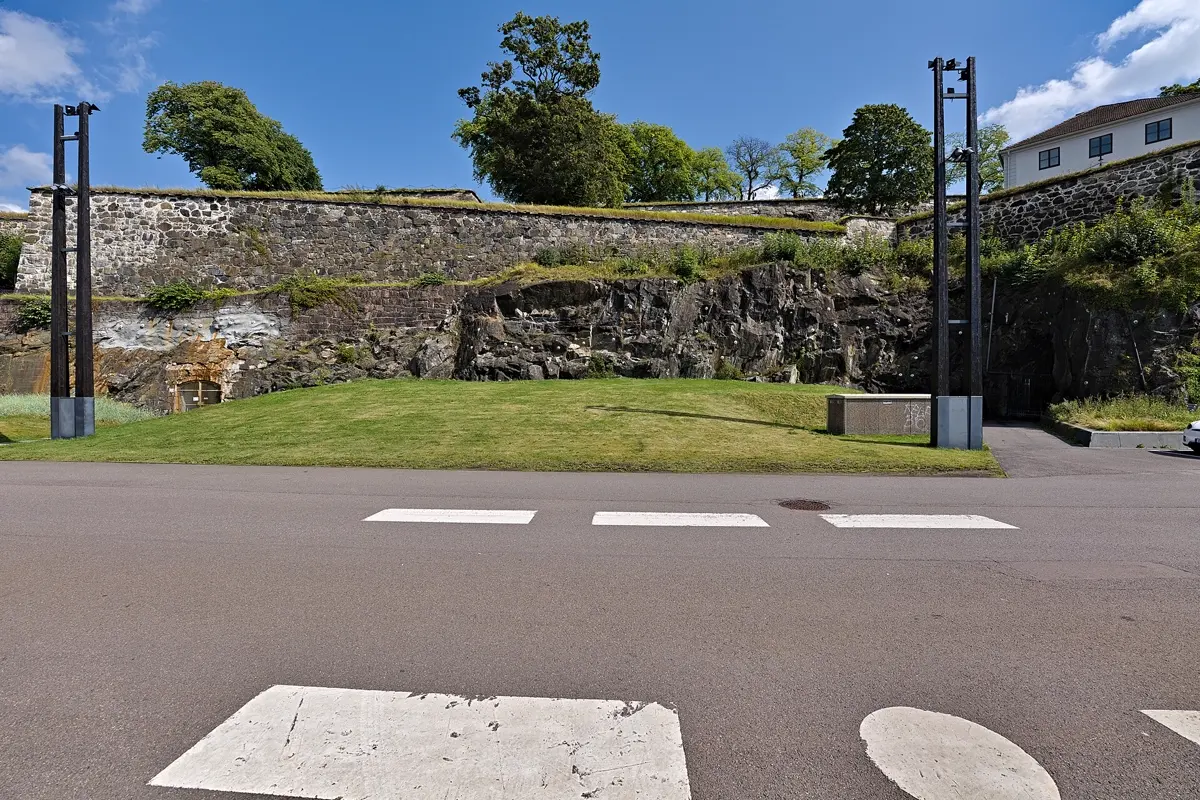
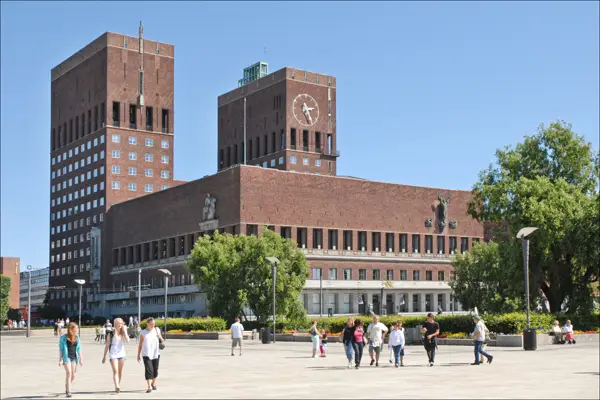
Walk along the water to Akershus Fortress, a medieval castle on a rise above the harbour, with ramparts that are free to stroll. Then on to City Hall, the brick building with two towers where the Nobel Peace Prize is awarded every year, and end the day at Aker Brygge and Tjuvholmen, the old shipyard turned into a promenade with restaurants and a small beach at the very tip.
Two days in Oslo: Bygdøy and Vigeland Park
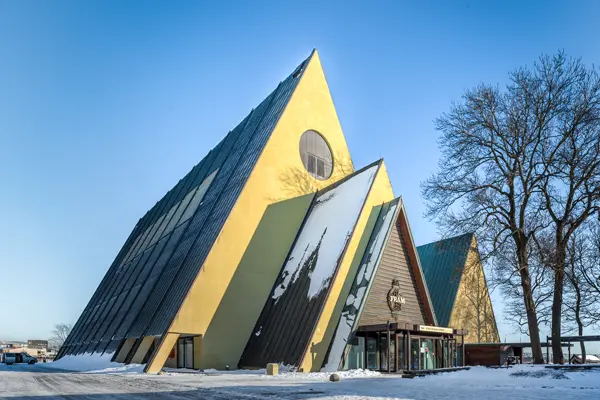
The second day starts on the Bygdøy peninsula. The Norwegian Museum of Cultural History is an open-air museum with old farmsteads, town houses and the medieval Gol stave church. Nearby, the Fram Museum shows the polar ship of Nansen and Amundsen, which you can go on board, and right opposite, the Kon-Tiki Museum has the raft Thor Heyerdahl sailed across the Pacific in 1947. Tickets for the museums and fjord cruises in Oslo* are on Tiqets.
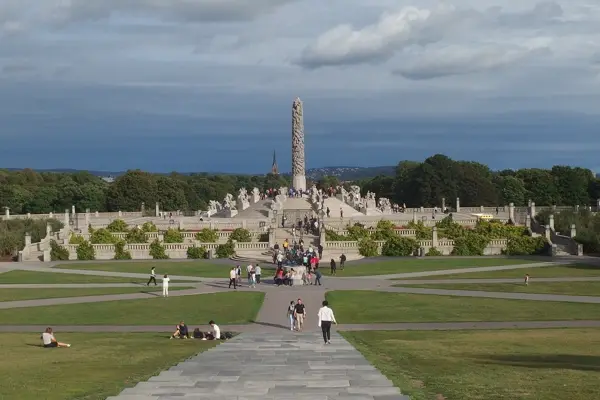
In the afternoon, take the bus back towards the centre and a tram to Frogner Park, home of Vigeland Park: more than 200 sculptures by Gustav Vigeland, from the bridge with its human figures to the tall monolith. The park is open to everyone at all hours and is at its best in the late-afternoon light.
Three days in Oslo: the ideal length
Three days give Oslo enough room, including one trip up the hill. Our ready-made plan divides the city like this:
- Day 1 – Opera, MUNCH and the harbour: the Opera House roof, MUNCH, Akershus Fortress, City Hall, Aker Brygge and Tjuvholmen.
- Day 2 – Bygdøy and Vigeland Park: the Norwegian Museum of Cultural History, the Fram Museum, the Kon-Tiki Museum, Vigeland Park in Frogner.
- Day 3 – Holmenkollen, the centre and Grünerløkka: the metro up to the Holmenkollen ski jump with its ski museum and a view over the Oslofjord, back down to the Royal Palace, along Karl Johans gate past Parliament, a late lunch in the Mathallen food hall and the evening in Grünerløkka, the former working-class district with cafés and bars.
The metro ride to Holmenkollen is part of the experience: within half an hour you go from the centre to the edge of the forest.

Four days or more: fjord islands, Nordmarka, the National Museum
From the fourth day, use what makes Oslo unusual among capitals: nature on the doorstep. Small public ferries run from the harbour to the islands in the inner Oslofjord, such as Hovedøya with its monastery ruins and bathing spots; they are part of the city's public transport. On the other side, the metro takes you to the edge of Nordmarka, a large forest with lakes and marked trails, popular for hiking in summer and cross-country skiing in winter.
On a rainy day, the National Museum by the harbour is the largest art museum in the Nordic countries, from old masters to design, including more works by Munch. If you want to see the western fjords, plan it as a separate trip of at least one night: the train to Bergen alone takes most of a day. Train and bus connections* can be compared on Omio.
Where to stay in Oslo
For a short stay, two areas work best:
- Sentrum: around Karl Johans gate and the Central Station. Central, well connected and a short walk from the harbour and the Opera.
- Grünerløkka: the district with cafés and bars north of the centre. More relaxed and good for evenings, with trams into the centre.
Metro, trams, buses and the harbour ferries are one network. From Gardermoen airport, an express train and regional trains run to the centre; for a late arrival with luggage, an airport transfer in Oslo* can be booked with Kiwitaxi. You can pay by card almost everywhere. Norway is in the European Economic Area, so EU roaming rules usually apply; visitors from elsewhere usually pay less with a travel eSIM for Norway* (Airalo) than with roaming, and our eSIM price index compares the prices per gigabyte.
Best time to visit Oslo
| Month | Day (avg. high) | Night (avg. low) | Rain per month |
|---|---|---|---|
| Jan | -0.5 °C | -6.0 °C | 73 mm |
| Feb | 1.2 °C | -4.9 °C | 60 mm |
| Mar | 4.7 °C | -2.9 °C | 58 mm |
| Apr | 10.3 °C | 0.9 °C | 50 mm |
| May | 16.0 °C | 6.3 °C | 78 mm |
| Jun | 20.5 °C | 11.4 °C | 86 mm |
| Jul | 21.2 °C | 12.9 °C | 112 mm |
| Aug | 19.8 °C | 12.2 °C | 94 mm |
| Sep | 16.1 °C | 9.4 °C | 102 mm |
| Oct | 9.6 °C | 4.4 °C | 83 mm |
| Nov | 4.1 °C | 0.1 °C | 80 mm |
| Dec | 0.7 °C | -3.8 °C | 67 mm |
Averages 2015–2024 from the ERA5 reanalysis (via Open-Meteo), rounded.
Oslo is at its best from June to August, with 20 to 21 °C by day and long evenings by the water; in June it hardly gets dark. May and September are fresher, around 16 °C, and quieter. Summer is also the wettest time, with the most rain from July to September, so pack a rain jacket. Winter is cold, with daytime highs around 0 °C from December to February, and the hills around the city are often covered in snow – good for skiing, short on daylight.
Oslo compared: how many days for other cities?
If you are choosing between cities, this is how many days we recommend in this series for a first visit.
Base map: Natural Earth
More in our articles how many days in Stockholm and how many days in Copenhagen, our Norway fjords road trip, and all cities of the series in the overview how many days in each city.
How YesTrip helps you plan
YesTrip has a ready-made three-day plan for Oslo with times, short walks and a map for each day, including the bus and tram connections to Bygdøy and Holmenkollen. With one tap you copy it into the app, then move stops, drop what does not interest you and add your hotel or a day on the fjord islands. The app shows the weather for your travel days, the packing list suggests a rain jacket when showers are likely, and with the offline package you have the map without a connection. YesTrip is free.
 Oslo trip planDay by day, with map and tips
* Ad – Partner link: if you book there, we earn a commission. Your price stays the same.
Free
Plan your trip in 30 seconds.
Tell YesTrip where and when – the app plans day by day with real places on the map, shows the weather, splits costs with your travel companions and guides you to the next stop on the go.
Frequently asked questions
How many days do you need in Oslo?
Two days are enough for the harbour with the Opera House and MUNCH, the Bygdøy museums and Vigeland Park. Three days are ideal and add Holmenkollen, the centre and Grünerløkka. From four days, a ferry to the fjord islands or a hike in Nordmarka is worth it.
Is 2 days enough for Oslo?
Yes, for a first visit. In two days you can see the Opera House, MUNCH, Akershus Fortress, City Hall, the Bygdøy museums and Vigeland Park. Holmenkollen and the districts away from the harbour need a third day.
Is Oslo expensive?
Yes, especially food and alcohol. Food halls, bakeries and supermarkets help, and many highlights are free: the Opera House roof, Akershus Fortress, Vigeland Park and the waterfront.
What is the best time to visit Oslo?
June to August, with daytime highs of 20 to 21 °C and very long evenings. May and September are cooler and quieter. Winter is cold and snowy, with short days.
Where should I stay in Oslo for a short trip?
In Sentrum around Karl Johans gate for short walks to the harbour, or in Grünerløkka for cafés and evenings. Both are well connected by tram and metro.
Sources
- Climate data: Open-Meteo Historical Weather API, daily values 2015–2024 – open-meteo.com
- Copernicus ERA5 reanalysis (Hersbach et al. 2020) – cds.climate.copernicus.eu
- Visit Oslo, official tourism website – www.visitoslo.com
- MUNCH, official website – www.munch.no
- Norwegian Museum of Cultural History, official website – norskfolkemuseum.no
- Ruter: Oslo public transport – ruter.no
Researched with AI support and checked by our editors. Prices, opening hours and weather can change – please check before you go. YesTrip is not a travel agency. Published: .
More articles
 How many days?
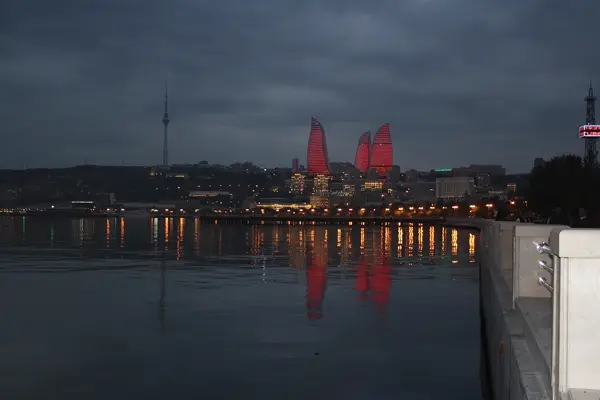
How many days in Baku? 3 with Gobustan
Two days are enough for Baku's old town, the Boulevard and the Heydar Aliyev Center. The third belongs to Gobustan, 64 km away, with more … · 6 min read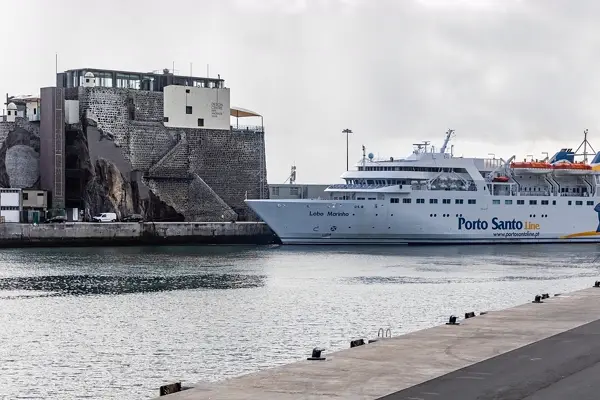 How many days?
How many days in Funchal? 3, or 5+ for Madeira
Two days are enough for Funchal: the old town, the market, the cable car and the gardens at Monte. Day three goes to the mountains, with … · 6 min read How many days?
How many days in Kotor? 2 with Perast
Two days are enough for Kotor: the old town and about 1,300 steps to the fortress on the first, Perast and the island of Our Lady of the … · 6 min read


