
How many days in Dublin? Plans for 1–5 days
In short
Two days in Dublin cover the classics – Trinity College with the Book of Kells, Dublin Castle, the two cathedrals, the Guinness Storehouse and Kilmainham Gaol. Three days are ideal, adding a trip on the DART coastal railway to Howth. With 4 or 5 days, Glendalough (about an hour's drive) or a long day tour to the Cliffs of Moher fit in. May to September is mildest.
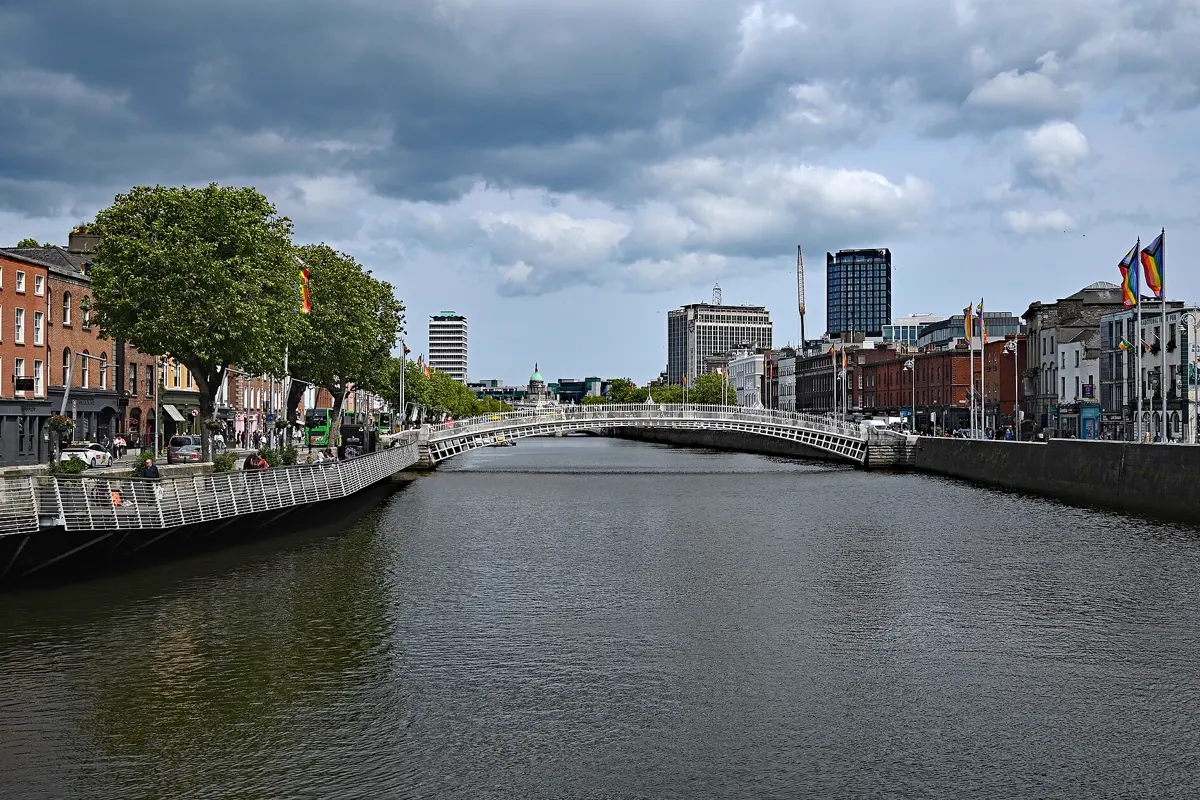
Dublin is one of the easiest capitals in Europe to see on foot. The centre between Trinity College, St Stephen's Green and the River Liffey is compact, the big sights are close together, and the sea is half an hour away by train. The short answer: 2 days are enough for the classics, 3 days are ideal with a day on the coast, and with 4 or 5 days a trip into the Wicklow Mountains or to the west is worth it.
How many days in Dublin? The overview
| Days | What you see | Best for |
|---|---|---|
| 1 day | Trinity College and the Book of Kells, Grafton Street, St Stephen's Green, Temple Bar | a stopover or a first look |
| 2 days | plus Dublin Castle, the Chester Beatty, Christ Church and St Patrick's Cathedral, the Guinness Storehouse, Kilmainham Gaol | a long weekend |
| 3 days | plus a day trip to Howth on the DART, the cliff walk on Howth Head | the ideal length |
| 4 days | plus Glendalough in the Wicklow Mountains, or Malahide Castle | anyone who wants to see more of Ireland |
| 5+ days | plus a long day tour to the Cliffs of Moher, or the start of a road trip | slow travellers |
Three sights sell tickets with an entry time and are often booked out at weekends and in summer: the Book of Kells Experience at Trinity College, the Guinness Storehouse and Kilmainham Gaol, which can only be visited on a guided tour. Book them before you travel.
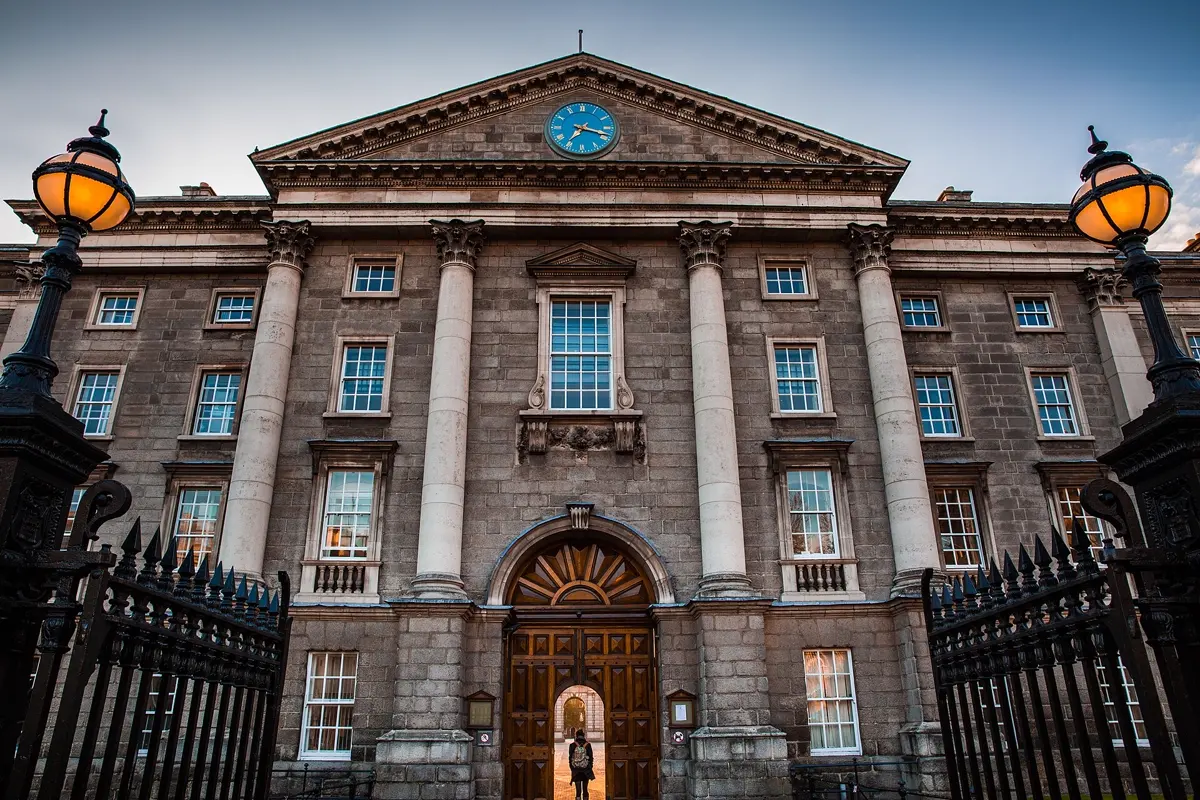
One day in Dublin: Trinity and the south side
One day is enough for the centre. Start early at Trinity College, the university founded in 1592, with the Book of Kells – an illuminated manuscript of the Gospels from around 800 – and the Long Room of the Old Library. From there it is a short walk past the Georgian doors of Merrion Square to the National Museum of Ireland – Archaeology with its gold and bog bodies (free entry). In the afternoon, St Stephen's Green and Grafton Street, and in the evening the pubs of Temple Bar – lively and touristy; for quieter pubs walk a few streets further.
What does not fit into this day: Guinness, the cathedrals and Kilmainham Gaol.
Two days in Dublin: castle, cathedrals and Guinness
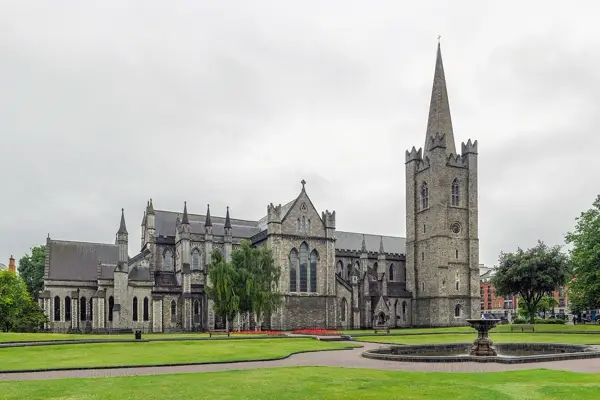
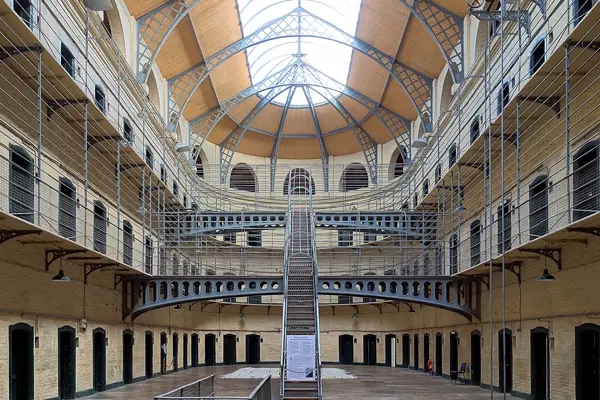
The second day goes west along the old town. Start at Dublin Castle, the seat of British rule in Ireland for centuries, and right behind it the Chester Beatty, a free museum of manuscripts and art from Asia, the Middle East and Europe. Then the two medieval cathedrals: Christ Church and St Patrick's, where Jonathan Swift was dean. In the afternoon the Guinness Storehouse at St James's Gate, with the Gravity Bar at the top, and the guided tour of Kilmainham Gaol, the prison where the leaders of the 1916 Easter Rising were executed.
If you plan to visit many paid sights in two or three days, a city pass can be worth checking – Go City has a city pass for Dublin*. Compare it with the sights you really want to see; it only pays off if you use it a lot.
Three days in Dublin: our ready-made plan
Three days are ideal, because the third takes you out to the sea. Our plan:
- Day 1 – Trinity College and the south side: Trinity College and the Book of Kells, Merrion Square, the National Museum – Archaeology, St Stephen's Green, Grafton Street, Temple Bar.
- Day 2 – Castle, cathedrals and Guinness: Dublin Castle, the Chester Beatty, Christ Church Cathedral, St Patrick's Cathedral, the Guinness Storehouse, Kilmainham Gaol.
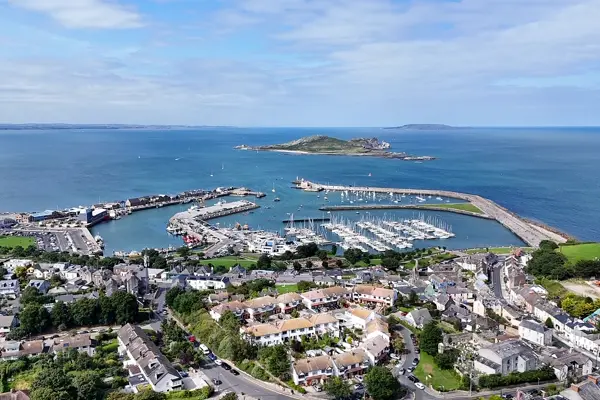
- Day 3 – Day trip to Howth: the DART coastal railway to the fishing harbour of Howth in about half an hour, the cliff walk on Howth Head with views of the Baily Lighthouse, fish for lunch by the harbour, and back in the evening to the Ha'penny Bridge over the Liffey.
Four days or more: Glendalough and the west
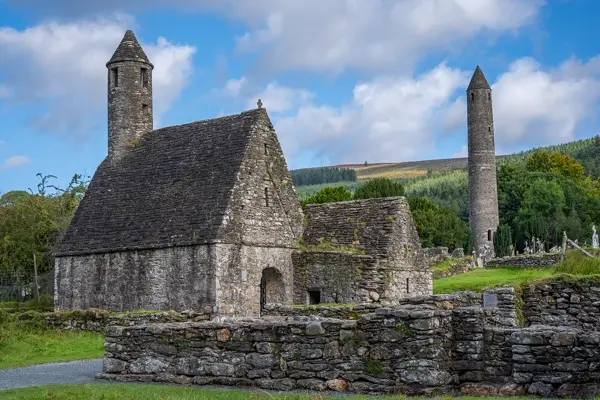
From day four, a trip into the country is worth it. Glendalough, a monastic site from the 6th century in a glacial valley in the Wicklow Mountains, is about an hour's drive south of Dublin (51 km, pure driving time). Without a car, a day tour is the easiest way there. Closer to town, Malahide Castle north of the city is also on the DART line.
The Cliffs of Moher on the west coast are a popular wish, but far: 261 km and about 3 hours 20 minutes of pure driving each way. As a day tour from Dublin that means a very long day on the bus – day tours from Dublin* can be compared on Viator. If you want to see the west properly, stay there a few nights; our Ireland road trip in 10 days shows a route.
| Day trip from Dublin | Distance | Pure driving time |
|---|---|---|
| Howth | by DART | about 30 min by train |
| Glendalough | 51 km | approx. 1 h |
| Cliffs of Moher | 261 km | approx. 3 h 20 min |
Driving times: route calculation based on OpenStreetMap, without traffic; allow about a third more.
Where to stay in Dublin
Two areas suit a short stay:
- Around St Stephen's Green: central and quieter than Temple Bar, close to Trinity College and Grafton Street.
- Portobello: a residential area by the Grand Canal with cafés and pubs, about 15 minutes' walk from the centre.
The centre is easy to walk. There are also buses, the Luas tram and the DART along the coast; tickets are sold at machines, in the app or on the rechargeable Leap Card. There is no rail link from the airport – buses run to the centre. If you arrive late or with children, an airport transfer in Dublin* can be booked with Welcome Pickups. On your last day, you can use luggage storage in central Dublin* (Radical Storage) while you visit one more museum.
Best time to visit Dublin
May to September is mildest, with long days for the coast. Around St Patrick's Day on 17 March the city is packed and hotels are expensive – great if you want the parade, otherwise avoid that week. Rain is possible at any time of year, so always bring a jacket. Winter is dark early and wet, but the museums and pubs make it easy to spend a few days indoors. YesTrip shows you the weather for your actual travel days.
Dublin compared: how many days for other cities?
If you are choosing between cities: this is how many days we recommend in this series for a first visit.
Base map: Natural Earth
More in our articles how many days in Edinburgh and how many days in London, and all cities of the series in the overview how many days in each city.
How YesTrip helps you plan
YesTrip has a ready-made three-day plan for Dublin with times, walking legs and a map for each day, the Howth day included. With one tap you copy it into the app and adjust it – for example to put the Book of Kells and Kilmainham Gaol at the times you booked. The app shows the weather for your travel days, the packing list suggests a rain jacket when the forecast calls for one, and with the offline package you have the map without a connection. YesTrip is free.
 Dublin trip planDay by day, with map and tips
We compare Howth, Glendalough and Newgrange in our day trips from Dublin.
* Ad – Partner link: if you book there, we earn a commission. Your price stays the same.
Free
Plan your trip in 30 seconds.
Tell YesTrip where and when – the app plans day by day with real places on the map, shows the weather, splits costs with your travel companions and guides you to the next stop on the go.
Frequently asked questions
How many days do you need in Dublin?
Two days are enough for Trinity College, the castle, the cathedrals, the Guinness Storehouse and Kilmainham Gaol. Three days are ideal, adding a day on the coast in Howth. With four or five days, Glendalough or a day tour to the west fit in.
Is a weekend enough for Dublin?
Yes. The centre is compact, so a weekend covers Trinity College and the south side on one day and the castle, cathedrals and Guinness on the other. Book the Book of Kells, the Guinness Storehouse and Kilmainham Gaol in advance.
Can you see Dublin in one day?
The centre, yes: Trinity College with the Book of Kells, Merrion Square, the National Museum, St Stephen's Green, Grafton Street and Temple Bar in the evening, all on foot. The Guinness Storehouse and Kilmainham Gaol need a second day.
Is Howth worth a day trip from Dublin?
Yes. The DART coastal railway takes about half an hour, and the cliff walk on Howth Head with views of the Baily Lighthouse and the fishing harbour make a good contrast to the city.
Can you visit the Cliffs of Moher as a day trip from Dublin?
You can, with a day tour, but the drive is about 3 hours 20 minutes each way without stops. Expect a very long day on the bus; if you have time, stay a night or two in the west instead.
Sources
- Trinity College Dublin: Book of Kells Experience – www.tcd.ie
- Office of Public Works: Kilmainham Gaol, guided tours – kilmainhamgaolmuseum.ie
- Chester Beatty, Dublin – chesterbeatty.ie
- Iarnród Éireann: DART – www.irishrail.ie
- Heritage Ireland: Glendalough Visitor Centre – heritageireland.ie
Researched with AI support and checked by our editors. Prices, opening hours and weather can change – please check before you go. YesTrip is not a travel agency. Published: .
More articles
 How many days?
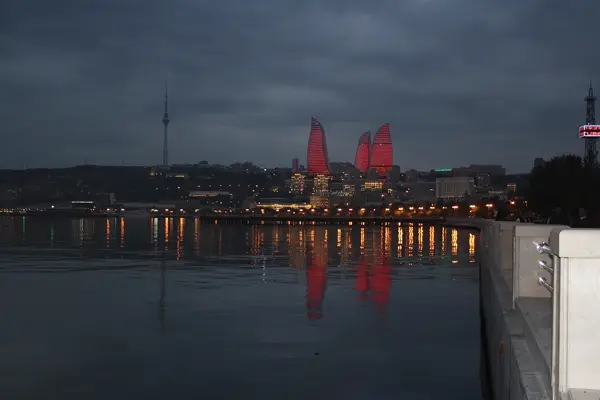
How many days in Baku? 3 with Gobustan
Two days are enough for Baku's old town, the Boulevard and the Heydar Aliyev Center. The third belongs to Gobustan, 64 km away, with more … · 6 min read How many days?
How many days in Funchal? 3, or 5+ for Madeira
Two days are enough for Funchal: the old town, the market, the cable car and the gardens at Monte. Day three goes to the mountains, with … · 6 min read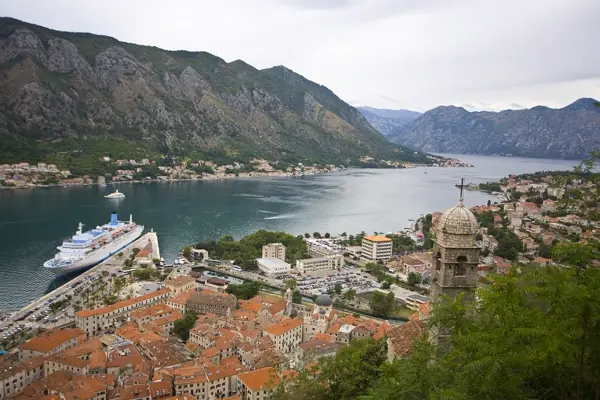 How many days?
How many days in Kotor? 2 with Perast
Two days are enough for Kotor: the old town and about 1,300 steps to the fortress on the first, Perast and the island of Our Lady of the … · 6 min read


