
Best time to visit Mallorca, month by month
In short
For a beach holiday in Mallorca, June to September is best, with daytime highs of 27 to 32 °C; July is the hottest and driest month at 32.1 °C and 7 mm of rain. For hiking and Palma, April, May and October are ideal at 20 to 24 °C. In winter Palma sees 15 to 16 °C by day and the island is quiet.
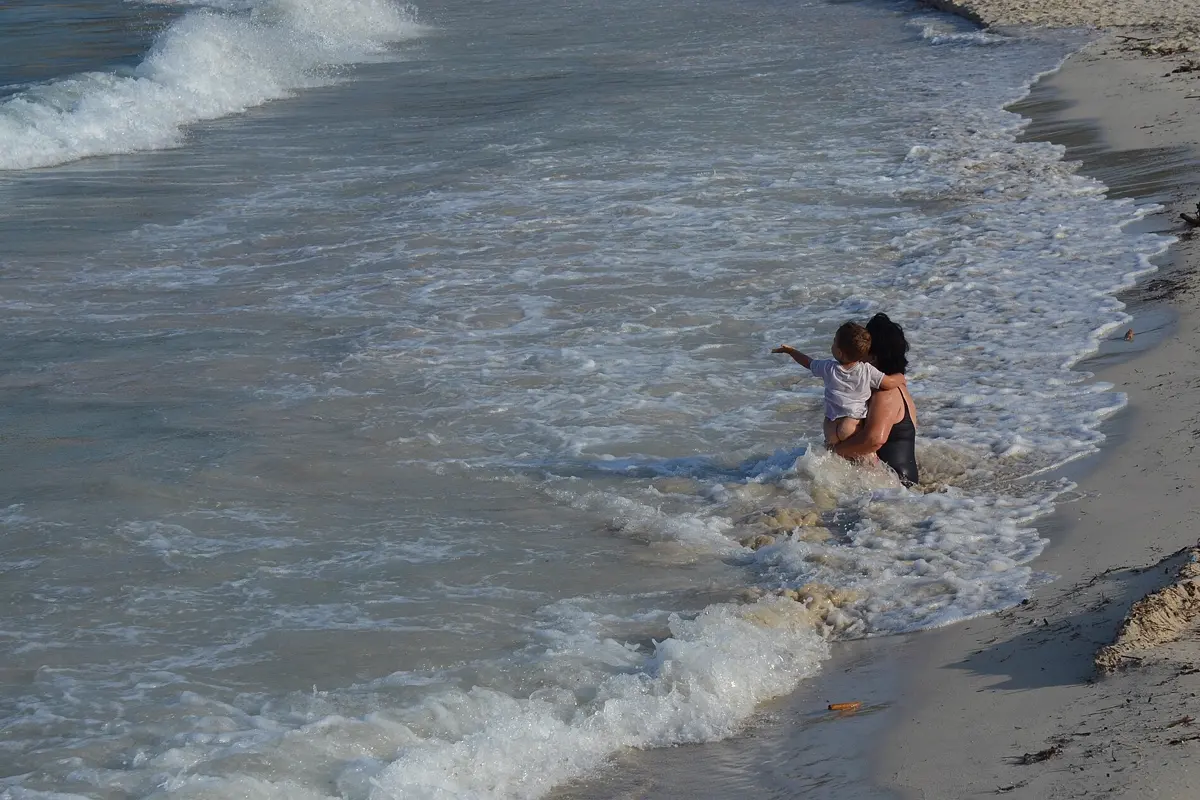
For many people Mallorca is the summer destination – yet the island is often at its best in spring and autumn. July and August are hot and crowded, April and October pleasantly warm and much quieter, and in winter you find an island that belongs almost entirely to the locals. We analysed the weather of 2015 to 2024 for Palma and tell you which month suits which kind of trip.
The short answer
- Beach holiday: June to September. 27 to 32 °C by day, warm nights, very little rain in June and July. July and August are the hottest and busiest.
- Hiking, cycling, city break: April, May and October. 20 to 24 °C by day, the Serra de Tramuntana is green, and it is less busy. In May and October you can already, or still, swim.
- Quiet winter: November to March. 15 to 19 °C by day, often sunny but with some rainy days. Ideal for Palma, villages and the almond blossom; many hotels in the beach resorts are closed.
Mallorca's climate: all 12 months
| Month | Day (avg. high) | Night (avg. low) | Rain per month |
|---|---|---|---|
| January | 14.6 °C | 8.5 °C | 45 mm |
| February | 15.7 °C | 8.5 °C | 46 mm |
| March | 17.3 °C | 10.2 °C | 44 mm |
| April | 19.7 °C | 12.0 °C | 51 mm |
| May | 23.6 °C | 15.3 °C | 40 mm |
| June | 28.3 °C | 19.6 °C | 30 mm |
| July | 32.1 °C | 22.8 °C | 7 mm |
| August | 31.7 °C | 23.0 °C | 22 mm |
| September | 27.4 °C | 20.2 °C | 68 mm |
| October | 23.6 °C | 16.9 °C | 64 mm |
| November | 18.7 °C | 12.9 °C | 59 mm |
| December | 16.4 °C | 10.1 °C | 27 mm |
Temperature and rain: average of 2015–2024 from the ERA5 reanalysis (via Open-Meteo) for Palma, rounded. A grid cell is about 25 km wide. Inland it often gets hotter in summer, while the Serra de Tramuntana is cooler and wetter than the coast.
The autumn rain stands out: September and October are the wettest months of the year at 68 and 64 mm. Short, heavy thunderstorms after a hot summer are typical, often followed by days of sunshine. July is almost dry at 7 mm.
Mallorca month by month
January and February
The coolest months: 15 to 16 °C by day and 8.5 °C at night. On sunny days you can sit outside a café in a T-shirt at lunchtime, but you need a jacket in the evening. From late January and through February the almond trees blossom, especially inland, turning the countryside white and pink. Palma is quiet and many coastal hotels are closed.
March and April
Spring arrives: 17 to 20 °C by day. This is peak season for cyclists training on the roads of the Tramuntana and the plain, and a very good time for hiking. The sea is still cool for swimming. Around Easter it gets busier.
May
For many the loveliest month: 23.6 °C by day, 40 mm of rain, everything green and in flower. Hiking, Palma and the first beach days combine well, and the school summer holidays have not started yet.
June
28.3 °C by day and only 30 mm of rain – the start of the swimming season. The sea is not yet as warm as in August, but the beaches are not yet as crowded either.
July and August
The hottest months: 32.1 °C in July and 31.7 °C in August by day, around 23 °C at night. Beaches, coves and roads are busy, and car parks at popular coves often fill up by mid-morning. Hiking only makes sense early in the morning. In summer, plan outings* before 10 am and after 5 pm.
September
Still summery at 27.4 °C, and the sea is at its warmest. Once the holidays end it gets quieter. Expect the odd thunderstorm – at 68 mm, September is on average the wettest month.
October
23.6 °C by day, pleasant evenings, and swimming is often still possible. Hiking season starts again. A very good month if you want warmth without heat or crowds.
November and December
It gets quiet: 19 °C in November, 16 °C in December. Many hotels in the beach resorts close, while life goes on in Palma. December is surprisingly dry at 27 mm of rain.
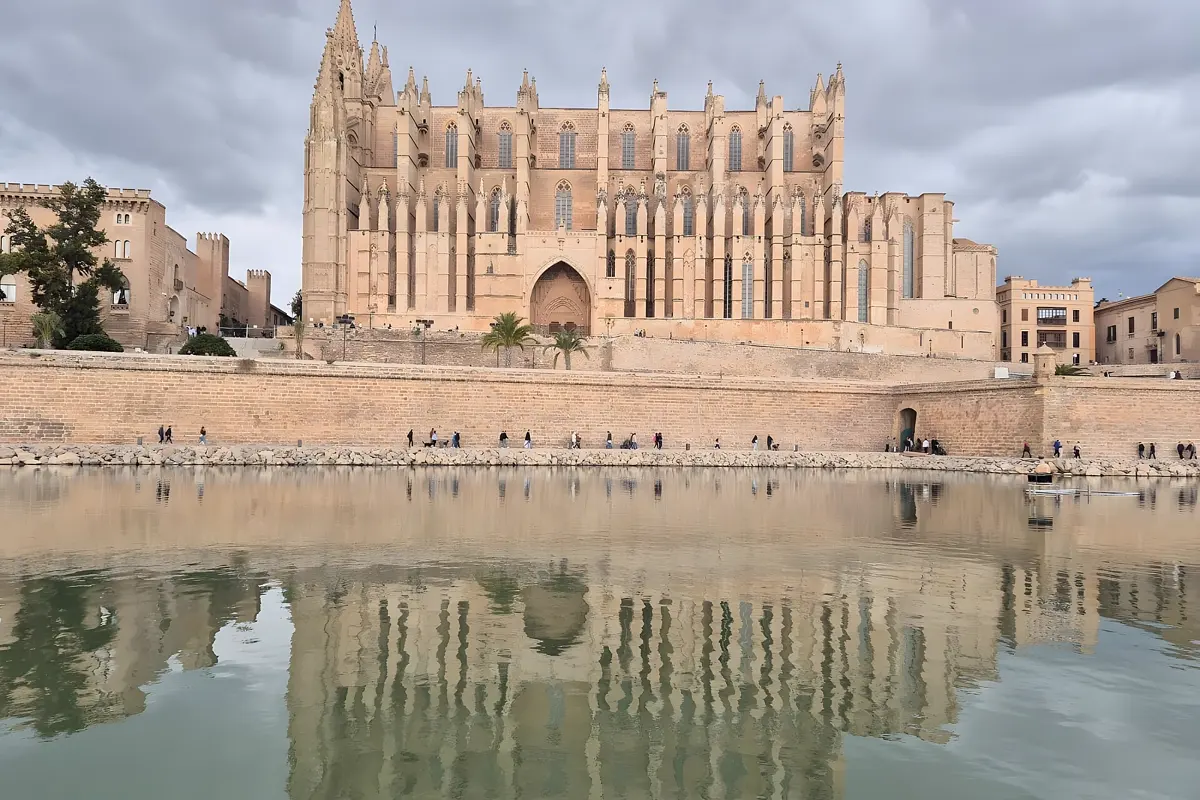
Where to go when
Base map: Natural Earth
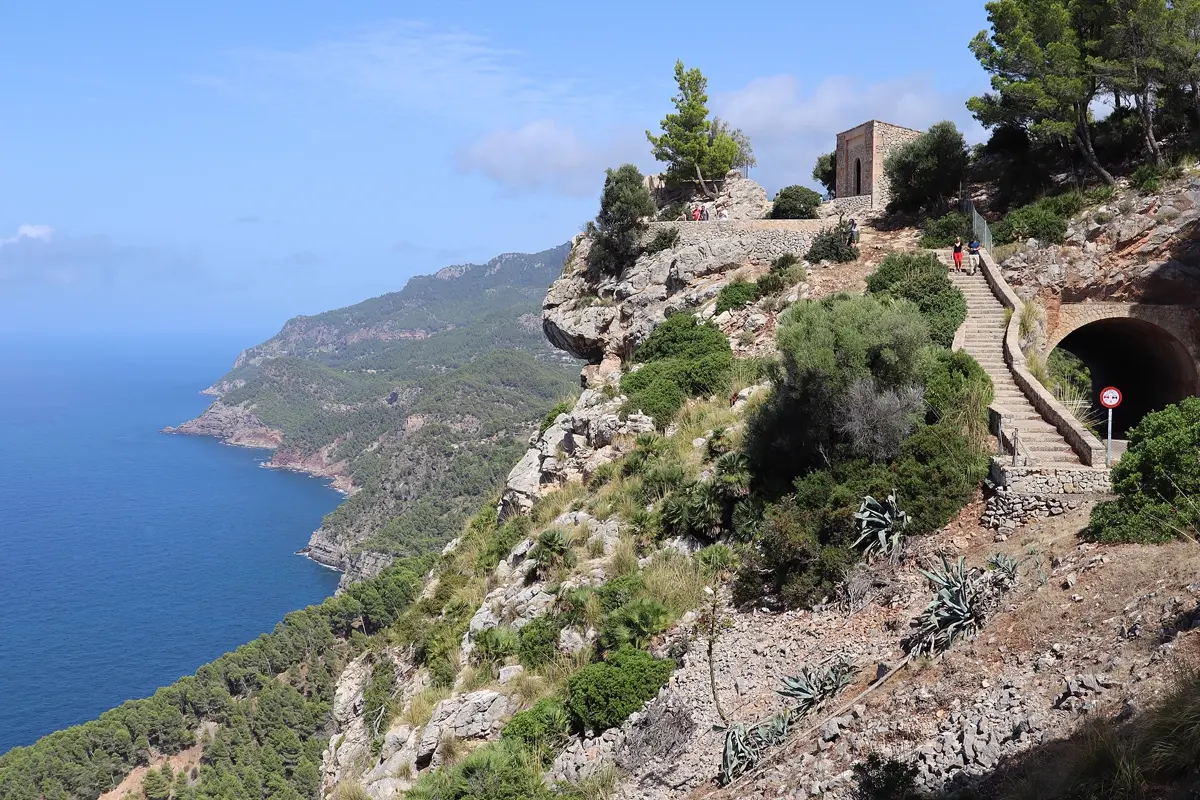
The Serra de Tramuntana in the north-west is a UNESCO World Heritage Site. The long-distance GR 221, the Dry Stone Route, crosses the range with stages between villages such as Valldemossa, Deià and Sóller. In spring and autumn this is the best part of the island; in midsummer the unshaded trails are too hot.
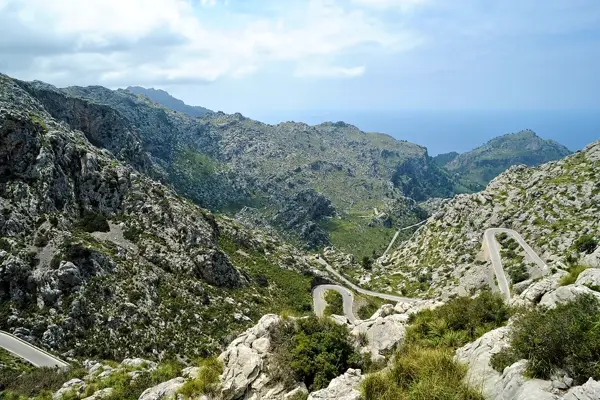
The road down to Sa Calobra and the Torrent de Pareis gorge are among the island's most impressive sights. In summer coaches and hire cars queue here; in April or October the bends and the bay are far more relaxed.
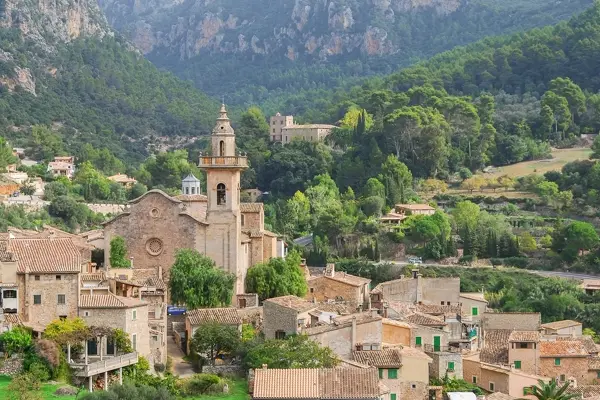
For swimming, the coves in the east and south-east, such as Cala Mondragó, and the long sandy beach of Es Trenc in the south are popular, as is the shallow bay of Alcúdia in the north. June and September are the most pleasant months there.
 Mallorca trip planDay by day, with map and tips
How YesTrip helps with this trip
In YesTrip you will find a ready-made plan for Mallorca with Palma, Tramuntana villages and coves, which you can take over and adapt to your dates. The map shows which places are close together so you keep drives short. The forecast for your travel days helps you decide between a hike and the beach. The packing list adapts: sun protection in summer, hiking boots and a rain jacket in spring. If you travel as a group, you share the trip and log shared expenses; the map also works offline.
Before you go
- Entry: Mallorca is part of Spain and the Schengen area. British visitors need a valid passport and can stay for a limited time without a visa. Check the current rules on gov.uk.
- Flight: From London a direct flight takes approx. 2.5 hours. Many UK airports have direct flights, especially in summer.
- Power: 230 volts, sockets type C and F (two round pins). From the UK you need an adapter.
- Mobile data: Whether EU roaming is included depends on your UK provider – check before you travel.
- Hire car: A car is handy for the Tramuntana and remote coves. Buses link Palma with most towns, but less often.
* Ad – Partner link: if you book there, we earn a commission. Your price stays the same.
Free
Plan your trip in 30 seconds.
Tell YesTrip where and when – the app plans day by day with real places on the map, shows the weather, splits costs with your travel companions and guides you to the next stop on the go.
Frequently asked questions
When is the best time to visit Mallorca?
For a beach holiday, June to September with 27 to 32 °C by day. For hiking, cycling and Palma, April, May and October with 20 to 24 °C are best. May and October combine both: pleasantly warm and less crowded.
How hot is Mallorca in summer?
In July the average daytime high in Palma is 32.1 °C and in August 31.7 °C, with nights around 23 °C. Inland it often gets hotter still. July is almost dry at 7 mm of rain.
Is Mallorca worth visiting in winter?
Yes, if you are after quiet, Palma and nature. Daytime highs are 15 to 16 °C, sunny days feel warmer, and the almond trees blossom from late January into February. It is too cool for swimming, and many hotels in the beach resorts are closed.
When does it rain most in Mallorca?
In autumn: September averages 68 mm and October 64 mm of rain, often as short, heavy thunderstorms. July is the driest month at 7 mm.
When is the best time for hiking in Mallorca?
March to May, plus October and November, with daytime highs of 17 to 24 °C. In summer the Serra de Tramuntana is too hot for hiking, and in winter the days are short and it can be wet and cool in the mountains.
Sources
- Open-Meteo Historical Weather API (ERA5), average 2015–2024 – open-meteo.com
- Copernicus ERA5 reanalysis (Hersbach et al. 2020) – cds.climate.copernicus.eu
- Cultural Landscape of the Serra de Tramuntana: UNESCO World Heritage List – whc.unesco.org
- Spain entry requirements: UK Foreign Travel Advice – www.gov.uk
Researched with AI support and checked by our editors. Prices, opening hours and weather can change – please check before you go. YesTrip is not a travel agency. Published: .
More best-time guides
 When to go
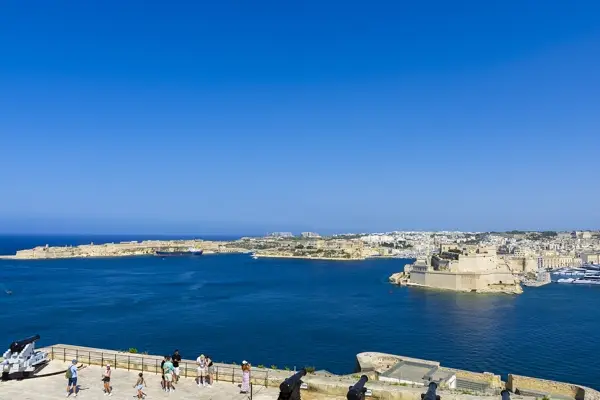
Best time to visit Malta: month by month
The best time to visit Malta is April to June and September to October: Valletta then reaches 19 to 27 °C by day, with little rain. July and … · 5 min read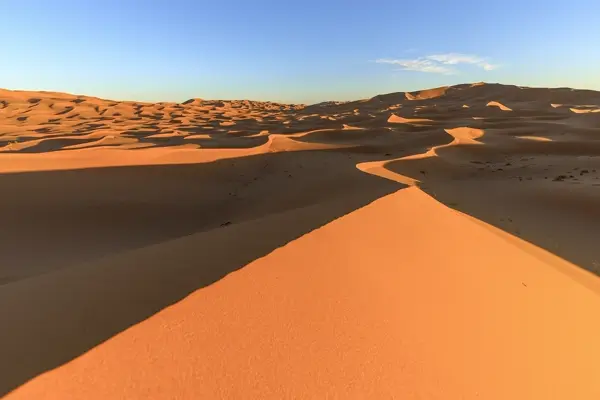 When to go
Best time to visit Morocco: weather by region
The best time to visit Morocco is March to May and October to November: Marrakech then has 23 to 30 °C by day, and even the Sahara around … · 9 min read When to go
Best time to visit Mauritius: summer and winter
The best time to visit Mauritius is September to December plus April and May: the north and west coasts then see 26 to 30 °C by day and … · 7 min read
All destinations: best time to visit and warm places by month


