
Georgia · 3 days · 18 stops
3 days in Tbilisi – a ready-made itinerary
Tbilisi lies in the valley of the Kura river, between steep hills. One day covers the old town with its baths, churches and fortress, one Rustaveli Avenue and the Mtatsminda hill, one the old capital of Mtskheta outside the city. The stops are in walking order; to Mtskheta you take a minibus or taxi.
In short
- Length
- 3 days, 18 stops
- Highlights
- Holy Trinity Cathedral (Sameba), Freedom Square, Jvari Monastery, Metekhi Church, Abanotubani
- Where to stay
- Old town, Sololaki, Vera and Vake
- Getting around
- Explore the old town on foot; the streets are often steep and the paving uneven.
- Best time to go
- May, June, September and October are the most pleasant.
Free, sign in with an email code. In the app you only pick your start date and adjust the plan.
Plan created with AI support – please check opening hours, prices and routes before you go. YesTrip editorial team · Updated: .
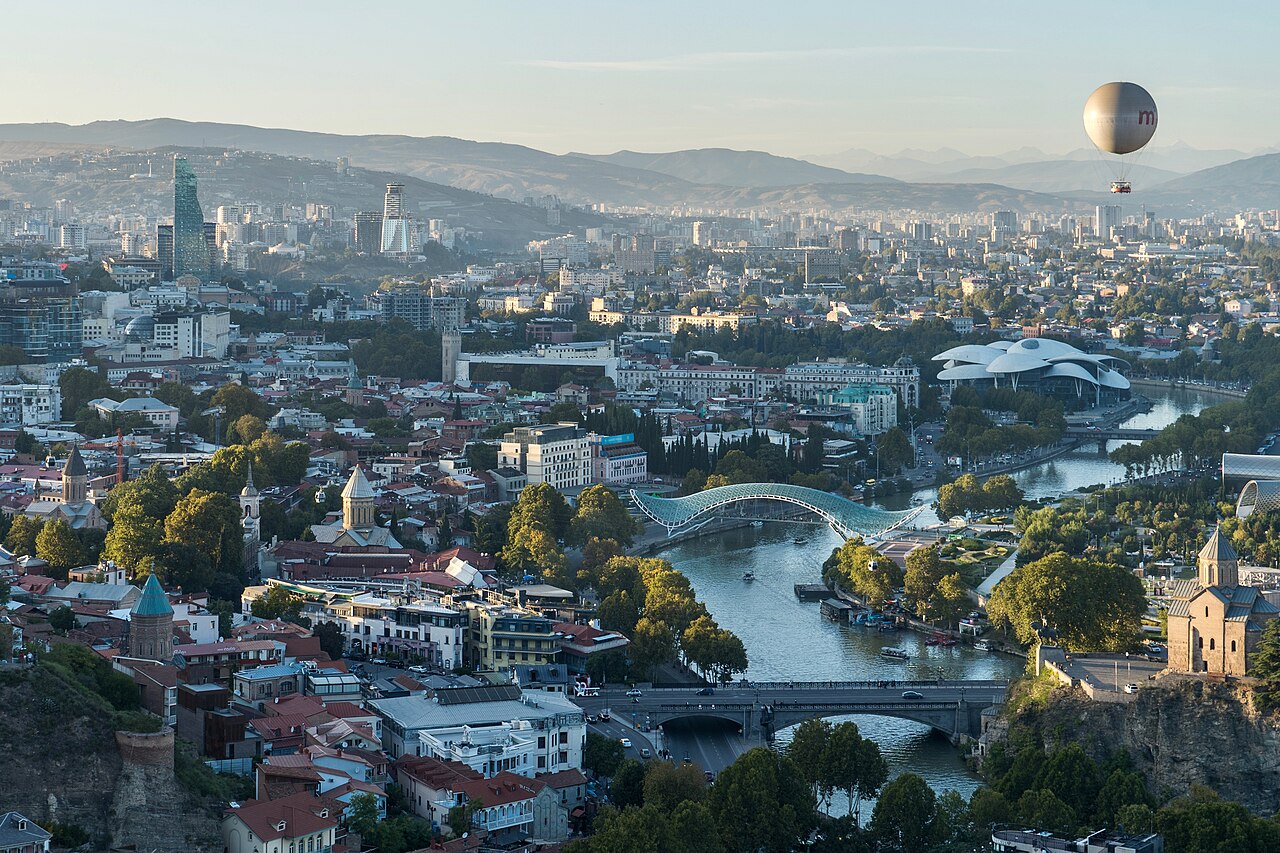
Top things to do in Tbilisi
15 places you should not miss in Tbilisi – each one is in the plan below with a time and the way there.
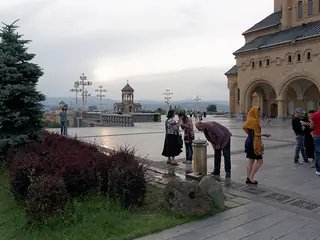 Holy Trinity Cathedral (Sameba)The main cathedral of the Georgian Orthodox Church, finished only in 2004 and one of the largest Orthodox churches. In churches cover shoulders and knees; women wear a scarf.Day 1
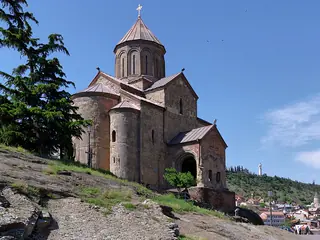 Metekhi ChurchA medieval church on a cliff above the Kura, with the equestrian statue of the city's founder in front. From here you look over the old town and the baths.Day 1
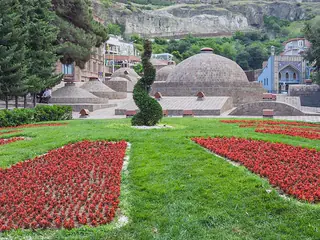 AbanotubaniThe bath district with brick domes over the sulphur springs that gave the city its name. You can rent private bath rooms by the hour.Day 1
- Narikala FortressThe old fortress on the hill above the old town; the path up is steep. Next to it stands the large statue of Mother Georgia.Day 1
- Bridge of PeaceA curved glass-and-steel footbridge over the Kura. From the fortress a cable car runs down to Rike Park at its far end.Day 1
- Sioni CathedralA quiet church in the middle of the old town. By tradition it keeps the grapevine cross of Saint Nino.Day 1
- Freedom SquareThe large square with the column of Saint George, where Rustaveli Avenue begins.Day 2
- Georgian National MuseumThe country's main archaeology museum. The highlight is the treasury with gold jewellery from ancient Colchis.Day 2
- Dry BridgeA flea market on and beside the bridge, with paintings, old cameras, badges and tableware from the Soviet era.Day 2
- Rustaveli AvenueThe city's grand boulevard with the opera, theatres and museums. Walk towards Freedom Square, then up to the funicular.Day 2
- Mtatsminda ParkThe park on the city's hill with a Ferris wheel, reached by funicular. Towards evening the whole city lies below you.Day 2
- Jvari MonasteryA 6th-century church on a hill above the meeting of the Aragvi and Kura rivers. Mtskheta lies about 20 km outside Tbilisi; a taxi is the easiest way up.Day 3
- Svetitskhoveli CathedralThe great 11th-century cathedral, one of Georgia's most important churches and a UNESCO World Heritage Site together with Jvari and Samtavro.Day 3
- Samtavro MonasteryA convent with an 11th-century church, quieter than the cathedral. The nuns often work in the garden.Day 3
- SololakiAn old residential area on the hillside with 19th-century houses. Some stairwells are painted – look through open doorways.Day 3
Day 1
The old town and Narikala

Holy Trinity Cathedral (Sameba)
The main cathedral of the Georgian Orthodox Church, finished only in 2004 and one of the largest Orthodox churches. In churches cover shoulders and knees; women wear a scarf.
On the map (OpenStreetMap): Holy Trinity Cathedral (Sameba)about 15 min on foot
Metekhi Church
A medieval church on a cliff above the Kura, with the equestrian statue of the city's founder in front. From here you look over the old town and the baths.
On the map (OpenStreetMap): Metekhi Churchabout 5 min on foot
Abanotubani
The bath district with brick domes over the sulphur springs that gave the city its name. You can rent private bath rooms by the hour.
On the map (OpenStreetMap): Abanotubaniabout 15 min on foot
Old town lanes around Kote Afkhazi Street
Plenty of places serving Georgian food. For lunch try khinkali, filled dumplings, and khachapuri, bread with cheese.
On the map (OpenStreetMap): Old town lanes around Kote Afkhazi Streetabout 10 min on foot
Narikala Fortress
The old fortress on the hill above the old town; the path up is steep. Next to it stands the large statue of Mother Georgia.
On the map (OpenStreetMap): Narikala Fortressabout 10 min on foot
Bridge of Peace
A curved glass-and-steel footbridge over the Kura. From the fortress a cable car runs down to Rike Park at its far end.
On the map (OpenStreetMap): Bridge of Peaceright next door
Sioni Cathedral
A quiet church in the middle of the old town. By tradition it keeps the grapevine cross of Saint Nino.
On the map (OpenStreetMap): Sioni Cathedral
Day 2
Rustaveli Avenue and Mtatsminda

Freedom Square
The large square with the column of Saint George, where Rustaveli Avenue begins.
On the map (OpenStreetMap): Freedom Squareabout 5 min on foot
Georgian National Museum
The country's main archaeology museum. The highlight is the treasury with gold jewellery from ancient Colchis.
On the map (OpenStreetMap): Georgian National Museumabout 10 min on foot
Dry Bridge
A flea market on and beside the bridge, with paintings, old cameras, badges and tableware from the Soviet era.
On the map (OpenStreetMap): Dry Bridgeabout 20 min on foot
Aghmashenebeli Avenue
An avenue across the river with restored 19th-century houses and many places to eat. Good for a long lunch with khachapuri.
On the map (OpenStreetMap): Aghmashenebeli AvenueMetro from Marjanishvili to Rustaveli station, about 15 min.
Rustaveli Avenue
The city's grand boulevard with the opera, theatres and museums. Walk towards Freedom Square, then up to the funicular.
On the map (OpenStreetMap): Rustaveli Avenueabout 25 min on foot
Mtatsminda Park
The park on the city's hill with a Ferris wheel, reached by funicular. Towards evening the whole city lies below you.
On the map (OpenStreetMap): Mtatsminda Park
Day 3
Day trip to Mtskheta

Jvari Monastery
A 6th-century church on a hill above the meeting of the Aragvi and Kura rivers. Mtskheta lies about 20 km outside Tbilisi; a taxi is the easiest way up.
On the map (OpenStreetMap): Jvari Monasteryabout 20 min on foot
Svetitskhoveli Cathedral
The great 11th-century cathedral, one of Georgia's most important churches and a UNESCO World Heritage Site together with Jvari and Samtavro.
On the map (OpenStreetMap): Svetitskhoveli Cathedralabout 10 min on foot
Lanes around the cathedral
Around the cathedral you find places serving Georgian food and stalls selling churchkhela, nuts coated in thickened grape juice.
On the map (OpenStreetMap): Lanes around the cathedralright next door
Samtavro Monastery
A convent with an 11th-century church, quieter than the cathedral. The nuns often work in the garden.
On the map (OpenStreetMap): Samtavro MonasteryMinibus back to Didube, then metro into the centre, about 1 hour in total.
Sololaki
An old residential area on the hillside with 19th-century houses. Some stairwells are painted – look through open doorways.
On the map (OpenStreetMap): Sololaki
Good to know
Best time to go
May, June, September and October are the most pleasant. July and August are hot in Tbilisi; winter is cold but usually dry. Autumn is harvest time, and young wine is everywhere.
Getting around
Explore the old town on foot; the streets are often steep and the paving uneven. For longer distances there are the metro and buses, and taxis are easiest to order by app. Minibuses to Mtskheta leave from Didube bus station and take about half an hour. Buses and taxis run from the airport into the city.
Where to stay
Old town
Baths, churches and the fortress on foot, with many small guesthouses. The lanes are steep – hard work with heavy luggage.
Sololaki
A quiet residential area with old houses, close to the old town and Freedom Square. Good for calm evenings.
Vera and Vake
Green districts north and west of Rustaveli Avenue with cafés. Further from the old town, but well connected by metro.
Ad Where to stay in Tbilisi? Compare prices: Tbilisi
Ad Flights to Tbilisi: compare live prices →
More on Tbilisi in our blog: How many days in Tbilisi? Plans for 1–5 days · Georgia and Armenia itinerary: 13-day route
Your plan
Start with this plan.
Copy it into YesTrip, pick your dates and make it yours: move stops, drop them or let the AI add more. On the road the app shows you the next stop and how to get there.
Tbilisi: frequently asked questions
What are the must-see sights in Tbilisi?
The must-see sights in Tbilisi are Holy Trinity Cathedral (Sameba), Metekhi Church, Abanotubani, Narikala Fortress, Bridge of Peace and Sioni Cathedral. This plan links 15 of them into short walks over 3 days – with times, a map and tips.
Are 3 days enough for Tbilisi?
For the old town, Rustaveli Avenue and Mtskheta, yes. With more time, the Kakheti wine region or a trip into the Greater Caucasus are worth it.
What should I wear in churches?
Cover shoulders and knees. Women wear a headscarf and often a skirt; many churches have scarves ready at the entrance.
Do I need a visa for Georgia?
Check your government's official travel advice for the current entry rules before you go, as they can change.
How do I get to Mtskheta?
By minibus from Didube bus station or by taxi; the ride takes about half an hour. For Jvari Monastery on the hill, a taxi is best.
Plan created with AI support – please check opening hours, prices and routes before you go. Coordinates checked with Wikipedia and OpenStreetMap (Photon). Photo: Alexey Komarov, CC BY-SA 4.0, via Wikimedia Commons. More in Sources & licences. YesTrip is a trip planner, not a travel agency – nothing is booked.
More trip plans
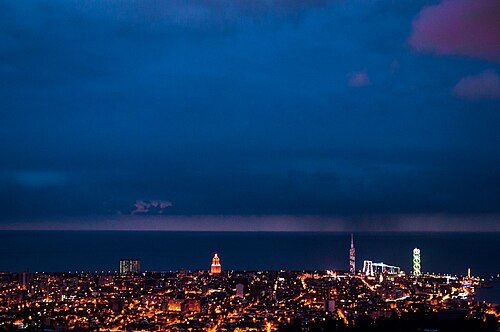 Georgia · 3 days
Batumi
Photo: Irma Laghadze ირმა ლაღაძე, CC BY-SA 2.0, via Wikimedia Commons
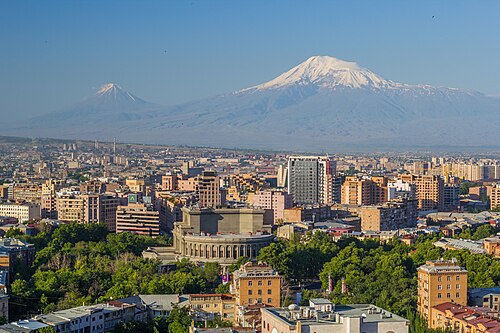 Armenia · 3 days
Yerevan
Photo: Սէրուժ Ուրիշեան (Serouj Ourishian), CC BY 4.0, via Wikimedia Commons
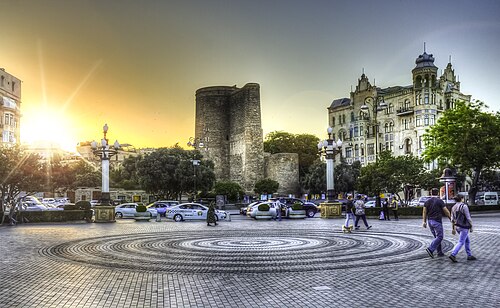 Azerbaijan · 3 days
Baku
Photo: Faik Nagiyev, CC BY-SA 4.0, via Wikimedia Commons


