
Japan · 3 days · 17 stops
3 days in Osaka – a ready-made itinerary
Osaka is western Japan's big merchant city and known for its food – takoyaki, okonomiyaki and kushikatsu all come from here. Day one covers the castle and the Minami nightlife district, day two the south with old temples and Shinsekai, and on day three you take the train to Nara. The stops are in walking order, with train lines noted.
In short
- Length
- 3 days, 17 stops
- Highlights
- Osaka Castle, Sumiyoshi Taisha, Kōfuku-ji, Osaka Museum of History, Shinsaibashi-suji
- Day trips
- Day trip to Nara
- Where to stay
- Namba and Minami, Umeda and Kita, Tennōji
- Getting around
- The subway gets you everywhere; the Midōsuji Line links Umeda, Namba and Tennōji from north to south.
- Best time to go
- The most pleasant times are late March to May, with cherry blossom, and October to November, with mild weather and autumn leaves.
Free, sign in with an email code. In the app you only pick your start date and adjust the plan.
Plan created with AI support – please check opening hours, prices and routes before you go. YesTrip editorial team · Updated: .
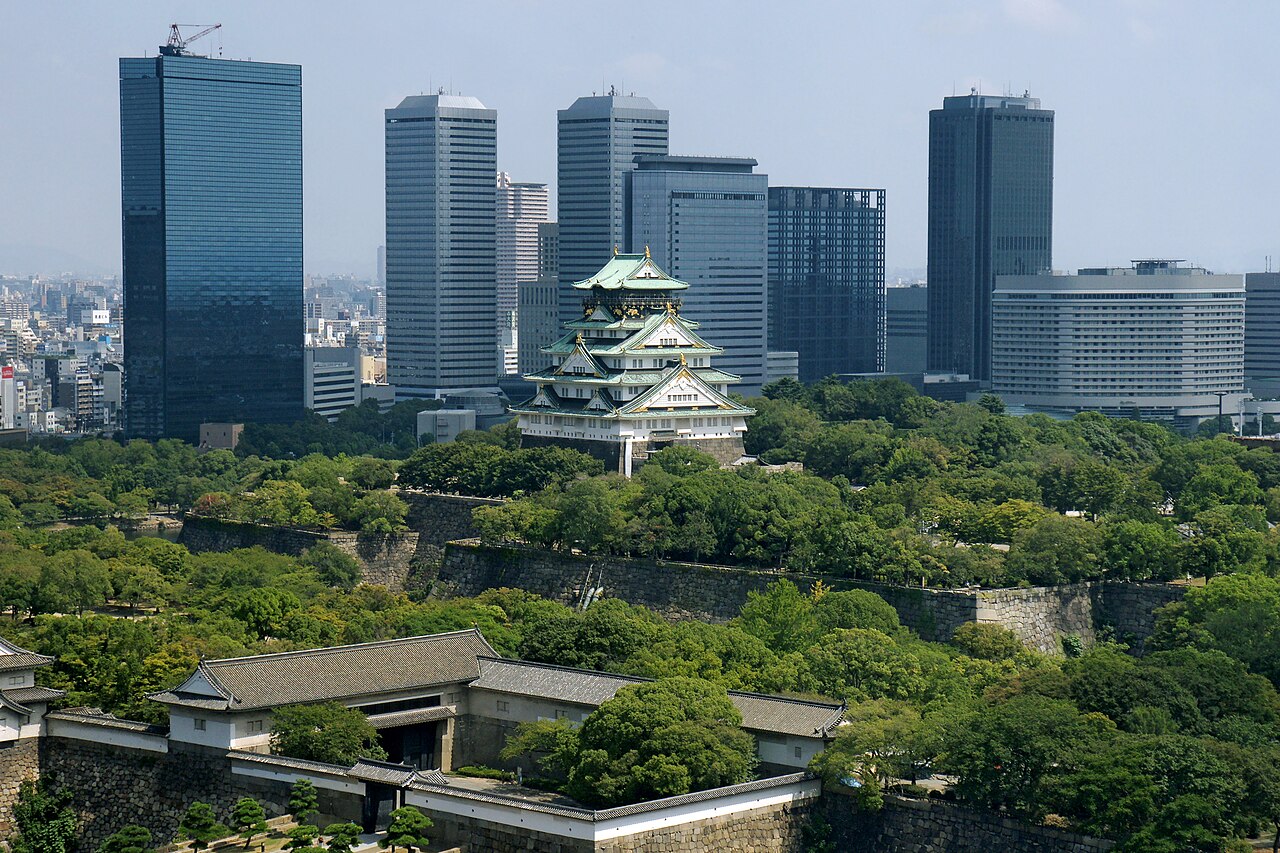
Top things to do in Osaka
13 places you should not miss in Osaka – each one is in the plan below with a time and the way there.
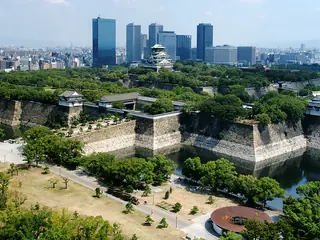 Osaka CastleThe main keep is a 1931 reconstruction with a museum inside. More impressive are the huge stone walls and moats in the park around it.Day 1
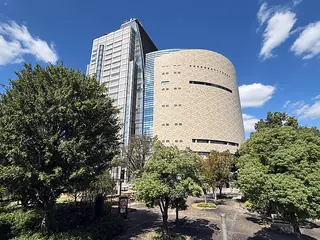 Osaka Museum of HistoryThe city's history from ancient times to the 20th century. From the upper floors you look straight down onto the castle park.Day 1
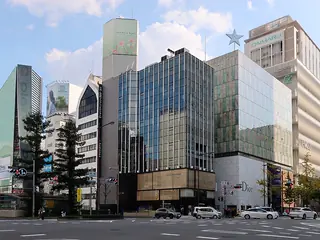 Shinsaibashi-sujiA long covered shopping street running north to south, good on rainy days too. It ends right at the Dōtonbori canal.Day 1
- Hōzen-ji and Hōzenji YokochōA small temple in the middle of the bustle. Its Fudō statue is covered in moss because visitors splash it with water. Next to it, a paved lane of small eateries.Day 1
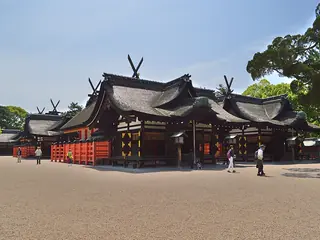 Sumiyoshi TaishaOne of Japan's oldest shrines, with a steeply arched red bridge at the entrance. The halls show a very old, plain building style.Day 2
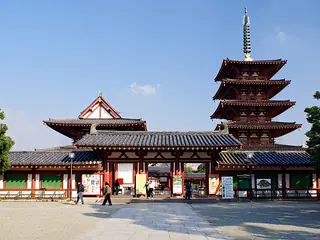 Shitennō-jiFounded in the 6th century, one of the oldest Buddhist temples in Japan. The five-storey pagoda stands in a courtyard ringed by a covered walkway.Day 2
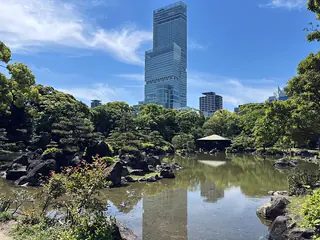 Tennōji ParkA park with the Keitakuen Japanese garden. The Abeno Harukas tower rises right opposite.Day 2
- TsūtenkakuThe tower in the middle of Shinsekai; the lucky Billiken figure sits on the observation deck.Day 2
- Umeda Sky BuildingTwo towers joined at the top by an open-air observation deck. Come for sunset, when the city lights come on below.Day 2
- Kōfuku-jiA large old temple right by the station. Its treasure house holds ancient Buddhist statues, including the three-faced Ashura.Day 3
- Nara ParkHundreds of deer roam the park freely. They bow for food but can also nip – don't carry snacks in the open.Day 3
- Tōdai-jiThe huge wooden hall with the great bronze Buddha, a UNESCO World Heritage Site. Children and slim adults crawl through the hole in one pillar.Day 3
- Kasuga TaishaA shrine in the forest, reached by a path lined with hundreds of mossy stone lanterns. Bronze lanterns hang in its corridors.Day 3
Day 1
The castle and Minami

Osaka Castle
The main keep is a 1931 reconstruction with a museum inside. More impressive are the huge stone walls and moats in the park around it.
On the map (OpenStreetMap): Osaka Castleabout 10 min on foot
Osaka Museum of History
The city's history from ancient times to the 20th century. From the upper floors you look straight down onto the castle park.
On the map (OpenStreetMap): Osaka Museum of HistorySubway to Nippombashi, about 15–20 min.
Kuromon Market
A covered market street with fish, seafood and fruit. Much of it is grilled at the stalls and eaten on the spot.
On the map (OpenStreetMap): Kuromon Marketabout 15 min on foot
Shinsaibashi-suji
A long covered shopping street running north to south, good on rainy days too. It ends right at the Dōtonbori canal.
On the map (OpenStreetMap): Shinsaibashi-sujiabout 10 min on foot
Hōzen-ji and Hōzenji Yokochō
A small temple in the middle of the bustle. Its Fudō statue is covered in moss because visitors splash it with water. Next to it, a paved lane of small eateries.
On the map (OpenStreetMap): Hōzen-ji and Hōzenji Yokochōright next door
Dōtonbori
The canal under the big neon signs, including the famous Glico sign. This is the place to try takoyaki and okonomiyaki from the stalls.
On the map (OpenStreetMap): Dōtonbori
Day 2
Sumiyoshi, Tennōji and Umeda
The Nankai Main Line runs from Namba to Sumiyoshitaisha, about 10–15 minutes.

Sumiyoshi Taisha
One of Japan's oldest shrines, with a steeply arched red bridge at the entrance. The halls show a very old, plain building style.
On the map (OpenStreetMap): Sumiyoshi TaishaHankai tram to Tennōji-ekimae, about 20 min, then a 10-minute walk.
Shitennō-ji
Founded in the 6th century, one of the oldest Buddhist temples in Japan. The five-storey pagoda stands in a courtyard ringed by a covered walkway.
On the map (OpenStreetMap): Shitennō-jiabout 10 min on foot
Tennōji Park
A park with the Keitakuen Japanese garden. The Abeno Harukas tower rises right opposite.
On the map (OpenStreetMap): Tennōji Parkabout 5 min on foot
Shinsekai
An early 20th-century district with bright signs and lots of kushikatsu places. Dip your skewer in the shared sauce only once.
On the map (OpenStreetMap): Shinsekairight next door
Tsūtenkaku
The tower in the middle of Shinsekai; the lucky Billiken figure sits on the observation deck.
On the map (OpenStreetMap): TsūtenkakuMidōsuji subway line from Dōbutsuen-mae to Umeda, about 15 min.
Umeda Sky Building
Two towers joined at the top by an open-air observation deck. Come for sunset, when the city lights come on below.
On the map (OpenStreetMap): Umeda Sky Building
Day 3
Day trip to Nara
Nara is outside Osaka. The Kintetsu Nara Line runs from Osaka-Namba to Kintetsu-Nara, about 40 minutes. All stops are walkable from there.

Kōfuku-ji
A large old temple right by the station. Its treasure house holds ancient Buddhist statues, including the three-faced Ashura.
On the map (OpenStreetMap): Kōfuku-jiabout 25 min on foot
Nara Park
Hundreds of deer roam the park freely. They bow for food but can also nip – don't carry snacks in the open.
On the map (OpenStreetMap): Nara Parkabout 15 min on foot
Tōdai-ji
The huge wooden hall with the great bronze Buddha, a UNESCO World Heritage Site. Children and slim adults crawl through the hole in one pillar.
On the map (OpenStreetMap): Tōdai-jiabout 20 min on foot
Kasuga Taisha
A shrine in the forest, reached by a path lined with hundreds of mossy stone lanterns. Bronze lanterns hang in its corridors.
On the map (OpenStreetMap): Kasuga Taishaabout 6.7 km as the crow flies – by bus, train or taxi
Naramachi
The old merchant quarter with narrow wooden houses, small eateries and cafés. A quiet spot for a late lunch before the train back.
On the map (OpenStreetMap): Naramachi
Good to know
Best time to go
The most pleasant times are late March to May, with cherry blossom, and October to November, with mild weather and autumn leaves. June and July are the rainy season, summer is hot and humid, and typhoons are possible in late summer. Winter is cool and mostly dry.
Getting around
The subway gets you everywhere; the Midōsuji Line links Umeda, Namba and Tennōji from north to south. On top of that there is the JR Loop Line and private railways such as Nankai and Kintetsu. A rechargeable IC card works on almost all trains and buses. Trains run from Kansai Airport to Namba and to Tennōji.
Where to stay
Namba and Minami
Dōtonbori, Kuromon Market and the train to Nara on your doorstep. Loud and lively in the evening.
Umeda and Kita
Around the big stations, handy for trips to Kyoto and for the shinkansen from Shin-Osaka. A bit more business-like.
Tennōji
Quieter, with the park and temples nearby. Good connections to Kansai Airport.
Ad Where to stay in Osaka? Compare prices: Osaka
Ad Flights to Osaka (for Kyoto): compare live prices →
More on Osaka in our blog: Kansai airport to Osaka: trains from 34 minutes · How many days in Osaka? Plans for 1–5 days
Your plan
Start with this plan.
Copy it into YesTrip, pick your dates and make it yours: move stops, drop them or let the AI add more. On the road the app shows you the next stop and how to get there.
Osaka: frequently asked questions
What are the must-see sights in Osaka?
The must-see sights in Osaka are Osaka Castle, Osaka Museum of History, Shinsaibashi-suji, Hōzen-ji and Hōzenji Yokochō, Sumiyoshi Taisha and Shitennō-ji. This plan links 13 of them into short walks over 3 days – with times, a map and tips.
Are 3 days enough for Osaka?
For the city and a trip to Nara, yes. Many people combine Osaka with Kyoto, which is only about half an hour away by train.
Osaka or Kyoto as a base?
Osaka has more choice of places to stay, more nightlife and good connections in every direction. Kyoto is quieter and closer to the temples. Both work for day trips.
What should I eat in Osaka?
Takoyaki and okonomiyaki in Dōtonbori, kushikatsu in Shinsekai and fresh fish at Kuromon Market. Osaka even has a word for it: kuidaore – eating yourself into ruin.
What should I sort out before the trip?
Check entry requirements with your government's travel advice before you go. Bring some cash – small stalls and temples don't always take cards.
Plan created with AI support – please check opening hours, prices and routes before you go. Coordinates checked with Wikipedia and OpenStreetMap (Photon). Photo: 663highland, CC BY 2.5, via Wikimedia Commons. More in Sources & licences. YesTrip is a trip planner, not a travel agency – nothing is booked.
More trip plans
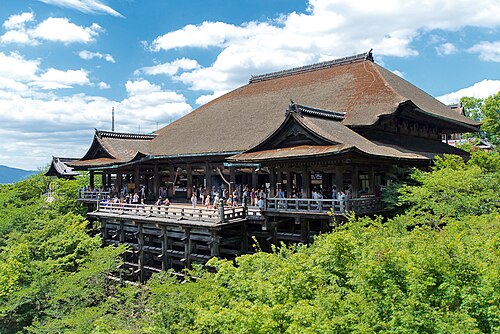 Japan · 3 days
Kyoto
Photo: Jordy Meow, CC BY-SA 3.0, via Wikimedia Commons
 Japan · 3 days
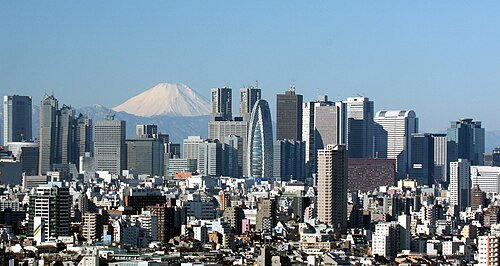
Tokyo
Photo: Morio, CC BY-SA 3.0, via Wikimedia Commons
 South Korea · 3 days
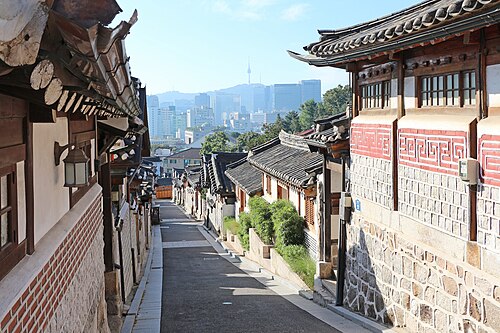
Seoul
Photo: Bgag, CC0, via Wikimedia Commons


