
How many days in Valletta? Plans for 1–4 days
In short
One or two days are enough for Valletta itself: St John's Co-Cathedral, the Grandmaster's Palace, Fort St Elmo and the Barrakka Gardens above the Grand Harbour. Three days are ideal, adding the Three Cities across the harbour and the old capital Mdina. With 4 to 5 days, add Gozo, the Blue Grotto or the temples of Ħaġar Qim. The most pleasant months are April to June and September to October.
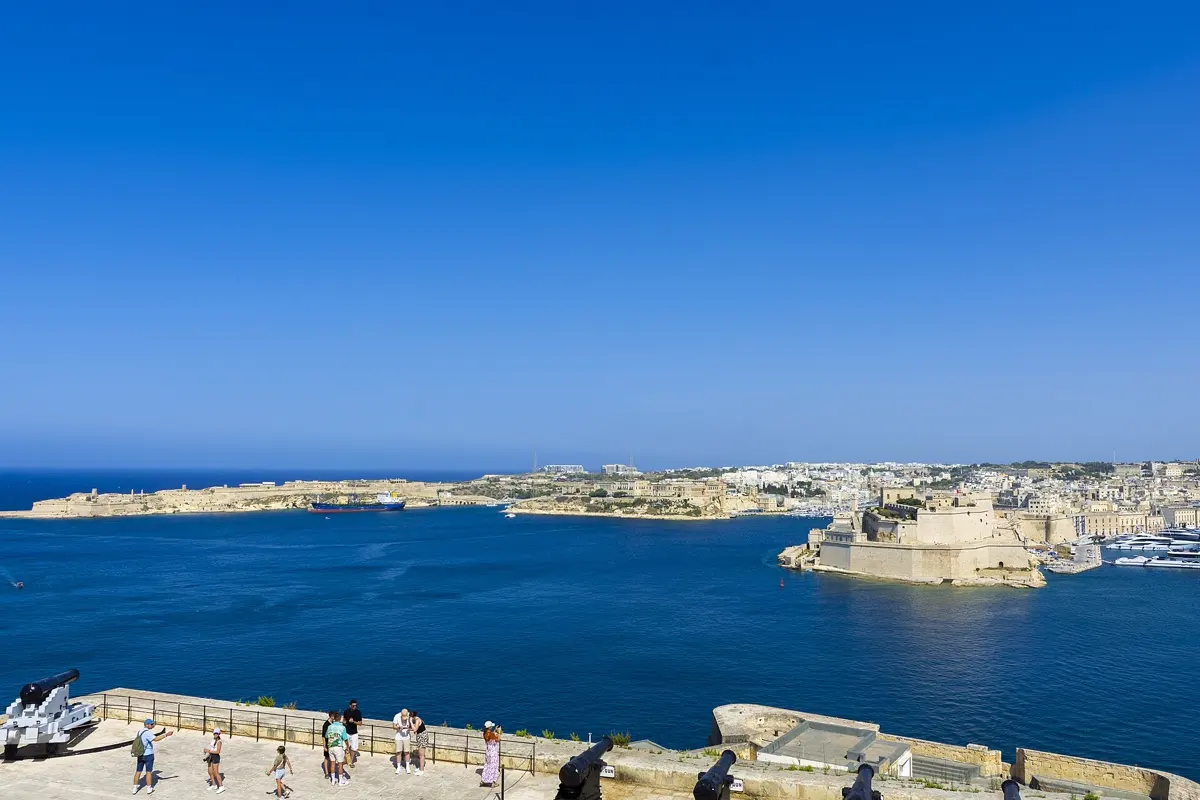
Valletta is one of the smallest capitals in Europe: a walled grid of honey-coloured streets on a peninsula, built by the Knights of St John after the Great Siege of 1565 and listed in full as a UNESCO World Heritage Site. You can cross it on foot in a quarter of an hour, so the question is less about Valletta than about Malta around it. The short answer: 1–2 days for Valletta itself, 3 days are ideal with the Three Cities and Mdina, and from 4 days Gozo and the south of the island fit in.
How many days in Valletta? The overview
| Days | What you see | Best for |
|---|---|---|
| 1 day | City Gate, St John's Co-Cathedral, the Grandmaster's Palace, Fort St Elmo, the Upper Barrakka Gardens | a cruise stop or stopover |
| 2 days | plus the Three Cities across the Grand Harbour: Birgu, Fort St Angelo, the Inquisitor's Palace, Senglea | a weekend, first visit |
| 3 days | plus Mdina and Rabat with the catacombs | the ideal length |
| 4–5 days | plus Gozo, the Blue Grotto, the temples of Ħaġar Qim or Marsaxlokk | a week in Malta, a mix of sights and sea |
| 6+ days | plus beaches in the north, Comino and diving | anyone who wants a beach holiday too |
Two things are worth knowing. St John's Co-Cathedral has a dress code – shoulders and knees covered – and is busiest when cruise ships are in port, so go early. And Valletta's streets are steep and often stepped: comfortable shoes matter more here than in most cities.
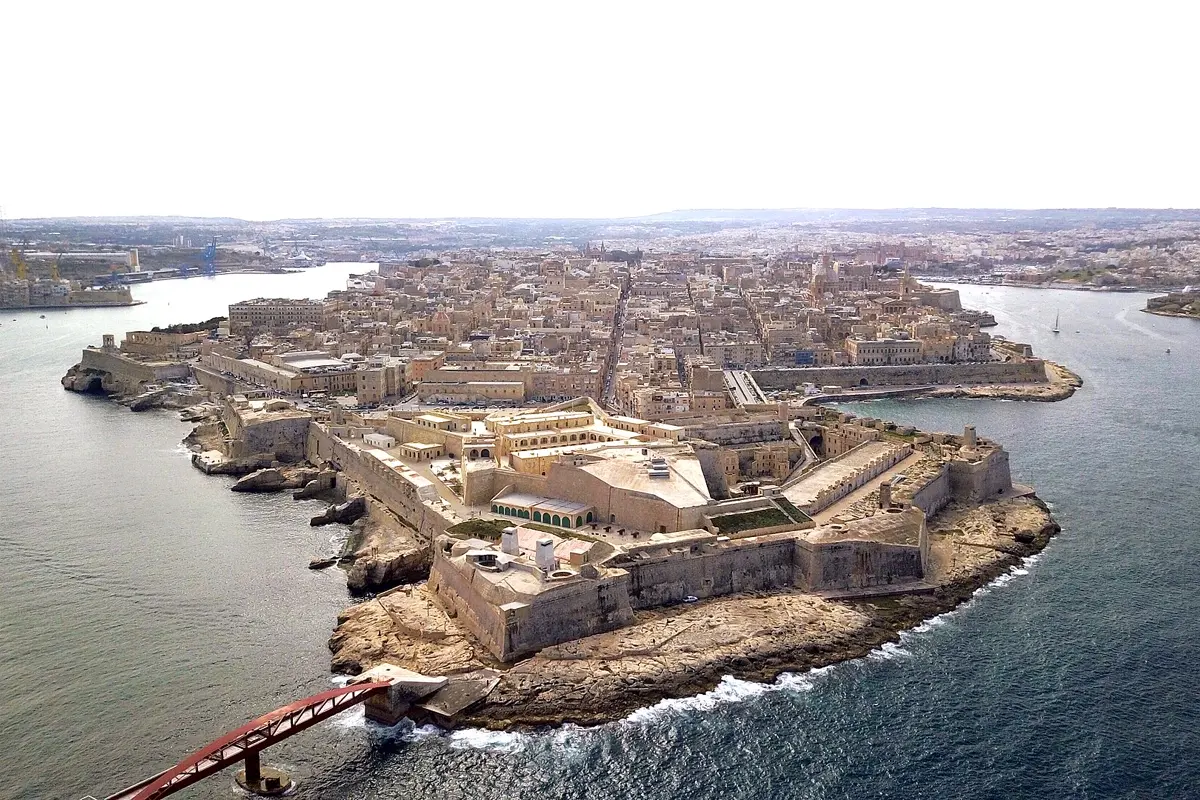
One day in Valletta: the city of the Knights
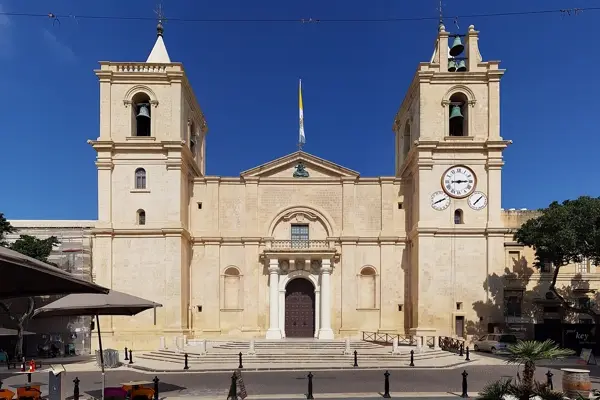
One day is enough for the city itself. Enter through City Gate, redesigned together with the new Parliament by Renzo Piano, and walk down Republic Street to St John's Co-Cathedral: plain outside, gilded Baroque inside, with the knights' marble tombstones in the floor and Caravaggio's Beheading of Saint John the Baptist in the oratory. Continue to the Grandmaster's Palace with its state rooms and armoury.
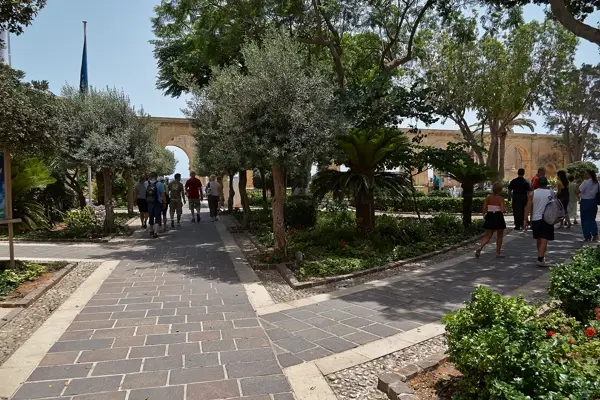
After lunch at the Is-Suq tal-Belt food market, walk to Fort St Elmo at the tip of the peninsula, scene of the Great Siege and home to the National War Museum. End the day at the Upper Barrakka Gardens, an arcaded terrace above the Grand Harbour with the Saluting Battery below and the best view of the Three Cities.
Two days in Valletta: the Three Cities
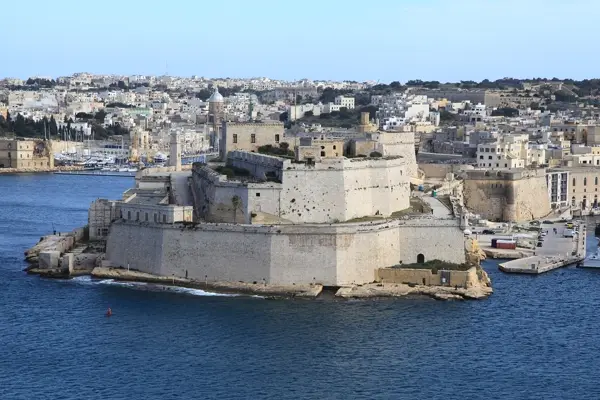
The second day crosses the water. Take the Barrakka Lift down to the harbour and a ferry or a traditional dgħajsa boat to Birgu. Fort St Angelo at its tip was the knights' headquarters during the siege; the Inquisitor's Palace, with its courtroom and cells, stands in the narrow lanes behind. Have lunch on the Birgu waterfront and walk on to Senglea, where the small Gardjola Gardens have a watchtower carved with an eye and an ear.
Back in Valletta, the Lower Barrakka Gardens are a quiet place for the evening, with the Siege Bell beside them. Tickets for the museums and harbour cruises in Malta* are also on Tiqets. With two days you have seen both sides of the Grand Harbour.
Three days in Valletta: the ideal length
Three days add Malta's old inland capital. Our ready-made plan divides them like this:
- Day 1 – the old town on the peninsula: City Gate and Parliament, St John's Co-Cathedral, the Grandmaster's Palace, Is-Suq tal-Belt, Fort St Elmo, the Upper Barrakka Gardens.
- Day 2 – the Three Cities on the Grand Harbour: the Barrakka Lift, Fort St Angelo, the Inquisitor's Palace, the Birgu waterfront, the Gardjola Gardens in Senglea, the Lower Barrakka Gardens.
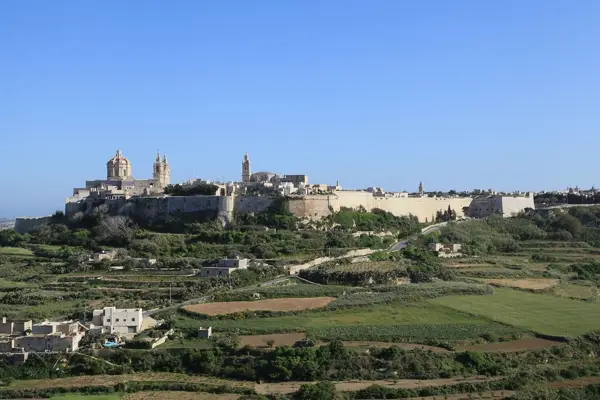
- Day 3 – Mdina and Rabat: Mdina, the walled "silent city" on its hill, St Paul's Cathedral, pastizzi in Rabat, St Paul's Catacombs and the mosaic floors of the Domvs Romana.
Mdina is about 12 kilometres from Valletta; buses leave from the terminus outside City Gate, and Mdina and Rabat sit right next to each other.
Four days or more: Gozo and the south of Malta
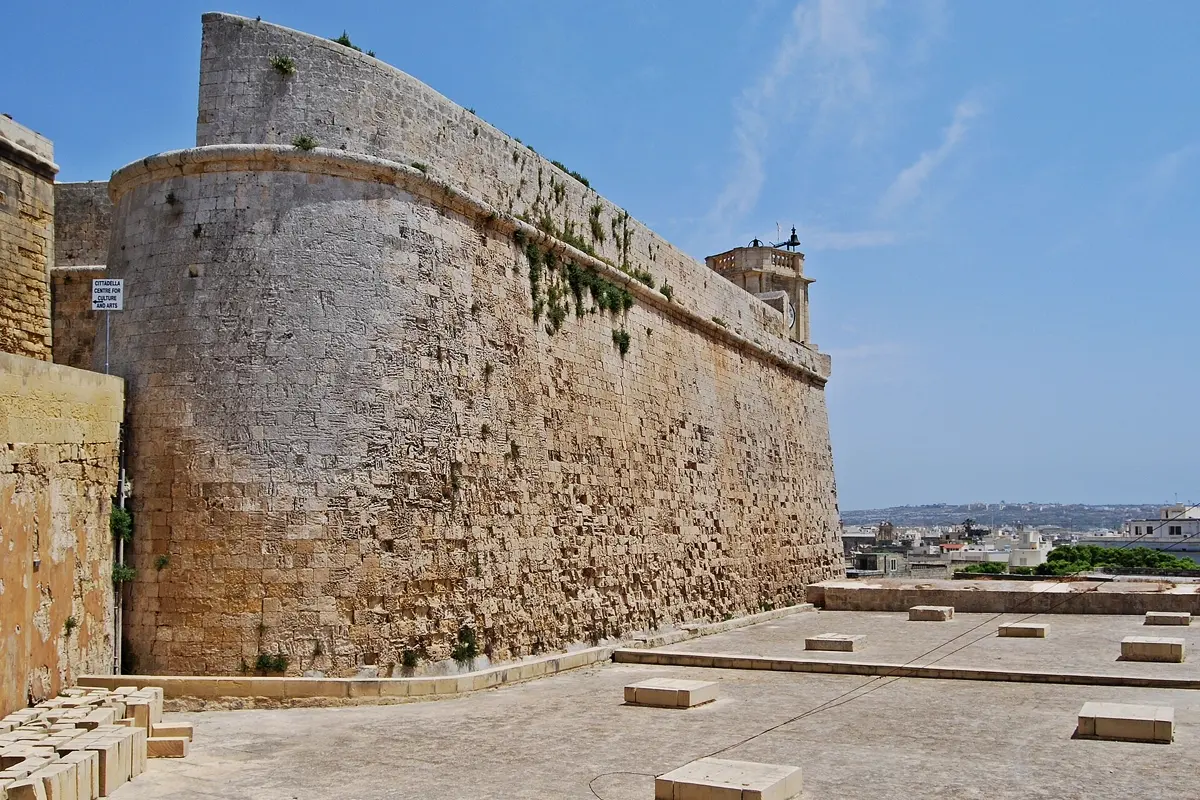
From the fourth day, Valletta becomes a base for the rest of the archipelago. Gozo, the greener sister island, is a full day: ferries leave from Ċirkewwa in the north of Malta, and a fast ferry also runs from Valletta. In Victoria, the walled Citadella looks out over the whole island. In the south of Malta, boats leave from Wied iż-Żurrieq for the Blue Grotto, the prehistoric temples of Ħaġar Qim and Mnajdra are nearby, and Marsaxlokk has colourful fishing boats and a Sunday fish market. Comino's Blue Lagoon is beautiful but very crowded in summer.
Where to stay in Valletta
For a short stay, two areas work best:
- Valletta: right in the old town, quiet in the evening once the day visitors leave, with many small hotels in old townhouses.
- Sliema: across Marsamxett Harbour, with a promenade and plenty of places to stay, a few minutes from Valletta by ferry.
Buses link the whole island from the terminus outside City Gate, and buses also run from the airport to Valletta; for a late arrival with luggage, an airport transfer in Malta* can be booked with Kiwitaxi. English is an official language, and the plugs are the same as in the UK. Visitors from outside the EU usually pay less with a travel eSIM for Malta* (Airalo) than with roaming; our eSIM price index compares the prices per gigabyte.
Best time to visit Valletta
| Month | Day (avg. high) | Night (avg. low) | Rain per month |
|---|---|---|---|
| Jan | 15.3 °C | 11.5 °C | 36 mm |
| Feb | 15.6 °C | 11.4 °C | 46 mm |
| Mar | 16.6 °C | 12.4 °C | 33 mm |
| Apr | 18.6 °C | 14.2 °C | 14 mm |
| May | 22.0 °C | 17.1 °C | 14 mm |
| Jun | 26.9 °C | 21.3 °C | 3 mm |
| Jul | 30.2 °C | 24.2 °C | 1 mm |
| Aug | 30.3 °C | 25.2 °C | 5 mm |
| Sep | 27.6 °C | 23.3 °C | 32 mm |
| Oct | 24.3 °C | 20.2 °C | 54 mm |
| Nov | 20.7 °C | 16.9 °C | 75 mm |
| Dec | 17.2 °C | 13.6 °C | 37 mm |
Averages 2015–2024 from the ERA5 reanalysis (via Open-Meteo), rounded.
Valletta is most pleasant from April to June and in September and October, with 19 to 27 °C by day: warm enough for the harbour terraces, cool enough for the steep streets. In autumn the sea is still warm for swimming. July and August are hot and almost rainless, at around 30 °C, and the island is at its busiest. Winters are mild, with 15 to 17 °C by day, but some days are windy and wet, and ferries to Gozo can be affected by rough seas.
Valletta compared: how many days for other cities?
If you are choosing between cities, this is how many days we recommend in this series for a first visit.
Base map: Natural Earth
More in our articles how many days in Naples and how many days in Rome, and all cities of the series in the overview how many days in each city.
How YesTrip helps you plan
YesTrip has a ready-made three-day plan for Valletta with times, short walks and a map for each day, including the ferry to the Three Cities and the bus to Mdina. With one tap you copy it into the app, then move stops, drop what does not interest you and add your hotel, a day on Gozo or a boat to the Blue Grotto. The app shows the weather for your travel days, the packing list suggests sun cream and a hat in summer, and with the offline package you have the map without a connection. YesTrip is free.
 Valletta trip planDay by day, with map and tips
* Ad – Partner link: if you book there, we earn a commission. Your price stays the same.
Free
Plan your trip in 30 seconds.
Tell YesTrip where and when – the app plans day by day with real places on the map, shows the weather, splits costs with your travel companions and guides you to the next stop on the go.
Frequently asked questions
How many days do you need in Valletta?
One to two days are enough for Valletta itself and the Three Cities across the harbour. Three days are ideal and add Mdina and Rabat. For Gozo and the south of Malta, plan four to five days.
Is 2 days enough for Valletta?
Yes. In two days you can see St John's Co-Cathedral, the Grandmaster's Palace, Fort St Elmo, the Barrakka Gardens and the Three Cities. Mdina, Gozo and the beaches need more time.
How do I get to the Three Cities from Valletta?
Most pleasantly by ferry or dgħajsa boat from the harbour below the Upper Barrakka Gardens. The Barrakka Lift takes you down to the water.
Is Valletta a good base for exploring Malta?
Yes. Buses to almost every part of the island leave from the terminus outside City Gate, and ferries link Valletta with Sliema, the Three Cities and Gozo.
What is the best time to visit Valletta?
April to June and September to October, with 19 to 27 °C by day. July and August are hot and busy; winter is mild but can be windy and wet.
Sources
- Climate data: Open-Meteo Historical Weather API, daily values 2015–2024 – open-meteo.com
- Copernicus ERA5 reanalysis (Hersbach et al. 2020) – cds.climate.copernicus.eu
- Visit Malta, official tourism website: Valletta – www.visitmalta.com
- UNESCO World Heritage: City of Valletta – whc.unesco.org
- Heritage Malta: museums and sites – www.heritagemalta.mt
- Malta Public Transport – www.publictransport.com.mt
Researched with AI support and checked by our editors. Prices, opening hours and weather can change – please check before you go. YesTrip is not a travel agency. Published: .
More articles
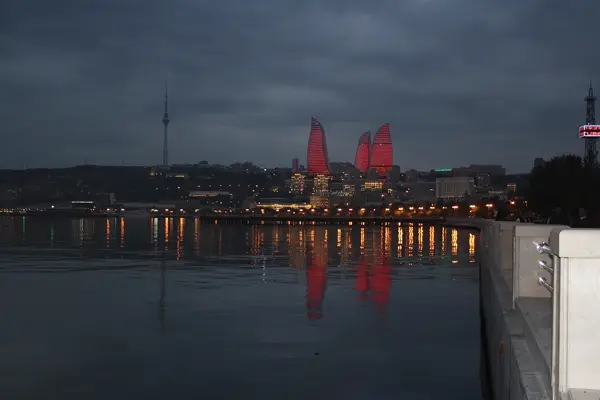 How many days?
How many days in Baku? 3 with Gobustan
Two days are enough for Baku's old town, the Boulevard and the Heydar Aliyev Center. The third belongs to Gobustan, 64 km away, with more … · 6 min read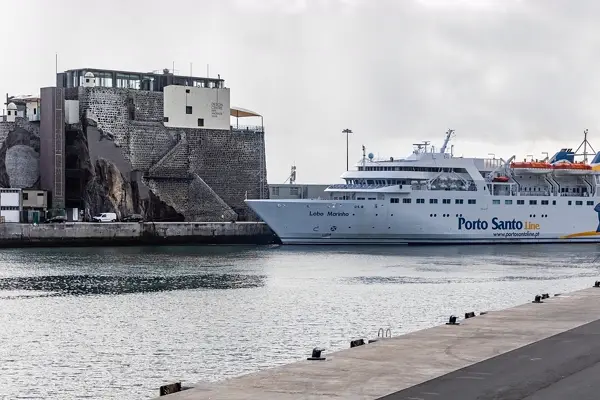 How many days?
How many days in Funchal? 3, or 5+ for Madeira
Two days are enough for Funchal: the old town, the market, the cable car and the gardens at Monte. Day three goes to the mountains, with … · 6 min read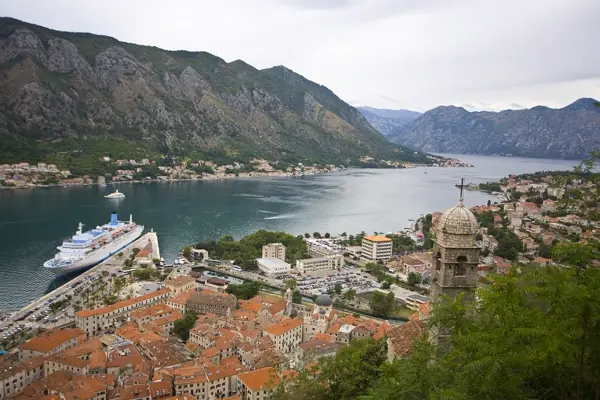 How many days?
How many days in Kotor? 2 with Perast
Two days are enough for Kotor: the old town and about 1,300 steps to the fortress on the first, Perast and the island of Our Lady of the … · 6 min read


