
How many days in Kraków? Plans for 1–4 days
In short
Two days in Kraków cover the classics – the Main Square with St. Mary's Basilica and the Cloth Hall, the Jewish quarter of Kazimierz and Wawel Hill. Three days are ideal, adding Podgórze with Schindler's Factory and the Wieliczka Salt Mine. If you want to visit the Auschwitz-Birkenau Memorial, plan a fourth day. The most pleasant months are May to September (19 to 26 °C by day).
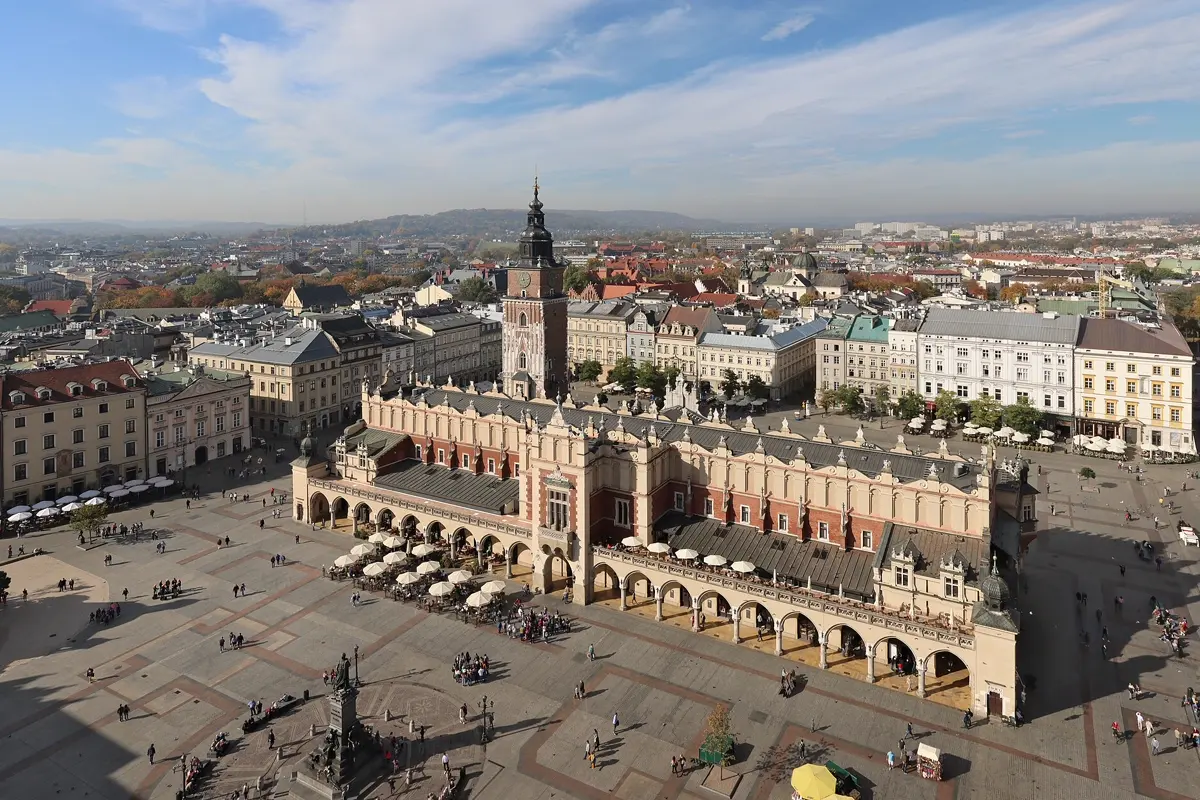
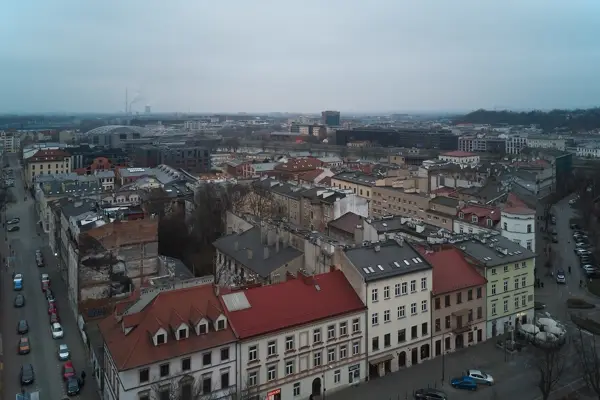
For centuries Kraków was Poland's royal city, and it came through the Second World War largely undamaged. The Old Town lies compactly inside the Planty, a green belt where the old city walls once stood. To the south Wawel Hill rises above the Vistula, and next to it lies Kazimierz, the old Jewish quarter. Everything is walkable. The short answer: 2 days for the Old Town, Kazimierz and Wawel, 3 days are ideal with the Wieliczka Salt Mine, and from 4 days there is time for the Auschwitz-Birkenau Memorial.
How many days in Kraków? The overview
| Days | What you see | Best for |
|---|---|---|
| 1 day | St. Florian's Gate, the Main Square with St. Mary's Basilica and the Cloth Hall, Collegium Maius, Wawel from outside, Kazimierz in the evening | a stopover |
| 2 days | the Old Town with Rynek Underground, Kazimierz with the Old Synagogue and the Remuh Synagogue, Wawel Cathedral and Castle | a long weekend |
| 3 days | plus Podgórze with Schindler's Factory and the Wieliczka Salt Mine | the ideal length |
| 4 days | plus a day for the Auschwitz-Birkenau Memorial | anyone who wants to understand the history |
| 5+ days | plus Nowa Huta, the Kościuszko Mound or a long day in the Tatra Mountains | anyone who wants Kraków and its surroundings in depth |
A few things matter for planning: for Rynek Underground, Schindler's Factory and the Wieliczka Salt Mine, it is best to book a time slot in advance. A visit to the Auschwitz-Birkenau Memorial is usually only possible with a guide or a timed entry card, which you reserve early on the memorial's official website. Many museums in Kraków close one day a week, often on Mondays.
One day in Kraków: Old Town, Wawel and Kazimierz
In one day you walk the old Royal Route from the north down to Wawel. Start at St. Florian's Gate with the round Barbican in front of it, then walk down Floriańska Street to the Rynek Główny, one of the largest medieval market squares in Europe. Here stands the Gothic St. Mary's Basilica with the wooden altarpiece by Veit Stoss; every hour on the hour a trumpeter plays the Hejnał from the tower. In the middle of the square is the Cloth Hall, the Renaissance market hall.
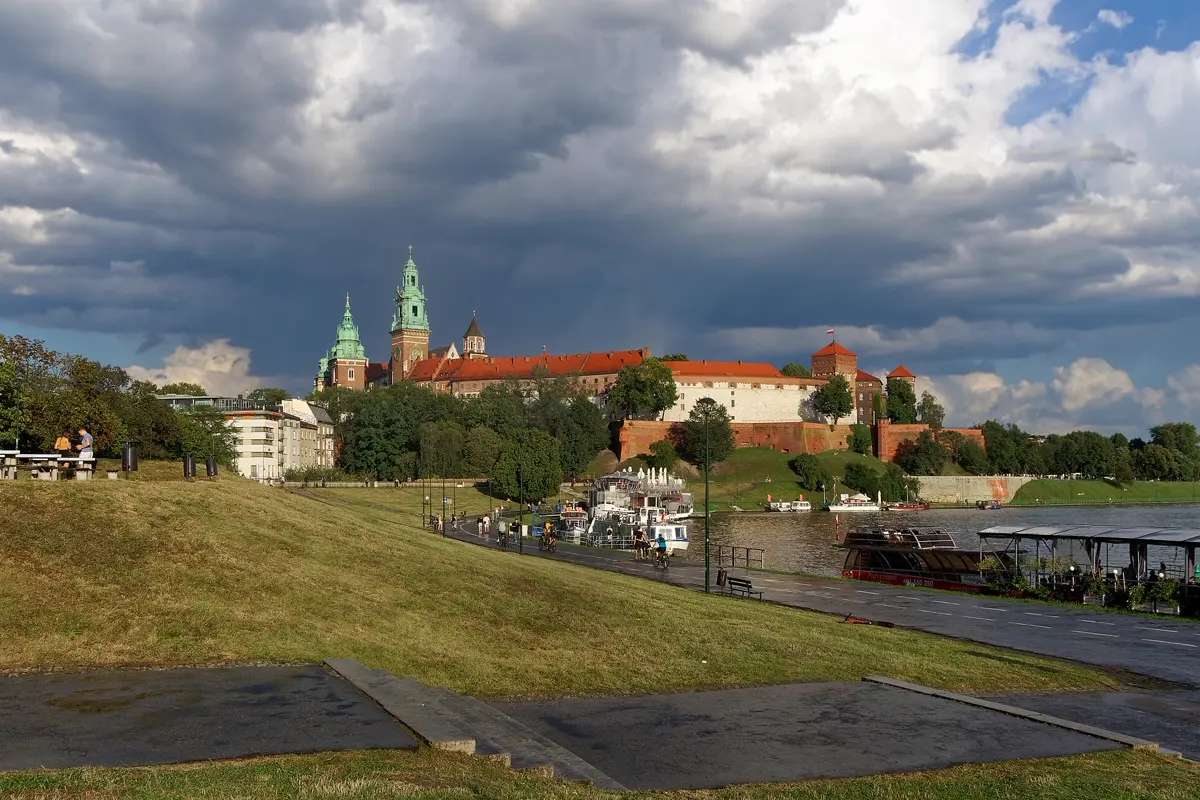
Continue to Collegium Maius, the oldest building of the Jagiellonian University, where Copernicus studied, and along Grodzka Street to Wawel. There is little time left for the cathedral and castle interiors on this day, but the hill and the view of the Vistula are worth it on their own. In the evening eat in Kazimierz, around Plac Nowy.
Two days in Kraków: Old Town and Wawel, then Kazimierz
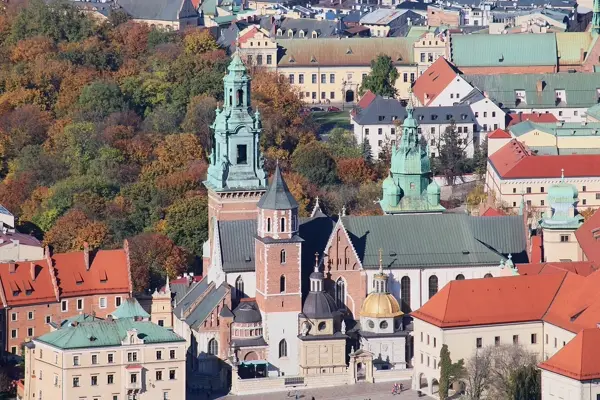
With two days you take the Old Town at an easy pace. On the first day St. Florian's Gate, St. Mary's Basilica and the Cloth Hall, plus Rynek Underground, the museum beneath the Main Square with excavations of the medieval town. In the afternoon Wawel: Wawel Cathedral, coronation and burial church of the Polish kings, with the great Sigismund Bell in its tower, and Wawel Castle with its Renaissance arcaded courtyard. The castle exhibitions have separate tickets, often with time slots. You can find tickets for Rynek Underground and Wawel* at Tiqets, for example.
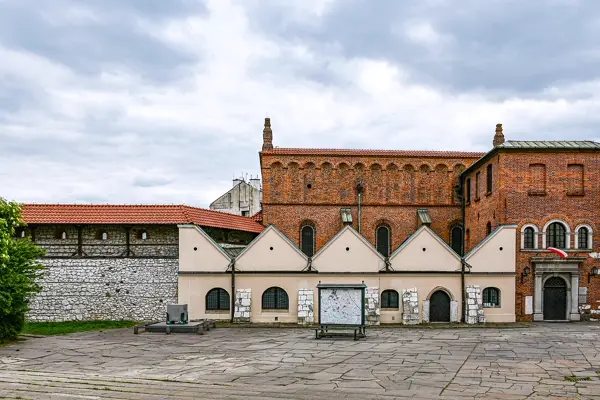
The second day belongs to Kazimierz: the Old Synagogue, the oldest surviving synagogue in Poland and today a museum of the history of Kraków's Jews, and the small Remuh Synagogue, still in use, with the old Jewish cemetery behind it – closed on the Sabbath. For lunch, Plac Nowy serves zapiekanki, toasted open baguettes, from the windows of its round market hall.
Three days in Kraków: the ideal length
Three days are right for a first visit because they leave room for Podgórze and the salt mine. Our ready-made plan:
- Day 1 – Old Town and Main Square: St. Florian's Gate and the Barbican, St. Mary's Basilica, the Cloth Hall, Rynek Underground, Collegium Maius.
- Day 2 – Kazimierz and Podgórze: the Old Synagogue, the Remuh Synagogue, lunch on Plac Nowy, across the Father Bernatek Footbridge to Podgórze, Ghetto Heroes Square with its empty chairs, and Schindler's Factory, the museum about Kraków under German occupation from 1939 to 1945.
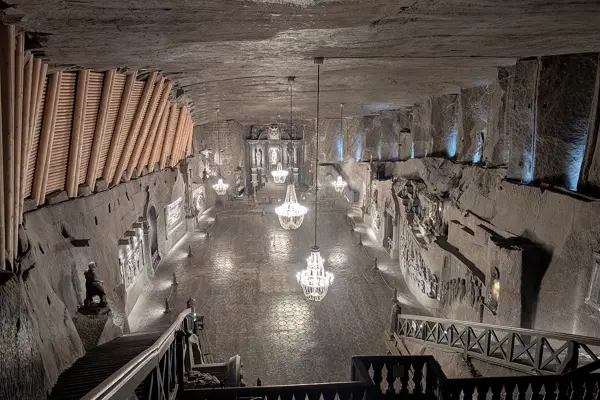
- Day 3 – Wieliczka Salt Mine and Wawel: in the morning the Wieliczka Salt Mine with chapels and figures carved from salt deep underground, in the afternoon Wawel Cathedral, Wawel Castle and finally the Wawel Dragon on the riverbank, which breathes fire at regular intervals.
Wieliczka, south-east of the city, is about half an hour away by train or bus. Underground there are many stairs and it is cool – bring a jacket, even in summer. If you prefer to be picked up, book a tour, for example one of the tours from Kraków* on Klook.
Four days or more: Auschwitz-Birkenau, Nowa Huta and the Tatras
With a fourth day you can visit the Auschwitz-Birkenau Memorial and Museum. The former German Nazi concentration and extermination camp lies near Oświęcim, about 70 km west of Kraków, and can be reached by bus or train. More than a million people were murdered here, most of them Jews. A visit is usually only possible with a guide or a timed entry card; reserve it early on the memorial's official website. Plan a day of its own for it and leave nothing rushed for afterwards.
If you then want to learn more about Jewish life in Kraków before the war, Kazimierz has museums and synagogues that tell it; Schindler's Factory in Podgórze tells the story of the city under occupation.
With five days or more, Nowa Huta is worth a visit – a socialist district planned in the 1950s in the east of the city, with broad avenues and monumental buildings, reachable by tram. From the Kościuszko Mound in the west you look out over the whole city. Further away lies Zakopane at the foot of the Tatra Mountains, the high range on the border with Slovakia – for that you need a full, long day.
Where to stay in Kraków
Two areas suit a short stay:
- Old Town (Stare Miasto): inside the Planty, close to the Main Square. Everything within walking distance, but lively in the evening.
- Kazimierz: the old Jewish quarter with cafés, bars and restaurants. About 15 minutes' walk to the Main Square.
The Old Town, Kazimierz and Wawel are close together and easy to cover on foot. For longer distances there are trams; tickets are sold at machines or via an app. A train runs from the airport to Kraków Główny main station in about 20 minutes; you can book a transfer from Kraków Airport to your accommodation* at Kiwitaxi, for example. The currency is the złoty; cards work almost everywhere, and a little cash is handy for small stalls.
Best time to visit Kraków
| Month | Day (avg. high) | Night (avg. low) | Rain per month |
|---|---|---|---|
| Jan | 2.5 °C | −3.4 °C | 49 mm |
| Feb | 5.9 °C | −1.6 °C | 55 mm |
| Mar | 9.7 °C | −0.2 °C | 43 mm |
| Apr | 14.2 °C | 3.7 °C | 59 mm |
| May | 18.9 °C | 8.5 °C | 81 mm |
| Jun | 23.9 °C | 13.6 °C | 63 mm |
| Jul | 25.2 °C | 15.1 °C | 92 mm |
| Aug | 25.5 °C | 15.3 °C | 90 mm |
| Sep | 20.4 °C | 11.0 °C | 90 mm |
| Oct | 14.8 °C | 6.1 °C | 65 mm |
| Nov | 8.3 °C | 1.7 °C | 48 mm |
| Dec | 4.3 °C | −1.2 °C | 48 mm |
Averages 2015–2024 from the ERA5 reanalysis (via Open-Meteo), rounded. The values describe a grid cell of about 25 km; the city centre can be slightly warmer.
Kraków is most pleasant from May to September: 19 to 26 °C by day, with long evenings on the Main Square and in Kazimierz. Summer is also the wettest time, though – July to September bring around 90 mm a month on average, so plan an indoor stop for each day, the salt mine for example. April and October are cooler at 14 to 15 °C, but quieter. Winter is cold, with night temperatures below zero from December to March; in return, a Christmas market fills the Main Square during Advent. YesTrip shows you the weather for your actual travel days.
Kraków compared: how many days for other cities?
If you are torn between several cities: this is how many days we recommend in this series for a first visit.
Base map: Natural Earth
Kraków combines well with Prague, Vienna or Budapest for a trip through Central Europe. More in our articles on Prague, Vienna and Budapest, and in our guide to the best Eastern European city breaks.
How YesTrip helps you plan
YesTrip has a ready-made three-day plan for Kraków: the Old Town and Main Square on day one, Kazimierz and Podgórze on day two, the Wieliczka Salt Mine and Wawel on day three. The stops have times and are laid out in walking order on a map. With one tap you copy it into the app and adjust it – for example if you want to add a day for Auschwitz-Birkenau or your Wieliczka time slot falls on another day. The app shows the weather for your travel days, the packing list suggests matching clothes – including the jacket for the salt mine – and with the offline package you have the map without a connection. YesTrip is free.
 Kraków trip planDay by day, with map and tips
How to give Wieliczka and the Auschwitz-Birkenau Memorial separate days and what to book ahead is covered in our day trips from Krakow.
* Ad – Partner link: if you book there, we earn a commission. Your price stays the same.
Free
Plan your trip in 30 seconds.
Tell YesTrip where and when – the app plans day by day with real places on the map, shows the weather, splits costs with your travel companions and guides you to the next stop on the go.
Frequently asked questions
How many days do you need in Kraków?
Two days are enough for the Old Town, Kazimierz and Wawel. Three days are ideal, adding Podgórze with Schindler's Factory and the Wieliczka Salt Mine. If you want to visit the Auschwitz-Birkenau Memorial, plan a fourth day for it.
Is a weekend enough for Kraków?
Yes, for the Main Square, St. Mary's Basilica, Wawel and Kazimierz. Wieliczka and Auschwitz-Birkenau each need at least half a day to a full day and only fit into a weekend if you skip parts of the city.
How do I visit the Auschwitz-Birkenau Memorial?
It lies near Oświęcim, about 70 km west of Kraków, and can be reached by bus or train. A visit is usually only possible with a guide or a timed entry card, which you reserve early on the memorial's official website. Plan a day of its own for it.
Is the Wieliczka Salt Mine worth it?
Yes. The mine is a UNESCO World Heritage Site, with chapels, figures and chandeliers made of salt deep underground. It is about half an hour from Kraków; below ground there are many stairs and it is cool.
When is the best time to visit Kraków?
From May to September, with 19 to 26 °C by day. July to September are also the wettest months, with around 90 mm each. Winter is cold, but there is a Christmas market on the Main Square during Advent.
Sources
- Climate data: Open-Meteo Historical Weather API, daily values 2015–2024 – open-meteo.com
- Copernicus ERA5 reanalysis (Hersbach et al. 2020) – cds.climate.copernicus.eu
- UNESCO World Heritage: Historic Centre of Kraków – whc.unesco.org
- UNESCO World Heritage: Wieliczka and Bochnia Royal Salt Mines – whc.unesco.org
- UNESCO World Heritage: Auschwitz Birkenau – whc.unesco.org
- Auschwitz-Birkenau Memorial and Museum, official website – www.auschwitz.org
Researched with AI support and checked by our editors. Prices, opening hours and weather can change – please check before you go. YesTrip is not a travel agency. Published: .
More articles
 How many days?
How many days in Baku? 3 with Gobustan
Two days are enough for Baku's old town, the Boulevard and the Heydar Aliyev Center. The third belongs to Gobustan, 64 km away, with more … · 6 min read How many days?
How many days in Funchal? 3, or 5+ for Madeira
Two days are enough for Funchal: the old town, the market, the cable car and the gardens at Monte. Day three goes to the mountains, with … · 6 min read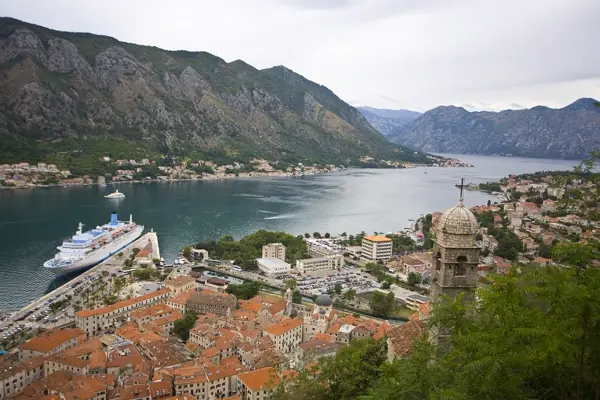 How many days?
How many days in Kotor? 2 with Perast
Two days are enough for Kotor: the old town and about 1,300 steps to the fortress on the first, Perast and the island of Our Lady of the … · 6 min read


