
How many days in Belgrade? Plans for 1–4 days
In short
Two days in Belgrade cover the fortress in Kalemegdan Park, Knez Mihailova Street, Skadarlija, the Temple of St Sava, the Nikola Tesla Museum and the Museum of Yugoslavia. Three days are ideal, adding Zemun with the Gardoš Tower, Ušće Park and the lake at Ada Ciganlija. With 4 days, add Novi Sad or Smederevo Fortress. The most pleasant months are April to June and September to October.
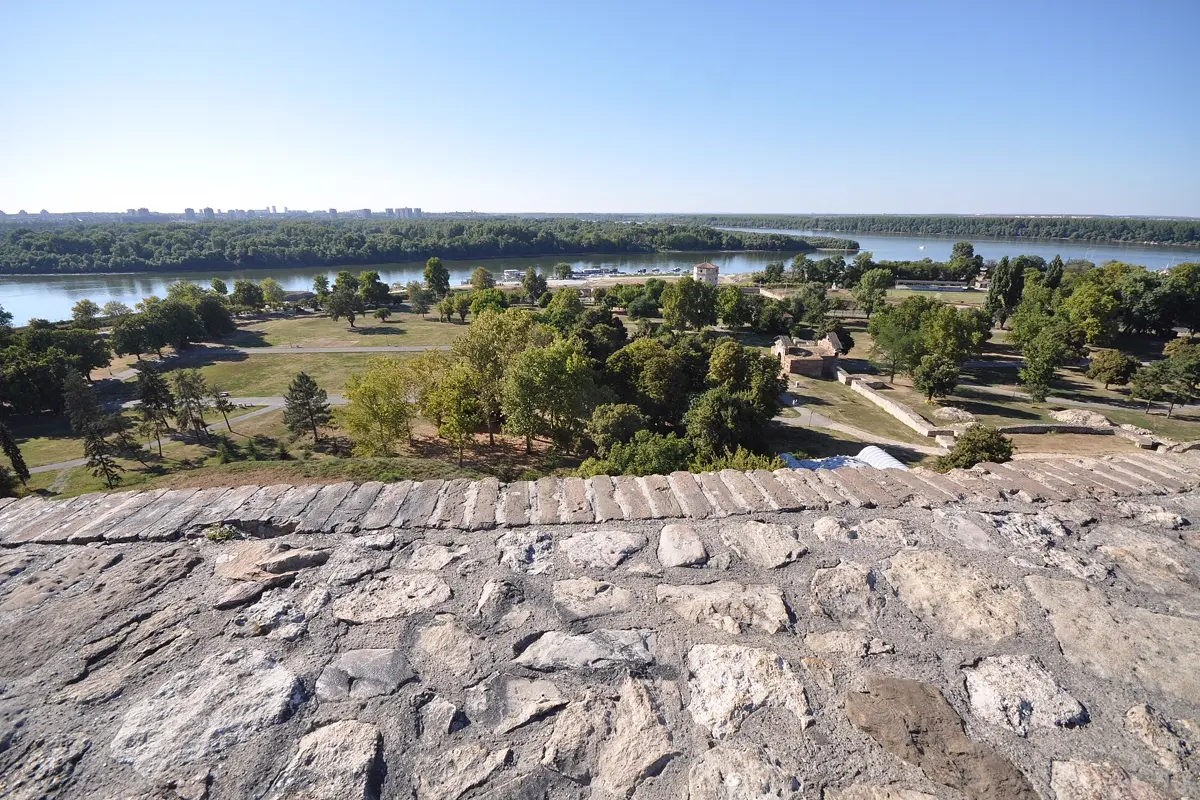
Belgrade sits on a ridge where the Sava flows into the Danube, with its fortress on the point and the old town right behind it. It is a big, lively city, but the parts most visitors come for – the fortress, the pedestrian street, the bohemian quarter and the river banks – are close together. The short answer: 2 days for the essentials, 3 days are ideal, and from 4 days a trip to Novi Sad or Smederevo fits in.
How many days in Belgrade? The overview
| Days | What you see | Best for |
|---|---|---|
| 1 day | Belgrade Fortress, the Victor statue, St Michael's Cathedral, Knez Mihailova, Skadarlija | a stopover |
| 2 days | plus the Temple of St Sava, the Nikola Tesla Museum, Kalenić Market, the Museum of Yugoslavia | a weekend, first visit |
| 3 days | plus Zemun and the Gardoš Tower, Ušće Park, the Museum of Contemporary Art, Ada Ciganlija | the ideal length |
| 4 days | plus a day trip to Novi Sad or Smederevo Fortress | return visitors, a long weekend |
| 5+ days | plus more of Serbia or the onward trip to Budapest | anyone travelling through the Balkans |
Two things are worth knowing in advance. Serbia uses the dinar, not the euro, and it is not in the EU, so EU mobile tariffs usually do not include free roaming here. And Belgrade is a city of the evening: the kafanas in Skadarlija and, in summer, the river rafts along the banks are part of the visit.
One day in Belgrade: the fortress and the old town
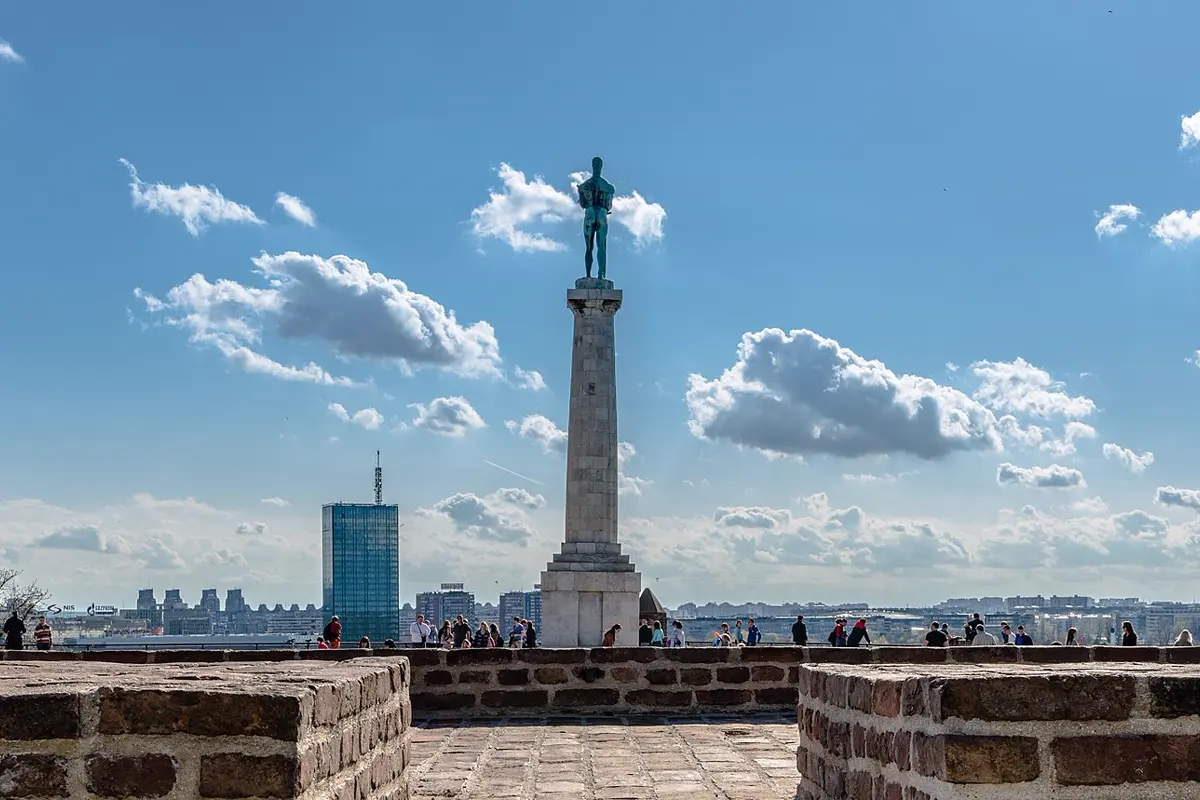
One day is enough for the heart of Belgrade. Start at Belgrade Fortress in Kalemegdan Park: walls, gates and towers high above the meeting point of the Sava and the Danube. Next to the Victor, the 1928 statue that has become a symbol of the city, you get the widest view over both rivers and across to New Belgrade.
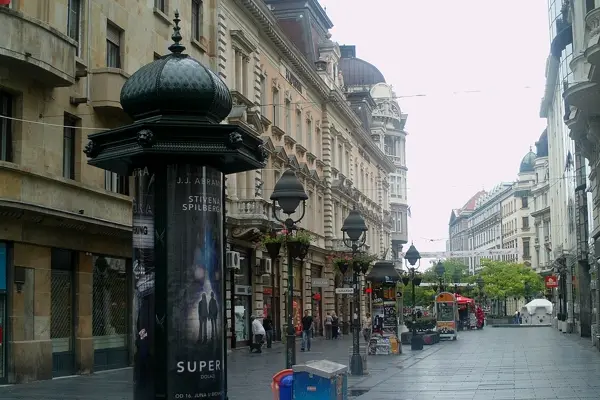
Walk down to St Michael's Cathedral, the 19th-century Serbian Orthodox cathedral with a gilded iconostasis, and then along Knez Mihailova, the pedestrian street lined with 19th-century facades. For lunch, head to Skadarlija, the old bohemian quarter with cobblestones and kafanas, and order grilled dishes such as ćevapi or pljeskavica. In the afternoon, the National Museum of Serbia on Republic Square covers everything from prehistoric finds to Serbian painting.
Two days in Belgrade: churches and museums in Vračar
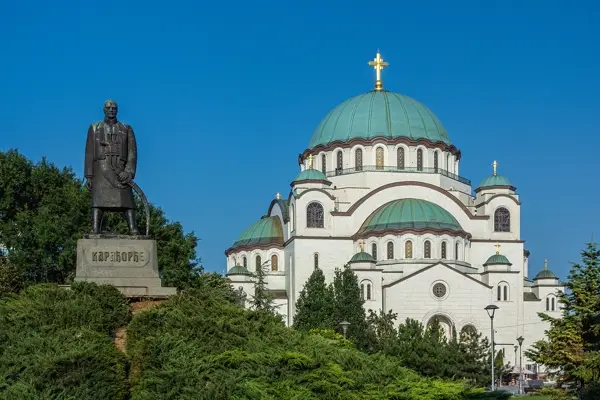
The second day belongs to Vračar, south of the centre. The Temple of St Sava is one of the largest Orthodox churches in the world, with gold mosaics under the dome and in the crypt. Nearby, the Nikola Tesla Museum in a villa keeps Tesla's estate; the guided tour includes demonstrations of his experiments. Buy burek in the bakeries around Kalenić Market, one of the city's best-known markets.
In the afternoon, take a bus or taxi to the Museum of Yugoslavia, whose grounds include the House of Flowers with Tito's grave, and end in leafy Topčider Park at the Residence of Prince Miloš from the 1830s. Tickets for tours and river cruises in Belgrade* are also on Tiqets. With two days you have seen the old town and the Belgrade of the 20th century.
Three days in Belgrade: the ideal length
Three days add the rivers. Our ready-made plan divides them like this:
- Day 1 – fortress and old town: Belgrade Fortress, the Victor, St Michael's Cathedral, Knez Mihailova, Skadarlija, the National Museum of Serbia.
- Day 2 – Vračar: churches and museums: the Temple of St Sava, the Nikola Tesla Museum, Kalenić Market, the Museum of Yugoslavia, the Residence of Prince Miloš.
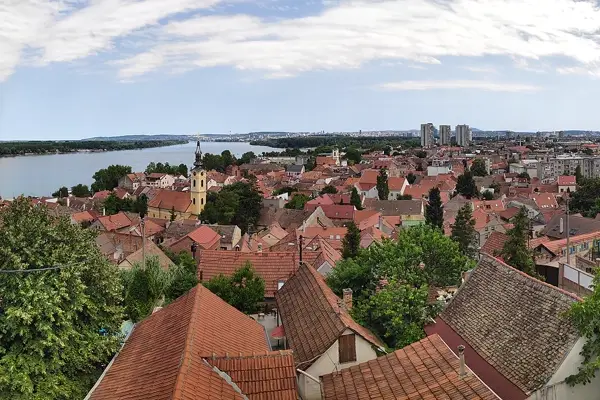
- Day 3 – Zemun, Ušće and Ada Ciganlija: the Gardoš Tower above the tiled roofs of Zemun, fish soup on the Danube quay, a long walk along the river to Ušće Park, the Museum of Contemporary Art and an evening at Ada Ciganlija, the peninsula in the Sava with a lake where Belgrade goes swimming in summer.
A boat trip on the Sava and the Danube shows you the fortress and Zemun from the water and is loveliest in the early evening. The old town is walkable; for Vračar, Zemun and Ada take a bus, tram or trolleybus, or a taxi booked through an app.
Four days or more: Novi Sad and Smederevo
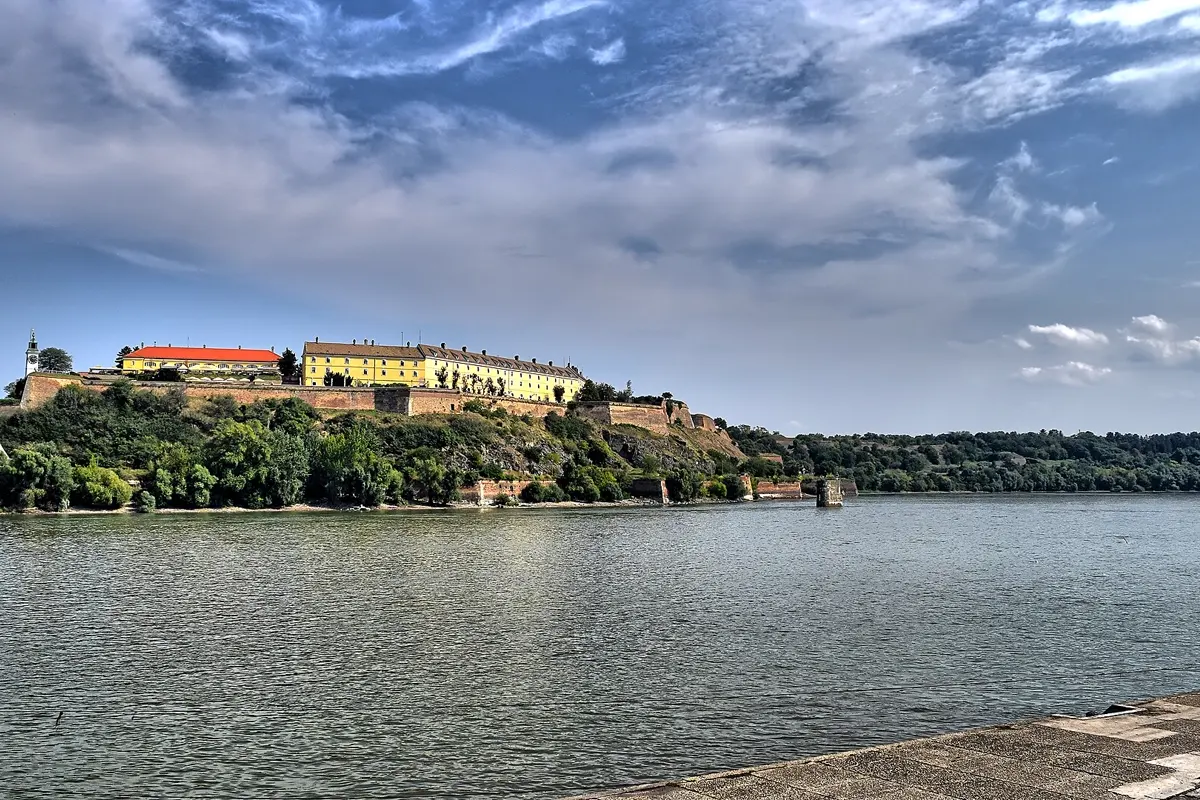
From the fourth day, Belgrade is a good base for trips. Novi Sad, Serbia's second city on the Danube, has a pretty centre and the Petrovaradin Fortress on the opposite bank; trains and buses run there from Belgrade. Smederevo Fortress, a large medieval fortress on the Danube, is the other classic. Train and bus connections* can be compared on Omio. If you continue north, Budapest is the next big city on the Danube – see how many days in Budapest.
Where to stay in Belgrade
For a short stay, three areas work well:
- The Old Town (Stari Grad): between the fortress, Knez Mihailova and Skadarlija – almost everything on day one is within walking distance.
- Dorćol: the neighbourhood below the fortress towards the Danube, with cafés and bars, quieter than the pedestrian zone and still central.
- Vračar: a residential area around the Temple of St Sava with plenty of places to eat, good for a calmer stay.
If you land late with luggage, an airport transfer in Belgrade* can be booked on Kiwitaxi. Because Serbia is outside the EU, a travel eSIM for Serbia* (Airalo) is often cheaper than roaming for visitors from the EU and the UK alike; our eSIM price index compares the prices per gigabyte.
Best time to visit Belgrade
| Month | Day (avg. high) | Night (avg. low) | Rain per month |
|---|---|---|---|
| Jan | 5.2 °C | -2.0 °C | 53 mm |
| Feb | 9.7 °C | 1.1 °C | 45 mm |
| Mar | 12.9 °C | 3.1 °C | 56 mm |
| Apr | 18.0 °C | 7.2 °C | 46 mm |
| May | 22.3 °C | 12.4 °C | 83 mm |
| Jun | 26.9 °C | 17.1 °C | 89 mm |
| Jul | 29.1 °C | 18.8 °C | 68 mm |
| Aug | 29.3 °C | 18.8 °C | 52 mm |
| Sep | 24.3 °C | 14.5 °C | 58 mm |
| Oct | 18.6 °C | 9.5 °C | 41 mm |
| Nov | 12.1 °C | 4.8 °C | 61 mm |
| Dec | 7.1 °C | 0.8 °C | 56 mm |
Averages 2015–2024 from the ERA5 reanalysis (via Open-Meteo), rounded.
Belgrade is best for exploring on foot from April to June and in September and October, with 18 to 27 °C by day. July and August are hot, around 29 °C, and the city heads for the rivers and Ada Ciganlija. Winters are cold and often grey, with nights around freezing, but the kafanas are cosy and the museums quiet.
Belgrade compared: how many days for other cities?
If you are choosing between cities, this is how many days we recommend in this series for a first visit.
Base map: Natural Earth
More in our articles how many days in Vienna and how many days in Dubrovnik, and all cities of the series in the overview how many days in each city.
How YesTrip helps you plan
YesTrip has a ready-made three-day plan for Belgrade with times, short walks and a map for each day, from the fortress to Ada Ciganlija. With one tap you copy it into the app, then move stops, drop what does not interest you and add your hotel, a river cruise or a day in Novi Sad. The app shows the weather for your travel days, the packing list suggests sun protection in summer and a warm layer in winter, and with the offline package you have the map without a connection. YesTrip is free.
 Belgrade trip planDay by day, with map and tips
* Ad – Partner link: if you book there, we earn a commission. Your price stays the same.
Free
Plan your trip in 30 seconds.
Tell YesTrip where and when – the app plans day by day with real places on the map, shows the weather, splits costs with your travel companions and guides you to the next stop on the go.
Frequently asked questions
How many days do you need in Belgrade?
Two days are enough for the fortress, the old town, the Temple of St Sava and the main museums. Three days are ideal and add Zemun and the rivers. From four days, a trip to Novi Sad or Smederevo is worth it.
Is 2 days enough for Belgrade?
Yes, for a first visit. One day for the fortress, Knez Mihailova and Skadarlija, one for Vračar with St Sava, the Tesla Museum and the Museum of Yugoslavia. Zemun, the river banks and day trips need a third day or more.
What is a kafana?
A traditional Serbian tavern serving grilled meat and salads, often with live music in the evening. Skadarlija has many of them side by side.
Can you pay in euros in Belgrade?
The currency in Serbia is the dinar. Cards are widely accepted; for small purchases and markets it is easiest to have some dinars.
What is the best time to visit Belgrade?
April to June and September to October, with mild to warm days that are good for walking. Summer is hot, winter cold and grey but quiet.
Sources
- Climate data: Open-Meteo Historical Weather API, daily values 2015–2024 – open-meteo.com
- Copernicus ERA5 reanalysis (Hersbach et al. 2020) – cds.climate.copernicus.eu
- Tourist Organisation of Belgrade, official website – www.tob.rs
- Belgrade Fortress, public enterprise – www.beogradskatvrdjava.co.rs
- Nikola Tesla Museum – tesla-museum.org
- Museum of Yugoslavia – www.muzej-jugoslavije.org
- Temple of St Sava – hramsvetogsave.rs
Researched with AI support and checked by our editors. Prices, opening hours and weather can change – please check before you go. YesTrip is not a travel agency. Published: .
More articles
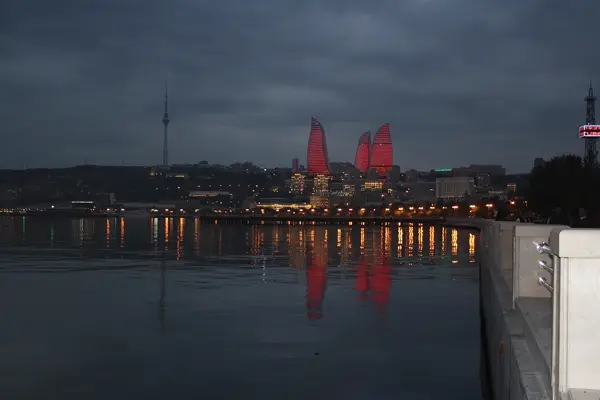 How many days?
How many days in Baku? 3 with Gobustan
Two days are enough for Baku's old town, the Boulevard and the Heydar Aliyev Center. The third belongs to Gobustan, 64 km away, with more … · 6 min read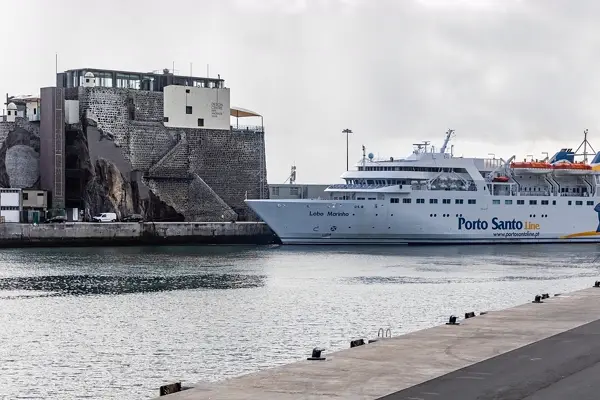 How many days?
How many days in Funchal? 3, or 5+ for Madeira
Two days are enough for Funchal: the old town, the market, the cable car and the gardens at Monte. Day three goes to the mountains, with … · 6 min read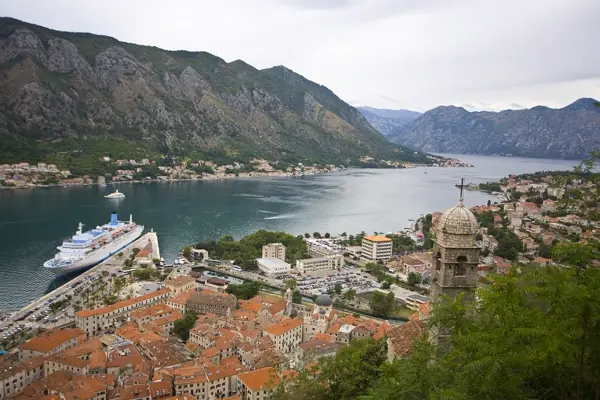 How many days?
How many days in Kotor? 2 with Perast
Two days are enough for Kotor: the old town and about 1,300 steps to the fortress on the first, Perast and the island of Our Lady of the … · 6 min read


