
Poland · 3 days · 17 stops
3 days in Warsaw – a ready-made itinerary
Warsaw was almost completely destroyed in 1944 and rebuilt afterwards – the Old Town is now a UNESCO World Heritage Site. Day one covers the Old Town and the Royal Route, day two the history of the 20th century, and on day three you walk through Łazienki Park and head out to Wilanów. The stops are in walking order.
In short
- Length
- 3 days, 17 stops
- Highlights
- Barbican, Palace of Culture and Science, Chopin Monument, Old Town Market Square, Royal Castle
- Where to stay
- Old Town and Krakowskie Przedmieście, Śródmieście (city centre), Praga
- Getting around
- The Old Town and the Royal Route are easy on foot.
- Best time to go
- May to September is the most pleasant; July and August can get hot.
Free, sign in with an email code. In the app you only pick your start date and adjust the plan.
Plan created with AI support – please check opening hours, prices and routes before you go. YesTrip editorial team · Updated: .
Top things to do in Warsaw
8 places you should not miss in Warsaw – each one is in the plan below with a time and the way there.
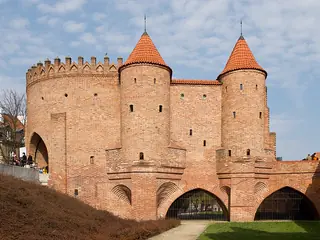 BarbicanThe semicircular outwork of the old city walls between the Old and New Town. A good place to start, a few steps from the square.Day 1
 Old Town Market SquareThe square with colourful town houses and the mermaid in the middle, rebuilt after the war from old plans and paintings.Day 1
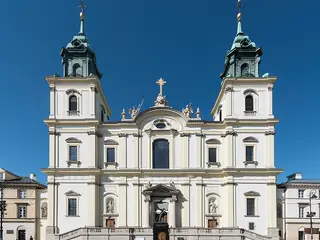 Holy Cross ChurchA Baroque church on Krakowskie Przedmieście. Frédéric Chopin's heart is sealed inside one of its pillars.Day 1
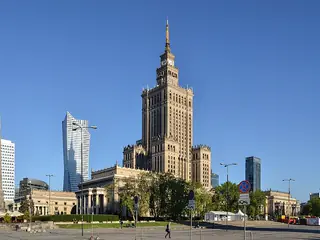 Palace of Culture and ScienceThe 1950s tower was a gift from the Soviet Union. The viewing terrace on the 30th floor looks out over the whole city.Day 2
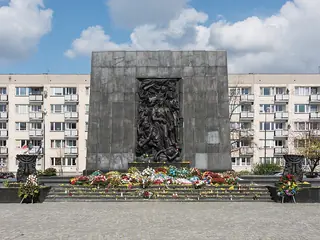 Monument to the Ghetto HeroesThe monument in front of POLIN commemorates the 1943 ghetto uprising. Willy Brandt knelt here in December 1970.Day 2
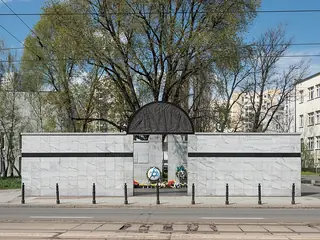 UmschlagplatzFrom this square hundreds of thousands of people from the ghetto were deported to the Treblinka extermination camp. A plain wall with names marks the spot.Day 2
- Chopin MonumentThe large monument beneath a bronze willow at the edge of Łazienki Park. In summer there are open-air piano concerts here on Sundays.Day 3
- Palace on the IsleThe neoclassical summer palace of Poland's last king stands in the middle of the lake in Łazienki Park. Peacocks and squirrels roam the grounds.Day 3
Day 1
Old Town and the Royal Route

Barbican
The semicircular outwork of the old city walls between the Old and New Town. A good place to start, a few steps from the square.
On the map (OpenStreetMap): Barbicanright next door
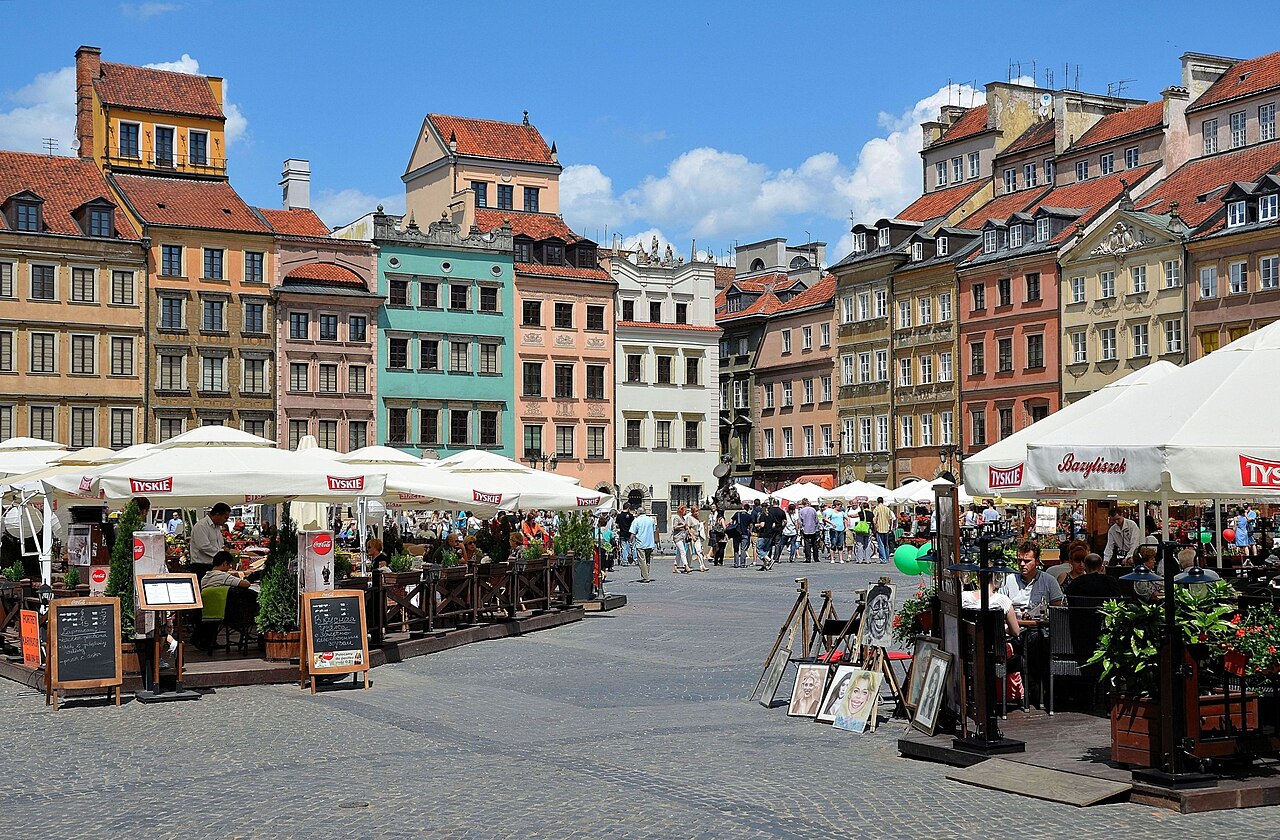
Old Town Market Square
The square with colourful town houses and the mermaid in the middle, rebuilt after the war from old plans and paintings.
On the map (OpenStreetMap): Old Town Market Squareabout 5 min on foot
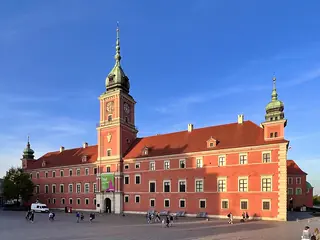
Royal Castle
The castle on Castle Square was only rebuilt in the 1970s and 80s. Inside hang Canaletto's views of the city, which helped with the reconstruction.
On the map (OpenStreetMap): Royal Castleabout 15 min on foot
Holy Cross Church
A Baroque church on Krakowskie Przedmieście. Frédéric Chopin's heart is sealed inside one of its pillars.
On the map (OpenStreetMap): Holy Cross Churchabout 10 min on foot
Nowy Świat
The continuation of the Royal Route, lined with cafés, bakeries and milk bars serving pierogi and soups.
On the map (OpenStreetMap): Nowy Światabout 5 min on foot
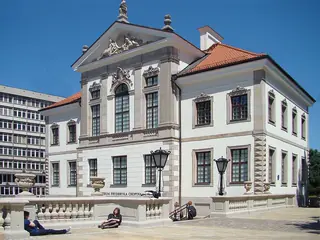
Chopin Museum
A museum in the Ostrogski Palace on Chopin's life and music, with listening stations, manuscripts and his last piano.
On the map (OpenStreetMap): Chopin Museum
Day 2
Palace of Culture, the Ghetto and the Uprising

Palace of Culture and Science
The 1950s tower was a gift from the Soviet Union. The viewing terrace on the 30th floor looks out over the whole city.
On the map (OpenStreetMap): Palace of Culture and Scienceabout 2.2 km as the crow flies – by bus, train or taxi
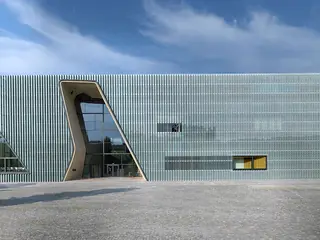
POLIN Museum of the History of Polish Jews
A thousand years of Jewish life in Poland, told on the site of the former ghetto. Allow two to three hours for the core exhibition.
On the map (OpenStreetMap): POLIN Museum of the History of Polish Jewsright next door
Monument to the Ghetto Heroes
The monument in front of POLIN commemorates the 1943 ghetto uprising. Willy Brandt knelt here in December 1970.
On the map (OpenStreetMap): Monument to the Ghetto Heroesabout 5 min on foot
Umschlagplatz
From this square hundreds of thousands of people from the ghetto were deported to the Treblinka extermination camp. A plain wall with names marks the spot.
On the map (OpenStreetMap): Umschlagplatzabout 25 min on foot
Hala Mirowska
Two brick market halls with stalls for fruit, vegetables, sausage and cheese, and small eateries around them – lunch the way locals have it.
On the map (OpenStreetMap): Hala Mirowskaabout 20 min on foot
Warsaw Rising Museum
A museum on the 1944 uprising in a former tram power station, with a reconstructed sewer and a bomber in the main hall.
On the map (OpenStreetMap): Warsaw Rising Museum
Day 3
Łazienki Park and Wilanów
Wilanów is reached by bus, about 30 to 40 minutes from the centre. Many museums close one day a week – check in advance.

Chopin Monument
The large monument beneath a bronze willow at the edge of Łazienki Park. In summer there are open-air piano concerts here on Sundays.
On the map (OpenStreetMap): Chopin Monumentabout 10 min on foot
Palace on the Isle
The neoclassical summer palace of Poland's last king stands in the middle of the lake in Łazienki Park. Peacocks and squirrels roam the grounds.
On the map (OpenStreetMap): Palace on the Isleabout 30 min on foot
Koszyki Hall
A restored early 20th-century market hall, now home to many small kitchens under one roof.
On the map (OpenStreetMap): Koszyki HallBus to Wilanów, about 40 min
Wilanów Palace
King Jan III Sobieski's Baroque summer residence came through the war largely intact. Behind it a large garden runs down to the lake.
On the map (OpenStreetMap): Wilanów Palaceright next door
Poster Museum
One of the first poster museums in the world, right next to the palace. Polish poster art is known internationally.
On the map (OpenStreetMap): Poster Museum
Good to know
Best time to go
May to September is the most pleasant; July and August can get hot. Spring and autumn are quieter and the parks are at their best. Winter is cold and grey, but there is a Christmas market in the Old Town during Advent.
Getting around
The Old Town and the Royal Route are easy on foot. For longer distances there are two metro lines, trams and buses with shared tickets from machines or via the app. Trains and buses run from Chopin Airport to the centre; the train takes about 25 minutes.
Where to stay
Old Town and Krakowskie Przedmieście
Right on the Royal Route, with most of day one's stops within walking distance. Quieter in the evening than the bars in the centre.
Śródmieście (city centre)
Around the Palace of Culture and the central station, with metro and trams in every direction. Practical, but less historic.
Praga
The district on the other bank of the Vistula came through the war better, with old tenement houses, bars and studios. Quick to the Old Town by metro or tram.
Ad Where to stay in Warsaw? Compare prices: Warsaw
Ad Flights to Warsaw: compare live prices →
More on Warsaw in our blog: Warsaw Christmas market 2026: dates and tips · How many days in Warsaw? Plans for 1–4 days
Your plan
Start with this plan.
Copy it into YesTrip, pick your dates and make it yours: move stops, drop them or let the AI add more. On the road the app shows you the next stop and how to get there.
Warsaw: frequently asked questions
What are the must-see sights in Warsaw?
The must-see sights in Warsaw are Barbican, Old Town Market Square, Holy Cross Church, Palace of Culture and Science, Monument to the Ghetto Heroes and Umschlagplatz. This plan links 8 of them into short walks over 3 days – with times, a map and tips.
Are 3 days enough for Warsaw?
Yes, for the Old Town, the major museums and the royal parks. With more time, add Praga or the Vistula riverbanks.
Is the Old Town really old?
It was almost completely destroyed in 1944 and rebuilt from old plans, photographs and paintings. That reconstruction is exactly why it is on the UNESCO World Heritage list.
Do I need złoty?
Yes, the currency is the złoty. Cards work almost everywhere; a little cash is handy for small stalls in the market halls. Euros are rarely accepted.
When are museums closed?
Many Warsaw museums close one day a week, often Monday or Tuesday. Check opening hours before you go.
Plan created with AI support – please check opening hours, prices and routes before you go. Coordinates checked with Wikipedia and OpenStreetMap (Photon). Photo: Adrian Grycuk, CC BY-SA 3.0 pl, via Wikimedia Commons. More in Sources & licences. YesTrip is a trip planner, not a travel agency – nothing is booked.
More trip plans
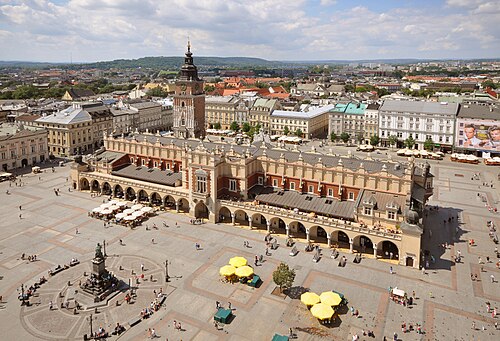 Poland · 3 days
Kraków
Photo: Jorge Lascar, CC BY 2.0, via Wikimedia Commons
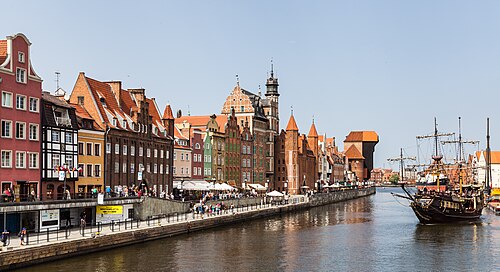 Poland · 3 days
Gdańsk
Photo: Diego Delso, CC BY-SA 3.0, via Wikimedia Commons
 Lithuania · 3 days
Vilnius
Photo: BigHead, CC BY-SA 4.0, via Wikimedia Commons


