
How many days in Mexico City? Plans for 2–7 days
In short
Three days in Mexico City cover the historic centre, Chapultepec with the Anthropology Museum and the pyramids of Teotihuacán (51 km by road). Four to five days are ideal and add Coyoacán with the Frida Kahlo Museum, Xochimilco and the Basilica of Guadalupe; from 6 days there is time for Puebla. The dry season runs from November to April; December to February have 10 to 11 mm of rain a month.
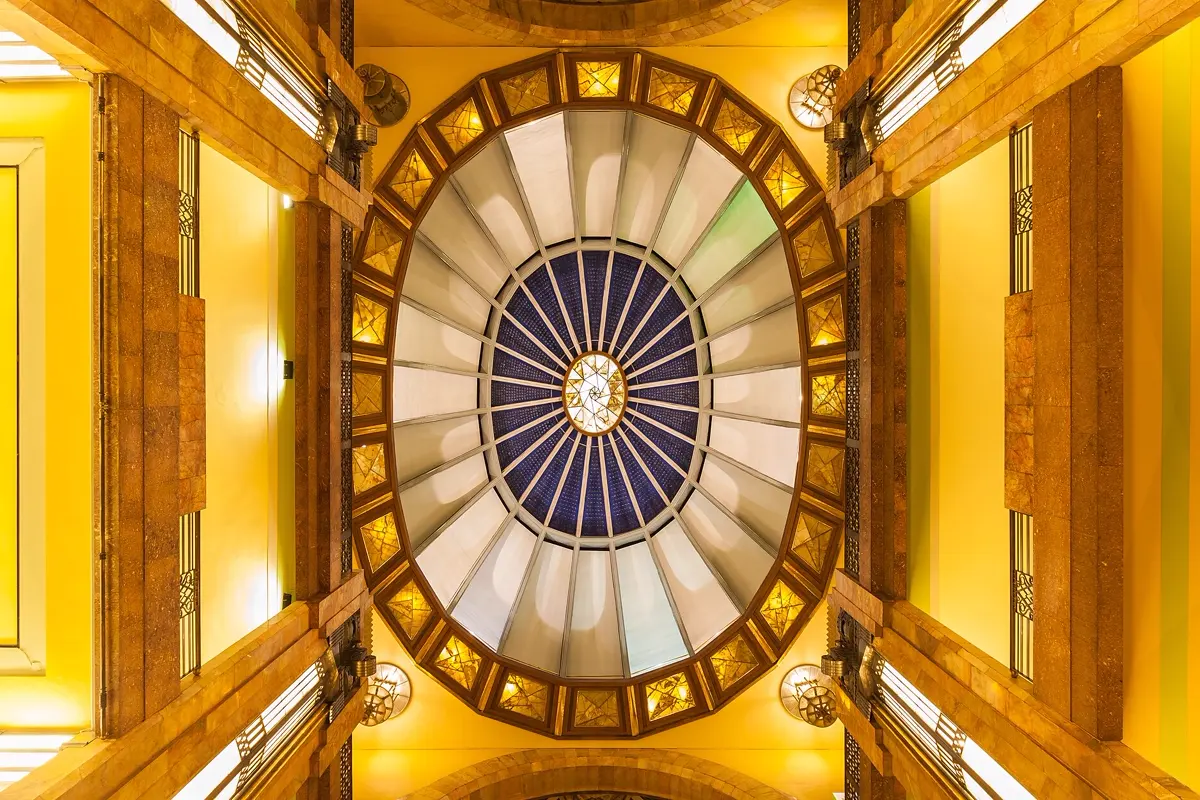
Mexico City is one of the largest cities in the world, and it has more to see than almost any other: the Aztec temple ruins next to the cathedral on the Zócalo, murals by Diego Rivera, the National Museum of Anthropology, leafy districts such as Roma and Condesa, the old village centre of Coyoacán and the canals of Xochimilco. Just outside the city stand the pyramids of Teotihuacán. The short answer: 3 days for the centre, Chapultepec and Teotihuacán, 4 to 5 days are ideal with Coyoacán and Xochimilco, and from 6 days there is time for Puebla or Taxco.
How many days in Mexico City? The overview
| Days | What you see | Best for |
|---|---|---|
| 2 days | historic centre, Bellas Artes, Chapultepec and the Anthropology Museum | a short first look |
| 3 days | plus Teotihuacán and an evening in Coyoacán | the classics |
| 4–5 days | plus the Frida Kahlo Museum, Xochimilco, the Basilica of Guadalupe, Roma and Condesa at leisure | the ideal length |
| 6–7 days | plus a day in Puebla, Taxco or another trip out of the city | Mexico City as a base for the highlands |
Worth knowing for planning: the city lies at around 2,200 metres. Some travellers feel the altitude in the first days as shortness of breath or tiredness, so keep the first day light and drink plenty of water. It rarely gets really hot, but the sun is strong, and evenings in the dry season are cool. Tickets for the Frida Kahlo Museum in Coyoacán often sell out – book them first and plan the other days around them. Direct flights from London take about 12 hours; Mexico City is 6 hours behind the UK in winter and 7 in summer.
Two days in Mexico City: the centre and Chapultepec
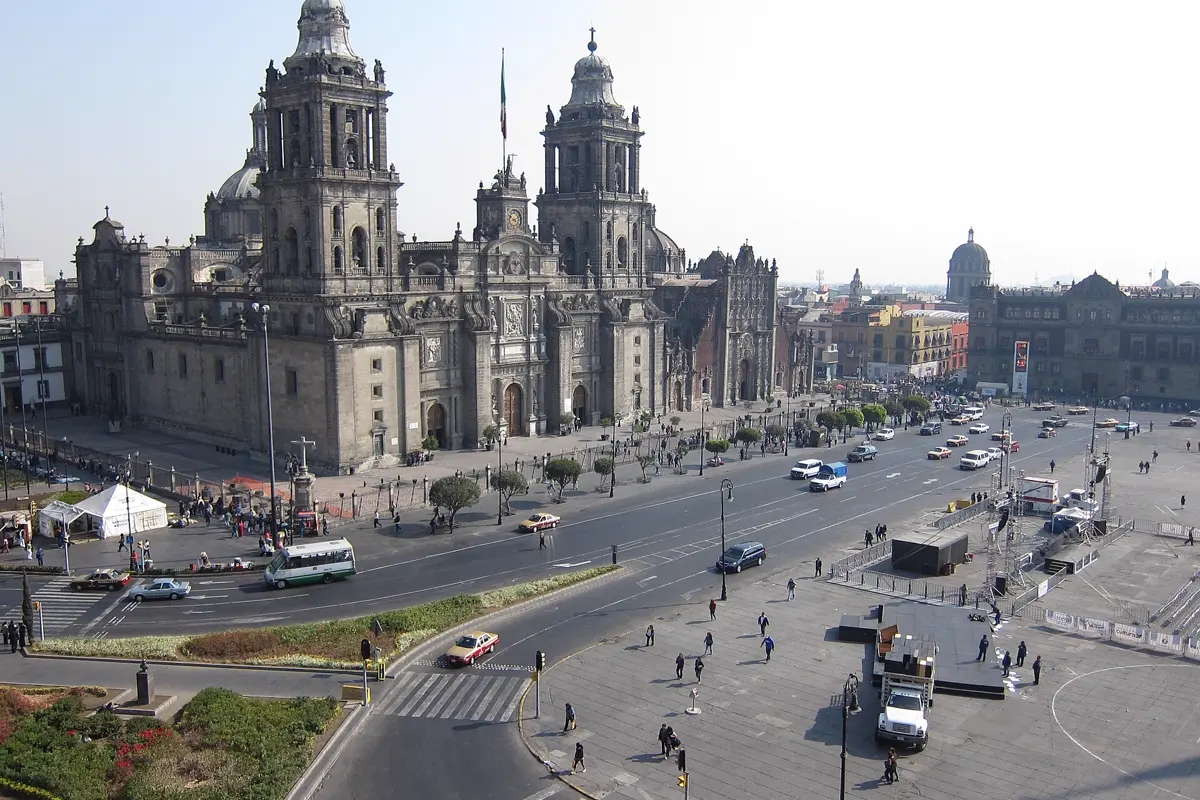
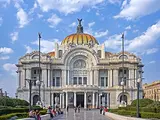
Two days are enough for the most important parts of the city. Start on the Zócalo, one of the largest squares in the world, on the site of the old Aztec centre. On its north side stands the Metropolitan Cathedral, the largest in Latin America, with gilded Baroque altars, and right next to it the excavated Templo Mayor, the main temple of Tenochtitlan, with a museum of its finds. Walk west along the pedestrian Madero Street to the Torre Latinoamericana, whose observation floor looks over the whole centre, and on to the white marble Palacio de Bellas Artes, with large murals by Rivera, Orozco and Siqueiros inside.
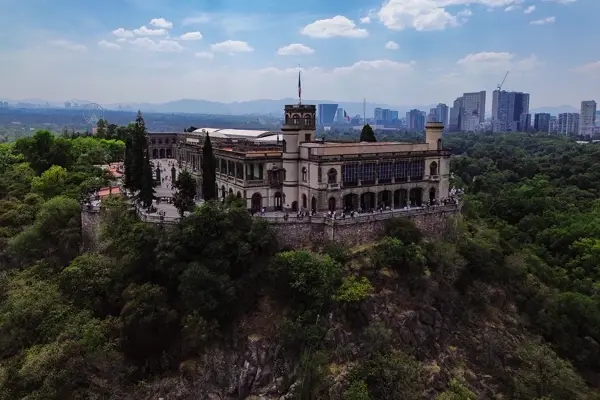
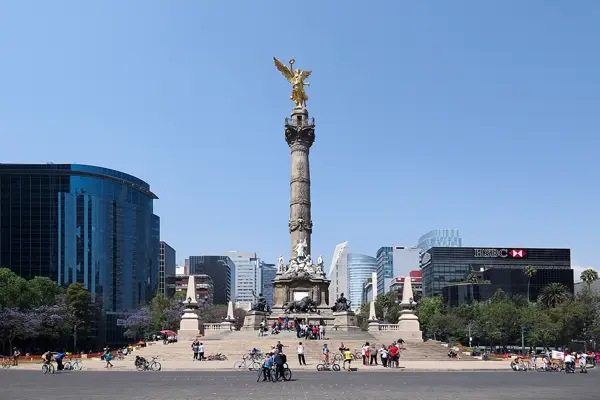
The second day belongs to Chapultepec Park. In the morning climb to Chapultepec Castle, once the residence of Emperor Maximilian, with views down the Paseo de la Reforma. Then walk through the park to the National Museum of Anthropology, the most important museum in the country, where the Aztec Sun Stone is on display – allow at least two hours. In the afternoon follow the Reforma past the golden Angel of Independence into Roma and Condesa for a late lunch and a walk around Parque México.
Three days in Mexico City: Teotihuacán and Coyoacán
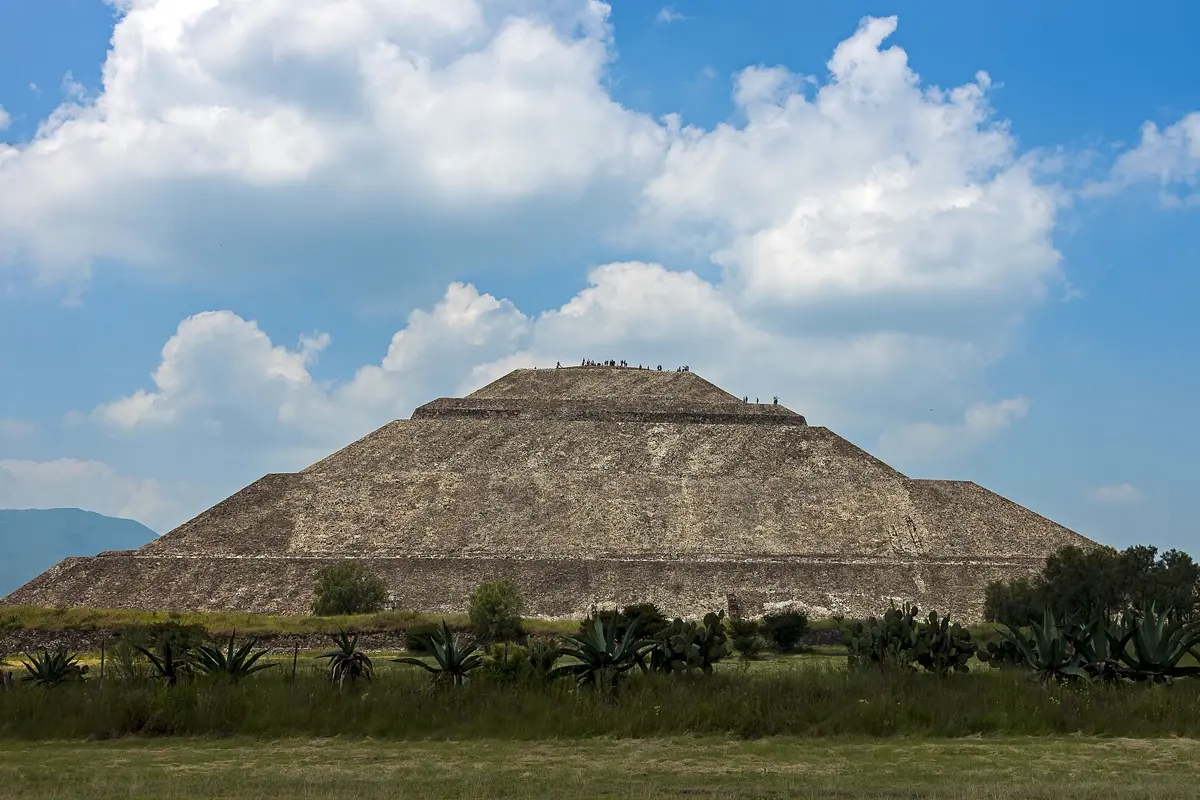
With a third day you see what many people come for: the pyramids of Teotihuacán, a UNESCO World Heritage Site, 51 km and about 50 minutes of pure driving north-east of the centre – allow about a third more. Buses leave regularly from the Terminal Norte bus station and take about an hour. Start early in the south at the Temple of the Feathered Serpent, then walk north along the Avenue of the Dead to the Pyramid of the Sun and the Pyramid of the Moon. There is little shade, so bring water and sun protection. Guided trips from Mexico City* with transport are on Viator.
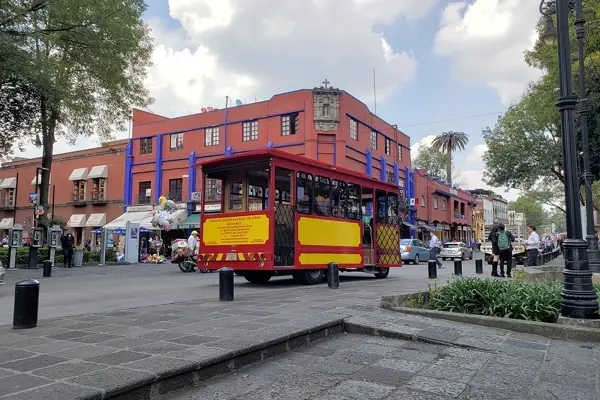
In the late afternoon take the bus back and the Metro south to Coyoacán, the old village centre with cobbled streets, a church and two squares, where families fill the plazas in the evening. Our ready-made plan for three days:
- Day 1 – the historic centre: the Zócalo, the cathedral, the Templo Mayor, Madero Street, the Torre Latinoamericana, the Palacio de Bellas Artes.
- Day 2 – Chapultepec, Roma and Condesa: Chapultepec Castle, the Anthropology Museum, the Angel of Independence, Mercado Roma, Parque México.
- Day 3 – Teotihuacán and Coyoacán: the Temple of the Feathered Serpent, the Pyramid of the Sun, the Pyramid of the Moon, then the market and the squares of Coyoacán.
Four to five days: Frida Kahlo, Xochimilco and Guadalupe
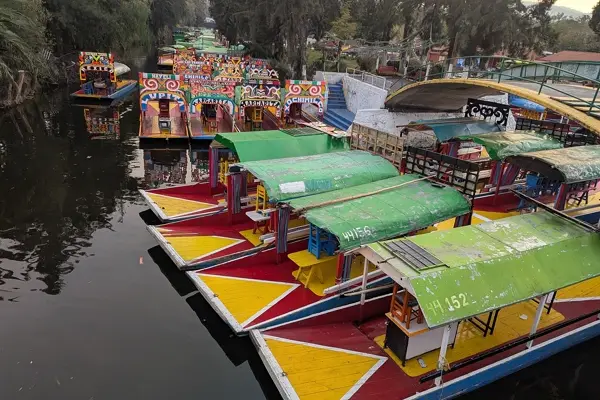
With four or five days the city becomes more relaxed. Plan a morning in Coyoacán for the Frida Kahlo Museum in the blue house where the painter lived, with your timed ticket, and walk to the nearby squares afterwards. Further south are the canals of Xochimilco, the remains of the old lake landscape, where colourful flat boats called trajineras glide past floating gardens – the Nativitas landing is 22 km and about half an hour by road from the centre. At weekends the canals are lively, with music and food boats; on weekday mornings they are much quieter.
In the north of the city stands the Basilica of Guadalupe, one of the most visited Catholic shrines in the world, with the old and the new basilica side by side. The fifth day leaves room for a market morning, a second museum or simply the cafés of Roma and Condesa. Tickets and tours for Xochimilco, Teotihuacán and food walks* are on Tiqets.
Six days or more: Puebla and Taxco
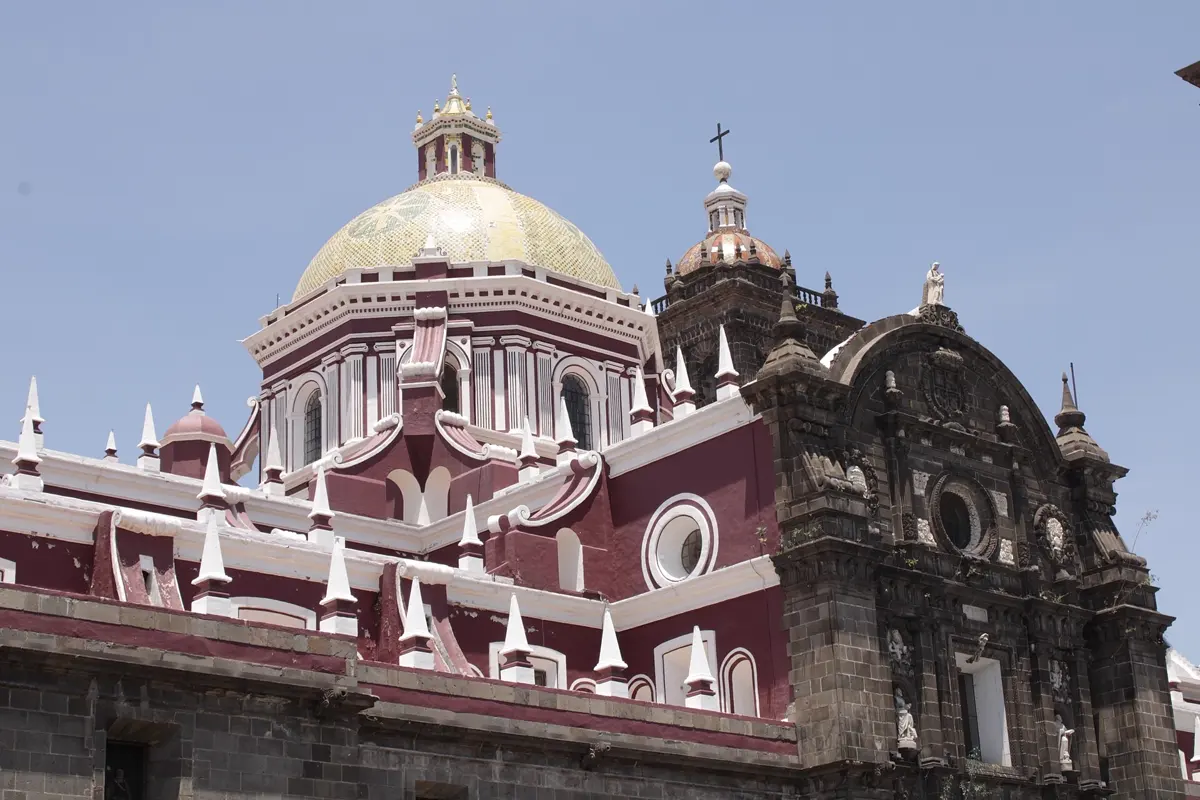
If you stay a week, two colonial towns are within reach. Puebla, whose historic centre is a UNESCO World Heritage Site, lies 132 km and about 2 hours of pure driving to the south-east – known for its cathedral, Talavera tiles and mole poblano. Next door is Cholula with its large pyramid, topped by a church. Comfortable long-distance buses run there from the TAPO and Terminal Sur bus stations; bus connections* can be compared on Busbud. A night in Puebla makes the trip more relaxed.
Taxco, the silver town on a mountainside, is 161 km and about 2 hours 40 minutes of pure driving to the south-west, with white houses and steep lanes – also better with a night. If you would rather drive yourself, hire cars in Mexico City* can be compared on Economybookings; in the city itself a car is more hindrance than help.
Where to stay in Mexico City
The city is huge, so the right district saves a lot of time:
- Roma and Condesa: leafy streets with cafés and lots of restaurants, good on foot and not far from the centre or Chapultepec.
- Centro Histórico: right among the major sights, with many hotels in old buildings. Some streets empty out in the evening, so choose your location carefully.
- Polanco: quiet and well kept, north of Chapultepec Park, close to the Anthropology Museum but further from the centre.
For trips without a good connection or in the evening, use a ride-hailing app or a taxi from an official stand. From the airport, which lies on the eastern edge of the city, use the official airport taxis or a ride app; a transfer can be booked with Welcome Pickups. For mobile data without roaming charges, get an eSIM from Airalo before you leave; our eSIM price index compares the prices per gigabyte.
Best time to visit Mexico City
| Month | Day (avg. high) | Night (avg. low) | Rain per month |
|---|---|---|---|
| Jan | 22.1 °C | 7.0 °C | 10 mm |
| Feb | 24.4 °C | 8.1 °C | 11 mm |
| Mar | 26.2 °C | 10.0 °C | 29 mm |
| Apr | 27.2 °C | 11.8 °C | 37 mm |
| May | 27.3 °C | 12.9 °C | 75 mm |
| Jun | 24.8 °C | 13.4 °C | 162 mm |
| Jul | 22.7 °C | 12.7 °C | 228 mm |
| Aug | 22.7 °C | 12.7 °C | 236 mm |
| Sep | 22.2 °C | 12.8 °C | 216 mm |
| Oct | 22.3 °C | 11.3 °C | 87 mm |
| Nov | 22.8 °C | 9.5 °C | 26 mm |
| Dec | 22.0 °C | 7.7 °C | 11 mm |
Averages 2015–2024 from the ERA5 reanalysis (via Open-Meteo), rounded. The values describe a grid cell of about 25 km of the high valley; in the centre the nights are often a little milder.
Thanks to the altitude, Mexico City has spring-like weather all year, with 22 to 27 °C by day. The dry season from November to April is the most pleasant: December to February have only 10 to 11 mm of rain a month and plenty of sun, but the nights are cool at 7 to 8 °C – pack a jacket. April and May are the warmest months at 27 °C. The rainy season from June to September brings 162 to 236 mm a month, usually as short, heavy showers in the afternoon, so mornings are often dry. The whole country month by month: Best time to visit Mexico.
How YesTrip helps you plan
YesTrip has a ready-made three-day plan for Mexico City: the historic centre, Chapultepec with Roma and Condesa, and Teotihuacán with an evening in Coyoacán. Each day has times, the stops are in a sensible order, and the Metro and bus legs are noted. With one tap you copy the plan into the app and add days for Xochimilco, the Frida Kahlo Museum or Puebla; for those the AI creates a day plan for you. The app shows the weather for your travel days, the packing list thinks of a warm layer for the cool evenings and sun protection, and with the offline package you have the map without a connection. YesTrip is free.
 Mexico City trip planDay by day, with map and tips
* Ad – Partner link: if you book there, we earn a commission. Your price stays the same.
Free
Plan your trip in 30 seconds.
Tell YesTrip where and when – the app plans day by day with real places on the map, shows the weather, splits costs with your travel companions and guides you to the next stop on the go.
Frequently asked questions
How many days do you need in Mexico City?
Three days cover the historic centre, Chapultepec with the Anthropology Museum and Teotihuacán. Four to five days are ideal and add Coyoacán with the Frida Kahlo Museum, Xochimilco and the Basilica of Guadalupe. From six days there is time for Puebla or Taxco.
Is 3 days enough for Mexico City?
For a first impression, yes: the centre, Chapultepec and the pyramids of Teotihuacán fit into three days. For the Frida Kahlo Museum, Xochimilco and a slower pace in Roma and Condesa, plan four to five days.
Is the trip to Teotihuacán worth it?
Yes – the pyramids are among the most impressive sites in Mexico and a UNESCO World Heritage Site. They are 51 km from the centre; buses from the Terminal Norte take about an hour. Leave early, when it is cooler and less crowded.
Will I notice the altitude in Mexico City?
Some travellers do, in the first days, as shortness of breath or tiredness, because the city lies at around 2,200 metres. Drink plenty of water, keep the first day light and go easy on alcohol at first.
When is the best time to visit Mexico City?
The dry season from November to April is the most pleasant, with 10 to 11 mm of rain a month from December to February and 22 to 27 °C by day. June to September is the rainy season, with up to 236 mm in August, usually as afternoon showers.
Sources
- Climate data: Open-Meteo Historical Weather API, daily values 2015–2024 – open-meteo.com
- Copernicus ERA5 reanalysis (Hersbach et al. 2020) – cds.climate.copernicus.eu
- Driving times: OSRM route calculation on OpenStreetMap data – project-osrm.org
- Instituto Nacional de Antropología e Historia (INAH): Teotihuacán, Templo Mayor and the national museums – www.inah.gob.mx
- Entry requirements for Mexico: UK Foreign Travel Advice – www.gov.uk
Researched with AI support and checked by our editors. Prices, opening hours and weather can change – please check before you go. YesTrip is not a travel agency. Published: .
More articles
 How many days?
How many days in Baku? 3 with Gobustan
Two days are enough for Baku's old town, the Boulevard and the Heydar Aliyev Center. The third belongs to Gobustan, 64 km away, with more … · 6 min read How many days?
How many days in Funchal? 3, or 5+ for Madeira
Two days are enough for Funchal: the old town, the market, the cable car and the gardens at Monte. Day three goes to the mountains, with … · 6 min read How many days?
How many days in Kotor? 2 with Perast
Two days are enough for Kotor: the old town and about 1,300 steps to the fortress on the first, Perast and the island of Our Lady of the … · 6 min read


