
Best time to visit the Canary Islands
In short
The Canary Islands are mild all year: in the south of Tenerife daytime highs range from 20.5 °C in January to 26.8 °C in August, and rain is rare (118 mm a year). In winter Gran Canaria is the warmest island at 21.2 °C in January, Lanzarote and Fuerteventura the driest. La Palma is cooler and greener at 18.5 °C.
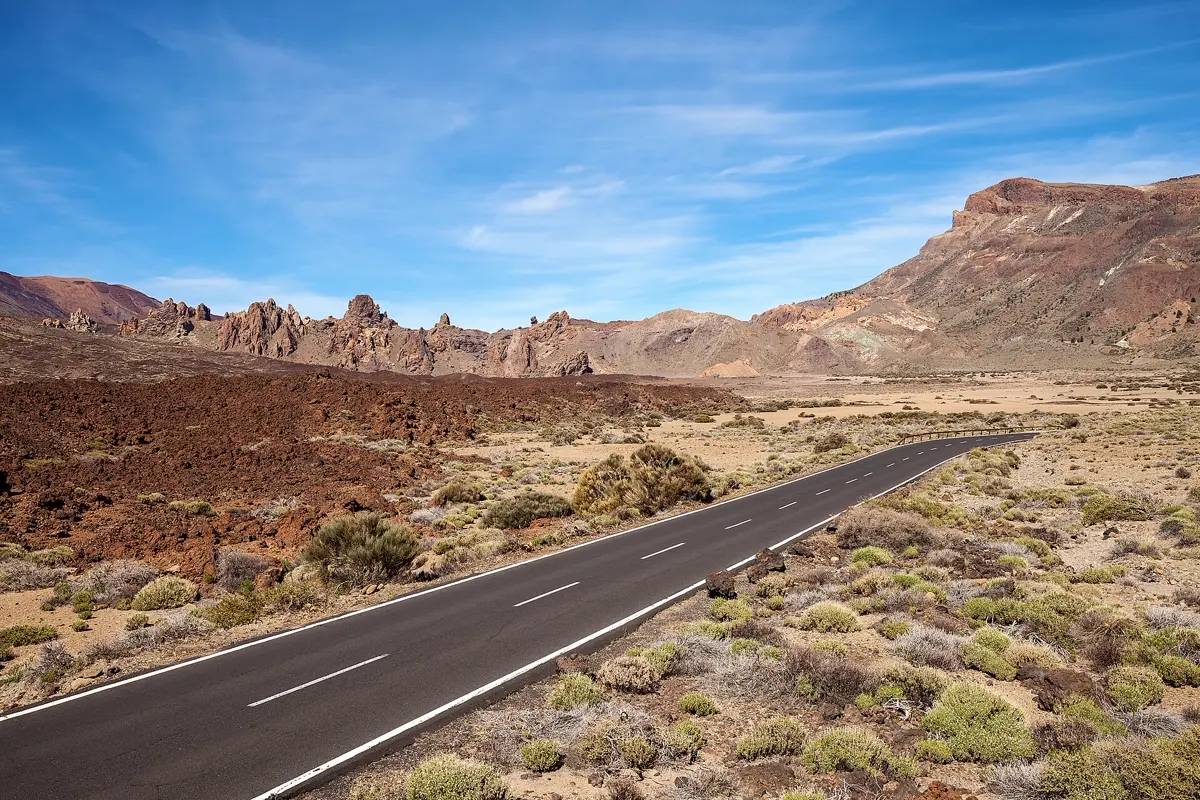
The Canaries are called the islands of eternal spring for good reason. In the south of Tenerife the coolest and warmest months are only a little over six degrees apart, and over the whole year an average of just 118 mm of rain falls. So the real question is less when than where: the islands differ clearly, and even on a single island the north and south can have quite different weather. We analysed the weather of 2015 to 2024.
The short answer
- All year: The Canaries are a good choice in every season. In the south of the islands daytime highs are 20 to 21 °C in winter and 26 to 30 °C in summer.
- Winter (November to March): The classic season for travellers from northern Europe. It is warmest in the south of Gran Canaria and Tenerife, driest on Lanzarote and Fuerteventura. The Atlantic is fresh for swimming.
- Spring and autumn: Ideal for hiking, especially on La Palma and in the north of Tenerife. The sea is at its warmest in autumn.
- Summer: Warm but rarely oppressive – the trade wind cools things down. The south of Gran Canaria averages 30 °C in August.
Tenerife's climate (south): all 12 months
| Month | Day (avg. high) | Night (avg. low) | Rain per month |
|---|---|---|---|
| January | 20.5 °C | 15.2 °C | 10 mm |
| February | 20.7 °C | 14.8 °C | 15 mm |
| March | 20.9 °C | 14.8 °C | 12 mm |
| April | 21.2 °C | 15.4 °C | 10 mm |
| May | 22.4 °C | 16.5 °C | 4 mm |
| June | 23.5 °C | 17.8 °C | 10 mm |
| July | 25.6 °C | 19.4 °C | 1 mm |
| August | 26.8 °C | 20.6 °C | 2 mm |
| September | 25.8 °C | 20.1 °C | 14 mm |
| October | 25.5 °C | 19.8 °C | 13 mm |
| November | 23.8 °C | 18.2 °C | 11 mm |
| December | 22.0 °C | 16.5 °C | 16 mm |
Temperature and rain: average of 2015–2024 from the ERA5 reanalysis (via Open-Meteo) for the south of Tenerife near Costa Adeje, rounded. A grid cell is about 25 km wide; on an island with mountains over 3,700 m high, differences over short distances are larger than such a cell can show.
Nights in the Canaries are mild all year: even in February the average low in south Tenerife does not drop below 14.8 °C. Rain is hardly an issue in the south, with an average of 118 mm over the year. That changes on the north side of the islands: Puerto de la Cruz in the north of Tenerife gets 46 mm in January, almost five times as much as the south.
The islands compared
| Island (place) | January day | January night | January rain | August day |
|---|---|---|---|---|
| Tenerife south (Costa Adeje) | 20.5 °C | 15.2 °C | 10 mm | 26.8 °C |
| Tenerife north (Puerto de la Cruz) | 20.4 °C | 14.3 °C | 46 mm | – |
| Gran Canaria (Maspalomas) | 21.2 °C | 15.2 °C | 20 mm | 30.4 °C |
| Fuerteventura (Corralejo) | 20.0 °C | 15.5 °C | 8 mm | 27.0 °C |
| Lanzarote (Puerto del Carmen) | 20.3 °C | 15.2 °C | 5 mm | 28.1 °C |
| La Palma (Los Llanos) | 18.5 °C | 14.0 °C | 33 mm | 26.7 °C |
Monthly averages 2015–2024, ERA5 reanalysis (via Open-Meteo), rounded.
In January the resorts are close together: 20 to 21 °C by day, around 15 °C at night. The differences lie more in rain, wind and landscape.
Base map: Natural Earth
Tenerife
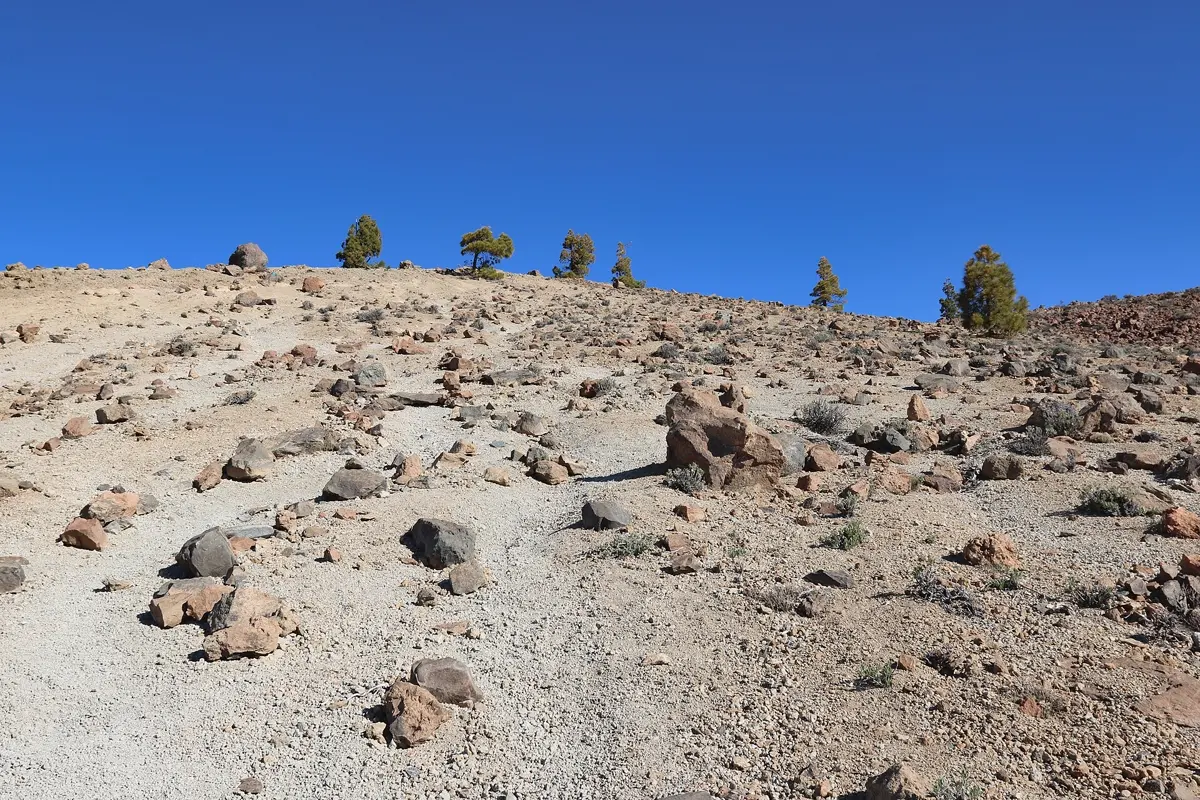
The largest island, home to Mount Teide, the highest mountain in Spain. The south around Costa Adeje and Los Cristianos is sunny and dry; the north around Puerto de la Cruz is greener, cloudier and wetter, because the trade wind piles clouds up against the slopes. In winter there can be snow on the summit while you lie on the beach below. Good for anyone who wants to combine beach, hiking and day trips*.
Gran Canaria
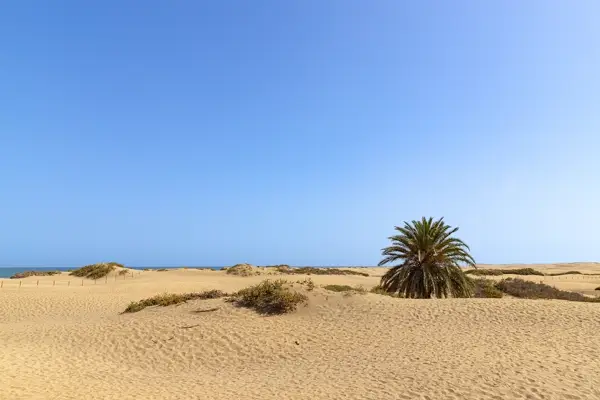
The warmest island in the comparison in January at 21.2 °C, and in August also the hottest in the south at 30.4 °C. Around Maspalomas lie the great dunes; the interior has mountain villages and gorges, and the north the city of Las Palmas. The first choice for a winter holiday with as much warmth as possible.
Fuerteventura
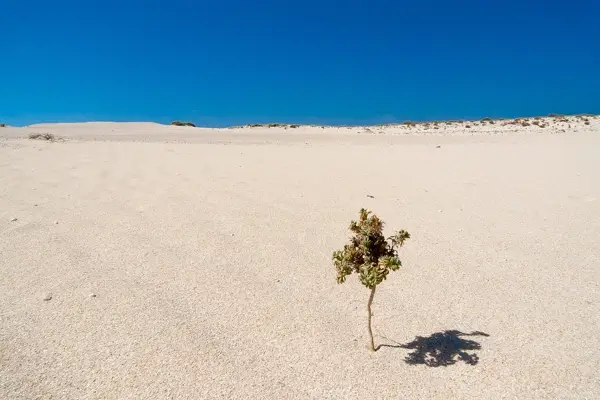
The island of long sandy beaches, flat and dry, with only 8 mm of rain in January. It is often windy – an advantage for kite and windsurfers, but on some days also the reason 20 °C on the beach feels cooler.
Lanzarote
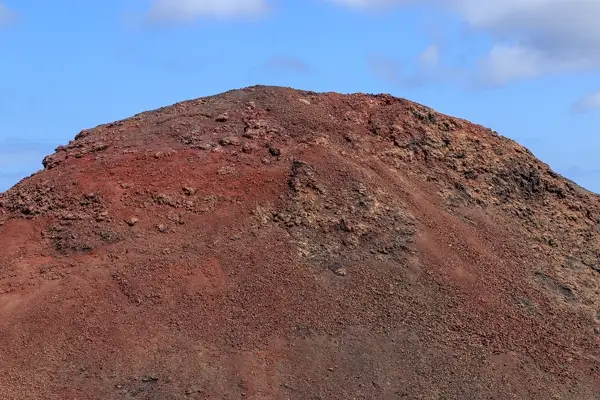
The driest island in the comparison, with 5 mm of rain in January. Volcanic landscapes such as Timanfaya National Park and the buildings of the artist César Manrique shape the island. As on Fuerteventura, a strong wind often blows.
La Palma
The green island in the west: cooler at 18.5 °C in January and wetter at 33 mm than the beach islands. La Palma is a hiking destination, with the Caldera de Taburiente National Park and trails along the volcanic ridge in the south. If you mainly want a beach, the other islands suit you better.
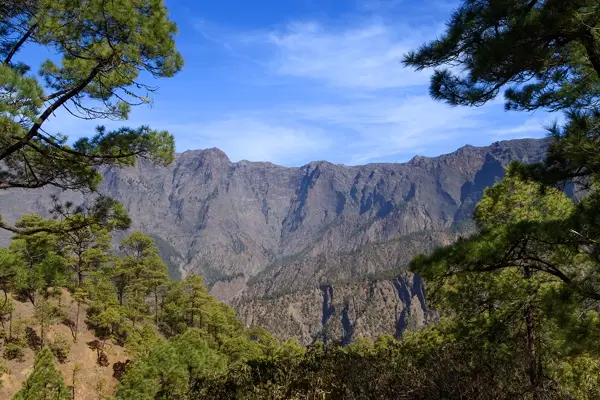
The Canaries month by month
November to February
High season for winter sun-seekers: 20 to 24 °C by day in the south of the islands, around 15 °C at night. Sunbathing works well; the sea is fresh. Flights* and hotels are in demand around Christmas, New Year and the February half-term. In the north of the islands and on La Palma, expect some rainy days.
March to May
Spring is the best hiking season: the mountains are green, and La Palma and Tenerife's Teno and Anaga mountains are in flower. South Tenerife sees 21 to 22 °C, and May is almost dry at 4 mm. Easter gets busy.
June to September
Summer, with 23 to 27 °C in south Tenerife and around 30 °C in south Gran Canaria in August. The trade wind usually keeps the heat in check. Occasionally the calima blows: hot, dusty air from the Sahara that turns the sky yellow and pushes temperatures up for a few days. During the summer holidays many families come from mainland Spain.
October
For many the best month: 25.5 °C by day in south Tenerife, almost 20 °C at night, and the sea is at its warmest after the summer. The winter season has only just started, so it is not yet as busy.
How YesTrip helps with this trip
In YesTrip you enter your island and dates and get a day-by-day plan with a map: beach days, a trip up Mount Teide, hikes or inland villages – arranged so that distances stay short. The forecast for your travel days shows when the north of the island is under cloud and you are better off heading south. The packing list remembers a warm jacket for Teide and winter evenings. If you travel as a group, you share the trip and log shared expenses; the map also works offline.
Before you go
- Entry: The Canary Islands are part of Spain and the Schengen area. British visitors need a valid passport and can stay for a limited time without a visa. Check the current rules on gov.uk.
- Flight: From London a direct flight to Tenerife or Gran Canaria takes approx. 4.5 hours. The Canaries are on the same time as the UK.
- Power: 230 volts, sockets type C and F (two round pins). From the UK you need an adapter.
- Mobile data: Whether EU roaming is included depends on your UK provider – check before you travel.
- Hire car: A car is the most convenient way to reach Teide, the interior and remote beaches.
* Ad – Partner link: if you book there, we earn a commission. Your price stays the same.
Free
Plan your trip in 30 seconds.
Tell YesTrip where and when – the app plans day by day with real places on the map, shows the weather, splits costs with your travel companions and guides you to the next stop on the go.
Frequently asked questions
When is the best time to visit the Canary Islands?
The Canaries are a good destination all year. For winter warmth, go to the south of Gran Canaria or Tenerife between November and March, when daytime highs are 20 to 24 °C. Spring and autumn are ideal for hiking, and October for warm sea.
Which Canary Island is warmest in winter?
Among the resorts compared, Gran Canaria is warmest in January at 21.2 °C (Maspalomas), just ahead of south Tenerife at 20.5 °C. Lanzarote and Fuerteventura are around 20 °C, La Palma 18.5 °C.
Which Canary Island is driest?
Lanzarote and Fuerteventura. In January they average 5 and 8 mm of rain respectively. La Palma gets 33 mm and the north of Tenerife 46 mm.
Can you swim in the Canaries in winter?
Yes, if you do not mind fresh water. The air in the south of the islands is 20 to 21 °C by day, but the Atlantic is fresh in winter. Midday on a sheltered beach is the most pleasant time.
What is the calima?
The calima is hot, dusty air from the Sahara that sweeps over the Canaries a few times a year. The sky turns hazy and yellowish, visibility drops, and temperatures rise noticeably for a few days.
Sources
- Open-Meteo Historical Weather API (ERA5), average 2015–2024 – open-meteo.com
- Copernicus ERA5 reanalysis (Hersbach et al. 2020) – cds.climate.copernicus.eu
- Teide National Park: UNESCO World Heritage List – whc.unesco.org
- Spain entry requirements: UK Foreign Travel Advice – www.gov.uk
Researched with AI support and checked by our editors. Prices, opening hours and weather can change – please check before you go. YesTrip is not a travel agency. Published: .
More best-time guides
 When to go
Best time to visit Cape Verde: weather by month
Cape Verde is a year-round destination: on Sal daytime highs range from 24 °C in February to 29 °C in September and October, and it hardly … · 6 min read When to go
Best time to visit Kenya: safari and migration
The best time for a safari in Kenya is the long dry season from June to October: the Maasai Mara then gets only 14 to 50 mm of rain a month, … · 6 min read When to go
Best time to visit Crete: weather by month
The best time to visit Crete is May to June and September to October: daytime highs in Heraklion are then 25 to 29 °C and it hardly rains. … · 8 min read
All destinations: best time to visit and warm places by month


