
France · 3 days · 17 stops
3 days in Bordeaux – a ready-made itinerary
Bordeaux sits on a wide bend of the Garonne, with 18th-century façades in pale limestone. One day covers the old town, one the quays, the Chartrons district and the Cité du Vin, one the wine village of Saint-Émilion. The stops are in walking order.
In short
- Length
- 3 days, 17 stops
- Highlights
- Place de la Bourse and the Miroir d'eau, Grand Théâtre, Saint-Émilion, Porte Cailhau, Grosse Cloche
- Day trips
- Day trip to Saint-Émilion
- Where to stay
- Saint-Pierre, Around the Grand Théâtre, Chartrons
- Getting around
- Explore the old town and the quays on foot; the centre is flat.
- Best time to go
- May to June and September to October are the most pleasant: warm but rarely hot.
Free, sign in with an email code. In the app you only pick your start date and adjust the plan.
Plan created with AI support – please check opening hours, prices and routes before you go. YesTrip editorial team · Updated: .
Top things to do in Bordeaux
14 places you should not miss in Bordeaux – each one is in the plan below with a time and the way there.
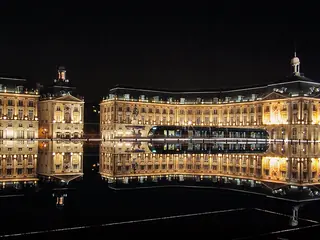 Place de la Bourse and the Miroir d'eauThe 18th-century square opens onto the Garonne. In front of it lies the shallow water mirror that reflects the façades.Day 1
- Porte CailhauA 15th-century city gate with turrets like a castle. It leads from the Saint-Pierre quarter out to the river.Day 1
- Grosse ClocheThe belfry of the old town hall with a large clock, one of the few surviving parts of the medieval city wall.Day 1
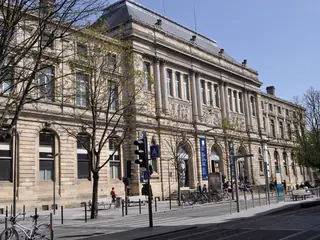 Musée d'AquitaineThe history of the region from prehistory to today, including Bordeaux's role in the trade in enslaved people.Day 1
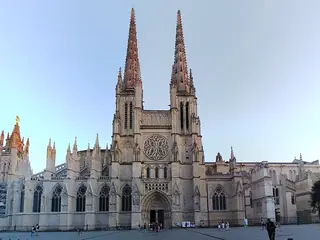 Saint-André Cathedral and Tour Pey-BerlandA Gothic cathedral with a free-standing bell tower beside it. The tower stairs take you high above the rooftops.Day 1
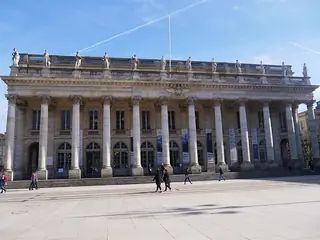 Grand ThéâtreThe opera house from 1780, with a row of columns and statues along the roof. It is one of the spots where the city comes together.Day 2
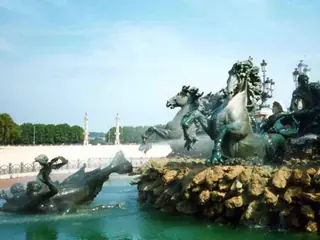 Place des QuinconcesA vast square by the river, with the monument to the Girondins and its bronze fountains.Day 2
- ChartronsThe former wine merchants' quarter. Rue Notre-Dame is lined with antique shops, cafés and old warehouses.Day 2
- Cité du VinA museum about wine around the world, in a curving building on the Garonne. Allow two to three hours.Day 2
- Pont Jacques Chaban-DelmasA lift bridge over the Garonne whose middle section rises for large ships. Then walk back along the quays to Place de la Bourse in the evening.Day 2
- Saint-ÉmilionA medieval limestone village on a slope, surrounded by vineyards. The village and its wine landscape are a UNESCO World Heritage Site.Day 3
- Monolithic ChurchA church carved entirely out of the rock. You can only go inside on a guided tour run by the tourist office.Day 3
- Tour du RoyThe 13th-century keep. From the top you look out over the village rooftops and the vineyards all around.Day 3
- Cloître des CordeliersThe ruins of a Franciscan cloister with a garden. Afterwards, walk downhill to the station.Day 3
Day 1
The old town and the Garonne

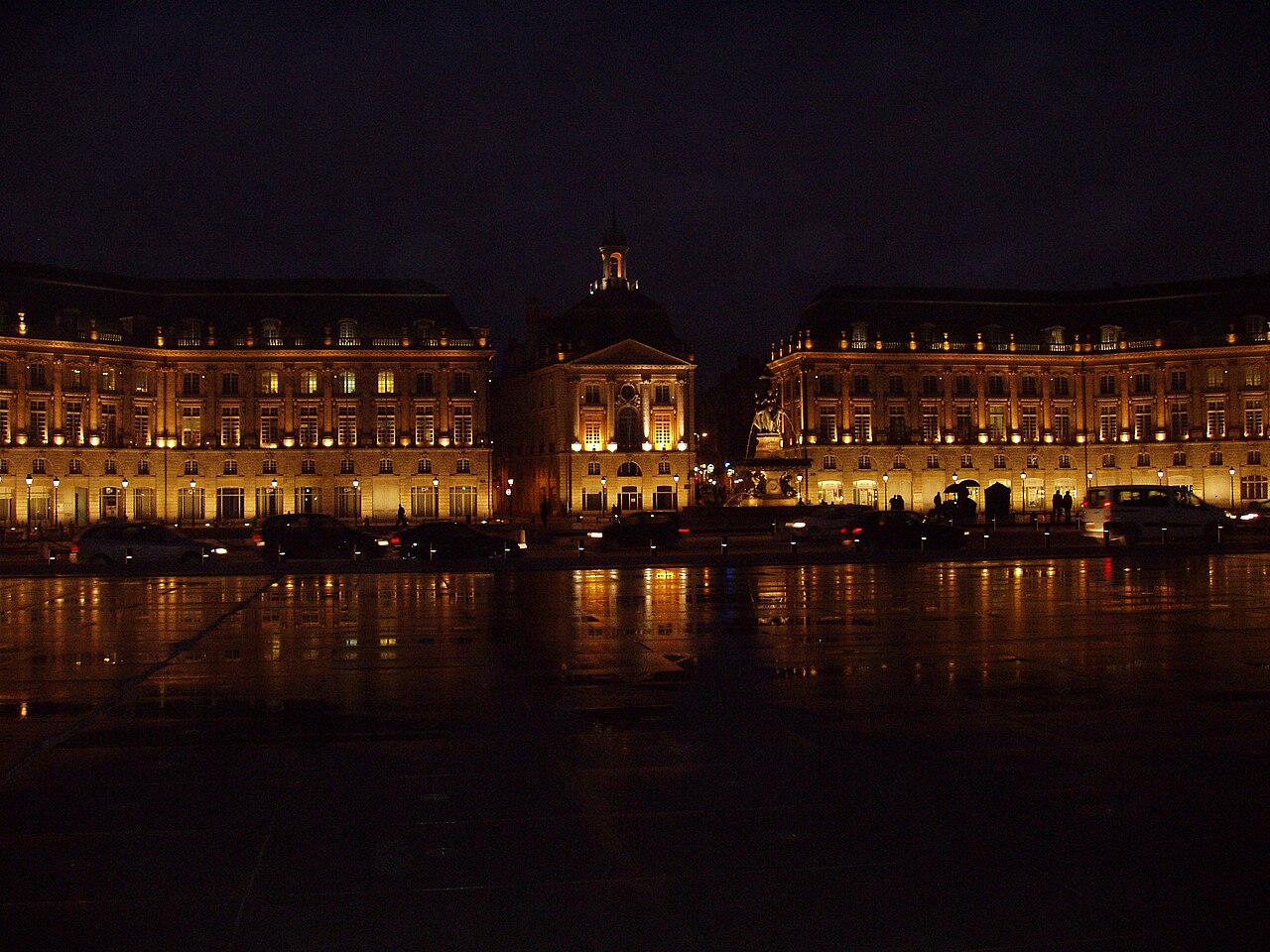
Place de la Bourse and the Miroir d'eau
The 18th-century square opens onto the Garonne. In front of it lies the shallow water mirror that reflects the façades.
On the map (OpenStreetMap): Place de la Bourse and the Miroir d'eauabout 5 min on foot
Porte Cailhau
A 15th-century city gate with turrets like a castle. It leads from the Saint-Pierre quarter out to the river.
On the map (OpenStreetMap): Porte Cailhauabout 5 min on foot
Grosse Cloche
The belfry of the old town hall with a large clock, one of the few surviving parts of the medieval city wall.
On the map (OpenStreetMap): Grosse Clocheabout 10 min on foot
Marché des Capucins
The city's big market hall. The stalls serve oysters from the Arcachon Bay with a glass of white wine.
On the map (OpenStreetMap): Marché des Capucinsabout 15 min on foot
Musée d'Aquitaine
The history of the region from prehistory to today, including Bordeaux's role in the trade in enslaved people.
On the map (OpenStreetMap): Musée d'Aquitaineabout 5 min on foot
Saint-André Cathedral and Tour Pey-Berland
A Gothic cathedral with a free-standing bell tower beside it. The tower stairs take you high above the rooftops.
On the map (OpenStreetMap): Saint-André Cathedral and Tour Pey-Berland
Day 2
The quays, Chartrons and the Cité du Vin
Tram B also runs to the Cité du Vin. Return to the centre on foot along the river or by tram.

Grand Théâtre
The opera house from 1780, with a row of columns and statues along the roof. It is one of the spots where the city comes together.
On the map (OpenStreetMap): Grand Théâtreabout 5 min on foot
Place des Quinconces
A vast square by the river, with the monument to the Girondins and its bronze fountains.
On the map (OpenStreetMap): Place des Quinconcesabout 5 min on foot
Chartrons
The former wine merchants' quarter. Rue Notre-Dame is lined with antique shops, cafés and old warehouses.
On the map (OpenStreetMap): Chartronsabout 2.2 km as the crow flies – by bus, train or taxi
Halles de Bacalan
A food hall right next to the Cité du Vin, with stalls for cheese, fish and local wine. Good for a sit-down lunch.
On the map (OpenStreetMap): Halles de Bacalanright next door
Cité du Vin
A museum about wine around the world, in a curving building on the Garonne. Allow two to three hours.
On the map (OpenStreetMap): Cité du Vinabout 5 min on foot
Pont Jacques Chaban-Delmas
A lift bridge over the Garonne whose middle section rises for large ships. Then walk back along the quays to Place de la Bourse in the evening.
On the map (OpenStreetMap): Pont Jacques Chaban-Delmas
Day 3
Day trip to Saint-Émilion
Saint-Émilion is outside the city. Regional train from Bordeaux Saint-Jean, about 40 minutes, then about 30 minutes on foot up into the village. Trains are infrequent, so check your return first.

Saint-Émilion
A medieval limestone village on a slope, surrounded by vineyards. The village and its wine landscape are a UNESCO World Heritage Site.
On the map (OpenStreetMap): Saint-Émilionright next door
Monolithic Church
A church carved entirely out of the rock. You can only go inside on a guided tour run by the tourist office.
On the map (OpenStreetMap): Monolithic Churchright next door
Place du Marché
The square below the church tower, with restaurants and terraces. For dessert, try the village's Saint-Émilion macarons.
On the map (OpenStreetMap): Place du Marchéright next door
Tour du Roy
The 13th-century keep. From the top you look out over the village rooftops and the vineyards all around.
On the map (OpenStreetMap): Tour du Royright next door
Cloître des Cordeliers
The ruins of a Franciscan cloister with a garden. Afterwards, walk downhill to the station.
On the map (OpenStreetMap): Cloître des Cordeliers
Good to know
Best time to go
May to June and September to October are the most pleasant: warm but rarely hot. In September and October the grape harvest is under way in the vineyards. July and August can be very hot, and winter is mild and often damp.
Getting around
Explore the old town and the quays on foot; the centre is flat. Trams link the districts, and one line runs to the Cité du Vin. Buses and a tram run from the airport to the centre. Regional trains run from Bordeaux Saint-Jean to Saint-Émilion. Tickets are sold at machines or via the app.
Where to stay
Saint-Pierre
The old quarter between Place de la Bourse and Porte Cailhau, with lanes, squares and restaurants. Lively at night.
Around the Grand Théâtre
Central between the quays, Quinconces and the shopping streets. Well connected, with short walks to almost every stop.
Chartrons
Quieter, with cafés and shops, on the way to the Cité du Vin. Walk into the centre along the river.
Ad Where to stay in Bordeaux? Compare prices: Bordeaux
Ad Flights to Bordeaux: compare live prices →
More on Bordeaux in our blog: How many days in Bordeaux? Plans for 1–4 days
Your plan
Start with this plan.
Copy it into YesTrip, pick your dates and make it yours: move stops, drop them or let the AI add more. On the road the app shows you the next stop and how to get there.
Bordeaux: frequently asked questions
What are the must-see sights in Bordeaux?
The must-see sights in Bordeaux are Place de la Bourse and the Miroir d'eau, Porte Cailhau, Grosse Cloche, Musée d'Aquitaine, Saint-André Cathedral and Tour Pey-Berland and Grand Théâtre. This plan links 14 of them into short walks over 3 days – with times, a map and tips.
Are 3 days enough for Bordeaux?
Yes, for the city and one trip into the vineyards. With more time, the Médoc, Arcachon or the Dune of Pilat are worth it.
How do I get to Saint-Émilion?
By regional train from Bordeaux Saint-Jean, then on foot up into the village. Connections are infrequent, so plan your return in advance. Coach tours from Bordeaux are an alternative.
Can I visit wine estates?
Yes, many châteaux around Saint-Émilion and in the Médoc offer tours and tastings. You usually need to book ahead.
When are museums closed?
Many museums in Bordeaux close one day a week. Check opening hours before you go.
Plan created with AI support – please check opening hours, prices and routes before you go. Coordinates checked with Wikipedia and OpenStreetMap (Photon). Photo: Mariette, Public Domain, via Wikimedia Commons. More in Sources & licences. YesTrip is a trip planner, not a travel agency – nothing is booked.
More trip plans
 France · 3 days
Lyon
Photo: Elwood j blues, CC BY-SA 3.0, via Wikimedia Commons
 France · 3 days
Paris
Photo: Jebulon, CC0, via Wikimedia Commons
 France · 3 days
Nice
Photo: Alexander Migl, CC BY-SA 4.0, via Wikimedia Commons


